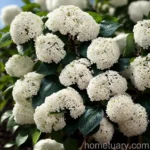
Lantanaphyllum Viburnum (Viburnum x rhytidophylloides): A Comprehensive Guide
Lantanaphyllum Viburnum, scientifically known as Viburnum x rhytidophylloides, is an exquisite flowering plant that is popular for its ornamental features and landscape versatility. This shrub boasts glossy green leaves, fragrant blooms, and attractive berries, making it a sought-after choice for gardens and landscapes. In this comprehensive guide, we will delve deep into the cultivation, care, and maintenance of Lantanaphyllum Viburnum, exploring its cultural significance, uses, diseases, pests, and much more.
What is Lantanaphyllum Viburnum?
Lantanaphyllum Viburnum, or Viburnum x rhytidophylloides, is a hybrid plant that belongs to the Adoxaceae family. This cross between Viburnum rhytidophyllum and Viburnum lantana features characteristics inherited from both parent species, resulting in a unique and visually appealing plant.
This evergreen to semi-evergreen shrub typically reaches a mature height and spread of 6-10 feet, forming a dense, rounded crown. Its leathery, dark green leaves provide an exquisite backdrop for the plant’s clusters of white flowers and metallic blue-black berries. The Viburnum x rhytidophylloides species is valued not only for its aesthetic appeal but also for its adaptability to different environmental conditions and ease of cultivation.
Key Takeaways – Lantanaphyllum Viburnum (Viburnum x rhytidophylloides)
Before we delve into the detailed aspects of caring for Lantanaphyllum Viburnum, let’s explore some key takeaways about this fascinating plant.
Culture
- Lantanaphyllum Viburnum is a hardy and adaptable plant.
- It thrives in various soil types but prefers well-draining, slightly acidic soils.
- The plant is tolerant of urban pollution, making it suitable for city landscapes.
Uses
- Lantanaphyllum Viburnum serves as an excellent choice for hedges, screens, or standalone ornamental plantings.
- It is valued for its year-round interest, including its attractive foliage, fragrant blossoms, and colorful berries.
- This plant is an asset to both formal and naturalistic garden designs.
Now that we have a brief understanding of Lantanaphyllum Viburnum, let’s explore in detail the various aspects of its care and cultivation.
Water
Proper watering is essential for the health and vitality of Lantanaphyllum Viburnum. Although this plant exhibits moderate drought tolerance once established, it is crucial to provide consistent moisture, especially during the establishment phase and in periods of prolonged dryness.
Watering Needs
- After Planting: Immediately after planting, Lantanaphyllum Viburnum should be watered generously to help the roots establish in the new environment.
- Established Plants: Once established, the plant generally requires about 1 inch of water per week during periods of inadequate rainfall. However, this can vary based on the specific environmental conditions and soil moisture levels.
It is important to note that overwatering should be avoided, as excessively wet soils can lead to root rot and other moisture-related issues. To maintain optimal soil moisture, a layer of organic mulch can be applied around the base of the plant, helping to conserve moisture and suppress weed growth.
Sunlight
Sunlight requirements are another crucial factor to consider when cultivating Lantanaphyllum Viburnum. This plant typically thrives in full sun to partial shade, displaying its best growth and flowering potential under the following conditions.
Sunlight Requirements
- Full Sun: Lantanaphyllum Viburnum performs admirably in full sun, receiving at least 6-8 hours of direct sunlight per day. This exposure fosters robust growth, abundant flowering, and the development of colorful berries.
- Partial Shade: While the plant prefers full sun, it can also tolerate partial shade, especially in regions with intense afternoon sun or hot summers.
It is important to assess the specific light conditions in the planting area to ensure that the plant receives an appropriate balance of sunlight for optimal growth and development.
Fertilizer
Fertilization plays a vital role in supporting the health and vigor of Lantanaphyllum Viburnum. A balanced fertilizer application can provide essential nutrients, promote lush foliage, enhance flowering, and bolster overall plant resilience.
Soil Nutrition
- Fertilizer Type: A slow-release, balanced fertilizer formulated for woody plants, shrubs, or ornamentals is well-suited for Lantanaphyllum Viburnum.
- Application Timing: Fertilizer can be applied in early spring before new growth emerges and again in early summer if necessary.
- Amount: Follow the manufacturer’s recommendations for application rates, ensuring adequate coverage without over-fertilizing.
Regular fertilization should be complemented with periodic soil testing to monitor nutrient levels and ensure that the plant’s nutritional needs are being met without causing excessive nutrient build-up in the soil.
Soil
Considering the soil preferences of Lantanaphyllum Viburnum is pivotal for successful cultivation. While this plant is adaptable to various soil types, providing the ideal growing medium can help optimize its growth and overall performance.
Soil Preferences
- Well-draining Soil: Lantanaphyllum Viburnum thrives in well-draining soils, avoiding waterlogged or excessively compacted conditions that can compromise root health.
- pH Level: The plant prefers slightly acidic to neutral soil with a pH range of 5.5-7.0. Acidic soil conditions promote nutrient availability and support healthy root development.
In instances where the native soil does not meet the plant’s requirements, amending the soil with organic matter, such as compost or peat moss, can help improve drainage and enhance soil structure.
Pruning
Pruning is an essential aspect of Lantanaphyllum Viburnum maintenance, contributing to its attractive appearance, controlled growth, and rejuvenation. Proper pruning practices can help shape the plant, remove dead or damaged growth, and encourage prolific flowering and fruiting.
Pruning Techniques
- Timing: Pruning is best carried out in late winter to early spring before the onset of new growth. This timing allows for rejuvenation and removes any winter damage.
- Tools: Sharp, bypass pruners are suitable for making clean cuts, while loppers may be used for thicker branches.
- Techniques: When pruning, focus on removing dead, diseased, or crossing branches. Additionally, the plant can be lightly shaped to maintain its desired form.
It is important to avoid overly aggressive pruning, as this can diminish the plant’s ability to bloom and set fruit. By employing proper pruning techniques, the health and aesthetic appeal of Lantanaphyllum Viburnum can be upheld.
Propagation
The propagation of Lantanaphyllum Viburnum allows for the expansion of its presence in garden landscapes or the replenishment of existing plantings. Several methods can be employed to propagate this species, each offering its own advantages and considerations.
Propagation Methods
- Softwood Cuttings: Softwood cuttings taken in early summer can be rooted under mist or in a greenhouse environment to produce new plants.
- Hardwood Cuttings: Hardwood cuttings collected in late winter or early spring can be prepared and planted for propagation during the following growing season.
- Seed Propagation: While less commonly used, Lantanaphyllum Viburnum seeds can be collected from ripe berries and sown in a suitable growing medium for germination.
Selecting healthy, disease-free plant material and providing optimal environmental conditions are critical for successful propagation, leading to the development of robust new plants.
Container Popularity
Lantanaphyllum Viburnum is increasingly sought after for container gardening, offering a versatile and ornamental option for patios, decks, and urban landscapes. When grown in containers, this plant brings its distinctive features to a more confined space, serving as a captivating focal point or a component of mixed container plantings.
Container Gardening
- Container Selection: Choose a large container with adequate drainage holes to accommodate the plant’s root system and promote proper moisture management.
- Potting Mix: Select a high-quality, well-draining potting mix designed for woody plants or ornamentals.
- Placement: Position the container in a location that aligns with the plant’s sunlight requirements, ensuring that it receives adequate light for healthy growth.
Regular watering and fertilization, along with periodic maintenance and potential repotting, are essential for sustaining the vitality of Lantanaphyllum Viburnum in a container environment.
Common Diseases
While Lantanaphyllum Viburnum is generally resilient and resistant to many health issues, it can be susceptible to certain diseases that warrant attention for timely management and prevention.
Disease Diagnosis
- Powdery Mildew: This common fungal disease presents as powdery white spots on the leaves, potentially leading to leaf distortion and reduced plant vigor.
- Leaf Spot: Various fungal pathogens can cause circular spots or lesions on the foliage, affecting the plant’s aesthetic appeal.
- Canker Diseases: Canker infections may result in sunken, discolored areas on the stems, leading to weakened or dieback in affected branches.
Timely diagnosis, proper cultural practices, and, if necessary, targeted fungicidal treatments can help mitigate the impact of these diseases and preserve the plant’s health.
Common Pests
Pest infestations can pose potential threats to Lantanaphyllum Viburnum, compromising its growth, aesthetics, and overall well-being. Identifying and addressing pest issues promptly is essential for safeguarding the plant from undue harm.
Pest Control
- Aphids: These tiny, sap-sucking insects can cluster on the plant’s tender growth, causing distortion and stunted development.
- Thrips: Thrips may feed on the leaves and flowers, leading to silvery or bronzed stippling and potential flower damage.
- Scale Insects: Scale insects can attach themselves to the stems and leaves, sucking plant juices and potentially inducing leaf yellowing and premature leaf drop.
Integrated pest management strategies that encompass cultural, mechanical, and, if necessary, targeted insecticidal approaches can help manage pest populations and prevent significant damage to Lantanaphyllum Viburnum.
Botanist’s Tips
As a botanist, I have encountered the exquisite Lantanaphyllum Viburnum in various garden settings and have gathered valuable insights into its cultivation and appreciation. Here are some botanist’s tips for nurturing and maximizing the potential of this remarkable plant:
- Environmental Assessment: Evaluate the specific environmental conditions of the planting site, including sunlight exposure, soil characteristics, and moisture levels, to ensure an optimal growing environment for Lantanaphyllum Viburnum.
- Seasonal Observations: Take note of the plant’s performance and behavior throughout the seasons, observing its growth patterns, flowering timing, and responses to environmental changes.
- Cultural Adaptations: Tailor the care and management of Lantanaphyllum Viburnum based on the unique requirements and preferences of individual plants, aiming to strike a balance between routine maintenance and minimal intervention.
Embracing an attentive and responsive approach to plant care can enhance the resilience and splendor of Lantanaphyllum Viburnum, elevating its presence in garden landscapes.
Fun Facts
Before we conclude our exploration of Lantanaphyllum Viburnum, let’s uncover some intriguing fun facts about this captivating plant.
- Bird Magnet: The berries of Lantanaphyllum Viburnum are a valuable food source for various bird species, contributing to its role in supporting local wildlife.
- Seasonal Elegance: In addition to its spring blossoms and summer berries, the plant showcases rich fall foliage colors, adding seasonal interest to the landscape.
- Ornamental Value: Lantanaphyllum Viburnum is prized for its use in floral arrangements and decorative displays, reflecting its enduring appeal beyond the garden setting.
These fun facts offer a glimpse into the diverse roles and enchanting qualities of Lantanaphyllum Viburnum, solidifying its status as a cherished plant species.
Links to External Resources
General Resources
- University of Florida IFAS Extension: Viburnum x rhytidophylloides
- Rutgers – New Jersey Agricultural Experiment Station: Viburnum x rhytidophylloides
Disease and Pest Management
- The American Phytopathological Society: Viburnum Diseases
- North Carolina State University Extension: Integrated Pest Management for Home Gardeners
With the aid of these resources, enthusiasts, growers, and horticultural enthusiasts can further expand their knowledge of Lantanaphyllum Viburnum, its care, and its role within diverse landscapes.
In conclusion, Lantanaphyllum Viburnum, commonly known as Viburnum x rhytidophylloides, stands as a captivating and versatile plant species that enriches garden landscapes and captivates observers with its aesthetic allure. By understanding and implementing the essential aspects of its care and cultivation, this plant can flourish and contribute to the beauty and biodiversity of diverse horticultural settings.
Whether as an ornamental centerpiece, a wildlife sanctuary, or a source of seasonal interest, Lantanaphyllum Viburnum continues to make its mark as an esteemed and prized addition to gardens and landscapes, embodying its enduring charm and significance.
By delving into the unique features, care requirements, and cultural significance of Lantanaphyllum Viburnum, we unveil a deeper appreciation for this remarkable plant, inspiring a renewed commitment to its stewardship and the celebration of its enduring beauty.
Keywords: Lantanaphyllum Viburnum care, Viburnum x rhytidophylloides planting tips, Lantanaphyllum Viburnum varieties, Viburnum x rhytidophylloides pruning guide, Lantanaphyllum Viburnum propagation methods, Viburnum x rhytidophylloides diseases, Lantanaphyllum Viburnum watering needs, Viburnum x rhytidophylloides sunlight requirements, Lantanaphyllum Viburnum pest control, Viburnum x rhytidophylloides soil preferences, Lantanaphyllum Viburnum blooming season, Viburnum x rhytidophylloides landscape use, Lantanaphyllum Viburnum companion plants, Viburnum x rhytidophylloides growth rate, Lantanaphyllum Viburnum climate suitability, Viburnum x rhytidophylloides leaf characteristics, Lantanaphyllum Viburnum winter care, Viburnum x rhytidophylloides fall color, Lantanaphyllum Viburnum pollination requirements, Viburnum x rhytidophylloides fruiting habits, Lantanaphyllum Viburnum native habitat, Viburnum x rhytidophylloides pruning techniques, Lantanaphyllum Viburnum decorative uses, Viburnum x rhytidophylloides wildlife attraction, Lantanaphyllum Viburnum medicinal properties, Viburnum x rhytidophylloides seasonal care, Lantanaphyllum Viburnum container gardening, Viburnum x rhytidophylloides landscape design, Lantanaphyllum Viburnum shade tolerance, Viburnum x rhytidophylloides evergreen features, Lantanaphyllum Viburnum blossom color, Viburnum x rhytidophylloides pruning schedule, Lantanaphyllum Viburnum drought resistance, Viburnum x rhytidophylloides wind tolerance, Lantanaphyllum Viburnum soil pH preferences, Viburnum x rhytidophylloides erosion control, Lantanaphyllum Viburnum planting season, Viburnum x rhytidophylloides leaf drop patterns, Lantanaphyllum Viburnum landscape maintenance, Viburnum x rhytidophylloides wildlife habitat, Lantanaphyllum Viburnum cultural significance, Viburnum x rhytidophylloides winter hardiness, Lantanaphyllum Viburnum naturalization, Viburnum x rhytidophylloides flower arrangement, Lantanaphyllum Viburnum fragrant blooms, Viburnum x rhytidophylloides water retention, Lantanaphyllum Viburnum seasons of interest, Viburnum x rhytidophylloides leaf diseases, Lantanaphyllum Viburnum garden versatility, Viburnum x rhytidophylloides pruning tools