Yellow-water-lily (Nuphar Lutea)
In this blog post, we will delve into the enchanting world of the Yellow Water Lily (Nuphar lutea), a captivating aquatic plant that graces the waters with.
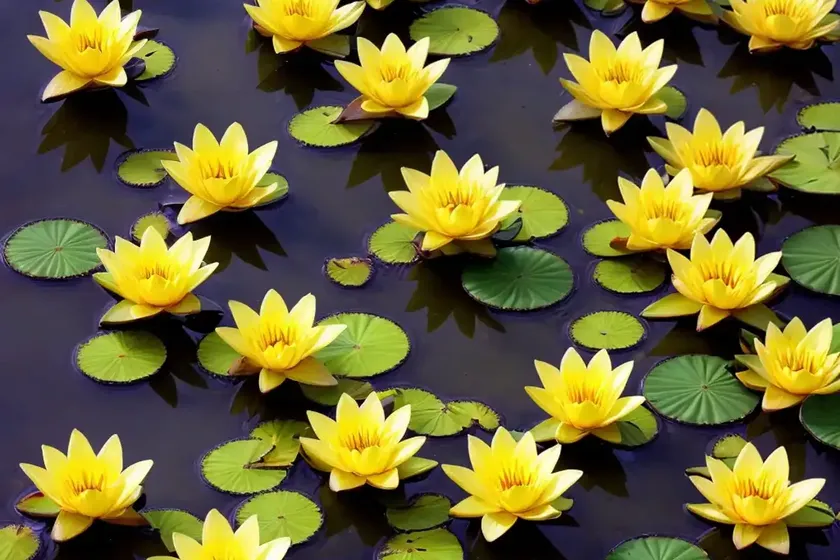
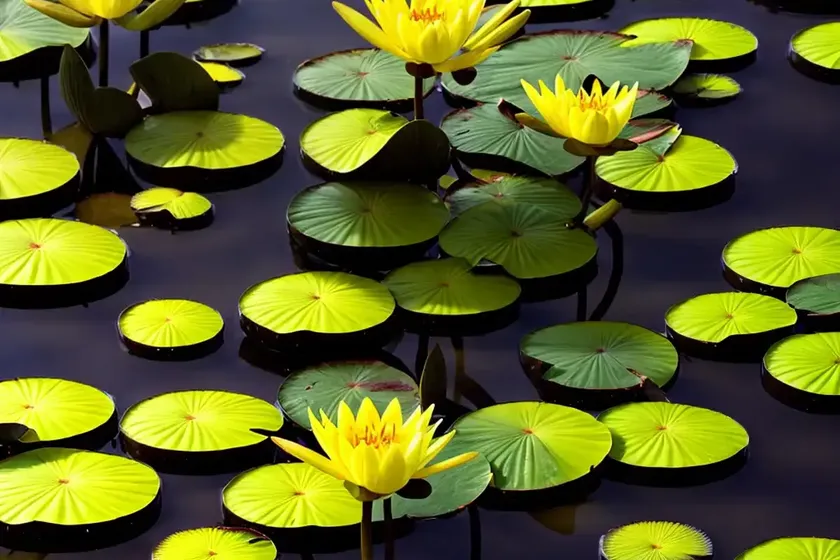
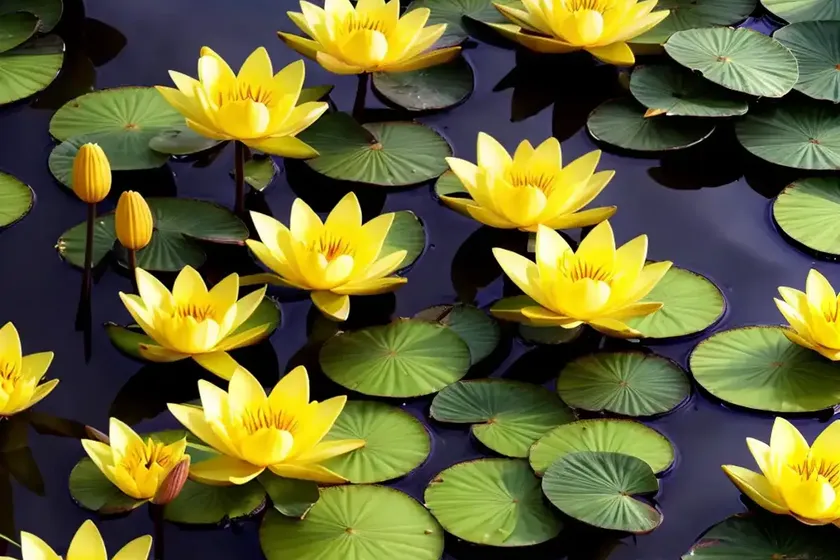
In this blog post, we will delve into the enchanting world of the Yellow Water Lily (Nuphar lutea), a captivating aquatic plant that graces the waters with its vibrant yellow blooms. We will explore its culture, uses, optimal conditions for growth, common diseases and pests, as well as propagation techniques. Additionally, we will unravel the botanist’s tips, fascinating facts, and provide links to external resources to further expand your knowledge about this remarkable plant.
What is Yellow Water Lily (Nuphar lutea)?
Yellow Water Lily, scientifically known as Nuphar lutea, is a perennial aquatic plant belonging to the Nymphaeaceae family. This striking water lily is characterized by its glossy, circular leaves and vibrant yellow flowers that float gracefully on the water’s surface. Its botanical name, Nuphar lutea, is derived from the Greek word ‘nymphē,’ meaning ‘nymph,’ which reflects its association with water, and ‘lutea,’ which refers to its yellow color.
Key Takeaways – Yellow Water Lily (Nuphar lutea)
Before delving into the specific aspects of the Yellow Water Lily, let’s briefly highlight the essential characteristics of this captivating aquatic plant:
- Perennial aquatic plant
- Vibrant yellow flowers
- Glossy, circular leaves
- Belongs to the Nymphaeaceae family
- Thrives in water bodies
- Attracts wildlife such as bees and butterflies
- Symbolizes purity and enlightenment in various cultures
- Offers medicinal and cultural significance
Now, as we venture deeper into understanding the Yellow Water Lily, we will explore its culture, uses, optimal growing conditions, and various aspects related to its care and maintenance.
Culture
Understanding the culture of Yellow Water Lily (Nuphar lutea) encompasses gaining insights into its historical significance, symbolism, and cultural associations across different regions. This enriches our understanding of the plant beyond its biological attributes and provides a more profound appreciation for its presence in diverse aspects of human life and traditions.
Historical Significance and Symbolism
Throughout history, the Yellow Water Lily has held significance in various cultures and traditions. In ancient Egyptian society, it was associated with rebirth and regeneration due to its cyclic life cycle, emerging from the depths of the water to bloom, and then submerging again. This symbolized the eternal cycle of life, death, and rebirth, aligning with the Egyptian beliefs in the afterlife and resurrection.
Similarly, in Hindu and Buddhist traditions, the lotus flower, a close relative of the water lily, holds immense spiritual symbolism, representing purity, enlightenment, and spiritual growth. The lotus is often depicted in religious art and literature, signifying the journey from darkness to light, mirroring the growth of the flower from the murky waters to blossom on the surface.
In European folklore, water lilies have been associated with myths and legends, often depicted as the dwelling place of water nymphs or fairies. They were believed to possess magical properties and were linked to themes of love, beauty, and transformation.
Cultural Associations
The Yellow Water Lily’s beauty and symbolism have also made it a popular motif in art, literature, and poetry. Its graceful form and vibrant blooms have inspired countless artists and writers, finding a place in paintings, sculptures, and verses that celebrate its allure and metaphorical significance.
Uses
The uses of the Yellow Water Lily extend beyond its ornamental value, encompassing ecological, medicinal, and cultural significance. Understanding its diverse applications provides a holistic view of its contributions to ecosystems and human well-being.
Ecological Importance
As an integral component of aquatic ecosystems, Yellow Water Lily plays a vital role in maintaining ecological balance and supporting diverse life forms. Its large, floating leaves provide shade and shelter to aquatic creatures, including fish, amphibians, and invertebrates, offering protection from predators and creating microhabitats within water bodies. Additionally, the submerged portions of the plant serve as nursery areas for aquatic organisms and contribute to nutrient cycling in the ecosystem.
The vibrant flowers of the Yellow Water Lily attract pollinators such as bees and butterflies, contributing to the pollination of other plants within the aquatic environment. This interdependence within the ecosystem underscores the plant’s ecological significance and its contribution to the overall biodiversity of wetland and freshwater habitats.
Medicinal and Cultural Uses
Beyond its ecological role, Yellow Water Lily has been utilized for its medicinal properties in traditional healing systems. In some cultures, the roots and rhizomes of Nuphar lutea are believed to possess therapeutic properties and have been used to address various ailments, including digestive disorders and skin conditions. While the modern scientific validation of these traditional uses is ongoing, the historical and cultural significance of the plant in traditional medicine underscores its value in indigenous healing practices.
Culturally, the Yellow Water Lily holds symbolic importance in various rituals and ceremonies. Its association with purity and enlightenment has made it a revered symbolic motif in cultural practices, serving as an emblem of spiritual growth, transformation, and the pursuit of higher consciousness.
Water
As an aquatic plant, the Yellow Water Lily (Nuphar lutea) thrives in water environments, where it exhibits its characteristic growth patterns and produces its vibrant flowers. Understanding the specific water requirements of the plant is essential for creating optimal conditions for its cultivation.
Ideal Water Conditions
Yellow Water Lily flourishes in calm, shallow waters, particularly in ponds, lakes, and slow-moving streams or river backwaters. The ideal water depth for its growth ranges from 30 cm to 150 cm, allowing the plant to establish its roots in the muddy substrate while enabling its floating leaves and flowers to bask in the sunlight at the water’s surface.
The water in which the Yellow Water Lily thrives should be relatively clean and free from excessive turbidity, as excessive sedimentation can impede its growth and obstruct sunlight penetration to the submerged parts of the plant. Maintaining balanced water quality, including levels of dissolved oxygen, pH, and nutrient concentrations, is crucial for supporting the plant’s overall health and vitality.
Sunlight Requirements
The sunlight requirements of the Yellow Water Lily are integral to its photosynthetic processes, leaf development, and flowering. Understanding its optimal sunlight exposure facilitates the creation of suitable growing conditions.
Yellow Water Lily thrives in full sunlight, requiring at least 6 hours of direct sunlight per day to support robust growth and prolific flowering. Adequate sunlight exposure ensures the optimal production of carbohydrates through photosynthesis, which fuels the plant’s metabolic processes and sustains its overall vigor. Insufficient sunlight can result in stunted growth, reduced flowering, and the weakening of the plant’s resilience.
Fertilizer Application
While Yellow Water Lily extracts nutrients from the water and substrate in which it grows, supplemental fertilizer applications may be beneficial, particularly in cultivated environments and water features where nutrient availability may vary. Understanding the appropriate fertilizer application for the plant ensures the provision of essential nutrients for its growth and flowering.
Fertilizer formulated for aquatic plants or specifically tailored for water lilies can be applied during the growing season to augment the plant’s nutrient uptake. Balanced fertilizers that supply essential macronutrients, such as nitrogen, phosphorus, and potassium, as well as micronutrients, can promote healthy foliage and vibrant flowers. Care should be taken to follow recommended application rates and methods to prevent over-fertilization, which can lead to water quality concerns and adverse impacts on the aquatic ecosystem.
Soil
The soil requirements of the Yellow Water Lily (Nuphar lutea) are fundamentally linked to its adaptation to aquatic environments and its ability to anchor itself in the substrate while absorbing essential nutrients. Understanding the plant’s unique soil requirements in aquatic settings is crucial for its successful cultivation.
Adaptation to Aquatic Substrate
Yellow Water Lily exhibits a specialized adaptation to aquatic substrates, utilizing rhizomatous structures to anchor itself in the muddy substrate found in ponds, lakes, and slow-moving water bodies. The rhizomes of the plant extend horizontally in the substrate, enabling it to access nutrients and anchor itself securely, while the emerging shoots and leaves rise above the water’s surface to fulfill its photosynthetic and reproductive functions.
The muddy substrate provides essential support and nutrient availability for the Yellow Water Lily, facilitating its growth and the establishment of new plants through rhizome expansion and adventitious root formation. Additionally, the substrate serves as a medium for the exchange of gases and nutrients between the plant and its environment, contributing to its overall vitality.
Substrate Composition
The composition of the aquatic substrate in which Yellow Water Lily grows plays a critical role in its growth and development. The substrate should ideally consist of a mix of mud, silt, and organic matter, providing the plant with a nutrient-rich medium for anchorage and nutrient absorption. The organic content of the substrate supports microbial activity, contributing to the breakdown of organic matter and the release of nutrients that can be assimilated by the plant.
The substrate’s texture should be conducive to rhizome penetration and anchorage, allowing the plant to extend its root system and establish a secure foothold. While the substrate is predominantly submerged, the presence of oxygen within the substrate is essential for root respiration and the prevention of anoxic conditions that can compromise the plant’s health.
Pruning
Pruning plays a vital role in the maintenance and management of the Yellow Water Lily (Nuphar lutea), shaping its growth, controlling its spread, and rejuvenating the plant for optimal performance. Understanding the principles and techniques of pruning is essential for promoting the plant’s health and aesthetic appeal.
Pruning for Aesthetic Maintenance
Regular pruning of the Yellow Water Lily helps maintain a balanced and visually appealing growth habit, preventing overcrowding and ensuring that the plant’s foliage and flowers remain healthy and vibrant. Removal of spent flowers, discolored leaves, and excess vegetative growth reduces the risk of disease incidence and enhances the overall aesthetic quality of the plant.
Aesthetic pruning also involves shaping the plant to foster a harmonious appearance within the aquatic environment, preventing the plant from encroaching on other aquatic vegetation and structures. By selectively removing excessive growth, the form and balance of the Yellow Water Lily can be optimized, contributing to its visual impact and integration within water features.
Control of Growth and Spread
Pruning serves as a means of controlling the growth and spread of the Yellow Water Lily, particularly in managed aquatic environments and water features. By removing excess vegetative growth and restricting the spread of rhizomatous structures, the plant’s proliferation can be managed, preventing it from dominating the aquatic ecosystem or encroaching on other desired plant species.
Controlling the spread of Yellow Water Lily is particularly important in artificial water bodies such as ponds and ornamental water gardens, where unchecked growth can lead to excessive shading, nutrient competition, and alterations in ecosystem dynamics. Pruning techniques such as rhizome division and removal of adventitious growth help contain the plant’s expansion and promote balanced coexistence with other aquatic flora and fauna.
Propagation
Understanding the propagation techniques for Yellow Water Lily (Nuphar lutea) equips plant enthusiasts and cultivators with the knowledge to expand their plant populations, rejuvenate existing stands, and introduce new individuals into aquatic environments. By exploring the natural propagation mechanisms and human-assisted propagation methods, we gain insights into fostering the plant’s reproduction and genetic diversity.
Natural Propagation Mechanisms
The natural propagation of Yellow Water Lily predominantly occurs through its rhizomatous growth habit, allowing the plant to extend horizontally and produce new shoots and roots along the length of the rhizomes. As the rhizomes spread within the substrate, they give rise to adventitious buds, which develop into new plant clusters, contributing to the expansion and colonization of suitable habitats.
The dispersal of Yellow Water Lily can also occur through seed production, where the plant’s distinctive yellow flowers give way to seed pods containing viable seeds. The seeds are dispersed via water currents and aquatic organisms, enabling the colonization of new areas and the establishment of genetically diverse populations.
Human-Assisted Propagation
In cultivated environments and botanical settings, human-assisted propagation methods can be employed to propagate Yellow Water Lily with precision and control. Division of rhizomes, which involves separating and replanting portions of the rhizomes with viable buds and roots, is a common technique for increasing plant numbers and rejuvenating established stands.
Seed propagation, although less common due to the challenges associated with germinating and establishing aquatic plant seeds, can be employed in specialized propagation facilities to introduce new genetic diversity and develop new cultivars. Human-assisted propagation enables the conservation of rare and endangered populations, the creation of horticulturally desirable varieties, and the establishment of educational collections for public appreciation and research purposes.
Container Popularity
In contemporary gardening and landscaping practices, the use of containers offers versatility and aesthetic appeal, enabling the cultivation of plants in diverse settings, including balconies, patios, and indoor spaces. Understanding the popularity of planting Yellow Water Lily in containers provides insights into its adaptability to confined spaces and its ability to thrive in non-traditional growing environments.
Container Gardening with Yellow Water Lily
Yellow Water Lily can be cultivated in containers, including aquatic plant containers, tubs, and ornamental water features, providing an opportunity to introduce the plant to a wider audience and diversify its cultivation beyond natural water bodies. Container gardening with Yellow Water Lily allows for the creation of miniature aquatic gardens, where the plant’s vibrant flowers and lush foliage can be appreciated in intimate settings.
The adaptability of Yellow Water Lily to container cultivation opens avenues for incorporating the plant into urban landscapes, interior design schemes, and educational displays, enhancing its accessibility and broadening its horticultural appeal. By carefully selecting suitable containers and aquatic plant substrates, enthusiasts can create captivating aquatic displays featuring the enchanting blooms of Nuphar lutea.
Benefits of Container Cultivation
Container cultivation offers several benefits for growing Yellow Water Lily, including greater control over growing conditions, mobility, and the creation of focal points in garden designs. By maintaining the plant in containers, its spread in natural water bodies can be regulated, preventing potential invasiveness in sensitive ecosystems and preserving the ecological balance of native aquatic flora and fauna.
Containers also facilitate the cultivation of Yellow Water Lily in non-traditional settings, enabling individuals without access to natural water bodies to experience the beauty and ecological contributions of the plant. Additionally, container cultivation allows for seasonal adjustments, easy relocation, and the incorporation of Yellow Water Lily into diverse landscape designs, expanding its presence in urban and suburban environments.
Common Diseases
Yellow Water Lily is susceptible to certain diseases and physiological disorders that can affect its growth, vigor, and flowering. Recognizing the symptoms and causal agents of common diseases is essential for implementing timely management strategies to preserve the health and vitality of the plant.
Leaf Spot Diseases
Leaf spot diseases, caused by various fungal pathogens, can manifest as circular or irregular blemishes on the foliage of Yellow Water Lily, leading to aesthetic decline and potential weakening of the plant. The development of leaf spots is favored by prolonged leaf wetness, high humidity, and compromised plant vitality, creating conditions conducive to pathogen establishment and proliferation.
To manage leaf spot diseases, cultural practices such as maintaining proper air circulation around the plant, providing adequate sunlight exposure, and avoiding overhead irrigation can minimize favorable conditions for fungal development. Additionally, the use of fungicidal treatments, particularly during periods of high disease pressure, can suppress fungal pathogens and protect the plant from extensive damage.
Rhizome Rots
Rhizome rots, typically caused by soil-borne pathogens such as Pythium and Phytophthora species, can impact the underground structures of Yellow Water Lily, compromising its nutrient uptake and stability. Symptoms of rhizome rots may include softening of the rhizomes, browning or blackening of affected tissues, and wilting of aerial parts, reflecting the underlying damage to the plant’s below-ground organs.
Preventive measures, including the selection of well-drained substrates, proper water management, and the exclusion of contaminated planting material, are crucial for minimizing the risk of rhizome rots. Anticipating and addressing potential predisposing factors, such as excessive soil moisture and poor substrate aeration, aids in reducing the likelihood of pathogen establishment and the onset of rhizome rots.
Disease Diagnosis
Accurate diagnosis of diseases affecting Yellow Water Lily is pivotal for implementing effective management strategies and safeguarding the plant’s long-term health. By recognizing the symptoms and signs of common diseases, plant caretakers and professionals can devise targeted approaches to mitigate disease impacts and prevent their recurrence.
Symptom Recognition
Symptoms of diseases afflicting Yellow Water Lily may manifest as visual abnormalities in the foliage, stems, flowers, and rhizomes, signaling the presence of underlying pathogens or physiological imbalances. Leaf spot diseases often present as discolored lesions or spots on the leaves, varying in size, shape, and coloration depending on the causative agent. Careful observation of the leaf surfaces and margins aids in distinguishing between different leaf spot pathogens and non-pathogenic blemishes.
Rhizome rots can be identified through the progressive softening and discoloration of the rhizomes, which may extend to the neighboring shoots and roots. Visual inspection of the below-ground structures and assessment of their firmness and coloration provide diagnostic clues for distinguishing between healthy and diseased rhizomes, guiding the formulation of appropriate management interventions.
Laboratory Analysis
In cases where the symptoms are ambiguous or indicative of multiple potential causes, laboratory analysis of infected plant tissues and substrates can aid in disease confirmation and pathogen identification. Sampling affected plant parts and submitting them to diagnostic laboratories equipped with microbial culture and molecular testing capabilities can reveal the specific pathogens associated with the observed symptoms.
Laboratory analyses also permit the assessment of soil and substrate conditions, revealing potential imbalances in nutrient availability, pH, and microbial populations that may contribute to disease development. Armed with accurate diagnostic information, targeted disease management strategies can be implemented, tailored to the specific pathogens and environmental factors influencing the health of Yellow Water Lily.
Common Pests
The presence of pests can pose challenges to the health and aesthetics of Yellow Water Lily, necessitating vigilance and proactive pest management measures to protect the plant from infestations and associated damage. Recognizing common pests and understanding their life cycles and feeding behaviors is essential for devising effective pest control strategies.
Aphids
Aphids, small sap-sucking insects, can infest Yellow Water Lily, feeding on the plant’s succulent leaves and tender shoots. Their presence may lead to uneven growth, distorted leaves, and the development of sticky honeydew, fostering the growth of sooty mold and compromising the plant’s photosynthetic capacity.
To control aphid infestations, the application of insecticidal soaps or horticultural oils can be effective in suppressing aphid populations while minimizing the impact on beneficial insects and the aquatic environment. Additionally, promoting natural predators such as ladybugs and lacewings contributes to biological control, reducing aphid numbers and preventing their resurgence.
Water Lily Beetles
Water lily beetles, including species such as the water lily leaf beetle (Galerucella nymphaeae), can feed on the foliage of Yellow Water Lily, causing unsightly damage and defoliation. The beetles consume leaf tissues, leaving behind characteristic notches and perforations, impacting the plant’s aesthetics and potentially reducing its photosynthetic capacity.
To manage water lily beetle infestations, handpicking and removal of beetles from affected plants can provide immediate relief, particularly in small-scale plantings. In cases of severe infestations, targeted insecticide applications, chosen to minimize non-target effects on aquatic organisms, can be considered to reduce beetle populations and protect the plant’s foliage.
Botanist’s Tips
As plant enthusiasts and caretakers, incorporating botanist’s tips for the cultivation and care of Yellow Water Lily enriches our understanding of its requirements and fur


