Yellow Rattle (Rhinanthus Minor)
Plants have always fascinated humans with their beauty, diversity, and ecological importance. From providing oxygen to serving as habitat for various.
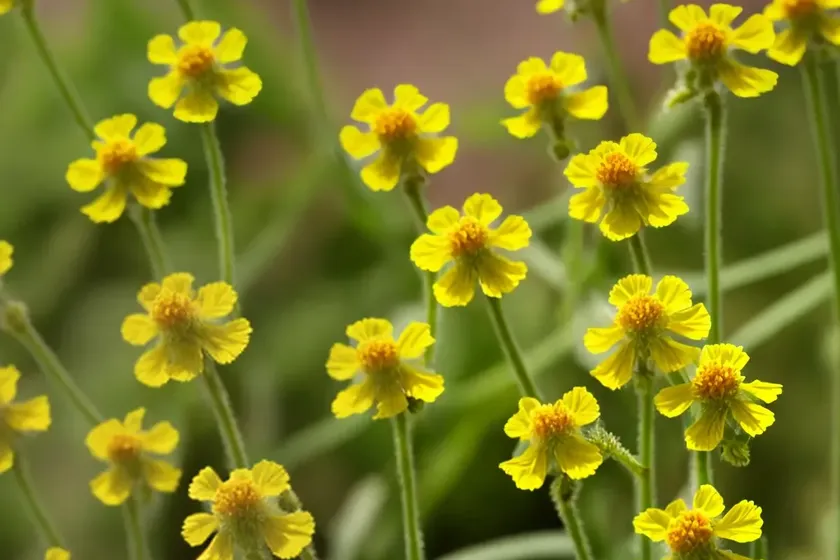
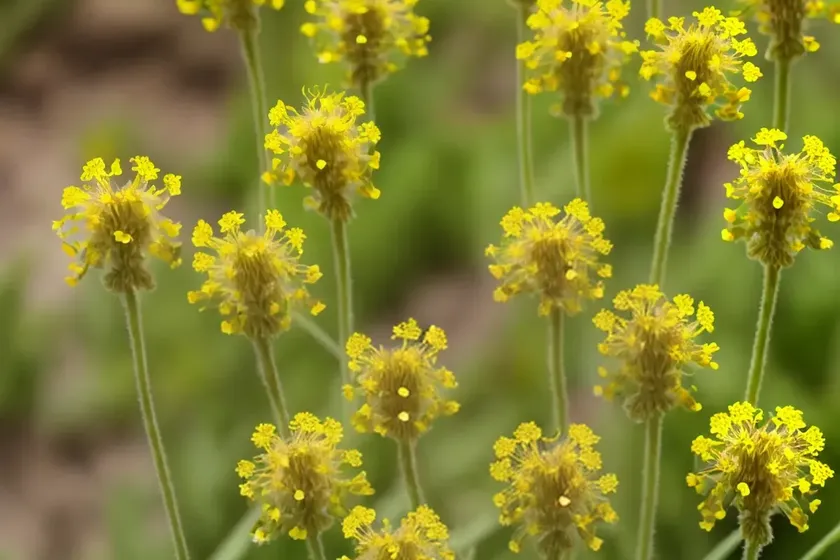
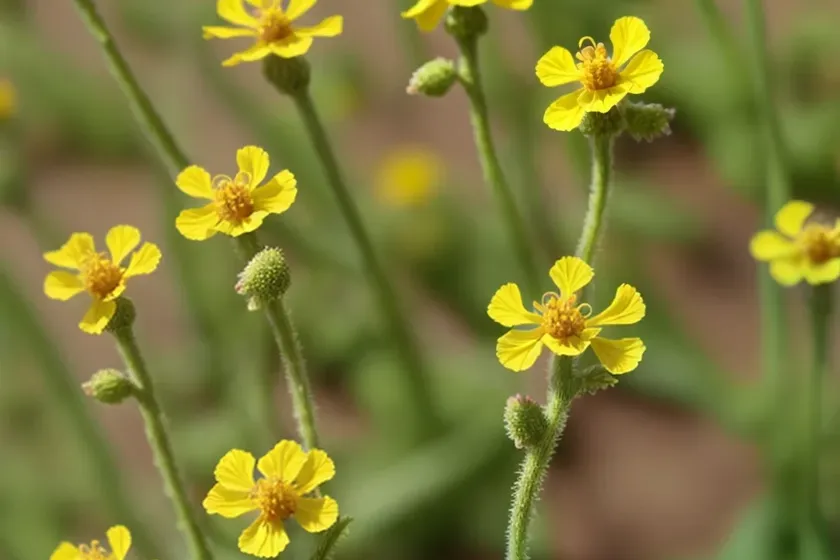
Plants have always fascinated humans with their beauty, diversity, and ecological importance. From providing oxygen to serving as habitat for various organisms, plants play an essential role in the survival of life on earth. One such intriguing plant is the Yellow Rattle (Rhinanthus minor). This native European wildflower has gained attention for its ecological significance, stunning yellow flowers, and unique growth habits. In this comprehensive guide, we will delve into the world of Yellow Rattle, exploring its cultivation, care, ecological roles, and much more.
What Is Yellow Rattle (Rhinanthus minor)?
Yellow Rattle, scientifically known as Rhinanthus minor, is a semi-parasitic plant belonging to the Orobanchaceae family. It is an annual herbaceous plant that thrives in grasslands, meadows, and open woodlands, primarily across Europe. The plant’s name is derived from the rattling sound produced by its seeds in the dried capsules, which adds to its intriguing nature.
Key Takeaways – Yellow Rattle (Rhinanthus minor)
- Plant Name: Yellow Rattle (Rhinanthus minor)
- Scientific Classification:
- Family: Orobanchaceae
- Genus: Rhinanthus
- Species: Rhinanthus minor
- Native Habitat: Grasslands, meadows, open woodlands
- Flowering Period: Late spring to early summer
- Ecological Role: Semi-parasitic, plays a crucial role in grassland ecosystems
- Conservation Status: Not globally threatened, but declining in some regions due to habitat loss
- Cultural Significance: Historical medicinal uses, folklore associations
Now that we have gained an overview of Yellow Rattle, let’s dive deeper into its cultivation, care, and ecological significance.
Cultivation and Care
Water
Yellow Rattle is a versatile plant that can adapt to various moisture levels. However, it generally thrives in well-draining soil with moderate moisture. It can tolerate periods of drought, making it suitable for xeriscaping projects or areas with minimal irrigation.
Sunlight
As a plant native to grasslands and open woodlands, Yellow Rattle prefers full sun to partial shade. It thrives in areas with ample sunlight and can tolerate light shade in certain conditions.
Fertilizer
Yellow Rattle is relatively low-maintenance and does not require heavy fertilization. In fact, excessive nutrient levels can favor the growth of competing grasses, potentially impacting the plant’s growth. It is best to avoid fertilizing the soil when establishing Yellow Rattle in a naturalized setting.
Soil
The plant grows best in well-drained, loamy soil. It can tolerate a wide range of soil textures, from sandy to clayey, as long as the soil does not become waterlogged.
Pruning
As an annual plant, Yellow Rattle does not require regular pruning. However, if the plant’s seeds are harvested for ecological restoration projects, the mature capsules can be collected by hand before they open and disperse the seeds.
Propagation
Yellow Rattle can be propagated from seeds, and it readily self-seeds in suitable habitats. For intentional propagation, the following steps can be followed:
- Seed Collection: Wait until the seed capsules are fully mature and have turned brown. Harvest the capsules and allow them to dry further before extracting the seeds.
- Seed Sowing: Scatter the seeds in the desired location during the autumn or early spring. The seeds require a period of cold stratification to germinate successfully.
Container Popularity
While Yellow Rattle is primarily known for its role in naturalized settings and grassland restoration, it can also be grown in containers. Container gardening allows for greater control over the soil conditions, making it an option for individuals who wish to observe this fascinating plant up close.
Common Diseases and Pests
Diseases
Yellow Rattle is relatively resistant to diseases, particularly when grown in its natural habitat. However, prolonged periods of high moisture can lead to issues such as root rot. To mitigate disease risks, it is essential to ensure proper drainage in the planting area.
Pests
The plant is not highly susceptible to pest infestations. However, occasional grazing by herbivores or browsing animals may occur in natural habitats. In cultivated settings, vigilance against common garden pests, such as aphids, may be necessary.
Botanist’s Tips
Yellow Rattle, with its semi-parasitic nature, has a unique ecological role in grassland ecosystems. When cultivating or restoring grasslands with Yellow Rattle, consider the following tips to maximize its ecological impact:
- Companion Planting: Pair Yellow Rattle with compatible native grasses and wildflowers to create a diverse and balanced ecosystem.
- Naturalized Areas: Allow Yellow Rattle to self-seed in naturalized areas to promote its persistence and contribute to the overall biodiversity of the site.
- Seed Harvesting: Consider harvesting Yellow Rattle seeds for conservation and ecological restoration efforts, ensuring the preservation of this valuable plant species.
Fun Facts
Before we delve deeper into the ecological significance of Yellow Rattle, let’s explore some intriguing facts about this captivating plant:
- The plant’s common name, Yellow Rattle, is derived from the sound produced by the seeds rattling in their capsules.
- Yellow Rattle has historical significance in traditional medicine, where it was used for various ailments due to its purported medicinal properties.
- As a semi-parasitic plant, Yellow Rattle extracts nutrients from the roots of surrounding plants, playing a unique role in grassland ecosystems.
Ecological Role and Importance
Semi-Parasitic Nature
Yellow Rattle’s semi-parasitic nature sets it apart from many other plants. It forms attachments to the roots of nearby grasses, reducing their vigor and biomass. This unique behavior is known as hemiparasitism, as the plant retains its green foliage and performs photosynthesis, while obtaining essential water and nutrients from its host plants.
Habitat Restoration
The inclusion of Yellow Rattle in grassland restoration projects can have significant ecological benefits. By suppressing certain grass species, it promotes the growth of diverse wildflowers and contributes to the overall biodiversity of the ecosystem. This can be particularly crucial in combating the loss of species-rich grasslands, which have been declining in many regions.
Pollinator Attractant
The striking yellow flowers of Yellow Rattle make it an attractive food source for pollinators, such as bees and butterflies. Its presence in grasslands and meadows can enhance the overall habitat for these important insects, supporting their populations and contributing to the pollination of surrounding plant species.
Bioindicator Species
Yellow Rattle’s distribution and abundance can serve as indicators of the ecological quality of grassland habitats. Its presence or absence in a particular area can provide insights into the condition and dynamics of the ecosystem, aiding conservation and management efforts.
Links to External Resources
To further explore the world of Yellow Rattle (Rhinanthus minor) and its diverse aspects, the following external resources are recommended:
- Royal Horticultural Society – Yellow Rattle
- Plantlife – All About Yellow Rattle
- Botanical Society of Britain & Ireland – Yellow Rattle
- Wildflower Society – Rhinanthus minor
In conclusion, Yellow Rattle (Rhinanthus minor) stands as a remarkable plant with ecological, cultural, and horticultural significance. From its mesmerizing yellow flowers to its role in grassland ecosystems, this plant continues to captivate the interest of botanists, conservationists, and gardening enthusiasts. By understanding and appreciating the unique qualities of Yellow Rattle, we can contribute to its conservation and the preservation of species-rich grasslands for the benefit of future generations.
Through cultivation, habitat restoration, and education about its remarkable ecological associations, Yellow Rattle can continue to thrive and inspire a deeper appreciation for the intricate relationships within natural ecosystems.


