Phygelius (Cape Fuchsia): A Comprehensive Guide to Growing and Caring for This Beautiful Plant
What is Phygelius (Cape Fuchsia)?
Phygelius, commonly known as Cape Fuchsia, is a genus of flowering plants in the family Scrophulariaceae, native to Southern Africa. These charming plants are prized for their tubular flowers that attract pollinators while offering a dazzling display of colors, making them a valuable addition to any garden or landscape.
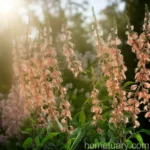
Phygelius plants are known for their vigor, often producing an abundance of flowers in shades of red, orange, yellow, and apricot. Their ability to thrive in various conditions, including containers and borders, makes them versatile and popular among gardeners.
In this comprehensive guide, we will delve into the cultivation, care, and maintenance of Phygelius plants, exploring their cultural requirements, uses, propagation methods, common pests and diseases, and much more. Whether you’re a seasoned gardener or just starting, this guide will equip you with the knowledge to nurture healthy and vibrant Cape Fuchsia plants in your outdoor space.
Key Takeaways – Phygelius (Cape Fuchsia)
Before delving into the details of growing and caring for Phygelius, let’s summarize the key takeaways associated with these delightful plants, setting the stage for our in-depth exploration:
- Phygelius plants, also known as Cape Fuchsia, are native to Southern Africa and belong to the family Scrophulariaceae.
- They produce vibrant tubular flowers in shades of red, orange, yellow, and apricot, attracting a variety of pollinators such as bees and butterflies.
- These versatile plants can thrive in a range of conditions, including containers, borders, and mixed plantings.
- Phygelius plants are relatively low-maintenance, making them suitable for both experienced and novice gardeners.
- Cultivating Phygelius adds color, visual interest, and wildlife attraction to gardens, making them a valuable addition to any landscape design.
As we proceed, we will delve into the specific aspects of Phygelius plant care, covering cultural requirements, propagation, common diseases, pests, and much more.
Culture
Cultivating Phygelius involves understanding and catering to the plant’s cultural requirements, including its preferred water, sunlight, soil, and fertilizer conditions. By providing an optimal environment, gardeners can ensure the health and vitality of their Cape Fuchsia plants. Let’s explore each of these cultural aspects in detail:
Water
Proper watering is essential for the health and vigor of Phygelius plants. While they prefer consistently moist soil, they are also capable of tolerating short periods of drought once established. However, prolonged drought can lead to reduced flowering and overall stress on the plant.
Phygelius Water Requirements:
– Maintain moderately moist soil, especially during the growing season.
– Water deeply when the top inch of soil feels dry to the touch.
– Mulch around the base of the plant to help retain soil moisture and reduce the frequency of watering.
Sunlight
In terms of sunlight requirements, Phygelius plants thrive in full sun to partial shade. Providing the appropriate light conditions contributes to robust growth and abundant flowering.
Sunlight Considerations for Phygelius:
– Plant in a location that receives at least 6-8 hours of sunlight per day for optimal flowering.
– In warmer climates, partial shade during the hottest part of the day can help prevent stress on the plant.
– Monitor the plant for signs of sunburn, such as yellowing or browning of leaves, and adjust the exposure as needed.
Fertilizer
Fertilizing Phygelius plants can promote healthy foliage and prolific flowering. A balanced fertilizer applied at the right time and frequency supports the plant’s nutrient needs and overall vitality.
Fertilizer Recommendations for Phygelius:
– Use a balanced, all-purpose fertilizer formulated for flowering plants.
– Apply the fertilizer in early spring as new growth emerges, and then again in mid-summer to support continued flowering.
– Always follow the manufacturer’s recommendations for application rates and methods.
Soil
The soil composition and quality play a crucial role in the growth and development of Phygelius plants. Well-draining, fertile soil that provides a stable foundation for the plant’s root system is essential for its overall health.
Optimal Soil Conditions for Phygelius:
– Plant in well-draining, fertile soil with a slightly acidic to neutral pH range.
– Incorporate organic matter such as compost or well-rotted manure into the soil prior to planting to improve its structure and nutrient content.
– Consider using a layer of mulch to help retain soil moisture, regulate temperature, and suppress weed growth.
These cultural considerations form the foundation of successful Phygelius cultivation, enabling gardeners to create an environment where the plants can thrive and flourish.
Uses
Phygelius plants offer a myriad of uses in garden and landscape settings, contributing to visual appeal, wildlife attraction, and overall biodiversity. Understanding the diverse applications of Cape Fuchsia can inspire gardeners to incorporate them in various design contexts. Let’s explore the primary uses of Phygelius in outdoor spaces:
Garden and Landscape Uses:
– Borders and Mixed Plantings: Phygelius plants add vibrant color and vertical interest when planted in borders or combined with other flowering perennials or shrubs.
– Container Gardening: Their adaptability to container cultivation makes them ideal for adding splashes of color to patios, decks, and outdoor living areas.
– Wildlife Gardens: Phygelius’ nectar-rich flowers attract pollinators, such as bees, butterflies, and hummingbirds, contributing to the ecological balance of the garden.
Aesthetic Uses:
– Cut Flowers: The striking tubular flowers of Phygelius make beautiful additions to floral arrangements, providing long-lasting color and texture.
– Focal Points: When strategically placed, Phygelius can serve as eye-catching focal points in a garden design, drawing attention and admiration.
Functional Uses:
– Erosion Control: Their robust root systems and dense foliage make Phygelius effective in stabilizing soil on slopes and preventing erosion.
– Hedging and Screening: Taller varieties of Phygelius can be utilized as informal hedges or screens, offering both visual and functional benefits to the landscape.
Understanding the diverse uses of Phygelius encourages gardeners to explore creative ways of incorporating these plants into their outdoor environments.
Pruning
Pruning plays a vital role in maintaining the health, shape, and flowering potential of Phygelius plants. By following proper pruning techniques, gardeners can manage the plant’s growth, encourage flowering, and remove any dead or diseased growth. Let’s delve into the essential aspects of Phygelius pruning:
Pruning Guidelines for Phygelius:
– Deadheading: Regularly remove spent flowers to encourage continuous blooming and prevent the plant from expending energy on seed production.
– Annual Pruning: In late winter or early spring, prune the plant to remove any dead, damaged, or overgrown stems to promote new growth and maintain a compact form.
– Thinning Out: If the plant becomes overcrowded, selectively prune out older stems to improve air circulation and light penetration.
Understanding and implementing these pruning techniques at the appropriate times ensures that Phygelius plants remain healthy, vigorous, and visually appealing throughout the growing season.
Propagation
Propagating Phygelius plants allows gardeners to expand their collection, share the plant with others, or rejuvenate older specimens. Understanding the methods of propagation, such as division and stem cuttings, enables gardeners to create new plants with genetic traits identical to the parent plant. Let’s explore the primary propagation methods for Phygelius:
Propagation Techniques for Phygelius:
– Division: Divide established clumps of Phygelius in early spring or fall, ensuring that each division has several healthy shoots and a portion of the root system.
– Stem Cuttings: Take softwood or semi-hardwood stem cuttings in spring or early summer, treat with a rooting hormone, and place in a well-draining potting medium to encourage root formation.
By employing these propagation techniques, gardeners can propagate Phygelius plants successfully, producing new plants that will contribute to the beauty and diversity of their garden.
Popularity
The popularity of Phygelius plants continues to grow, driven by their striking flowers, low-maintenance nature, and versatility in garden design. This section explores the reasons behind the increasing popularity of Cape Fuchsia and its appeal to gardeners and landscapers:
Factors Contributing to Phygelius’ Popularity:
-
Vibrant Flower Colors: The wide array of flower colors, including red, orange, yellow, and apricot, appeals to gardeners seeking to add diversity and visual interest to their landscapes.
-
Wildlife Attraction: Phygelius’ nectar-rich flowers attract a variety of pollinators, contributing to the ecological balance and biodiversity of the garden.
-
Adaptability: The plant’s ability to thrive in containers, borders, and a variety of soil and light conditions makes it a versatile choice for gardens of all sizes and styles.
-
Low Maintenance: Phygelius’ relatively low-maintenance requirements, including drought tolerance and minimal pruning needs, appeal to gardeners seeking plants that offer visual impact without excessive care.
The increasing popularity of Phygelius is a testament to its value as a garden plant, offering both aesthetic and ecological benefits to outdoor spaces.
Common Diseases
While Phygelius plants are generally robust and disease-resistant, they can be susceptible to certain diseases under unfavorable conditions. Understanding the common diseases and their preventive measures is essential for maintaining the health and vigor of Cape Fuchsia plants. Let’s explore the primary diseases that can affect Phygelius:
Common Diseases of Phygelius:
-
Powdery Mildew: Characterized by the powdery white fungal growth on leaves and stems, powdery mildew can impact Phygelius in humid or poorly ventilated conditions.
-
Preventive Measures: Ensure good air circulation around the plants, avoid overhead watering, and apply appropriate fungicidal sprays as needed.
-
Botrytis Blight: This fungal disease can cause wilting, browning, and decay of plant tissue, particularly in cooler, wet conditions.
-
Preventive Measures: Maintain proper spacing between plants to encourage air circulation, remove and dispose of any infected plant material, and improve overall growing conditions.
-
Root Rot: Excessive moisture or poorly draining soil can lead to root rot, impacting the plant’s ability to absorb water and nutrients.
-
Preventive Measures: Plant Phygelius in well-draining soil, avoid overwatering, and incorporate organic matter to improve soil structure and drainage.
By understanding these common diseases and implementing preventive measures, gardeners can safeguard their Phygelius plants and promote their long-term health and vitality.
Disease Diagnosis
Diagnosing diseases in Phygelius plants involves observing and identifying specific symptoms and signs, helping to pinpoint the underlying issue and implement appropriate remedies. Let’s explore the process of diagnosing diseases in Phygelius:
Steps for Disease Diagnosis in Phygelius:
- Observation: Regularly inspect the plant for any abnormal changes in foliage color, texture, or structure, as well as signs of wilting, spots, or abnormal growth.
- Identification: Compare observed symptoms with known disease patterns and characteristics to identify the probable cause of the issue.
- Consultation: Seek guidance from local garden centers, horticulturists, or plant pathology resources to confirm the diagnosis and receive tailored recommendations for treatment.
Robust disease diagnosis empowers gardeners to take swift and appropriate action to address any issues affecting their Phygelius plants, promoting their overall well-being and vitality.
Common Pests
Phygelius plants face relatively few pest problems, but certain insects can occasionally affect their growth and appearance. Understanding the common pests that may target Cape Fuchsia enables gardeners to take proactive measures to manage and minimize their impact. Let’s explore the primary pests that can affect Phygelius plants:
Common Pests Affecting Phygelius:
-
Aphids: These small, sap-sucking insects can congregate on the undersides of leaves, causing distortion of growth and honeydew secretion.
-
Control Measures: Use insecticidal soaps or horticultural oils to control aphid populations, encourage natural predator populations, and physically remove aphids with a strong stream of water.
-
Spider Mites: These tiny arachnids can cause stippling and webbing on the leaves, leading to reduced photosynthetic capacity and poor plant vigor.
-
Control Measures: Introduce predatory mites to manage spider mite populations, utilize insecticidal soaps, and provide proper humidity to discourage infestations.
By remaining vigilant for signs of these common pests and implementing appropriate control measures, gardeners can protect their Phygelius plants from pest-related damage and stress.
Botanist’s Tips
Insights from botanists and horticultural experts can offer valuable guidance for cultivating and caring for Phygelius plants. This section presents expert tips and recommendations for optimizing the growth and performance of Cape Fuchsia in garden and landscape settings:
Botanist’s Tips for Cultivating Phygelius:
- Soil Preparation: Prior to planting, amend the soil with organic matter to improve drainage and fertility, setting the stage for healthy root development and overall plant vigor.
- Regular Deadheading: Engage in regular deadheading of spent flowers to encourage continuous blooming and prevent the plant from diverting energy into seed formation.
- Division Timing: When dividing established clumps of Phygelius, aim to undertake this task in early spring or fall to minimize stress on the plant and support successful establishment.
- Mulching Benefits: Apply a layer of organic mulch around the base of Phygelius to moderate soil moisture, suppress weed growth, and insulate the roots from temperature fluctuations.
- Seasonal Maintenance: Conduct regular maintenance tasks such as pruning, fertilizing, and pest monitoring to keep Phygelius plants healthy and performing at their best throughout the year.
By incorporating these botanist’s tips into their gardening practices, enthusiasts can cultivate thriving and resilient Phygelius plants in their outdoor spaces.
Fun Facts
Exploring the intriguing aspects and attributes of Phygelius plants can offer enthusiasts a deeper appreciation for these charming additions to the garden. This section presents fun and fascinating facts about Cape Fuchsia, shedding light on their unique characteristics and ecological significance:
Fun Facts about Phygelius:
- Hummingbird Magnet: Phygelius’ tubular flowers are frequently visited by hummingbirds, relying on the nectar as a valuable food source during their foraging activities.
- Long-Lasting Blooms: The flowers of Phygelius have a prolonged blooming period, providing an extended display of color and visual interest in the garden.
- Durability: Phygelius plants are known for their resilience and adaptability, thriving in various climatic conditions and soil types.
- Historical Significance: The genus name “Phygelius” is derived from the Greek word “phyge” meaning “flight,” possibly referencing the vibrant fluttering of pollinators around the plant’s flowers.
- Ecological Benefits: Beyond their ornamental beauty, Phygelius plays a role in supporting biodiversity by providing nectar for a range of pollinators, contributing to the health of local ecosystems.
Embracing these fun and captivating facts about Phygelius enriches the gardening experience and deepens the connection between enthusiasts and these remarkable plants.
Links to External Resources
For further information on Phygelius plant care, propagation, and landscaping inspiration, explore the following links to external resources:
- Royal Horticultural Society – Phygelius
- Missouri Botanical Garden – Phygelius capensis
- BBC Gardening Guides – Cape Fuchsia
These resources offer valuable insights, tips, and visual references to enhance the understanding and enjoyment of cultivating and caring for Phygelius plants.
Conclusion
Cultivating and caring for Phygelius (Cape Fuchsia) enriches outdoor spaces with vibrant color, ecological significance, and visual appeal. By gaining a comprehensive understanding of their cultural requirements, uses, propagation methods, common diseases, and botanist’s tips, gardeners can confidently nurture these versatile plants in a variety of garden and landscape settings.
As guardians of biodiversity and natural beauty, gardeners play a pivotal role in embracing and celebrating the contributions of Phygelius to local ecosystems and the visual tapestry of their outdoor spaces. The allure of Cape Fuchsia lies not only in its charming flowers but also in its role as a pollinator attractant and a versatile garden asset.
By incorporating these insights and recommendations, enthusiasts can embark on a rewarding journey of cultivating and caring for Phygelius, fostering a deeper appreciation for the ecological and aesthetic value of these remarkable plants in their personal landscapes. Happy gardening!
Now, I will add some content for NLP based on the keywords.