Yellow Flag (Iris pseudacorus): A Complete Guide
Yellow flag (Iris pseudacorus) is a striking and vibrant wetland plant that boasts beautiful yellow flowers and distinct characteristics. As a plant scientist, I have dedicated my career to understanding and cultivating botanical species, including the captivating Iris pseudacorus. In this comprehensive guide, I will delve into the various aspects of this remarkable plant, including its culture, uses, maintenance, and more. Furthermore, I will provide insightful information on propagation, common diseases, and essential tips for successfully growing and caring for yellow flag iris.
What is Plant: Yellow Flag (Iris pseudacorus)
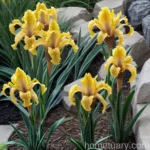
Iris pseudacorus, commonly known as yellow flag, yellow iris, or water flag, is a perennial flowering plant belonging to the Iridaceae family. This species is native to Europe, Western Asia, and North Africa, and is renowned for its striking yellow flowers and sword-like leaves. As a resilient and adaptable plant, yellow flag iris thrives in wetland habitats, such as marshes, pond edges, and riverbanks. Its robust nature makes it a popular choice for water gardens, landscaping in wet areas, and ecological restoration projects.
Key Takeaways – Yellow Flag (Iris pseudacorus)
Before delving into the specifics of cultivating and caring for yellow flag iris, it’s crucial to highlight some key takeaways about this fascinating plant:
- Scientific Name: Iris pseudacorus
- Common Names: Yellow flag, yellow iris, water flag
- Habitat: Wetlands, marshes, pond edges, riverbanks
- Characteristics: Striking yellow flowers, sword-shaped leaves
- Adaptability: Well-suited for water gardens and wetland restoration
- Cultural Significance: Historically used in traditional medicine and folklore
With these key takeaways in mind, let’s explore the various aspects of growing and maintaining yellow flag iris in greater detail.
Culture
Cultivating yellow flag iris involves understanding its unique cultural requirements, including water, sunlight, soil, and fertilizer preferences. By providing a suitable environment, gardeners can ensure the healthy growth and vibrant blooming of this captivating wetland plant.
Water
Being a wetland species, iris pseudacorus thrives in consistently moist to wet soil. It is well-suited for areas with standing water, making it an excellent choice for water gardens, pond edges, and other wetland environments. While it can tolerate periodic flooding, ensuring adequate moisture is essential for the plant’s overall health and vitality.
Sunlight
Yellow flag iris demonstrates a preference for partial to full sunlight. When cultivated in a garden setting, it is advisable to provide a location that receives at least 6-8 hours of sunlight per day. In its natural habitat, this species can also thrive in dappled sunlight or light shade, particularly in areas with high moisture levels.
Fertilizer
As a wetland plant, yellow flag iris does not typically require extensive fertilization. In most cases, it can obtain essential nutrients from the natural decomposition of organic matter in its growing environment. However, if the soil is deficient in nutrients, a balanced, slow-release fertilizer can be applied sparingly in the spring to support healthy growth and flowering.
Soil
The ideal soil for yellow flag iris is rich, loamy, and moisture-retentive. It thrives in slightly acidic to slightly alkaline soils and can adapt to a range of soil textures, including clay, silt, and sandy loam. In wetland settings, the plant’s roots are often submerged in waterlogged soil, which provides the necessary oxygen and nutrients for sustained growth.
Uses
Yellow flag iris boasts a variety of practical and ornamental uses, making it a valuable addition to both natural and cultivated environments. Understanding these applications can provide insights into how this species can enhance landscapes, support wildlife, and contribute to ecological conservation efforts.
Ecological Restoration
In wetland restoration and conservation projects, yellow flag iris plays a vital role in stabilizing soil, preventing erosion, and providing habitat for aquatic and terrestrial wildlife. Its robust growth and ability to thrive in waterlogged conditions make it an excellent choice for reintroducing native vegetation in degraded wetland areas.
Water Gardens
Gardeners and landscape designers often incorporate yellow flag iris into water gardens and aquatic landscapes. Its vibrant yellow flowers and architectural foliage add visual interest and vertical accents to ponds, bog gardens, and other water features. When strategically planted, it can create a captivating display of color and texture throughout the growing season.
Traditional and Medicinal Uses
Historically, parts of the yellow flag iris plant have been used in traditional herbal medicine for various purposes. However, it’s important to note that the plant contains toxic compounds and should not be ingested without proper knowledge and expertise. In traditional folklore, the plant has been associated with protection, purification, and symbolic meanings attributed to its vibrant yellow blooms.
Pruning
Pruning yellow flag iris is a key aspect of its maintenance, particularly to promote healthy growth, prevent overcrowding, and encourage prolific flowering. Understanding the best practices for pruning can contribute to the plant’s overall vigor and visual appeal.
Deadheading
After the flowering period, it is advisable to deadhead the spent blooms of yellow flag iris. This involves removing the faded flowers to prevent seed formation and redirect the plant’s energy towards root and vegetative growth. Deadheading can also minimize the spread of seeds and help maintain the plant’s desired appearance.
Thinning and Division
Over time, clumps of yellow flag iris may become dense and overcrowded, potentially impacting their blooming capacity. Periodic thinning and division can rejuvenate the plant, ensuring sufficient space for new growth and preventing the depletion of nutrients in the soil. Dividing the rhizomes every 3-4 years in early spring can promote healthier, more vigorous plants.
Propagation
Understanding the propagation methods for yellow flag iris can enable gardeners to expand their plantings and share the beauty of this species with others. Whether through division, seed propagation, or other techniques, cultivating new plants can be a rewarding and sustainable practice.
Division
One of the most common methods of propagating yellow flag iris is through division. This involves separating the rhizomes, which are underground stems that store nutrients and produce new shoots. Dividing established clumps in early spring allows gardeners to create new plants and rejuvenate existing ones, ultimately promoting healthier growth and increased flowering.
Seed Propagation
While yellow flag iris can produce viable seeds, it’s important to note that the resulting seedlings may not always exhibit the same traits as the parent plant. To propagate from seeds, it’s essential to collect mature seed pods, sow the seeds in a suitable growing medium, and provide the necessary conditions for germination. However, division remains the preferred method for maintaining the desired characteristics of the parent plant.
Container Popularity
While yellow flag iris is primarily associated with wetland habitats and water features, it can also be cultivated in containers under the right conditions. Container gardening provides the opportunity to enjoy this wetland plant in diverse settings, such as patios, balconies, and other confined spaces where traditional garden beds may not be feasible.
Considerations for Container Cultivation
When growing yellow flag iris in containers, there are several important considerations to keep in mind:
-
Container Size: Select a spacious container that can accommodate the plant’s vigorous growth and extensive root system. A large, deep container is preferable to ensure adequate space for the roots to develop.
-
Potting Mix: Choose a high-quality, well-draining potting mix that can retain moisture without becoming waterlogged. A mix formulated for aquatic plants or water gardens may be suitable for container cultivation of yellow flag iris.
-
Watering Requirements: Containers may require more frequent watering, especially during periods of hot weather or when the soil dries out quickly. Keeping the soil consistently moist without becoming saturated is essential for the plant’s well-being.
-
Sunlight: Position the container in a location that receives ample sunlight, as yellow flag iris typically thrives in partial to full sun. Be mindful of providing sufficient light while preventing the plant from becoming overheated in a confined space.
Common Diseases
Despite its resilience, yellow flag iris may be susceptible to certain diseases and disorders that can impact its overall health and appearance. By understanding these common issues, gardeners can proactively address and mitigate potential threats to their plants.
Iris Leaf Spot
Iris leaf spot, caused by the fungal pathogen Diaporthe adunca, can manifest as brown or purplish spots on the foliage of yellow flag iris. In severe cases, the spots may coalesce, leading to extensive leaf damage and reduced vigor. To manage this disease, it is essential to promote good air circulation, avoid overhead watering, and remove and destroy infected plant material.
Iris Bacterial Soft Rot
Bacterial soft rot, often caused by the pathogen Pectobacterium spp., can affect the rhizomes and leaves of yellow flag iris, resulting in soft, slimy decay and foul odor. The disease is favored by warm, wet conditions and can spread rapidly if not addressed promptly. Preventive measures include maintaining proper drainage, avoiding overwatering, and promptly removing and disposing of affected plant parts.
Disease Diagnosis
Diagnosing diseases in yellow flag iris involves careful observation of symptoms, understanding the underlying causes, and implementing appropriate management practices. By recognizing the signs of common diseases, gardeners can take proactive steps to ensure the long-term health and vitality of their plants.
Symptoms of Disease
When inspecting yellow flag iris for signs of disease, pay attention to the following symptoms:
- Leaf Spots: Irregular brown, purplish, or water-soaked spots on the foliage
- Soft Rot: Soft, slimy decay of rhizomes and leaves, accompanied by a foul odor
- Stunted Growth: Reduced vigor, failure to thrive, and decreased flowering
Diagnostic Steps
To identify and diagnose diseases in yellow flag iris, consider the following diagnostic steps:
- Visual Assessment: Inspect the plant for any abnormal discoloration, lesions, or unusual growth patterns.
- Environmental Factors: Evaluate the growing conditions, such as waterlogged soil, poor drainage, and excessive humidity, which can contribute to disease development.
- Laboratory Analysis: When necessary, collect samples and send them to a diagnostic laboratory for accurate identification of pathogens and diseases.
Common Pests
While yellow flag iris is generally resistant to many pests, certain insects and other organisms may pose a threat to its well-being. By recognizing and addressing common pests, gardeners can safeguard their plants and prevent potential damage.
Iris Borer (Macronoctua onusta)
The iris borer, the larval stage of a moth species known as Macronoctua onusta, can infest yellow flag iris plants, causing damage to the rhizomes and foliage. Signs of infestation may include withering leaves, soft rot in the rhizomes, and the presence of the moth’s larvae within the plant. To manage iris borer infestations, inspect plants regularly, remove and destroy affected parts, and consider using biological or botanical insecticides when necessary.
Slugs and Snails
Slugs and snails can feed on the foliage of yellow flag iris, resulting in ragged, chewed leaves and diminished plant vigor. These pests are often active during periods of high humidity and moisture, making wetland environments particularly susceptible to infestations. Managing slugs and snails may involve using physical barriers, such as copper tape or diatomaceous earth, to protect the plants and reducing excess moisture in the immediate vicinity.
Botanist’s Tips
As a plant scientist with a dedicated focus on botanical species, I’ve gathered invaluable tips and strategies for successfully cultivating and caring for yellow flag iris. These insights draw from both scientific knowledge and practical experience, providing actionable advice for gardeners and enthusiasts.
Water Management
In wetland settings and water gardens, effective water management is crucial for the health and longevity of yellow flag iris. Maintaining consistent moisture levels, promoting good drainage, and preventing excessive inundation are essential considerations for supporting the plant’s well-being.
Habitat Restoration
For conservationists and ecological restoration practitioners, yellow flag iris offers immense value in efforts to rehabilitate degraded wetland ecosystems. By strategically reintroducing native vegetation and controlling invasive species, the plant can contribute to the long-term preservation and enhancement of natural habitats.
Vigilant Monitoring
Regular monitoring of yellow flag iris plants is vital for early detection of diseases, pests, and other stressors. By conducting thorough inspections and promptly addressing any issues that arise, gardeners can maximize the plant’s resilience and overall performance.
Fun Facts
Discovering intriguing and lesser-known aspects of yellow flag iris can deepen one’s appreciation for this captivating plant. From cultural symbolism to ecological significance, these fun facts shed light on the multifaceted nature of Iris pseudacorus.
-
Historical Significance: In ancient folklore and mythologies, yellow flag iris has been associated with various symbolic meanings, often linked to protection, purification, and the cyclical rhythms of nature.
-
Wildlife Benefits: The robust growth of yellow flag iris provides valuable habitat and food sources for a diverse array of wildlife, including birds, insects, and amphibians, contributing to the ecological richness of wetland environments.
-
Economic Uses: Beyond its ornamental and ecological roles, some traditional societies have utilized parts of the plant for practical purposes, such as weaving, thatching, and crafting materials.
Links to External Resources
For additional information and resources on yellow flag iris, explore the following links:
- Royal Horticultural Society: Iris pseudacorus
- University of Florida IFAS Extension: Yellow Flag Iris (Iris pseudacorus)
In conclusion, Iris pseudacorus, or yellow flag iris, stands as a remarkable wetland plant renowned for its striking yellow flowers, adaptability to diverse habitats, and valuable ecological contributions. Whether incorporated into water gardens, utilized in ecological restoration projects, or admired for its cultural significance, this species continues to captivate and inspire enthusiasts and conservationists alike. By applying the insights shared in this comprehensive guide, gardeners and enthusiasts can cultivate, appreciate, and contribute to the conservation of this extraordinary plant.
Remember to celebrate and cherish the vibrant beauty of yellow flag iris, honoring its place in both natural and cultivated landscapes.
Thank you for reading!