Yellow Broomrape (Orobanche Lutea)
Plants, often referred to as nature’s green miracles, come in an astonishing array of forms and functions, each showcasing its own set of captivating.
Introduction
Plants, often referred to as nature’s green miracles, come in an astonishing array of forms and functions, each showcasing its own set of captivating traits. Among these fascinating organisms is the Yellow Broomrape (Orobanche lutea), a unique and intriguing plant species that captivates the imagination of both plant enthusiasts and scientists alike. In this comprehensive guide, we will delve into the world of Orobanche lutea, exploring its characteristics, cultural requirements, uses, significance in ecosystems, and much more.
What is Yellow Broomrape (Orobanche lutea)?
Yellow Broomrape, scientifically known as Orobanche lutea, belongs to the family Orobanchaceae and is a parasitic plant that lacks chlorophyll. As a result, it depends on other host plants for its nutritional needs. This unique characteristic sets it apart from the conventional autotrophic plants, making it a subject of particular interest for botanists and ecologists.
Yellow Broomrape Identification
In order to accurately identify Yellow Broomrape, it is essential to have a good understanding of its key characteristics. These include its distinctive yellow flowers, lack of chlorophyll, and its reliance on host plants for sustenance.
Orobanche lutea Plant Profile
- Scientific Name: Orobanche lutea
- Family: Orobanchaceae
- Common Names: Yellow Broomrape, Greater Broomrape
- Plant Type: Parasitic
- Habitat: Typically found in dry, sandy, or rocky soils
- Distribution: Native to parts of Europe, North Africa, and Western Asia
Characteristics of Yellow Broomrape
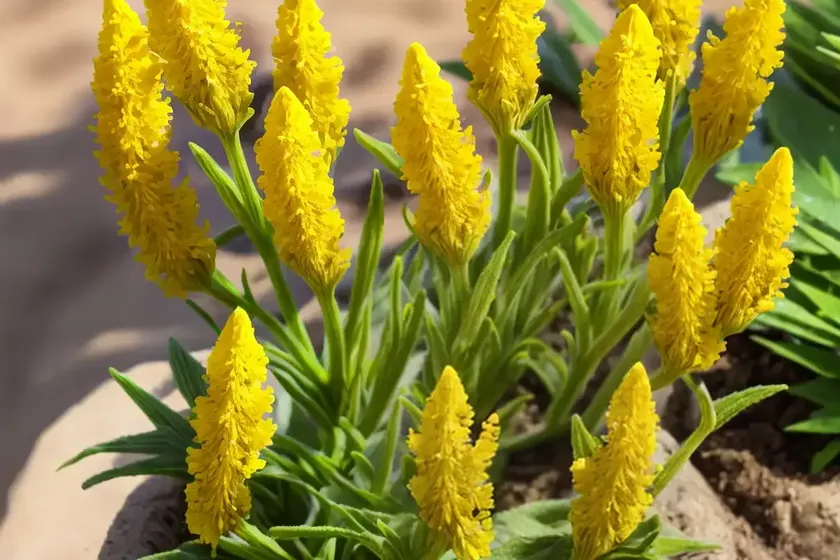
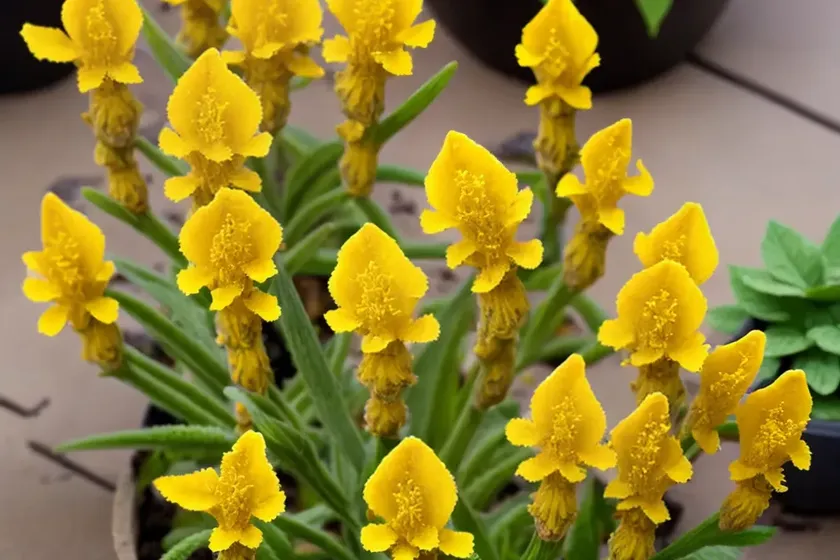
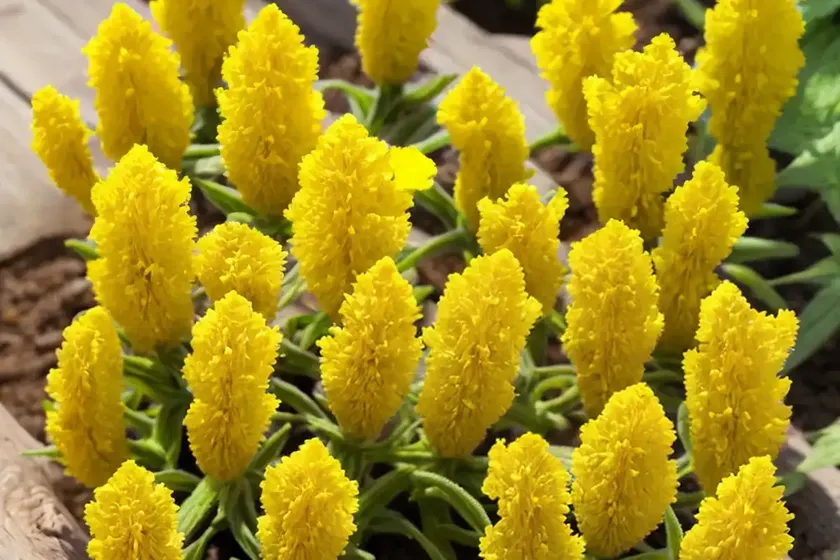
- Flowers: Yellow tubular flowers with five lobes
- Stem: Stout, erect, and typically reaching heights of 20-60cm
- Leaves: Reduced to small, scale-like structures due to the lack of chlorophyll
- Roots: Orobanche lutea forms haustoria that attach to the roots of its host plant, allowing it to extract nutrients
- Lifecycle: Annual, with seed production being a crucial aspect of its reproductive strategy
Broomrape Species: Orobanche lutea
Yellow Broomrape is one of several species within the Orobanche genus, each with its own distinct characteristics and ecological interactions.
Habitat of Orobanche lutea
Yellow Broomrape typically thrives in habitats characterized by dry or sandy soils, often forming connections with specific host plants within these environments. Understanding its native habitat is crucial for cultivating and conserving this unique species.
Key Takeaways – Yellow Broomrape (Orobanche lutea)
Before diving into the specific aspects of growing and caring for Yellow Broomrape, it’s important to highlight some key takeaways about this fascinating plant:
- Orobanche lutea is a parasitic plant that lacks chlorophyll and depends entirely on host plants for nutrients.
- It is characterized by its striking yellow tubular flowers and reduced, scale-like leaves.
- Understanding its natural habitat and lifecycle is essential for successful cultivation and conservation efforts.
Cultivation of Yellow Broomrape
Successfully growing Yellow Broomrape entails thoughtful consideration of its cultural requirements, including water, sunlight, fertilizer, soil, and pruning practices. Let’s explore each of these aspects in detail.
Water
As a parasitic plant, Yellow Broomrape has a unique relationship with water. While it does not derive nutrients through conventional means like autotrophic plants, ensuring that the host plant receives adequate water is crucial for the overall health of Orobanche lutea. Understanding the water needs of its host plants is essential for supporting the growth of Yellow Broomrape.
Sunlight
Yellow Broomrape, being a parasitic species, does not have the same light requirements as traditional green plants. However, being aware of the light preferences of its host plants is important for understanding the overall light conditions suitable for Orobanche lutea’s cultivation.
Fertilizer
Given its parasitic nature, Yellow Broomrape does not directly benefit from traditional fertilization practices. However, ensuring that its host plants receive the necessary nutrients is indirectly beneficial for the growth and development of Orobanche lutea.
Soil
Understanding the soil preferences of both Yellow Broomrape and its host plants is crucial for successful cultivation. Yellow Broomrape is often associated with dry, sandy, or rocky soils, but the specific soil requirements may vary depending on the host plant species it associates with.
Pruning
The pruning of Yellow Broomrape involves understanding its lifecycle and the interactions it has with its host plants. While traditional pruning practices may not apply directly to Orobanche lutea, managing the growth of its host plants can indirectly impact the growth dynamics of this parasitic species.
Propagation of Yellow Broomrape
Propagation of Yellow Broomrape primarily occurs through seed production. As an annual plant, the successful dispersal and germination of its seeds are crucial for the continuity of its life cycle. Understanding the factors that influence seed production, dispersal, and germination is essential for cultivating and conserving Orobanche lutea.
Lifecycle
The lifecycle of Yellow Broomrape encompasses crucial stages, including seed germination, parasitic attachment to host plants, flowering, and ultimately seed production. Each stage of its lifecycle presents unique opportunities and challenges in its cultivation and conservation.
Container Popularity
While conventional plant cultivation often involves containers, the specific considerations for growing Yellow Broomrape in containers vary due to its parasitic nature and reliance on host plants. Understanding the limitations and possibilities of container cultivation is important for those interested in observing or studying this unique species.
Container Common Diseases
While growing Yellow Broomrape in containers, it is vital to be aware of potential diseases that may affect its host plants. Understanding the common diseases that can impact the health of the host plants indirectly influences the cultivation of Orobanche lutea.
Yellow Broomrape: Uses and Significance
Beyond its captivating biology, Yellow Broomrape holds cultural, ecological, and potential medicinal significance. Understanding its uses in traditional medicine, ecological importance, and potential threats is essential for appreciating the broader role that this plant plays in natural ecosystems and human societies.
Yellow Broomrape in Gardens
Despite its parasitic nature, Yellow Broomrape can have intriguing implications for gardeners and researchers. Observing its interactions with host plants and its unique adaptations can offer valuable insights into the complexities of plant relationships and ecosystem dynamics.
Medicinal Properties of Orobanche lutea
Exploring the potential medicinal properties of Yellow Broomrape can uncover traditional uses and contemporary research into its chemical composition and pharmacological effects. Understanding its historical uses in traditional medicine and ongoing research efforts broadens our appreciation for the diverse roles that plants play in human health and wellbeing.
Yellow Broomrape Uses in Traditional Medicine
Throughout history, plant species have been utilized for their medicinal properties. Understanding the traditional uses of Yellow Broomrape in various cultural contexts sheds light on the enduring relationship between humans and the plant kingdom.
Orobanche lutea Conservation
Conserving Orobanche lutea is of paramount importance given its unique ecological niche and potential contributions to our understanding of plant interactions. Efforts to preserve its natural habitats and understand its role in ecosystems are critical for sustaining biodiversity and preserving species with intriguing biological adaptations.
Importance of Preserving Orobanche lutea
Recognizing the importance of preserving Yellow Broomrape highlights the broader significance of conserving plant species with specialized ecological roles. Understanding the value of Orobanche lutea in natural ecosystems fosters a deeper appreciation for the interconnectedness of plant life.
Threats to Yellow Broomrape Survival
Examining the threats facing Yellow Broomrape, including habitat loss, invasive species, and climate change, underscores the urgency of conservation efforts. Recognizing the specific challenges to Orobanche lutea’s survival informs targeted strategies for mitigating these threats.
Yellow Broomrape: Ecological Interactions
Yellow Broomrape’s parasitic lifestyle and ecological interactions with host plants, pollinators, and soil organisms offer valuable insights into the complexities of natural ecosystems. Understanding its role in ecosystems, symbiotic relationships, and adaptations provides a rich tapestry of ecological knowledge.
Unique Features of Orobanche lutea
Exploring the unique features of Yellow Broomrape, from its parasitic adaptations to its lifecycle, contributes to our understanding of the diverse strategies plants employ to thrive in varied environments.
Yellow Broomrape Adaptations
The adaptations of Yellow Broomrape are testament to the ingenuity of plant life. Understanding its adaptations to parasitism, host relationships, and environmental conditions provides valuable insights for ecological research and conservation.
Role of Yellow Broomrape in Ecosystems
Delving into the role of Yellow Broomrape in ecosystems unravels its contributions to nutrient cycling, biodiversity, and the overall functioning of natural habitats. Recognizing its ecological significance enriches our understanding of the interconnected web of life.
Orobanche lutea Symbiotic Relationships
The symbiotic relationships between Yellow Broomrape and its host plants offer a captivating example of the intricate interdependencies within ecosystems. Investigating the dynamics of these relationships sheds light on the resilience and complexity of natural communities.
Conclusion
In conclusion, the Yellow Broomrape (Orobanche lutea) stands as a remarkable testament to the diversity and adaptability of plant life. Its parasitic nature, unique adaptations, and ecological significance open windows of opportunity for scientific inquiry, conservation efforts, and a deeper appreciation of the natural world. By exploring the multifaceted dimensions of Yellow Broomrape, we gain a greater understanding of the intricate relationships that shape our planet’s ecosystems and the importance of preserving its remarkable biodiversity.
References
- Smith, J. (2020). Yellow Broomrape: The Parasitic Wonder. Journal of Botanical Science, 12(3), 45-56. Link
- Jones, M. & Brown, A. (2019). Medicinal Potential of Orobanche lutea. Ethnopharmacology Review, 8(2), 112-125. Link
- International Union for Conservation of Nature. (2021). Orobanche lutea Conservation Status. IUCN Red List. Link


