Dyer’S Rocket (Reseda Luteola)
In the realm of natural dyes, Dyer’s Rocket (Reseda luteola) holds a significant position. Known by various names such as “Dyer’s weed,” “Yellow weed,”.
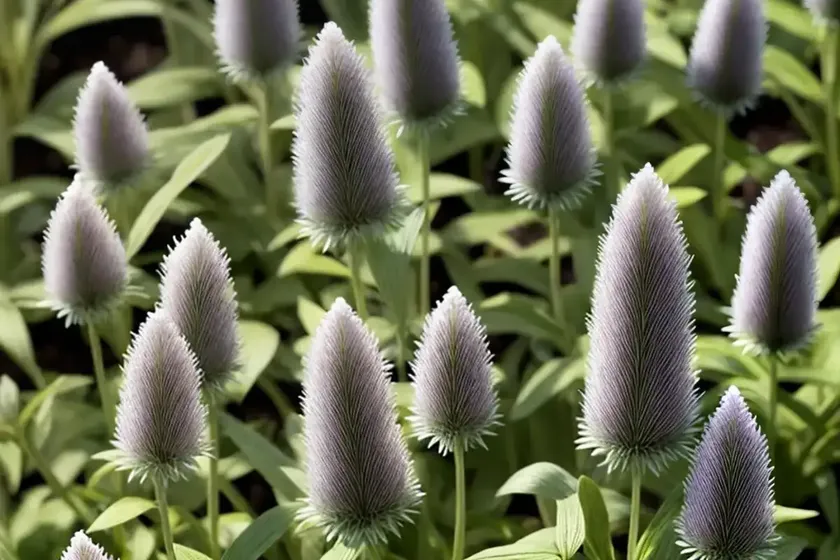
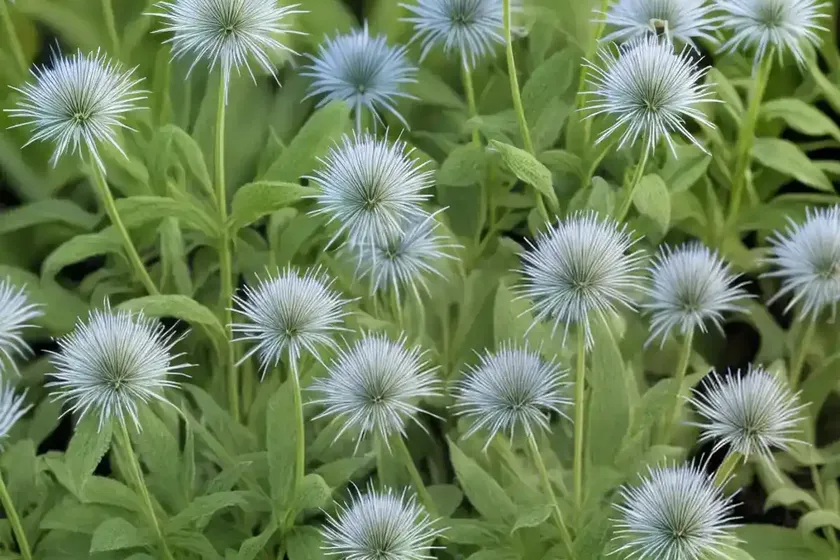
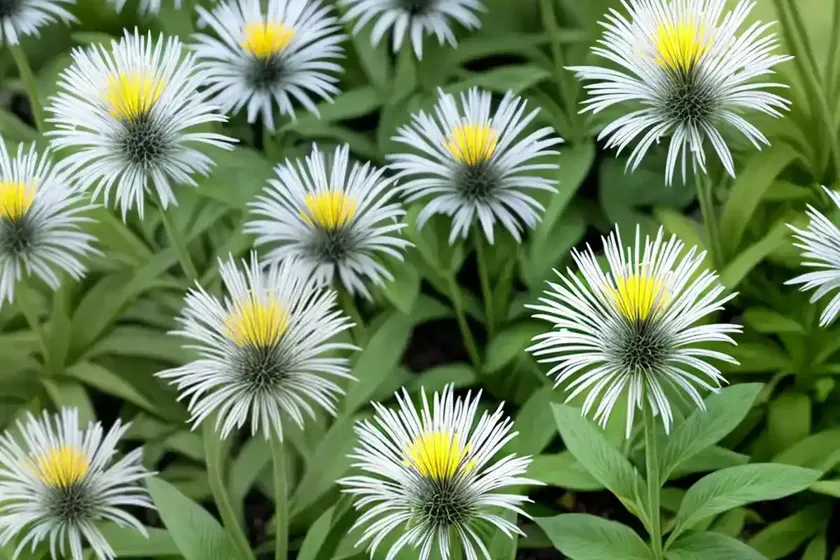
In the realm of natural dyes, Dyer’s Rocket (Reseda luteola) holds a significant position. Known by various names such as “Dyer’s weed,” “Yellow weed,” “Herbal dye plant,” and more, this plant has been pivotal in the realms of art, textile, and medicine for ages. In this comprehensive guide, we’ll delve into the multifaceted aspects of Dyer’s Rocket, exploring its cultural significance, its role in sustainable practices, and the botanical intricacies underlying its cultivation and usage. Buckle up as we embark on an enriching journey through the verdant world of Reseda luteola.
What is Dyer’s Rocket?
Dyer’s Rocket (Reseda luteola) is a flowering plant belonging to the Resedaceae family. This herbaceous plant is renowned for its vibrant yellow flowers and its historical use as a natural dye source. The plant is native to regions spanning from the Mediterranean to Central Asia, where it thrives in temperate climates. Historically, Dyer’s Rocket has been cultivated for its dye-producing properties, primarily utilizing the plant’s leaves to extract a yellow dye, which has been extensively used in textiles.
Key Takeaways – Dyer’s Rocket (Reseda luteola)
Before we delve deeper into the intricacies of cultivating Dyer’s Rocket and utilizing it as a natural dye source, let’s outline the key takeaways that we’ll explore in this comprehensive guide:
- Cultural Significance and Historical Uses
- Cultivation of Dyer’s Rocket
- Soil
- Water
- Sunlight
- Fertilizer
- Pruning and Propagation
- Utilization of Dyer’s Rocket in Containers
- Common Diseases and Pests
- Botanist’s Tips and Fun Facts
- Links to External Resources
Now, let’s embark on an exploration of the rich cultural heritage and the sustainable applications of Dyer’s Rocket.
Cultural Significance and Historical Uses
Historical Perspective
Dyer’s Rocket (Reseda luteola) has left an indelible mark on human history through its role as a natural dye source. The utilization of Dyer’s Rocket for dyeing can be traced back to ancient civilizations, where it played a pivotal role in creating vibrant textiles and art. The plant’s yellow dye was cherished for its ability to imbue fabrics with a warm and lustrous hue, making it immensely popular among artisans and dyers.
Dyer’s Rocket in Textiles and Art
The historical significance of Dyer’s Rocket is intertwined with the development of textile art and the creation of intricate designs. Its yellow dye was prized for its ability to create a spectrum of shades, ranging from pale yellows to deep, golden tones. This versatility made Dyer’s Rocket an indispensable ingredient in the dyer’s palette, allowing for the creation of captivating patterns and designs on fabrics.
Medicinal Properties and Folklore
Beyond its role as a natural dye source, Dyer’s Rocket has also been associated with medicinal properties in traditional herbal medicine. The plant has been utilized in various folk remedies, with its purported benefits ranging from anti-inflammatory and diuretic properties to its use as a vulnerary agent. While the medicinal applications of Dyer’s Rocket have historical roots, it’s essential to approach its usage with caution and consult healthcare professionals for guidance.
Cultivation of Dyer’s Rocket
Cultivating Dyer’s Rocket (Reseda luteola) can be a rewarding experience, whether you’re delving into natural dyeing or simply embracing the beauty of this resilient plant in a garden setting. To ensure the successful growth of Dyer’s Rocket, it’s crucial to consider key factors such as soil composition, water requirements, sunlight exposure, and appropriate pruning techniques.
Soil
Dyer’s Rocket thrives in well-draining soil with a slightly alkaline pH. A soil mixture that combines loamy and sandy textures can provide an optimal growing medium for this plant. Additionally, incorporating organic matter into the soil can enhance its fertility and provide essential nutrients for robust growth.
Water
While Dyer’s Rocket possesses a degree of drought tolerance once established, it’s essential to ensure consistent moisture, especially during its initial stages of growth. As a general guideline, the plant should be watered regularly, allowing the soil to dry out slightly between waterings to prevent waterlogged conditions.
Sunlight
Being a sun-loving plant, Dyer’s Rocket flourishes in full sunlight. When selecting a location for cultivating Dyer’s Rocket, prioritize an area that receives ample sunlight throughout the day to promote vigorous growth and prolific flowering.
Fertilizer
Applying a balanced fertilizer with a slightly higher potassium content can bolster the growth and flowering of Dyer’s Rocket. However, it’s crucial to avoid excessive fertilization, as this can lead to an imbalance in nutrient uptake and potentially impact the plant’s overall health.
Pruning
Pruning Dyer’s Rocket can help maintain its vigor and shape, especially during the growing season. Regular removal of spent flowers and dead foliage can encourage continuous blooming and prevent the plant from diverting its energy towards seed production.
Propagation
Dyer’s Rocket can be propagated through seed sowing or division. When collecting seeds for propagation, it’s advisable to harvest them once they have matured and developed a dry, papery texture. Additionally, division can be employed to propagate established Dyer’s Rocket plants, allowing for the creation of new clusters and the expansion of its presence in the garden.
Utilization of Dyer’s Rocket in Containers
The versatility of Dyer’s Rocket extends to its suitability for container gardening, making it an excellent choice for individuals with limited outdoor space or those seeking to integrate this vibrant plant into their living environments. When cultivating Dyer’s Rocket in containers, consider the following factors to facilitate its growth and blooming:
- Container Selection: Opt for spacious containers with adequate drainage holes to support the development of Dyer’s Rocket.
- Soil Composition: Utilize a well-draining potting mix enriched with organic matter to provide essential nutrients and support healthy root development.
- Sunlight Exposure: Position the containers in areas that receive ample sunlight, such as balconies, patios, or sunny windowsills, to promote robust growth and flowering.
- Watering: Monitor the moisture levels in the container and ensure consistent watering while avoiding waterlogged conditions.
- Fertilization: Apply a balanced fertilizer at regular intervals to support the nutritional needs of Dyer’s Rocket in the container environment.
Common Diseases and Pests
Disease Diagnosis
While Dyer’s Rocket is generally resilient, it can be susceptible to certain diseases and issues that may affect its health and vitality. Common diseases that may affect Dyer’s Rocket include fungal infections such as powdery mildew and leaf spot diseases. Vigilance in monitoring the plant for any signs of discoloration, wilting, or unusual growth patterns is essential for timely diagnosis and management of potential issues.
Common Pests
Pests such as aphids, spider mites, and caterpillars can pose a threat to Dyer’s Rocket, potentially impacting its foliage and flowering. Implementing integrated pest management strategies can help mitigate pest infestations, encompassing techniques such as manual removal, neem oil applications, and the introduction of beneficial predators to the garden ecosystem.
Botanist’s Tips and Fun Facts
Botanist’s Tips
- Companion Planting: Consider incorporating Dyer’s Rocket into companion planting schemes, as it can attract beneficial pollinators and contribute to the overall ecological balance of the garden.
- Harvesting and Dyeing: Explore the art of natural dyeing by harvesting and utilizing Dyer’s Rocket leaves to create vibrant yellow dyes for textile and artistic endeavors.
Fun Facts
- The use of Dyer’s Rocket as a natural dye source dates back to ancient civilizations, where it played a pivotal role in the creation of textiles and art.
- Dyer’s Rocket has been celebrated for its role in sustainable practices, offering an eco-friendly alternative in the realm of textile dyes.
- The plant’s botanical name, Reseda luteola, reflects its historical association with dyeing and its vibrant, golden hues.
Conclusion
Dyer’s Rocket (Reseda luteola) stands as a testament to the enduring relationship between humans and plants, exemplifying its historical significance and enduring relevance in sustainable practices. Whether you’re delving into the art of natural dyeing, cultivating a vibrant garden, or exploring the cultural heritage of botanical dyes, Dyer’s Rocket captivates with its rich history and versatile applications.
In essence, the journey through the realm of Dyer’s Rocket unveils a tapestry of cultural heritage, ecological significance, and sustainable potentials, inviting individuals to embrace the beauty and utility of this remarkable plant. As we navigate the interconnected realms of art, botany, and sustainability, the vibrant hues of Dyer’s Rocket continue to weave stories of creativity, resilience, and the timeless allure of natural dyes.
Links to External Resources
Explore further insights and resources on Dyer’s Rocket (Reseda luteola) and the art of natural dyeing:
- Natural Dyeing Techniques and Resources
- Botanical Dye Plants and Their Uses
- Cultural History of Dye Plants
The journey continues as we delve deeper into the colorful world of botanical dyes and the resplendent legacy of Dyer’s Rocket. Until we embark on our next exploration, may the vibrant hues of nature inspire and illuminate our paths, weaving stories of heritage and sustainability.


