

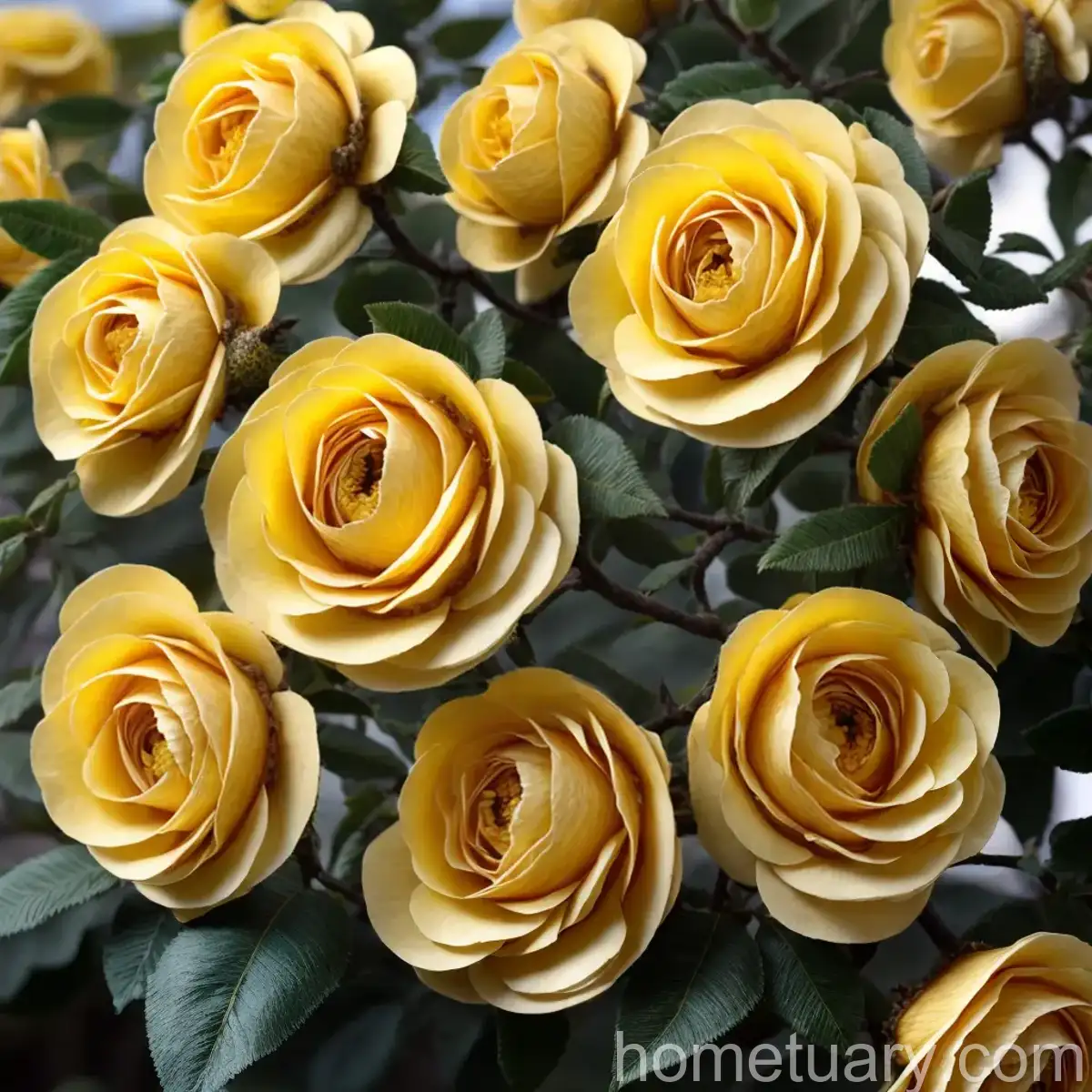
Yellow Banksia Rose (Rosa Banksiae ‘lutea’)
In the world of gardening and horticulture, roses have always held a special place. These iconic flowers come in various colors and forms, with each variety having its own unique charm. Among the diverse range of roses, the Yellow Banksia Rose, scientifically known as Rosa Banksiae ‘lutea’, stands out with its stunning yellow blooms and distinctive cultural attributes.
In this comprehensive guide, we will delve into the fascinating world of the Yellow Banksia Rose. From its cultural requirements to uses in landscaping, from common diseases to propagation techniques, this article will serve as a go-to resource for all rose enthusiasts and gardening aficionados.
What is Yellow Banksia Rose (Rosa Banksiae ‘lutea’)?
The Yellow Banksia Rose, a member of the Rosa genus, is an evergreen climbing rose variety. Known for its vigorous growth and abundant clusters of sunny yellow flowers, this rose cultivar has gained popularity among gardeners for its ornamental value and low maintenance. Originating in China, this rose variety has found its way into gardens and landscapes across the globe. Its botanical name ‘Rosa Banksiae’ pays homage to the wife of the famous botanist Sir Joseph Banks who was a plant collector and patron of natural sciences. ‘Lutea’ refers to the characteristic yellow hues of its blooms.
Key Takeaways
Before we delve into the specifics, here are some key takeaways about the Yellow Banksia Rose:
- Scientific Name: Rosa Banksiae ‘lutea’
- Type: Evergreen climbing rose
- Color: Yellow
- Fragrance: Light, sweet fragrance
- Cultural Traits: Vigorous growth, disease resistance
- Growth Habit: Climbing
- Special Features: Drought-resistant, shade tolerant
- Landscape Use: Suitable for trellises, walls, and fences
Now that we have an overview, let’s explore the detailed care and cultivation requirements for the Yellow Banksia Rose.
Culture
Cultivating the Yellow Banksia Rose requires an understanding of its specific cultural needs. From water requirements to sunlight preferences, here are the essential aspects of its care:
Water
As with any plant, water is an essential element for the growth and health of the Yellow Banksia Rose. Adequate watering is crucial, especially during its initial establishment and blooming periods. Here are some key points to consider for watering:
- Consistent Moisture: While the Yellow Banksia Rose is known for its tolerance to drier conditions, it thrives best when provided with consistent moisture, especially during the growing season and flowering period.
- Avoid Waterlogged Soil: Ensure that the soil has good drainage to prevent waterlogging, which can lead to root rot and other issues.
- Deep Watering: When watering, aim for deep soakings rather than frequent shallow waterings to encourage deep root establishment and resilience during dry spells.
Sunlight
Sunlight plays a vital role in the growth and flowering of the Yellow Banksia Rose. Here’s what you need to know about its sunlight requirements:
- Full Sun: Ideally, the Yellow Banksia Rose thrives in full sun, where it can receive at least 6 to 8 hours of direct sunlight daily.
- Shade Tolerance: While it prefers full sun, it also exhibits a degree of shade tolerance, making it suitable for partially shaded areas, especially in regions with intense summer heat.
- Light Intensity: In hotter climates, providing some protection from the harsh afternoon sun can benefit the plant, preventing sunburn and heat stress.
Fertilizer
Proper nutrition is essential for the Yellow Banksia Rose to support its vigorous growth and prolific flowering. The following points outline the key considerations for fertilizing this rose variety:
- Balanced Fertilizer: Apply a balanced, slow-release fertilizer formulated for roses and flowering plants. Look for formulations with a relatively balanced NPK ratio (nitrogen, phosphorus, and potassium) to support overall plant health and bloom production.
- Feeding Schedule: Initially, feed the rose in early spring as new growth emerges. Subsequent feedings may be necessary during the growing season, but avoid over-fertilization, as this can lead to excessive foliage growth at the expense of blooms.
- Organic Amendments: Incorporating organic matter, such as well-rotted compost, into the soil can enhance its fertility and contribute to the long-term health of the plant.
Soil
Understanding the soil preferences of the Yellow Banksia Rose is crucial for creating an ideal growing environment. Here’s what you need to know about its soil requirements:
- Well-Draining Soil: Like many roses, the Yellow Banksia Rose prefers well-draining, loamy soil that retains moisture without becoming waterlogged. Amending heavier soils with organic matter can improve drainage and structure.
- pH Range: Aim for a slightly acidic to neutral soil pH range, ideally between 6.0 to 6.5. Conducting a soil test can help assess the pH and nutrient levels of the planting site, guiding necessary amendments.
- Mulching: Apply a layer of organic mulch around the base of the plant to conserve moisture, suppress weeds, and provide a gradual release of nutrients as it decomposes.
Pruning
Pruning is an essential aspect of rose care, including the Yellow Banksia Rose. Proper pruning helps maintain the plant’s shape, health, and flowering potential. Here are the key points to consider when pruning this rose variety:
- Pruning Season: The Yellow Banksia Rose is best pruned in late winter or early spring, before new growth emerges. This timing allows for rejuvenation and shaping of the plant before the onset of the growing season.
- Deadheading: Regularly remove spent blooms by deadheading to promote continuous flowering and discourage the development of seed hips, which can divert energy from new growth and bloom production.
- Training and Support: As a climbing rose, the Yellow Banksia Rose benefits from training its long canes along trellises, arbors, or other supports, allowing for an elegant and controlled growth habit.
Propagation
Propagating the Yellow Banksia Rose allows for the expansion of its presence in the garden or landscape. Understanding the propagation techniques is valuable for enthusiasts seeking to multiply this rose variety. Here are the common propagation methods for the Yellow Banksia Rose:
- Softwood Cuttings: Propagate the Yellow Banksia Rose from softwood cuttings taken from healthy, actively growing stems. Root the cuttings in a well-draining propagation medium under controlled humidity and warmth.
- Layering: Another viable method involves layering, where a selected branch is partially buried in the soil, encouraging the development of roots at the buried node. Once rooted, the new plant can be separated and transplanted.
Container Popularity
The Yellow Banksia Rose’s vigorous climbing nature and stunning yellow blooms make it a popular choice for container gardening. When grown in containers, this rose variety brings beauty and fragrance to patios, balconies, and other outdoor spaces. Its adaptability to container culture allows gardeners with limited garden space to enjoy its charm.
Container Uses
Here are some common uses and considerations when growing the Yellow Banksia Rose in containers:
- Trellises and Supports: Provide sturdy trellises or supports for the potted plant to encourage its climbing habit and showcase its cascading blooms.
- Aesthetics: The bright yellow flowers and lush foliage of the Yellow Banksia Rose make it an appealing choice for enhancing the visual appeal of outdoor living areas.
- Portability: Containers offer the flexibility of relocating the plant to more favorable growing conditions, such as sheltered spots during extreme weather or for seasonal displays.
Container Cultivation
When cultivating the Yellow Banksia Rose in containers, several factors require attention to ensure optimal growth and performance:
- Container Size: Select a spacious container with adequate drainage holes to accommodate the rose’s expansive root system. A larger container also promotes stability as the plant climbs and matures.
- Potting Mix: Use a well-draining potting mix specifically formulated for roses or flowering plants. Periodic repotting or refreshing of the potting medium may be necessary to maintain soil quality.
- Watering and Fertilization: Container-grown roses may require more frequent watering and regular fertilization, as the limited soil volume and exposure to elements can impact their moisture and nutrient levels.
Common Diseases
Disease resistance is a notable trait of the Yellow Banksia Rose, but it is essential to be aware of the potential challenges to its health. Here are some common diseases that may affect this rose variety:
Disease Diagnosis
- Powdery Mildew: A fungal disease characterized by a powdery white growth on the leaves and stems. Providing good air circulation and avoiding overhead watering can help prevent this common issue.
- Black Spot: Identified by circular dark spots on the leaves, often with yellow halos. Maintaining good sanitation and moisture management can mitigate the impact of this fungal disease.
- Downy Mildew: This disease presents as yellow or purplish spots on the upper leaf surfaces and a whitish downy growth on the lower surfaces. Adequate spacing and avoiding overhead irrigation can help reduce its incidence.
- Rose Mosaic Virus: Symptoms include mottling and discoloration of the foliage. Preventing the spread of this virus requires proper sanitation and removal of infected plants.
Common Pests
While the Yellow Banksia Rose is generally resistant to many pests, it is still susceptible to some common garden nuisances. Here are the pests that may occasionally pose a threat to this rose variety:
- Aphids: These small, sap-sucking insects can weaken the plant and distort its growth. Natural predators and insecticidal soaps are effective for controlling aphids.
- Spider Mites: These tiny arachnids can cause stippling and webbing on the foliage. Regular monitoring and hosing down the plants can help manage spider mite infestations.
- Thrips: Thrips are slender insects that feed on the rose’s buds and flowers, causing them to become discolored and deformed. Predatory insects and selective insecticides can aid in controlling thrips populations.
Botanist’s Tips
Gathered from the insight of experienced botanists and horticulturists, here are some valuable tips for successfully growing and caring for the Yellow Banksia Rose:
- Support and Training: To showcase the climbing habit and abundant blooms of this rose variety, provide sturdy supports and periodically train its canes to shape its growth and maximize visual impact.
- Soil Preparation: Prior to planting, ensure the soil is well-prepared with adequate organic matter and drainage, setting the stage for healthy root development and overall plant vigor.
- Observation and Maintenance: Regularly monitor the plant for signs of pests, diseases, and nutrient deficiencies. Prompt attention to any issues can prevent their escalation and preserve the plant’s health.
Fun Facts
Here are some intriguing and delightful facts about the Yellow Banksia Rose that add to its allure and appeal in the garden:
- Fragrant Elegance: The Yellow Banksia Rose not only captivates with its charming yellow blooms but also delights with a light, sweet fragrance that enhances the garden’s ambiance.
- Historical Roots: The rose’s botanical name, ‘Rosa Banksiae’, commemorates the influential role of the spouse of Sir Joseph Banks, a renowned botanist and scientific patron, in the exploration and cultivation of this rose variety.
- Beacon of Hope: In the language of flowers, the color yellow symbolizes friendship, joy, and new beginnings, making the Yellow Banksia Rose a meaningful choice for gifting and symbolic plantings.
Links to External Resources
For further exploration and in-depth information about the Yellow Banksia Rose and related topics, the following external resources are recommended:
- American Rose Society: A leading authority on roses, offering valuable insights, educational materials, and resources for rose enthusiasts and gardeners.
- Royal Horticultural Society (RHS): As a renowned horticultural organization, RHS provides extensive guidance on growing roses, plant care, and gardening practices.
- University Extension Services: Various university extension services often publish valuable articles, guides, and research findings related to rose cultivation and plant health.
By integrating the expert knowledge and insights from these sources, gardeners can further enhance their understanding of the Yellow Banksia Rose and its broader horticultural context.
In conclusion, the Yellow Banksia Rose (Rosa Banksiae ‘lutea’) stands as a captivating and resilient climbing rose variety that embodies the beauty and grace often associated with roses. Its vibrant yellow blooms, coupled with its low-maintenance nature, make it a valuable addition to gardens, landscapes, and container displays. Understanding its specific cultural needs, disease resistance, and propagation techniques empowers gardeners to successfully cultivate and enjoy the timeless elegance of this remarkable rose.
Whether adorning trellises, brightening up walls, or gracing containers with its sunny presence, the Yellow Banksia Rose continues to enchant and inspire gardeners and rose aficionados worldwide.
References
- Beales, P. (2008). Classic Roses. Timber Press, Incorporated.
- Gudin, S. (2013). Roses Without Chemicals: 150 Disease-Free Varieties That Will Change the Way You Grow Roses. Workman Publishing.
- Thomas, G. S. (2013). Climbing Roses. Vero Verlag GmbH & Company.
- Rosarian’s Corner. (n.d.). Disease-Resistant Roses. American Rose Society. Retrieved from https://www.rose.org/disease-resistant-roses/
- Manners, Floris R. (1964). The Rose: A Treatise on the Cultivation, History, Family Characteristics, Etc., of the Various Groups of Roses, with Accurate Descriptions. Timber Press.




