Bergeranthus (Bergeranthus Multiceps)
Bergeranthus Multiceps is a remarkable succulent plant that has gained popularity among plant enthusiasts for its unique characteristics and ease of.
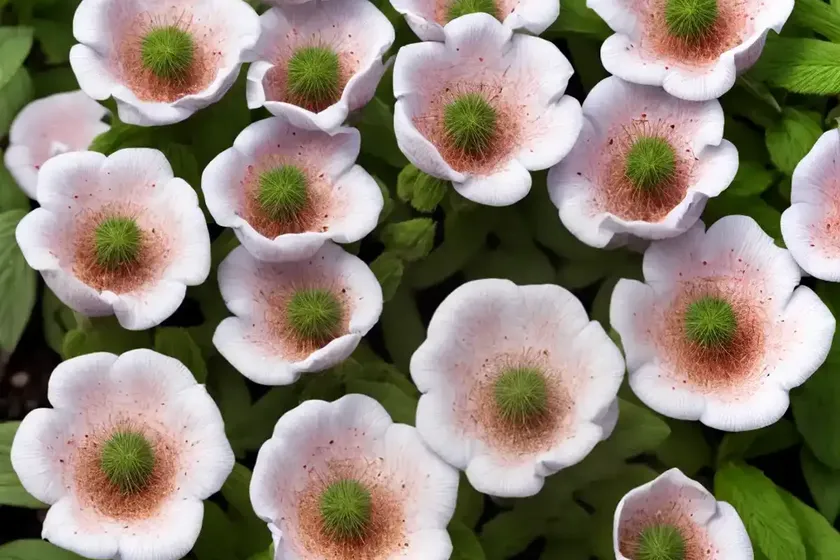
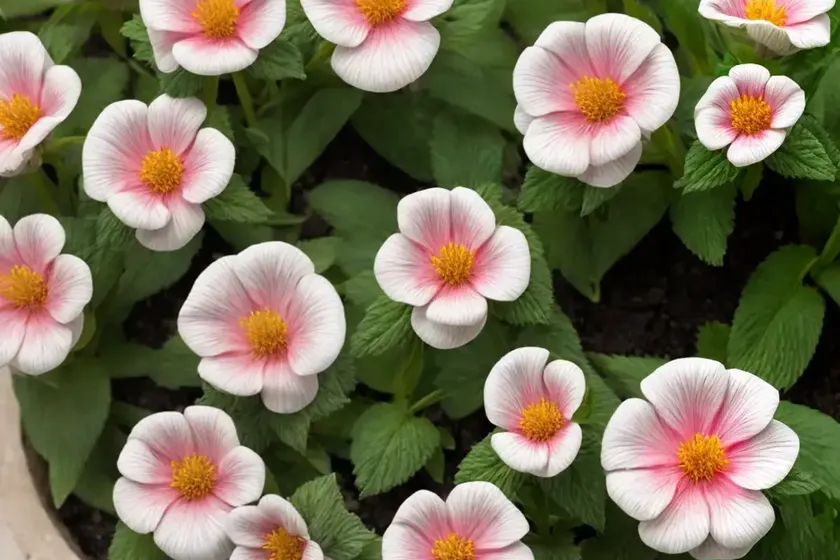
Bergeranthus Multiceps is a remarkable succulent plant that has gained popularity among plant enthusiasts for its unique characteristics and ease of cultivation. This blog post delves into the world of Bergeranthus, exploring its cultural preferences, uses, propagation techniques, common diseases and pests, as well as fun facts and botanist’s tips for its care. Whether you’re a seasoned succulent aficionado or a novice plant parent, this comprehensive guide will equip you with the knowledge to successfully cultivate Bergeranthus Multiceps and appreciate its beauty.
What is Bergeranthus (Bergeranthus Multiceps)?
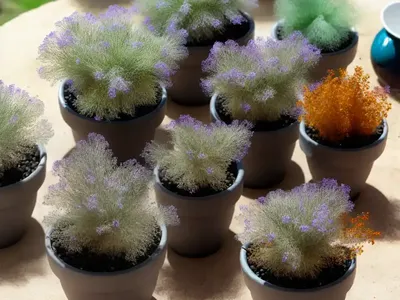
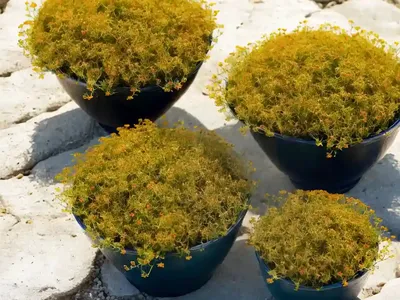
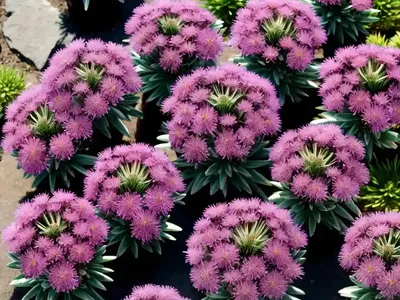
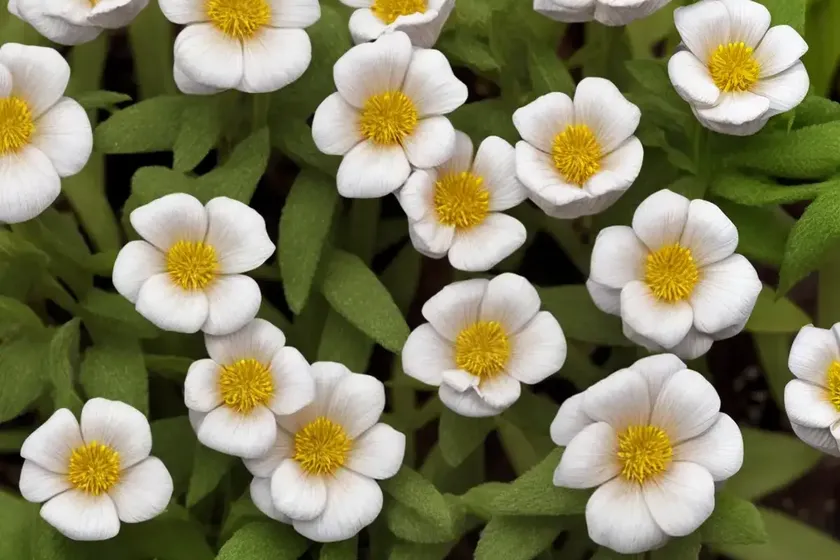
Bergeranthus Multiceps is a species of succulent plant that belongs to the Aizoaceae family. This resilient plant is native to the arid regions of South Africa, where it thrives in dry and rocky landscapes. Its distinctive features include compact, multi-headed growth with cylindrical, blue-green leaves, and small, daisy-like flowers that adorn the plant during the flowering season. Due to its low maintenance requirements and ornamental appeal, it has become a sought-after addition to both indoor and outdoor plant collections.
Key Takeaways – Bergeranthus (Bergeranthus Multiceps)
Before delving into the specific cultural requirements and care tips for Bergeranthus Multiceps, let’s outline the key takeaways that will be explored in detail throughout this blog post:
- Culture
- Uses
- Water
- Sunlight
- Fertilizer
- Soil
- Pruning
- Propagation
- Container
- Popularity
- Common Diseases
- Disease Diagnosis
- Common Pests
- Botanist’s Tips
- Fun Facts
- Links to External Resources
Now, let’s delve into each of these aspects in greater detail to gain a comprehensive understanding of Bergeranthus Multiceps and how to care for it effectively.
Culture
Understanding the cultural requirements of Bergeranthus Multiceps is fundamental to its successful growth and development. This section will illuminate the plant’s preferences when it comes to water, sunlight, soil, and fertilizer, providing a holistic overview of its cultural needs.
Water
One of the defining characteristics of succulent plants is their ability to store water in their leaves, stems, or roots, allowing them to survive in arid environments. Bergeranthus Multiceps follows this pattern, demonstrating a drought-tolerant nature that makes it well-suited to low-water conditions. When it comes to watering Bergeranthus Multiceps, it’s essential to adhere to a ‘soak and dry’ approach. This entails thoroughly watering the plant and allowing the soil to dry out completely before watering again. Overly moist conditions can lead to root rot, a common issue with succulents, so ensuring well-draining soil and infrequent but thorough watering is crucial for the plant’s health.
Sunlight
Bergeranthus Multiceps thrives in bright, indirect light and can even tolerate full sun exposure, especially in regions with mild temperatures. When cultivating Bergeranthus Multiceps indoors, it’s important to place it near a sunny window where it can receive ample natural light. Outdoors, ensuring that the plant receives sufficient sunlight is essential for its growth and flowering. However, in exceptionally hot climates, providing some protection from intense afternoon sun may be beneficial to prevent sunburn on the leaves.
Fertilizer
Succulent plants, including Bergeranthus Multiceps, have relatively low nutritional requirements and can thrive in nutrient-poor soils. When fertilizing Bergeranthus Multiceps, it’s advisable to use a specialized succulent fertilizer or a balanced, water-soluble fertilizer diluted to half-strength. Applying fertilizer sparingly during the growing season, typically in spring and summer, can support the plant’s growth without risking fertilizer burn or excessive nutrient accumulation in the soil.
Soil
The ideal potting mix for Bergeranthus Multiceps is well-draining and porous to prevent water stagnation around the roots. A recommended soil mix for succulents includes a combination of gritty components such as perlite, coarse sand, and peat-free compost. This blend promotes drainage while also providing some moisture retention to support the plant during dry periods. Additionally, ensuring that the chosen container has drainage holes is crucial to prevent waterlogging, which can compromise the plant’s health.
Uses
Beyond its ornamental value, Bergeranthus Multiceps has additional uses that contribute to its appeal as a plant worth cultivating. Understanding its potential applications can elucidate the diverse roles it can play in various settings, from gardens to therapeutic landscapes.
Pruning
Pruning Bergeranthus Multiceps is generally minimal, primarily focusing on removing dried or damaged leaves to maintain the plant’s aesthetic appearance and overall health. When pruning the plant, it’s essential to use clean and sharp tools to avoid causing unnecessary stress or damage. Additionally, removing spent flower stalks after the flowering season can redirect the plant’s energy towards new growth and future blooming.
Propagation
Propagating Bergeranthus Multiceps is an exciting aspect of succulent cultivation, offering the opportunity to expand a plant collection or share its beauty with fellow enthusiasts. The most common methods of propagating Bergeranthus Multiceps include leaf and stem cuttings, as well as division of offsets. Each technique has its own requirements and best practices, and successfully propagating Bergeranthus Multiceps can be a rewarding and educational experience for plant lovers.
Container
Given its compact growth habit and modest space requirements, Bergeranthus Multiceps is ideally suited for container cultivation. This section will provide insights into its container preferences, as well as tips for creating an optimal growing environment for the plant in a container setting.
Popularity
The popularity of Bergeranthus Multiceps has surged in recent years, with plant enthusiasts and collectors captivated by its unique appearance and undemanding care requirements. This segment will explore the factors contributing to its popularity and the reasons behind its appeal to a broad audience of plant lovers.
Common Diseases
While Bergeranthus Multiceps is relatively resilient and resistant to many common succulent diseases, it is not immune to certain issues that can impact its health and vigor. Understanding these potential diseases and their associated symptoms is essential for effective management and prevention.
Disease Diagnosis
Identifying and diagnosing diseases in Bergeranthus Multiceps is crucial for implementing timely and targeted interventions to mitigate the spread and impact of the disease. In this segment, we will delve into common diseases that affect Bergeranthus Multiceps and outline diagnostic steps to accurately assess and address potential health issues.
Common Pests
Like many succulent plants, Bergeranthus Multiceps may be susceptible to infestations by certain pests. Recognizing and addressing these pests proactively can safeguard the plant’s well-being and preserve its ornamental value. This section will highlight common pests that may affect Bergeranthus Multiceps and strategies for managing these issues effectively.
Botanist’s Tips
Drawing from the insights and expertise of botanists and succulent specialists, this section will offer a compendium of expert tips for caring for Bergeranthus Multiceps. From cultivation recommendations to troubleshooting advice, these tips will provide valuable guidance for nurturing this captivating succulent.
Fun Facts
To enrich your appreciation of Bergeranthus Multiceps, this segment will showcase intriguing and captivating facts about the plant, shedding light on its unique qualities and ecological importance. Uncover the fascinating world of Bergeranthus Multiceps through these delightful and educational fun facts.
Conclusion
Bergeranthus Multiceps stands out as a captivating succulent plant with alluring traits that contribute to its popularity and appeal. From its charming multi-headed growth habit to its drought-tolerant nature, there are numerous reasons to admire and cultivate this remarkable plant. By understanding its cultural requirements, uses, propagation techniques, and potential challenges, plant enthusiasts can elevate their care and appreciation for Bergeranthus Multiceps, fostering its health and vitality while relishing its ornamental presence.
Whether you’re a seasoned succulent aficionado or a newcomer to the world of plant cultivation, Bergeranthus Multiceps offers a wealth of opportunities for exploration and enjoyment. By applying the insights and guidance presented in this blog post, you can embark on a fulfilling journey of nurturing and celebrating the beauty of Bergeranthus Multiceps in your own botanical haven.
References
- “Bergeranthus Multiceps,” World of Succulents, Available at: https://worldofsucculents.com/bergeranthus-multiceps/
- “Succulent Plant Care – A Comprehensive Guide,” Dossier, Available at: https://dossier.co/succulent-plant-care-guide/
- “Aizoaceae,” SucculentGuide, Available at: https://succulentguide.com/families/aizoaceae/
- “Succulent Fertilizer: An Essential Guide,” Desert Plant Care, Available at: https://www.desertplantcare.com/succulent-fertilizer-guide/
- “Succulent Soil Mix – A Comprehensive Guide,” Sublime Succulents, Available at: https://www.sublimesucculents.com/succulent-soil-mix/
- “The Arid Lands Greenhouses,” Botanic Gardens & Arboretum, Available at: https://www.botanicgardens.org/research-collections/research/arid-lands-greenhouses