Yellow Archangel (Lamium Galeobdolon)
Some plants stand out for their unique characteristics, and one such plant is the Yellow Archangel (Lamium Galeobdolon). This versatile groundcover has.
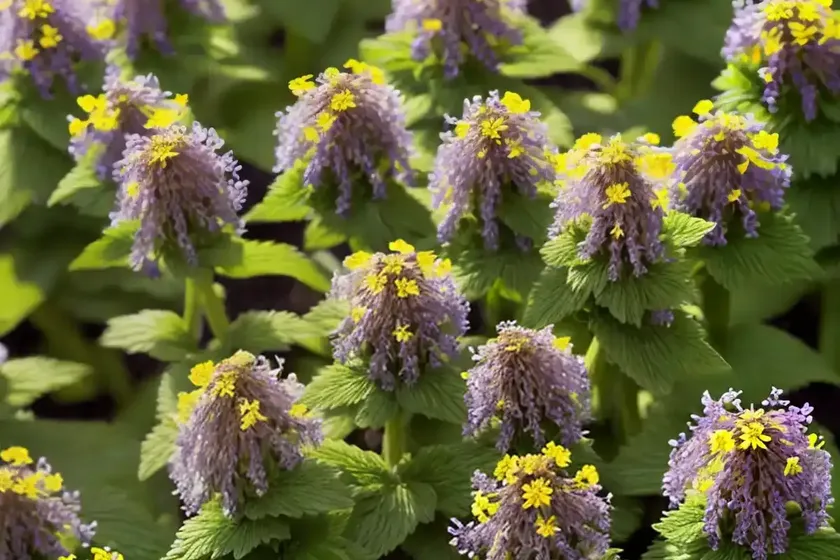
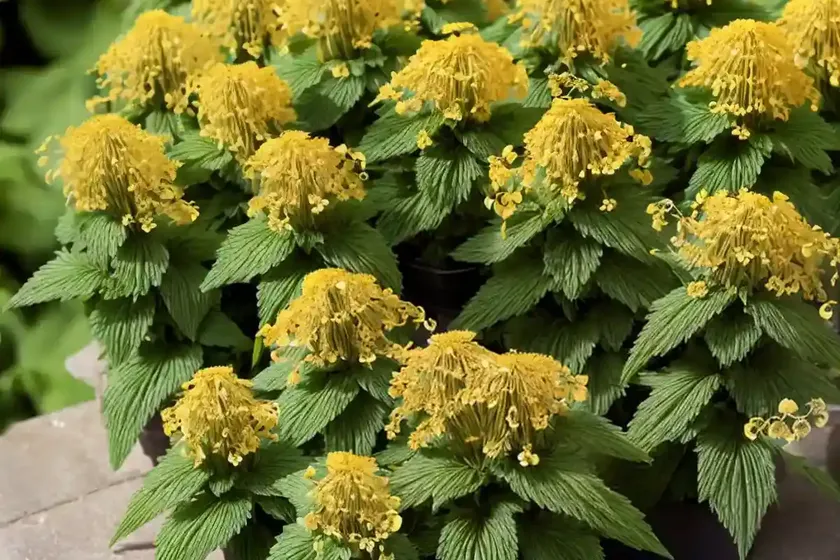
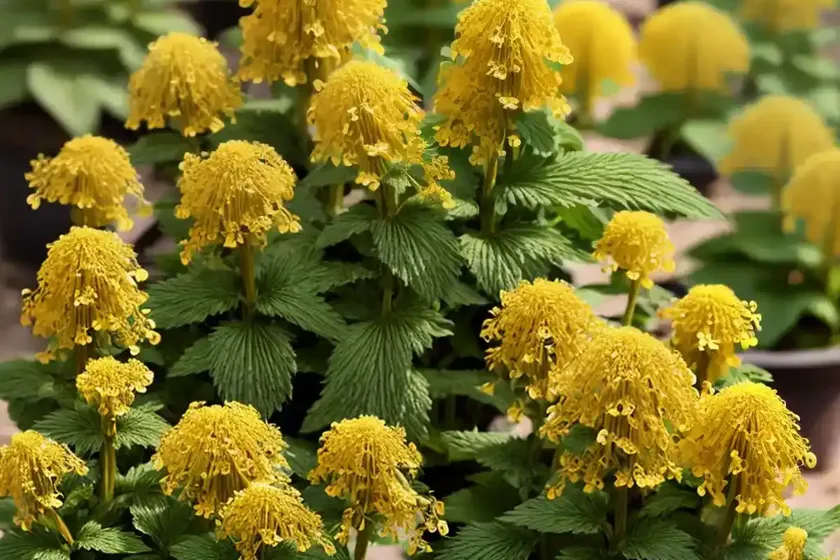
Some plants stand out for their unique characteristics, and one such plant is the Yellow Archangel (Lamium Galeobdolon). This versatile groundcover has captured the attention of both gardeners and plant enthusiasts due to its attractive appearance and various cultural uses. In this comprehensive guide, we will delve into the world of Yellow Archangel, exploring its cultural significance, care requirements, uses, and much more. Let’s embark on a journey to unravel the secrets of this remarkable plant.
What is Yellow Archangel?
Yellow Archangel, scientifically known as Lamium Galeobdolon, is a low-growing perennial plant belonging to the Lamiaceae family. This species is native to Europe and Western Asia, and it has also been naturalized in parts of North America. The plant is characterized by its heart-shaped, variegated leaves and clusters of hooded, yellow flowers that bloom in late spring to early summer.
Botanical Description
Before delving into the cultural and horticultural aspects of Yellow Archangel, let’s take a closer look at the botanical attributes of this fascinating plant.
- Scientific Name: Lamium Galeobdolon
- Common Names: Yellow Archangel, Golden Deadnettle
- Plant Type: Perennial
- Foliage: Variegated, heart-shaped leaves with silvery markings
- Flowers: Hooded, yellow flowers in clusters
- Growth Habit: Low-growing, spreading form
- Native Range: Europe, Western Asia
Now that we have acquainted ourselves with the basic botanical features of Yellow Archangel, let’s explore its cultural uses and significance.
Yellow Archangel in Culture
Historical Uses and Folklore Beliefs
Yellow Archangel has a rich historical background and holds cultural significance in various traditions. In medieval times, it was believed to possess magical properties and was often associated with protection and warding off evil spirits. The plant’s resilience and ability to thrive in shaded areas made it a symbol of strength and adaptability in folklore beliefs.
Traditional Medicinal Remedies
In traditional medicine, Yellow Archangel was utilized for its medicinal properties. The leaves were infused to make herbal teas, believed to have therapeutic effects in alleviating respiratory ailments and soothing sore throats. Additionally, the plant was used topically for its astringent properties.
Culinary and Cosmetic Uses
The culinary uses of Yellow Archangel extended to the realm of herbal teas and infusions, where the leaves were steeped to create flavorful beverages. Furthermore, the plant’s aromatic properties made it a popular choice for infusing fragrances and aromatic oils.
DIY Crafts and Natural Dyes
The vibrant foliage and flowers of Yellow Archangel have inspired various crafting endeavors. The plant’s natural dye source has been utilized to create dyes for fabrics, showcasing its versatility beyond the realms of gardening and horticulture.
Key Takeaways – Yellow Archangel (Lamium Galeobdolon)
Before delving into the intricacies of cultivating Yellow Archangel, let’s outline the key takeaways regarding this remarkable groundcover. To gain a comprehensive understanding of this plant, it’s crucial to explore its care requirements, uses, and characteristics.
Culture
Uses
- Ornamental plant for shaded areas
- Medicinal uses in herbal remedies
- Aromatic properties utilized in teas and cosmetics
- Source of natural dye for crafting endeavors
Water
Yellow Archangel thrives in well-draining, moist soil, and benefits from regular watering, especially during dry periods. However, it is essential to avoid waterlogged conditions, as excessive moisture can lead to root rot.
Sunlight
In terms of sunlight requirements, Yellow Archangel prefers partial to full shade. It excels in shaded areas, making it an ideal choice for underplanting in woodland gardens or shaded borders.
Fertilizer
While Yellow Archangel is relatively low-maintenance, a balanced, all-purpose fertilizer can be applied in early spring to support its growth and overall health. It’s essential to follow the recommended application rates to prevent over-fertilization.
Soil
The plant thrives in well-draining, humus-rich soil with a slightly acidic to neutral pH. Amending the soil with organic matter can enhance its moisture retention and overall fertility, creating an optimal growing environment for Yellow Archangel.
Pruning
Pruning is generally minimal for Yellow Archangel, primarily focusing on removing any dead or damaged foliage. Additionally, periodic trimming can help manage the plant’s growth and maintain its desired form.
Propagation
Yellow Archangel can be propagated through division or stem cuttings. Division is typically performed in early spring, while stem cuttings can be taken in early summer. Propagation allows for the expansion of the plant in garden settings or the creation of new specimens.
Container Popularity
The compact growth habit and adaptability of Yellow Archangel make it well-suited for container gardening. It can thrive in shaded patio containers or mixed planters, adding a touch of color and texture to outdoor living spaces.
Common Diseases
Yellow Archangel is generally resilient to diseases, although it may be susceptible to issues such as powdery mildew under prolonged periods of high humidity. Adequate spacing and proper air circulation can mitigate disease incidence.
Disease Diagnosis
Early detection and prompt intervention are crucial in managing potential diseases in Yellow Archangel. Monitoring the plant for symptoms such as powdery mildew or leaf spot can facilitate timely treatment to safeguard its health.
Common Pests
While Yellow Archangel is relatively pest-resistant, it may occasionally encounter challenges from aphids or spider mites. Regular inspection and proactive pest management practices can prevent infestations.
Botanist’s Tips
- Incorporate Yellow Archangel in shaded garden areas to add texture and color.
- Ensure proper soil moisture to support healthy growth and vigor.
- Consider companion planting with shade-loving species to create diverse and visually appealing landscapes.
Fun Facts
- The variegated foliage of Yellow Archangel adds visual interest to shaded settings.
- The plant’s historical uses in folklore highlight its cultural significance.
- Yellow Archangel’s resilience and adaptability make it a sought-after groundcover for various garden applications.
Now that we’ve covered the cultural uses and key takeaways regarding Yellow Archangel, let’s delve into the specifics of caring for this species in garden settings.
Yellow Archangel Care and Maintenance
Cultivating Yellow Archangel requires a nuanced understanding of its specific care requirements to foster its growth and optimize its ornamental value. From water and sunlight preferences to soil considerations and propagation methods, let’s explore the essential aspects of caring for Yellow Archangel.
Water
Yellow Archangel thrives in moist, well-draining soil. Regular watering is essential, particularly during dry periods, to maintain adequate soil moisture. However, it’s crucial to avoid waterlogged conditions, as excessive moisture can compromise the plant’s health.
Sunlight
As a shade-loving species, Yellow Archangel excels in partial to full shade. It is well-suited for shaded areas where it can illuminate the landscape with its variegated foliage and vibrant yellow flowers. When selecting planting locations, prioritizing shaded environments will ensure the plant’s optimal growth.
Fertilizer
While Yellow Archangel is relatively low-maintenance, providing a balanced, all-purpose fertilizer in early spring can promote its vigor and overall health. When applying fertilizer, it’s important to follow the recommended rates and avoid over-fertilization, which can potentially harm the plant.
Soil
Yellow Archangel thrives in well-draining, humus-rich soil with a slightly acidic to neutral pH. Amending the soil with organic matter, such as compost, can enhance its fertility and moisture retention, creating an optimal growing environment for the plant.
Pruning
Pruning for Yellow Archangel primarily involves the removal of dead or damaged foliage. Additionally, periodic trimming can help manage the plant’s growth and maintain its desired form. Pruning should be performed with clean, sharp tools to ensure precision and minimize the risk of damage to the plant.
Propagation
Yellow Archangel can be propagated through division or stem cuttings. Division is typically carried out in early spring, while stem cuttings can be taken in early summer. Propagation offers the opportunity to expand the plant in garden settings or create new specimens for additional planting locations.
Container Gardening
The compact growth habit and adaptability of Yellow Archangel make it well-suited for container gardening. When selecting containers, choose options with adequate drainage and sufficient space for the plant to thrive. Yellow Archangel can embellish shaded patios, balconies, or outdoor living spaces with its ornamental appeal.
Disease Management
While Yellow Archangel is generally resilient to diseases, it may encounter challenges such as powdery mildew under conditions of high humidity. Adequate spacing, proper air circulation, and proactive monitoring can contribute to disease prevention and management.
Pest Control
Yellow Archangel exhibits good pest resistance, although occasional encounters with aphids or spider mites may occur. Regular inspection and vigilant pest management practices can mitigate potential infestations and preserve the plant’s health.
Gardening Tips
Incorporating Yellow Archangel in shaded garden areas can introduce a splash of color and texture, enhancing the visual diversity of the landscape. Additionally, companion planting with other shade-loving species can create captivating combinations and enrich the garden’s aesthetic appeal.
Yellow Archangel – A Versatile Groundcover
Yellow Archangel, with its variegated foliage, vibrant flowers, and cultural significance, stands as a versatile groundcover that captivates the senses and adds visual interest to shaded landscapes. Whether utilized for its ornamental charm, cultural uses, or historical significance, this species has carved a niche in gardens and natural settings.
The intricate balance of caring for Yellow Archangel while respecting its cultural heritage and traditional uses unveils the harmony of horticulture and cultural appreciation. By understanding the plant’s water, sunlight, soil, and maintenance requirements, we can cultivate thriving specimens and honor the legacy of this remarkable groundcover.
In conclusion, Yellow Archangel, with its Lamium Galeobdolon species, embodies the fusion of botanical beauty, historical significance, and cultural relevance. As we continue to explore the boundless world of plants and their cultural connections, the resilience and adaptability of Yellow Archangel offer a compelling narrative that intertwines nature and tradition.
Let’s embark on a journey to discover the allure of Yellow Archangel, uncovering its cultural significance, horticultural applications, and botanical charm.
External Resources
- Royal Horticultural Society – Yellow Archangel Species
- Missouri Botanical Garden – Lamium Galeobdolon Profile
- The Plant List – Lamium Galeobdolon Species Record
The links above provide valuable insights and information on Yellow Archangel (Lamium Galeobdolon), offering in-depth botanical knowledge and horticultural guidance to enthusiasts and gardeners.


