The Fascinating World of Heucherella ‘Sweet Tea’ (Foamy Bells)
Plants are an integral part of our natural environment, offering beauty, sustenance, and a host of other benefits. Among the diverse array of plant species, Heucherella ‘Sweet Tea’, commonly known as Foamy Bells, stands out as a versatile and visually captivating plant. In this comprehensive guide, we will explore the various facets of this plant, including its cultural requirements, uses, ideal growing conditions, maintenance, and more.
Plant Name: Heucherella ‘Sweet Tea’ (Foamy Bells)
Heucherella ‘Sweet Tea’ is a hybrid plant that combines the characteristics of two genera, Heuchera and Tiarella. This unique combination results in a stunning plant with ornamental foliage and delicate flowers. The cultivar ‘Sweet Tea’ is particularly prized for its attractive leaves, which feature a mesmerizing blend of colors, and its adaptability to various growing conditions.
Key Takeaways – Heucherella ‘Sweet Tea’ (Foamy Bells)
Before delving into the specifics of cultivating and caring for Heucherella ‘Sweet Tea’, let’s outline the key takeaways associated with this remarkable plant:
- Plant Name: Heucherella ‘Sweet Tea’ (Foamy Bells)
- Cultural Requirements: Understanding the ideal conditions for nurturing this plant.
- Uses: Exploring the diverse applications of Heucherella ‘Sweet Tea’ in landscaping and gardening.
- Water: Managing the plant’s water requirements to ensure optimal growth.
- Sunlight: Determining the best sunlight conditions for nurturing ‘Sweet Tea’ Foamy Bells.
- Fertilizer: Providing the necessary nutrients for robust growth and vibrant foliage.
- Soil: Identifying the suitable soil characteristics for cultivating Heucherella ‘Sweet Tea’.
- Pruning: Implementing effective pruning techniques to maintain the plant’s health and aesthetics.
- Propagation: Exploring methods for propagating ‘Sweet Tea’ Heucherella.
- Container: Understanding the suitability of container gardening for this plant.
- Common Diseases: Recognizing and managing potential diseases that may affect Heucherella ‘Sweet Tea’.
- Common Pests: Addressing common pests that may pose a threat to the plant’s well-being.
- Botanist’s Tips: Gaining insights and recommendations from plant experts.
- Fun Facts: Discovering intriguing and little-known facts about ‘Sweet Tea’ Foamy Bells.
- Links to External Resources: Accessing additional information and resources for further exploration.
With an understanding of these key components, let’s embark on an in-depth journey into the world of Heucherella ‘Sweet Tea’ (Foamy Bells).
What is Heucherella ‘Sweet Tea’?
Heucherella ‘Sweet Tea’, also known as Foamy Bells ‘Sweet Tea’, is a captivating perennial plant renowned for its ornamental foliage and adaptability to various environmental conditions. This hybrid plant is a result of crossing species from the genera Heuchera and Tiarella, combining the distinctive traits of both parent plants. The resulting ‘Sweet Tea’ cultivar boasts a unique aesthetic appeal, making it a favored choice for landscaping, container gardening, and ornamental purposes.
Characteristics of Heucherella ‘Sweet Tea’
Foliage:
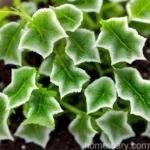
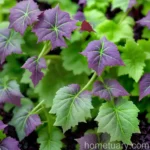
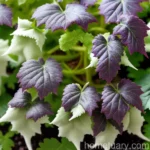
- The standout feature of Heucherella ‘Sweet Tea’ is its foliage, which showcases a captivating blend of colors. The leaves exhibit tones of amber, gold, and red, creating a warm and inviting display in garden settings.
- The intricate patterns and variegation on the foliage contribute to the plant’s visual allure, making it a focal point in any landscape or garden bed.
- Additionally, the foliage of ‘Sweet Tea’ Foamy Bells retains its vibrant appearance throughout the growing season, further enhancing its ornamental value.
Flowers:
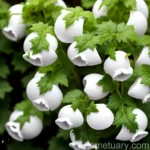
- While the primary attraction of Heucherella ‘Sweet Tea’ lies in its foliage, the plant also produces delicate, airy flowers on slender stems.
- The blossoms, often in shades of white or pale pink, provide an elegant contrast to the rich foliage, adding a touch of grace and charm to the overall appearance of the plant.
Growth Habit:
- ‘Sweet Tea’ Foamy Bells typically exhibits a mounding growth habit, creating rounded tufts of foliage that fill out beautifully in garden settings.
- The compact and lush growth of the plant makes it well-suited for borders, containers, and mixed perennial beds, adding texture and visual interest to the landscape.
Versatility:
- Heucherella ‘Sweet Tea’ showcases remarkable versatility, thriving in various environments ranging from shaded garden spots to partially sunny locations.
- Its adaptability to different lighting conditions makes it a valuable addition to landscaping projects, offering options for placement in a wide range of settings.
Environmental Suitability:
- With its tolerance for shade and moderate moisture levels, ‘Sweet Tea’ Foamy Bells is an asset in gardens with varying microclimates and light availability.
- The plant’s ability to thrive in shaded areas makes it especially desirable for adding vibrancy and color to spaces that may be challenging for other plant species.
The distinctive characteristics and adaptability of Heucherella ‘Sweet Tea’ make it a highly sought-after plant for both amateur gardeners and landscape professionals. Its ability to thrive in diverse conditions and its visual appeal contribute to its growing popularity in horticultural settings.
Cultural Requirements for Heucherella ‘Sweet Tea’
Understanding the cultural requirements of Heucherella ‘Sweet Tea’ is essential for creating an environment that fosters its optimal growth and development. From watering practices to soil composition, each aspect plays a crucial role in nurturing this distinctive plant. Let’s delve into the key cultural considerations for successfully cultivating ‘Sweet Tea’ Foamy Bells.
Water
Watering Frequency:
- Heucherella ‘Sweet Tea’ generally thrives in moderately moist conditions, making regular watering essential for its well-being.
- It is advisable to water the plant consistently, ensuring that the soil remains evenly moist without becoming waterlogged. This is particularly important during the plant’s establishment phase and in periods of prolonged dryness.
Soil Moisture Management:
- When determining the plant’s water needs, it is important to consider factors such as soil type, drainage, and local climate conditions.
- In areas with high temperatures and increased evaporation rates, supplemental watering may be necessary to maintain adequate soil moisture for ‘Sweet Tea’ Foamy Bells.
Sunlight
Light Requirements:
- Heucherella ‘Sweet Tea’ exhibits remarkable versatility in its light requirements, performing well in both shaded and partially sunny environments.
- While the plant thrives in partial shade, it can also tolerate periods of filtered sunlight, making it an adaptable choice for various garden and landscape settings.
Shade Gardening:
- The shade tolerance of ‘Sweet Tea’ Foamy Bells positions it as an excellent candidate for shade gardens, where it can infuse vibrant colors and visual interest into areas with limited direct sunlight.
Fertilizer
Nutrient Needs:
- Providing adequate nutrients is vital for promoting the health and vigor of Heucherella ‘Sweet Tea’. This includes a balanced supply of essential macronutrients and micronutrients necessary for robust growth and vibrant foliage.
- The application of a slow-release fertilizer designed for flowering perennials can support the plant’s nutritional requirements while minimizing the risk of overfeeding.
Fertilization Timing:
- Incorporating fertilizer during the plant’s active growth periods, such as early spring, can help enhance its overall performance and visual appeal.
- It is important to follow product-specific instructions and dosage recommendations when fertilizing ‘Sweet Tea’ Foamy Bells, ensuring that the plant receives the appropriate nutrients without being overwhelmed by excess fertilizer.
Soil
Soil Composition:
- Ideal soil for Heucherella ‘Sweet Tea’ is well-draining and rich in organic matter, providing a balanced environment for root development and nutrient uptake.
- An optimal blend of loam, organic compost, and aeration-promoting materials can create a favorable growing medium for ‘Sweet Tea’ Foamy Bells, supporting its overall health and vitality.
pH Considerations:
- While ‘Sweet Tea’ Heucherella is adaptable to a range of soil pH levels, a slightly acidic to neutral pH (6.0-7.0) is often recommended for promoting optimal nutrient availability and root health.
The cultural requirements outlined above serve as foundational elements in creating a nurturing environment for Heucherella ‘Sweet Tea’. By addressing factors such as water, sunlight, fertilization, and soil composition, gardeners and enthusiasts can establish the conditions necessary for the plant to thrive and flourish.
Uses of Heucherella ‘Sweet Tea’
Heucherella ‘Sweet Tea’ offers a multitude of applications in diverse gardening, landscaping, and ornamental contexts, showcasing its versatility and visual appeal. From garden beds to container plantings, the plant’s unique attributes make it a valuable addition to various settings. Let’s explore the diverse uses of ‘Sweet Tea’ Foamy Bells and its potential contributions to horticultural projects.
Garden Plantings
Border Planting:
- The attractive foliage and mounded growth habit of Heucherella ‘Sweet Tea’ make it well-suited for border plantings, creating visually striking edges and transitions within garden beds.
Mixed Perennial Beds:
- ‘Sweet Tea’ Foamy Bells harmonizes well with a variety of perennial companions, adding texture, color, and visual interest to mixed planting arrangements.
- Its adaptability to varying light conditions further enhances its value in mixed perennial beds, offering opportunities for creative landscape designs.
Container Gardening
Pot and Planter Displays:
- The compact growth and ornamental foliage of ‘Sweet Tea’ Heucherella make it an excellent choice for container gardening, where it can serve as a focal point in potted arrangements.
- Its tolerance for partial shade positions it as an ideal candidate for shaded patios, balconies, and outdoor living spaces.
Mixed Container Plantings:
- Incorporating ‘Sweet Tea’ Foamy Bells into mixed container plantings allows for the creation of visually dynamic and eye-catching displays, combining different textures and colors within a single container.
Ornamental Landscaping
Visual Accents:
- Whether used as standalone specimens or integrated into larger landscaping schemes, Heucherella ‘Sweet Tea’ contributes to the aesthetic appeal of ornamental landscapes, offering captivating foliage and seasonal blooms.
Focal Points:
- The unique color variations and texture of ‘Sweet Tea’ Foamy Bells position it as a natural focal point in garden settings, drawing attention and creating engaging visual experiences.
Ground Cover Applications
Shaded Areas:
- With its shade tolerance and lush growth habit, ‘Sweet Tea’ Heucherella is an excellent choice for providing ground cover in shaded and partially shaded areas of the garden.
Erosion Control:
- The dense foliage of ‘Sweet Tea’ Foamy Bells can be utilized to mitigate soil erosion in sloped or uneven terrain, stabilizing the ground while contributing to the visual appeal of the landscape.
Naturalizing Landscapes
Woodland Gardens:
- Incorporating Heucherella ‘Sweet Tea’ into woodland gardens adds vibrant color and texture, enriching the natural character of these environments while thriving in the dappled light conditions.
Wildlife Habitats:
- The nectar-rich flowers of ‘Sweet Tea’ Foamy Bells attract pollinators, contributing to the creation of wildlife-friendly habitats and supporting biodiversity within the landscape.
Seasonal Displays
Spring and Fall Appeal:
- The changing foliage colors of ‘Sweet Tea’ Heucherella throughout the seasons make it a valuable addition to seasonal garden displays, offering distinct visual interest in spring and fall landscapes.
Winter Interest:
- The semi-evergreen nature of Heucherella ‘Sweet Tea’ provides enduring visual appeal during the winter months, adding color accents and texture to the dormant landscape.
The diverse uses of Heucherella ‘Sweet Tea’ underscore its versatility and adaptability in various gardening and landscaping contexts. Whether employed as a standalone feature or integrated into larger planting schemes, the plant’s distinctive characteristics and aesthetic appeal contribute to its wide-ranging applications in horticulture.
Watering Heucherella ‘Sweet Tea’
Providing appropriate water management is crucial for promoting the health and vitality of Heucherella ‘Sweet Tea’ and supporting its lush foliage and seasonal blooms. Understanding the plant’s water requirements and implementing effective watering practices are fundamental aspects of its overall care. Let’s delve into the best approaches for watering ‘Sweet Tea’ Foamy Bells to ensure optimal growth and visual appeal.
Watering Guidelines
Consistent Moisture:
- Heucherella ‘Sweet Tea’ thrives in moderately moist conditions, necessitating regular and consistent watering to maintain soil moisture levels conducive to its well-being.
- Monitoring the moisture content of the soil is essential, particularly during periods of warm weather and low precipitation, to prevent the plant from experiencing drought stress.
Avoiding Waterlogged Soil:
- While ‘Sweet Tea’ Foamy Bells benefits from adequate moisture, it is important to avoid overwatering and waterlogged soil conditions, as excessive moisture can lead to root rot and other detrimental effects.
- The establishment of a well-draining soil environment through appropriate soil composition and cultivation practices is crucial for preventing waterlogging.
Watering Techniques
Deep Watering:
- When watering Heucherella ‘Sweet Tea’, the objective is to ensure that the moisture reaches the plant’s root system. Deep watering methods, such as applying water directly to the base of the plant, facilitate root development and hydration.
Mulching Benefits:
- Applying a layer of organic mulch around the base of ‘Sweet Tea’ Foamy Bells offers multiple benefits, including the conservation of soil moisture and protection of the root zone from excessive evaporation.
- Mulching helps regulate soil temperature and moisture, contributing to a more conducive environment for the plant’s growth and vitality.
Adjusting Watering Frequency:
- In response to fluctuations in local climate and weather patterns, adjusting the frequency of watering can help accommodate the changing water needs of ‘Sweet Tea’ Heucherella, ensuring that it receives adequate moisture throughout the growing season.
Seasonal Considerations
Spring and Summer Watering:
- During the active growth phases in spring and summer, ‘Sweet Tea’ Foamy Bells may require more frequent watering to support its foliage development and flowering.
- The onset of warmer temperatures and increased sunlight levels can elevate the plant’s water requirements, necessitating vigilant attention to soil moisture levels.
Fall and Winter Watering:
- As the growing season transitions into fall and winter, adjustments to the plant’s watering regimen may be necessary to align with reduced evapotranspiration rates and cooler temperatures.
- While ‘Sweet Tea’ Heucherella may require less frequent watering during the dormant or semi-dormant periods, monitoring soil moisture remains important to prevent dehydration.
By adhering to these watering guidelines and techniques, gardeners can effectively manage the moisture needs of Heucherella ‘Sweet Tea’, fostering its well-being and contributing to the longevity of its captivating foliage and floral displays.
Sunlight Requirements for Heucherella ‘Sweet Tea’
Understanding the sunlight requirements of Heucherella ‘Sweet Tea’ is essential for creating optimal growing conditions that support the plant’s vitality and ornamental appeal. As a shade-tolerant perennial, ‘Sweet Tea’ Foamy Bells offers flexibility in its light preferences, culminating in versatile applications in various garden and landscape settings. Let’s explore the best practices for providing suitable sunlight conditions for this captivating plant.
Sunlight Adaptability
Partial Shade Preference:
- ‘Sweet Tea’ Heucherella thrives in partial shade, displaying its best growth and foliage coloration when placed in environments with filtered sunlight and dappled shade.
- The plant’s adaptability to partial shade positions it as an excellent choice for shaded garden spots, woodland settings, and areas with limited direct sunlight.
Tolerating Filtered Sunlight:
- While Heucherella ‘Sweet Tea’ primarily favors partial shade, it can also tolerate periods of filtered sunlight, allowing for placement in locations where it may receive intermittent light exposure throughout the day.
- The plant’s ability to adapt to varying light conditions offers additional flexibility in its utilization within landscape designs and gardening projects.
Sunlight Management
Assessing Light Levels:
- When selecting a location for ‘Sweet Tea’ Foamy Bells, it is important to assess the light levels in the intended planting area, identifying the presence of shade, filtered sunlight, or partial shade conditions.
- Understanding the specific light characteristics of the environment can facilitate informed placement decisions and create an optimal setting for the plant’s growth.
Providing Shade During Midday:
- In regions with intense midday sunlight and high temperatures, providing additional shade or protection during the peak hours of sunlight can benefit ‘Sweet Tea’ Heucherella, mitigating potential stress from excessive exposure.
Light Exposure Duration
Morning and Afternoon Light:
- The dynamic filtering of sunlight during the morning and afternoon hours can contribute to the favorable growth and appearance of ‘Sweet Tea’ Foamy Bells, allowing the plant to benefit from the beneficial aspects of both light periods.
Evening Shade:
- While tolerant of filtered sunlight, ‘Sweet Tea’ Heucherella may benefit from protection or shade during the late afternoon and evening, particularly in warmer climates, to prevent excessive drying and stress.
Seasonal Sunlight Variations
Adapting to Seasonal Changes:
- Recognizing and accommodating variations in sunlight levels across different seasons is essential for optimizing the growing environment for Heucherella ‘Sweet Tea’.
- While the plant’s shade tolerance remains consistent, adjustments in placement and light exposure can align with seasonal fluctuations in sunlight intensity.
Winter Light Considerations:
- During the winter months, ensuring that ‘Sweet Tea’ Foamy Bells receives adequate ambient light, even in shaded areas, contributes to preserving the plant’s foliage and visual appeal throughout the dormant season.
By incorporating these sunlight considerations into the cultivation of Heucherella ‘Sweet Tea’, gardeners and landscapers can create an environment that caters to the plant’s shade-tolerant nature and harnesses its aesthetic potential under diverse lighting conditions.
Fertilizing Heucherella ‘Sweet Tea’
Fertilization plays a pivotal role in nurturing the health and vigor of Heucherella ‘Sweet Tea’, providing essential nutrients that support robust growth, vibrant foliage, and seasonal flowering. Understanding the plant’s fertilization requirements and implementing appropriate feeding practices are integral to its overall care regimen. Let’s delve into the best approaches for fertilizing ‘Sweet Tea’ Foamy Bells to promote its well-being and ornamental value.
Nutrient Considerations
Balanced Fertilization:
- Providing a balanced supply of essential nutrients, including nitrogen, phosphorus, and potassium, is paramount for supporting the growth and performance of Heucherella ‘Sweet Tea’.
- A well-rounded fertilization approach helps maintain the plant’s physiological processes, including photosynthesis, nutrient uptake, and overall metabolic function.
Micronutrient Support:
- In addition to macronutrients, the incorporation of essential micronutrients, such as iron, manganese, and magnesium, complements the plant’s nutritional needs, ensuring comprehensive nutrient availability.
Fertilization Timing
Spring Fertilization:
- Administering fertilizer in early spring, as the plant enters its active growth phase, supplies the necessary nutrients to fuel foliage development and seasonal flowering in ‘Sweet Tea’ Foamy Bells.
- Selecting a slow-release or balanced granular fertilizer designed for flowering perennials can support the plant’s nutritional requirements over an extended period.
Midseason Boost:
- In instances where additional nutrient support is warranted, such as in garden settings with nutrient-poor soil or prolonged periods of rainfall, a midseason application of fertilizer can provide a beneficial nutritional boost to ‘Sweet Tea’ Heucherella.
Fertilization Techniques
Surface Application:
- Applying granular fertilizer evenly across the soil surface