Helenium ‘Moerheim Beauty’ (Sneezeweed)
Helenium ‘Moerheim Beauty’, commonly known as sneezeweed, is a stunning perennial plant that belongs to the Asteraceae family. Native to North America.
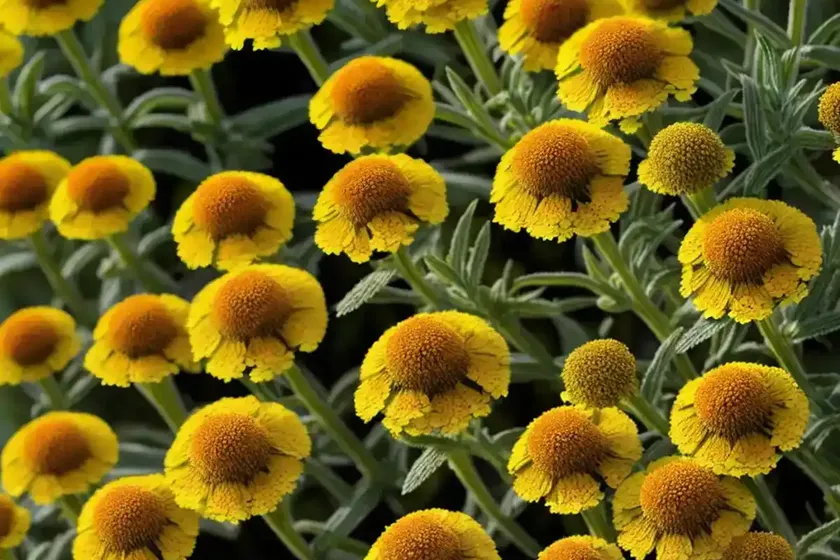
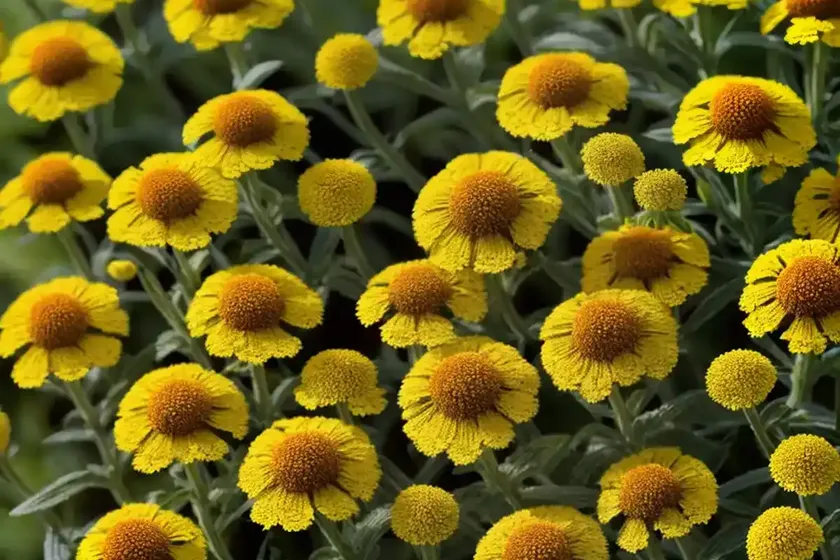
Helenium ‘Moerheim Beauty’, commonly known as sneezeweed, is a stunning perennial plant that belongs to the Asteraceae family. Native to North America, sneezeweed plants are known for their vibrant, daisy-like flowers that bloom in late summer and fall. The name “sneezeweed” might be misleading, as it does not cause allergies or induce sneezing but rather has a historical use in producing snuff, an inhalant tobacco product. This delightful plant offers not only aesthetic appeal but also a wealth of benefits for gardens and landscapes. This article will delve into the characteristics, cultivation, care, and uses of Helenium ‘Moerheim Beauty’, providing valuable insights for both novice and experienced gardeners.
Key Takeaways – Helenium ‘Moerheim Beauty’ (Sneezeweed)
Before delving into the specifics of Helenium ‘Moerheim Beauty’, let’s take a brief look at some of the key takeaways regarding this fascinating plant:
- Helenium ‘Moerheim Beauty’ is a perennial plant known for its vibrant, daisy-like flowers.
- It is a low-maintenance plant that is perfect for borders, wild gardens, and mixed flower beds.
- Sneezeweed plants thrive in full sunlight and well-drained soil, requiring minimal care once established.
- They are drought-tolerant and attract pollinators, making them a valuable addition to any garden.
- Helenium ‘Moerheim Beauty’ is an excellent choice for cut flower arrangements and is known for its long vase life.
Now, let’s delve deeper into the various aspects of Helenium ‘Moerheim Beauty’, from its culture and uses to maintenance and common diseases.
What is Helenium ‘Moerheim Beauty’?
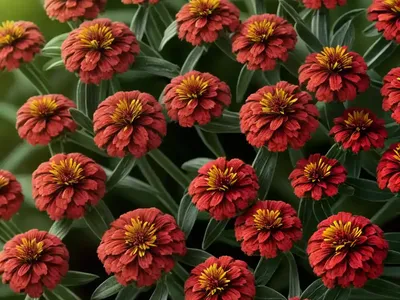
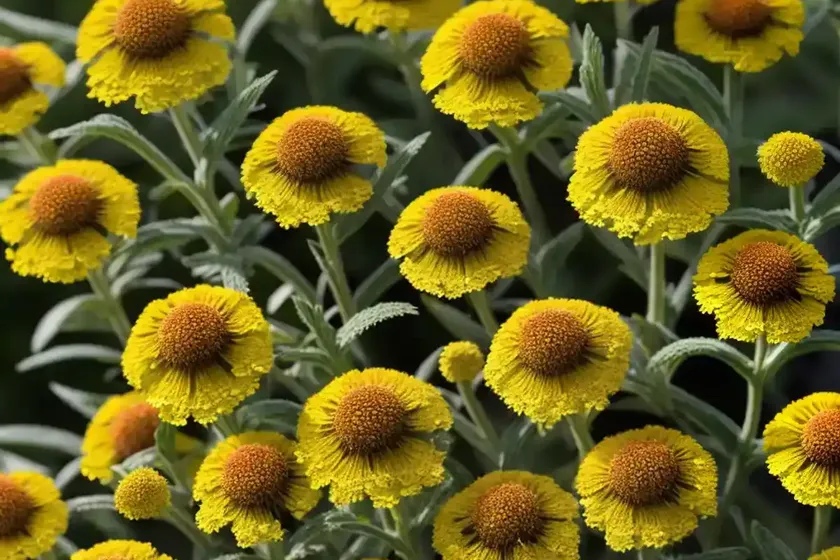
Helenium ‘Moerheim Beauty’, or sneezeweed, is a clump-forming perennial with an upright habit that typically grows 2-4 feet tall. The plant features narrow, lance-shaped leaves and produces an abundance of striking, daisy-like flowers in vibrant shades of coppery-red, orange, or yellow. The blooms of Helenium ‘Moerheim Beauty’ are characterized by prominent raised centers, adding an intriguing dimension to the overall appearance of the plant.
In terms of habitat, sneezeweed thrives in moist to moderately dry conditions and is commonly found in open meadows, prairies, and along stream banks. With its impressive tolerance to varying soil conditions, including clay and sandy soils, Helenium ‘Moerheim Beauty’ is a versatile plant that can adapt to different environments.
Culture
Water
Sneezeweed plants are relatively tolerant of drought conditions once established but benefit from regular watering, especially during the drier months. When planting Helenium ‘Moerheim Beauty’, it is important to ensure that the soil is kept consistently moist until the plant establishes itself. Once the plant sets its roots, it can withstand periods of reduced water availability.
Sunlight
Helenium ‘Moerheim Beauty’ thrives in full sunlight, making it an ideal choice for bright and sunny locations in the garden. While it can tolerate partial shade, the plant will produce more abundant flowers and maintain a more compact growth habit when grown in full sun.
Fertilizer
These plants have modest fertility requirements and generally do not require frequent fertilization. A balanced, all-purpose fertilizer applied in the spring as new growth emerges can help support healthy development and ample flowering. It’s important to avoid excessive fertilization, as this can lead to leggy growth and reduced flower production.
Soil
Sneezeweed plants prefer well-drained, moderately fertile soil. While they can tolerate a range of soil types, including clay and sandy soils, they perform best in loamy soil with good drainage. Incorporating organic matter into the soil prior to planting can help enhance soil structure and fertility, providing an optimal growing environment for Helenium ‘Moerheim Beauty’.
Pruning
Pruning is generally not required for sneezeweed plants, as they naturally maintain a tidy growth habit. However, deadheading the spent flowers can encourage prolonged blooming, while also preventing self-seeding. Additionally, cutting back the stems in late spring can promote bushier growth and prevent the plants from becoming too leggy.
Propagation
Sneezeweed plants can be propagated through division or by sowing seeds. Division is typically carried out in the spring or fall, and it involves separating the rhizomes to create new plants. When propagating from seeds, it’s best to sow them directly into the garden soil in the spring or fall, as sneezeweed seeds require a period of cold stratification to germinate successfully.
Container Popularity
Helenium ‘Moerheim Beauty’ is well-suited for container gardening, providing a burst of color and texture to patios, balconies, and other outdoor spaces. When selecting a container for planting sneezeweed, it’s essential to choose one with adequate drainage holes to prevent waterlogging. A well-draining potting mix formulated for outdoor container plants can provide the ideal growing medium for Helenium ‘Moerheim Beauty’ in a container setting.
Common Diseases
Like many plants, sneezeweed is susceptible to certain diseases, with powdery mildew and leaf spot being among the most common. Regular monitoring for symptoms of these diseases, such as white powdery patches on the foliage or dark spots on the leaves, can help in early detection and management. Proper spacing, adequate air circulation, and avoiding overhead watering can help mitigate the risk of these diseases.
Disease Diagnosis
Diagnosing diseases in sneezeweed plants involves careful observation of the foliage, stems, and overall plant health. Common symptoms of powdery mildew include powdery white spots on the leaves, while leaf spot diseases present as dark lesions or spots on the foliage. In addition to visual inspection, it may be helpful to consult with a plant pathologist or a local agricultural extension service for accurate disease diagnosis and management recommendations.
Common Pests
While sneezeweed plants are generally resistant to most pests, they can occasionally face infestations from aphids, spider mites, and caterpillars. Aphids can be identified by their small size and tendency to cluster on the undersides of leaves, while spider mites may cause stippling or discoloration of the foliage. Regular monitoring and early intervention, such as the use of insecticidal soap or neem oil, can help control pest populations effectively.
Botanist’s Tips
1. Promote Pollinator Diversity
Helenium ‘Moerheim Beauty’ serves as a valuable resource for pollinators, attracting bees, butterflies, and other beneficial insects to the garden. By incorporating sneezeweed plants into landscape designs, gardeners can contribute to the conservation of pollinators and support ecosystem health.
2. Companion Planting
Consider pairing Helenium ‘Moerheim Beauty’ with complementary plants to create visually appealing combinations in the garden. Plants such as ornamental grasses, coneflowers, black-eyed Susans, and Russian sage can complement the colors and growth habits of sneezeweed, enhancing the overall landscape design.
3. Seasonal Maintenance
While sneezeweed plants are low-maintenance, some seasonal practices, such as deadheading spent flowers and cutting back stems in the spring, can help prolong blooming and maintain a tidy appearance. Regular mulching and monitoring for diseases and pests are also essential components of seasonal care for Helenium ‘Moerheim Beauty’.
Fun Facts
- Cultural Significance: Historically, sneezeweed plants were used to produce a snuff, an inhalant tobacco product, hence the name “sneezeweed”. However, it’s important to note that the plant does not cause sneezing and is not associated with allergies.
- Long Vase Life: The flowers of Helenium ‘Moerheim Beauty’ have a long vase life, making them an excellent choice for cut flower arrangements and floral displays. They can add a pop of color to indoor spaces and last for an extended period when cut at the right stage of development.
Links to External Resources
For more information on Helenium ‘Moerheim Beauty’ and gardening in general, please refer to the following external resources:
- Royal Horticultural Society – Helenium ‘Moerheim Beauty’
- Missouri Botanical Garden – Sneezeweed (Helenium autumnale)
- University of Vermont Department of Plant and Soil Science – Helenium
In conclusion, Helenium ‘Moerheim Beauty’, or sneezeweed, stands out as a striking and beneficial addition to any garden or landscape. Its vibrant flowers, low-maintenance nature, and versatility make it a desirable choice for gardeners aiming to enhance their outdoor spaces with color, texture, and ecological value. Whether grown in the ground or in containers, these captivating plants have much to offer, from their aesthetic appeal to their role in supporting biodiversity. With proper care and attention, Helenium ‘Moerheim Beauty’ can thrive and continue to enchant with its charming blooms year after year.