The Versatile and Stunning x Heucherella Fun and Games® ‘Eye Spy’ (Foamy Bells)
Plants add beauty and vibrancy to our surroundings, and one such remarkable plant is the x Heucherella Fun and Games® ‘Eye Spy’ (Foamy Bells). This unique hybrid, created by combining Heuchera and Tiarella, exhibits captivating features and has become a favorite among gardeners and landscapers. In this comprehensive guide, we will delve into the intriguing world of x Heucherella Fun and Games® ‘Eye Spy’, exploring its characteristics, ideal growing conditions, maintenance requirements, and the various ways to incorporate it into your garden or landscape.
What is x Heucherella Fun and Games® ‘Eye Spy’?
x Heucherella Fun and Games® ‘Eye Spy’ is a striking perennial plant that is highly prized for its stunning foliage and versatile nature. It is a member of the Saxifragaceae family, a diverse group that includes numerous garden-worthy plants. This particular variety is a part of the Fun and Games® series, known for its exceptional attributes and visual appeal.
Heucherella ‘Eye Spy’ Description
The ‘Eye Spy’ variety of x Heucherella Fun and Games® is celebrated for its eye-catching foliage, which features a unique combination of colors and patterns. The leaves are a blend of bright lime green and deep red, creating a mesmerizing display that adds a vibrant touch to any garden or landscape. The distinct variegation and intricate markings make ‘Eye Spy’ a standout choice for those seeking a plant that can effortlessly elevate the visual appeal of outdoor spaces.
Foamy Bells Plant
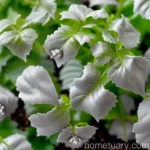
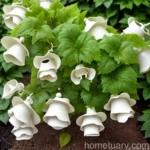
x Heucherella Fun and Games® ‘Eye Spy’ is often referred to as a Foamy Bells plant due to its resemblance to both Heuchera and Tiarella, the parents of the hybrid. The common name “Foamy Bells” aptly captures the delicate and airy appearance of the plant’s small, bell-shaped flowers that emerge on slender stems, adding an ethereal quality to its overall beauty. These charming blooms, typically seen in shades of creamy white or light pink, contribute to the plant’s allure and attract pollinators, enhancing the ecological value of the garden.
Key Takeaways – x Heucherella Fun and Games® ‘Eye Spy’
Before we embark on a detailed exploration of this enchanting plant, let’s outline the key takeaways that will guide our journey through the world of x Heucherella Fun and Games® ‘Eye Spy’.
- Plant Name: x Heucherella Fun and Games® ‘Eye Spy’ (Foamy Bells)
- Scientific Name: x Heucherella Fun and Games® ‘Eye Spy’
- Common Names: Foamy Bells, ‘Eye Spy’ Foamy Bells, ‘Eye Spy’ Heucherella
- Plant Type: Perennial
- Series: Fun and Games®
- Foliage Colors: Lime Green, Deep Red
- Flower Color: Creamy White, Light Pink
Now that we have a foundational understanding of x Heucherella Fun and Games® ‘Eye Spy’, let’s delve deeper into its world, starting with its cultural requirements.
Culture
Understanding the culture or cultural requirements of a plant is crucial for its successful growth and development. In the case of x Heucherella Fun and Games® ‘Eye Spy’, paying attention to its specific cultural needs will pave the way for a thriving and resplendent plant in your garden or landscape.
Uses
Garden Beds and Borders: x Heucherella Fun and Games® ‘Eye Spy’ can be showcased in garden beds and borders to add a pop of color and texture. Its vibrant foliage and delicate flowers make it an excellent choice for introducing visual interest and diversity into these areas.
Containers and Planters: This versatile plant thrives when grown in containers and planters, allowing you to create captivating displays on patios, balconies, and other outdoor spaces. Its compact size and ornamental features make it an ideal candidate for container gardening.
Groundcover: Due to its spreading habit and attractive foliage, ‘Eye Spy’ is well-suited for use as groundcover. It can create a lush carpet of foliage, effectively covering bare patches of soil and enhancing the visual appeal of the landscape.
Water
Proper watering is essential for the health and vigor of x Heucherella Fun and Games® ‘Eye Spy’. As with most plants, the key lies in maintaining a balance to prevent both drought stress and waterlogging.
Initial Establishment: During the initial phase of establishment, it is crucial to provide adequate moisture to help the plant acclimate to its new environment. Regular watering, ensuring that the soil remains consistently moist but not waterlogged, will support healthy root development and overall growth.
Established Plants: Once ‘Eye Spy’ is well-established, it displays good tolerance to moderate drought conditions. However, regular watering during dry spells is recommended to maintain its vigor and ensure the preservation of its ornamental features.
Watering Practices: When watering ‘Eye Spy’, it is advisable to apply water at the base of the plant to minimize moisture on the foliage, which can help in preventing diseases. Additionally, utilizing mulch around the plant can aid in moisture retention and reduce the frequency of watering.
Sunlight
Adequate sunlight is crucial for the growth and performance of x Heucherella Fun and Games® ‘Eye Spy’. Understanding its sunlight requirements will enable you to position and integrate the plant effectively within your outdoor spaces.
Partial to Full Shade: ‘Eye Spy’ thrives in partial to full shade conditions, making it an excellent choice for shaded gardens or areas with dappled sunlight. It is important to avoid prolonged exposure to intense, direct sunlight, which can lead to leaf scorch and diminished aesthetic appeal.
Filtered Sunlight: When grown in partial shade, ‘Eye Spy’ benefits from filtered sunlight that provides the necessary light levels without subjecting the plant to harsh and damaging rays. An ideal location could be under the canopy of taller trees or in areas shielded from the midday sun.
Morning Sun, Afternoon Shade: In regions with hotter climates, providing ‘Eye Spy’ with morning sun and afternoon shade can aid in maintaining optimal growing conditions for the plant. This arrangement allows it to receive the beneficial morning sunlight while being sheltered from the intense heat of the afternoon.
Fertilizer
Fertilization plays a vital role in ensuring the robust growth and visual appeal of x Heucherella Fun and Games® ‘Eye Spy’. By providing the appropriate nutrients, you can support the plant’s vitality and encourage prolific flowering and foliage development.
Balanced Fertilizer: Regular application of a balanced, slow-release fertilizer can provide the necessary nutrients for ‘Eye Spy’ to flourish. A fertilizer with an NPK ratio of 10-10-10 or 20-20-20 is suitable for promoting healthy growth and vibrant foliage colors.
Application Frequency: It is advisable to fertilize ‘Eye Spy’ in the early spring as new growth begins, and then again in midsummer to support its sustained vigor and visual appeal. Following the recommended application rates on the fertilizer label will help prevent nutrient imbalances and potential damage to the plant.
Foliar Feeding: In addition to soil application, foliar feeding with a water-soluble fertilizer can be beneficial for ‘Eye Spy’, especially during periods of active growth. Spraying the foliage with a diluted fertilizer solution can offer a quick nutrient boost and contribute to the plant’s overall health.
Soil
The soil serves as the foundation for the growth and development of x Heucherella Fun and Games® ‘Eye Spy’, and understanding its soil preferences is essential for cultivating a thriving specimen.
Well-Draining Soil: ‘Eye Spy’ thrives in well-draining, loamy soil that allows excess moisture to percolate through and helps prevent the risk of waterlogging. Amending heavy or compacted soils with organic matter such as compost or peat can improve drainage and create an optimal growing medium for the plant.
Acidic to Neutral pH: This Foamy Bells variety prefers slightly acidic to neutral soil with a pH range of 5.5 to 7.0. Testing the soil pH and making necessary adjustments can create a favorable environment for ‘Eye Spy’ to grow and flourish.
Soil Moisture: While the soil should drain well, it is important to maintain consistent soil moisture to support the plant’s growth. Regular monitoring of soil moisture levels, especially during dry periods, will help ensure ‘Eye Spy’ receives the necessary hydration for robust development.
Pruning
Pruning is a fundamental aspect of plant maintenance, and for x Heucherella Fun and Games® ‘Eye Spy’, it can help promote a tidy appearance, rejuvenate the plant, and maintain its vigor.
Routine Maintenance
Deadheading: Regular removal of spent flowers, known as deadheading, can encourage continued blooming and prevent the plant from expending energy on seed production. Deadheading ‘Eye Spy’ can also contribute to a neater and more aesthetically pleasing appearance.
Foliage Cleanup: Periodic removal of any damaged or yellowing foliage can help maintain the plant’s visual appeal and prevent the spread of diseases. Using clean and sterilized pruners, selectively trim any discolored or unsightly leaves to promote a healthier appearance.
Rejuvenation Pruning
Division: Over time, ‘Eye Spy’ may benefit from division to rejuvenate overgrown clumps and encourage continued vigor. Dividing the plant every few years, typically in the early spring, can help maintain its health and vigor while also providing an opportunity to propagate new plants.
Renewal Pruning: If the foliage of ‘Eye Spy’ becomes sparse or loses its vibrancy, renewal pruning can be employed to revitalize the plant. This technique involves cutting back the entire plant to a few inches above the soil level, stimulating new growth and rejuvenating its appearance.
Propagation
Propagation offers the opportunity to create new plants from existing specimens, allowing you to expand your garden or share the beauty of x Heucherella Fun and Games® ‘Eye Spy’ with others.
Division: Dividing the plant during the early spring can serve as an effective method of propagation. Carefully dig up the plant and use a sharp, sterile blade to cut the root mass into sections, ensuring that each division has ample roots and foliage for successful establishment.
Cutting Propagation: Taking stem cuttings is another viable method for propagating ‘Eye Spy’. Choose healthy, non-flowering stems and cut them just below a node. Remove the lower leaves and dip the cut end in rooting hormone before planting in a well-draining rooting medium.
Container Popularity
x Heucherella Fun and Games® ‘Eye Spy’ has gained popularity as a container plant due to its compact size, ornamental foliage, and adaptability to container gardening. Utilizing containers allows for creative and versatile displays, making ‘Eye Spy’ a versatile option for those with limited garden space or those seeking to add visual interest to patios, decks, or entrances.
Container Common Diseases
When grown in containers, ‘Eye Spy’ may be susceptible to certain common diseases that can impact its health and vigor. Understanding these potential issues and taking proactive measures can help maintain the plant’s vitality.
Root Rot: Overly moist or waterlogged soil in containers can lead to root rot, a fungal disease that affects the plant’s root system. To prevent this, ensure proper drainage in the containers and avoid overwatering, especially during periods of reduced growth.
Powdery Mildew: In humid or poorly ventilated conditions, ‘Eye Spy’ may be vulnerable to powdery mildew, a fungal disease that manifests as white, powdery growth on the foliage. Provide adequate air circulation and space containers to reduce the risk of powdery mildew development.
Disease Diagnosis
Diagnosing and addressing plant diseases is crucial for maintaining the health and vigor of x Heucherella Fun and Games® ‘Eye Spy’. By recognizing the symptoms and taking appropriate action, you can effectively manage and mitigate the impact of diseases on the plant.
Common Diseases
- Root Rot: Symptoms include wilting, yellowing foliage, and stunted growth. Digging up the plant and inspecting the roots can reveal rotting, discolored roots.
- Powdery Mildew: White, powdery patches on the foliage, usually beginning on the undersides of the leaves, are indicative of powdery mildew. As the disease progresses, affected leaves may become distorted and show signs of decline.
Disease Management
- Cultural Practices: Maintaining good cultural practices, such as proper watering, adequate spacing, and soil improvement, can help reduce the risk of diseases and promote the plant’s resilience.
- Fungicidal Treatments: If diseases become problematic, applying fungicidal treatments in accordance with the product label can help manage and control fungal infections. It is important to use registered fungicides and follow recommended application guidelines.
Common Pests
Pests can pose a threat to the health and aesthetics of x Heucherella Fun and Games® ‘Eye Spy’, and being vigilant in pest management is essential for preserving the plant’s vitality.
Pest Identification
-
Aphids: These small, soft-bodied insects can cluster on the undersides of leaves and cause damage by sucking sap from the plant. Symptoms include distorted foliage and the presence of sticky honeydew on the leaves.
-
Spider Mites: Spider mites are tiny arachnids that feed on plant sap, leading to stippled or bronzed foliage. Fine webbing may be observed on the leaves, signaling the presence of these pests.
-
Snails and Slugs: These mollusks can feast on the foliage of ‘Eye Spy’, leaving behind ragged edges on the leaves. They are often active during the evening and night, making it important to inspect the plant during these times, especially in damp conditions.
-
Vine Weevils: The larvae of vine weevils feed on the roots of ‘Eye Spy’, leading to weakening and decline of the plant. Monitoring for adult weevils and applying nematodes or targeted insecticides can help manage infestations.
Pest Control
-
Physical Removal: Hand-picking aphids, snails, and slugs from the plant can be an effective control method, especially in the case of small infestations. Regular monitoring of the plant will enable early detection and intervention.
-
Horticultural Oils: Applying horticultural oils can help suffocate and control spider mites and other soft-bodied pests. Oils should be applied in accordance with the product label and under suitable weather conditions.
-
Biological Controls: Introducing natural predators of pests, such as ladybugs for aphid control, can serve as a sustainable and environmentally friendly approach to pest management.
Botanist’s Tips
Equipped with an in-depth understanding of x Heucherella Fun and Games® ‘Eye Spy’, gardeners can incorporate the following tips to optimize the cultivation and display of this captivating plant.
-
Companion Planting: Pairing ‘Eye Spy’ with complementary plants, such as shade-loving ferns, hostas, and astilbes, can create visually appealing and well-balanced combinations in shaded gardens or woodland settings.
-
Seasonal Maintenance: Adhering to seasonal maintenance practices, including spring fertilization, regular watering during dry periods, and mulching to conserve soil moisture, can support the plant’s growth and resilience.
-
Protection from Extreme Heat: In regions with intense summer heat, providing ‘Eye Spy’ with protection from direct afternoon sun can help prevent leaf scorch and maintain its vibrant foliage colors.
-
Wildlife Attraction: Embracing ‘Eye Spy’ as a plant that attracts pollinators can contribute to the biodiversity of the garden, supporting beneficial insects and potentially enhancing the overall ecological balance.
Fun Facts
Uncover intriguing and engaging facts about x Heucherella Fun and Games® ‘Eye Spy’ that showcase its distinctive qualities and appeal to gardeners and plant enthusiasts.
-
Fascinating Hybrid Origin: ‘Eye Spy’ is the result of a hybridization between Heuchera, known for its colorful foliage, and Tiarella, valued for its delicate blooms. This genetic fusion has given rise to a plant with the best of both parents.
-
Color-Changing Foliage: The foliage of ‘Eye Spy’ undergoes captivating color changes throughout the seasons, shifting from vibrant lime green in spring to deep red in the fall. This dynamic display adds an ever-changing dimension to the plant’s aesthetic impact.
-
Adaptability to Container Gardening: A testament to its versatility, ‘Eye Spy’ has earned a reputation as a container-friendly plant, thriving in pots, planters, and other portable receptacles. Its adaptability makes it a popular choice for container gardening enthusiasts.
-
Low-Maintenance Elegance: Despite its visually striking appearance, ‘Eye Spy’ maintains a reputation for being relatively low-maintenance, making it an attractive option for those seeking a plant that delivers beauty without demanding excessive care.
-
Deer and Rabbit Resistance: With its resistance to browsing by deer and rabbits, ‘Eye Spy’ offers a practical and visually appealing solution for gardens in areas where these animals may pose a threat to plantings.
Links to External Resources
Explore additional information and resources about x Heucherella Fun and Games® ‘Eye Spy’, including detailed care guides, gardening tips, and inspiration for incorporating this alluring plant into your outdoor spaces.
- The Perennial Plant Association – Heucherella ‘Eye Spy’
- Royal Horticultural Society – Heucherella ‘Eye Spy’
- University of Maryland Extension – Selecting Plants for Pollinators
- National Gardening Association – Foamy Bells ‘Eye Spy’
In conclusion, x Heucherella Fun and Games® ‘Eye Spy’ stands as a testament to the beauty, adaptability, and allure of garden plants. Its captivating foliage, delicate flowers, and versatile nature make it a valuable addition to gardens, containers, and landscapes. By understanding and embracing the cultural requirements, maintenance practices, and unique attributes of ‘Eye Spy’, gardeners can unleash its full potential and adorn outdoor spaces with its enchanting presence.
I hope this comprehensive guide has provided you with a deeper appreciation for the delightful x Heucherella Fun and Games® ‘Eye Spy’ and empowered you to embark on a journey of incorporating this exceptional plant into your own gardening ventures.