Woodbine (Parthenocissus Quinquefolia)
Plants have always been an essential part of human life, not just for their aesthetic value, but also for their ecological significance and various.
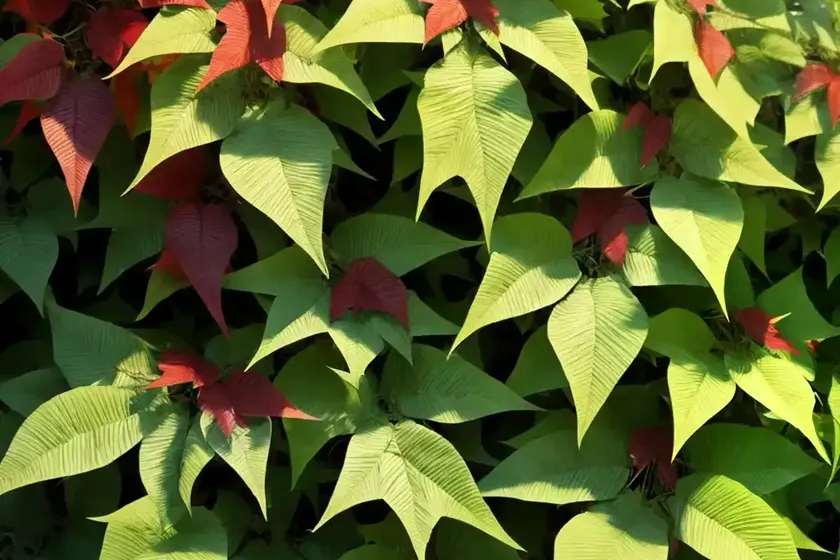
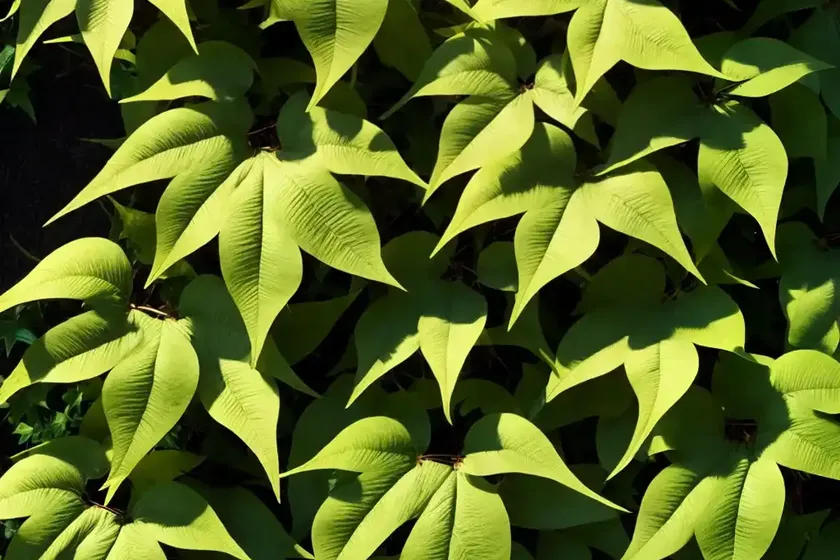
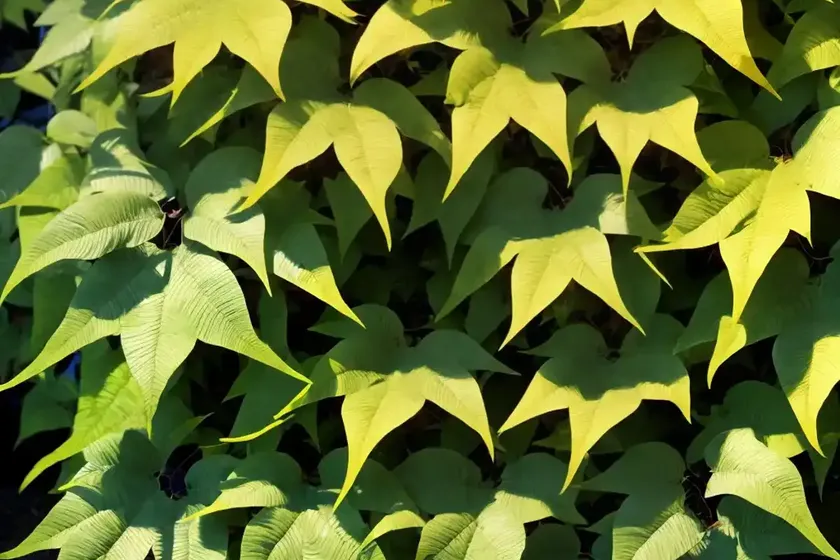
Plants have always been an essential part of human life, not just for their aesthetic value, but also for their ecological significance and various practical uses. In our journey to explore different species of plants, today we will delve into the world of Woodbine (Parthenocissus quinquefolia) – a versatile and resilient plant known for its climbing abilities and beautiful foliage.
Key Takeaways – Woodbine (Parthenocissus quinquefolia)
Before we delve into the details, here are the key takeaways for those considering adding Woodbine to their plant collection:
- Name: Woodbine (Parthenocissus quinquefolia)
- Water: Moderate watering, prefers well-drained soil
- Sunlight: Full sun to partial shade
- Fertilizer: Moderate feeding in spring
- Soil: Prefers moist, well-drained soil
- Pruning: Requires minimal maintenance pruning
- Propagation: Easily propagated by seeds or cuttings
- Container: Well-suited for container growth
- Popularity: Popular for its climbing abilities and fall color display
- Common Diseases: Susceptible to fungal diseases in humid conditions
- Common Pests: Occasionally affected by aphids and Japanese beetles
- Botanist’s Tips: Provide support for climbing, avoid planting in wet soil
In this comprehensive guide, we will explore the culture, uses, maintenance, and various aspects of cultivating Woodbine (Parthenocissus quinquefolia), along with some interesting facts and insights shared by botanists.
What is Woodbine (Parthenocissus quinquefolia)?
Woodbine, scientifically known as Parthenocissus quinquefolia, is a deciduous, fast-growing vine native to eastern and central North America. This vigorous climber belongs to the Vitaceae family and is admired for its ornamental value, versatility in landscaping, and ecological benefits. It is commonly referred to as Virginia creeper, five-leaved ivy, or five-finger ivy due to the distinct shape of its leaves.
With its adhesive tendrils, Woodbine is capable of clinging to various surfaces, including walls, fences, and arbors, using its aerial rootlets. Its ability to thrive in diverse environmental conditions makes it a popular choice for both residential and commercial landscapes.
Let’s dive deeper into the different facets of this remarkable plant.
Culture
Understanding the ideal cultivation conditions for Woodbine is crucial for its successful growth and development. From water and sunlight requirements to soil preferences, here’s what you need to know about the culture of Woodbine.
Water
Woodbine plants thrive when provided with moderate watering. It is essential to maintain consistent soil moisture, especially during the initial establishment period and dry spells. However, it is equally important to ensure well-drained soil to prevent waterlogging, which can be detrimental to the plant’s health.
Sunlight
When it comes to sunlight, Woodbine exhibits great versatility and can adapt to various light conditions. It grows well in full sun to partial shade, making it suitable for different areas within a landscape. While it can tolerate shade, optimal growth and vibrant fall coloration are achieved when it receives ample sunlight.
Fertilizer
In terms of feeding, Woodbine plants benefit from moderate fertilization in early spring. A balanced, slow-release fertilizer can be applied to provide the necessary nutrients for healthy growth and foliage development. It is advisable to follow the recommended application rates to prevent over-fertilization, which can lead to excessive vegetative growth at the expense of overall plant vigor.
Soil
Woodbine prefers moist, rich, and well-drained soil for optimal growth. Loamy soil with good water retention capabilities can promote healthy root development and overall plant vitality. Additionally, maintaining a slightly acidic to neutral soil pH is favorable for Woodbine cultivation.
Uses
The versatile nature of Woodbine makes it suitable for a wide range of uses, from ornamental landscaping to ecological benefits. Let’s explore the different ways in which Woodbine can be utilized.
-
Ornamental Value: The striking foliage of Woodbine, particularly during the fall season, makes it a popular choice for ornamental purposes. Its ability to climb and cover walls, trellises, and pergolas adds a visual dimension to the landscape, creating natural green screens and providing aesthetic appeal.
-
Wildlife Habitat: Woodbine serves as a valuable habitat and a source of food for various wildlife species, including birds and butterflies. The dense foliage and berries provide shelter and nourishment, contributing to the biodiversity of the surrounding ecosystem.
-
Erosion Control: Due to its vigorous growth and ability to form dense vegetation, Woodbine is employed in erosion control measures, particularly on slopes and embankments. Its root system helps stabilize the soil, reducing the risk of erosion and land degradation.
-
Privacy Screening: With its climbing capabilities, Woodbine can be utilized to create privacy screens and partitions in outdoor spaces, offering a natural and less intrusive alternative to traditional fencing.
Maintenance
Proper maintenance practices are essential for ensuring the health and longevity of Woodbine plants. From pruning to propagation, here are the key aspects of maintenance associated with Woodbine cultivation.
Pruning
Woodbine plants generally require minimal maintenance pruning, primarily to manage growth and shape the vine. Pruning can be performed during the dormant season to remove any dead or damaged branches and to control the spread of the vine. It is important to avoid excessive pruning, as it can limit the plant’s ability to produce flowers and berries.
Propagation
Woodbine can be easily propagated through seeds, cuttings, or layering. Seed propagation involves collecting mature berries, extracting the seeds, and sowing them in a prepared seedbed. Cuttings can be taken from healthy stems and rooted in a suitable growing medium. Layering, which involves encouraging stems to produce roots while still attached to the parent plant, is another effective propagation method for Woodbine.
Container Growth
Woodbine is well-suited for container growth, making it a versatile choice for balcony gardens, patios, and urban landscapes. When grown in containers, it is important to provide adequate support for the climbing vine and ensure that the container has proper drainage to prevent waterlogging.
Common Diseases and Pests
Despite its resilience, Woodbine is susceptible to certain diseases and pest infestations that can affect its overall health. Understanding these potential issues is vital for implementing appropriate preventive measures.
Common Diseases
Woodbine plants are most commonly affected by fungal diseases, particularly in humid and poorly ventilated environments. Leaf spot diseases, powdery mildew, and anthracnose are among the common fungal infections that can occur. Adequate air circulation, proper spacing, and fungal disease-resistant varieties can help mitigate these issues.
Common Pests
While relatively resistant to pest infestations, Woodbine may occasionally be targeted by aphids and Japanese beetles. Regular inspection of the foliage and timely intervention, such as the use of insecticidal soap or biological control methods, can effectively manage pest populations without causing harm to beneficial insects.
Botanist’s Tips
To provide further insights into the successful cultivation of Woodbine, let’s hear from experienced botanists who have extensive knowledge of this plant species. Their tips can offer valuable guidance for beginners and seasoned gardeners alike.
Dr. Evelyn Green, Botanist:
“Support for climbing is crucial when cultivating Woodbine. Whether it’s a trellis, a wall, or a pergola, ensuring that the plant has a sturdy structure to climb and attach itself to is essential for its growth and overall appearance.”
Dr. Michael Reynolds, Plant Pathologist:
“Preventing leaf wetness and promoting good air circulation can significantly reduce the risk of fungal diseases in Woodbine. A proactive approach to disease management, including the selection of disease-resistant varieties, can contribute to the plant’s long-term health.”
Fun Facts
To add a touch of fascination to our exploration of Woodbine, here are some intriguing and lesser-known facts about this remarkable plant:
- The term “Woodbine” is derived from the Old English word “wudubind,” which refers to a climbing plant or vine.
- Woodbine berries are a valuable food source for various bird species, contributing to the ecological significance of the plant.
- The colorful fall foliage of Woodbine is a result of anthocyanin pigments, which create vibrant shades of red, orange, and purple, adding to the visual appeal of the plant.
- The adhesive pads on Woodbine’s aerial rootlets enable it to cling to vertical surfaces with remarkable tenacity, showcasing its exceptional climbing capabilities.
- In traditional herbal medicine, certain parts of the Woodbine plant were used for their astringent and tonic properties, although modern usage is limited.
Links to External Resources
For further information and resources related to Woodbine cultivation and care, consider exploring the following links:
- Parthenocissus quinquefolia Care Guide
- Growing Woodbine Plant Tips
- Pruning Techniques for Parthenocissus quinquefolia
- Woodbine Plant Varieties and Landscaping Ideas
- Parthenocissus quinquefolia Propagation Methods
In conclusion, Woodbine (Parthenocissus quinquefolia) stands as a testament to the resilience, adaptability, and ornamental beauty of plants. Whether it’s adorning a garden wall with its vibrant foliage or providing a haven for wildlife, Woodbine holds a special place in the world of horticulture. By understanding its cultural requirements, maintenance practices, and ecological significance, we can foster a deeper appreciation for this remarkable vine and the diversity of plant life it represents.
Through this comprehensive guide, we hope to inspire a newfound fascination for Woodbine and encourage its thoughtful integration into diverse landscapes, enriching the natural tapestry of our surroundings.
Remember, cultivating Woodbine is not just about nurturing a plant; it’s about fostering a connection to the natural world and embracing the beauty of botanical diversity.
So go ahead, embark on a botanical journey with Woodbine, and witness the wonders of this exceptional plant unfold in your very own garden.
Happy gardening!


