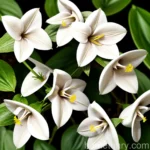
Wood Lily (Trillium Sessile): A Comprehensive Guide
Trillium sessile, commonly known as wood lily, is a splendid perennial herb that belongs to the Melanthiaceae family. This exquisite woodland plant is native to North America and is cherished for its captivating flowers and lush foliage. Wood lily can thrive in well-drained, moist soil, and its charming blossoms bloom in early spring, making it a popular choice for woodland gardens and naturalistic landscapes. In this comprehensive guide, we will delve into the various aspects of wood lily (Trillium sessile), including its culture, uses, habitat, maintenance, and more.
What is Wood Lily (Trillium Sessile)?
Wood lily, scientifically known as Trillium sessile, is a clump-forming perennial plant with an erect stem and whorled leaves. It is characterized by its trifoliate, ovate to rhombic leaves and a solitary, stalkless flower that sits above the whorl of leaves. The flower of Trillium sessile typically features three maroon or red petals that surround a central pistil and stamens, creating an enchanting display in the early spring landscape.
Key Takeaways – Wood Lily (Trillium Sessile)
Before we dive deeper into the various aspects of wood lily, let’s highlight some key takeaways about this captivating woodland plant:
- Wood lily (Trillium sessile) is a native North American perennial herb prized for its charming, stalkless flowers and lush foliage.
- It belongs to the Melanthiaceae family and is known for its trifoliate leaves and solitary, three-petaled flowers in striking shades of maroon or red.
- Wood lily thrives in woodland settings, where it adds a touch of natural elegance to the landscape and is a valuable addition to wildflower gardens.
- The plant’s rhizomatous nature allows for easy propagation and makes it adaptable to a range of soil and moisture conditions.
Now, let’s explore the different aspects of wood lily, including its cultural requirements, uses, maintenance, and more.
Culture
Water
Wood lily (Trillium sessile) thrives in moist, well-drained soil, making it a great addition to woodland gardens, shaded borders, and naturalistic landscapes. However, it is essential to provide consistent moisture, especially during the active growing season in spring. While wood lilies appreciate moist conditions, they should not be subjected to waterlogged soil, as this can lead to rot and other issues.
Sunlight
Being a woodland plant, wood lily prefers dappled to full shade conditions. It thrives in areas with filtered sunlight or in the presence of deciduous trees that provide partial shade. In hotter climates, it benefits from protection against the intense midday sun, making it an ideal choice for shaded areas in the garden.
Fertilizer
Wood lilies typically have modest fertilizer requirements. A light application of a balanced, slow-release fertilizer in early spring can provide the necessary nutrients for healthy growth and abundant flowering. It is essential to avoid over-fertilizing, as excessive nitrogen can lead to lush foliage at the expense of flowering.
Soil
Trillium sessile thrives in humus-rich, well-drained soil with a slightly acidic to neutral pH. Ideal soil conditions for wood lilies mimic the forest floor, where organic matter and leaf litter contribute to the moisture retention and nutrient content of the soil. Amending the soil with organic matter, such as compost or well-rotted leaf mold, can create an optimal growing environment for wood lilies.
Pruning
When it comes to pruning, wood lilies require minimal maintenance. As a woodland plant, they benefit from a layer of mulch to retain moisture and suppress weed growth. Additionally, removing spent flowers and yellowing foliage can promote tidiness and encourage the plant to channel its energy into new growth.
Propagation
Wood lily (Trillium sessile) can be propagated through division of rhizomes or seeds. When dividing the rhizomes, it is essential to do so in the fall, ensuring that each division has sufficient roots and foliage to support its growth. It is crucial to handle the rhizomes with care to avoid damage and to plant them at the same depth as the parent plant. Alternatively, wood lilies produce seeds that can be collected and sown in a suitable growing medium to propagate new plants. However, it is important to note that growing wood lilies from seed can be a slow process, as it may take several years for the plants to reach maturity and bloom.
Container Popularity
While wood lilies are well-suited to naturalistic landscapes and woodland gardens, they can also thrive in containers when provided with the appropriate growing conditions. Container gardening with wood lilies allows for greater control over soil moisture and light exposure, making it possible to cultivate these elegant woodland plants in a variety of settings, including patios, balconies, and shaded outdoor spaces.
Common Diseases
Wood lilies are generally resistant to pests and diseases, but they can be susceptible to certain issues when growing conditions are unfavorable. Some common diseases and concerns that may affect wood lilies include:
- Root Rot: Overly wet soil can lead to root rot, which manifests as yellowing foliage and wilting. To prevent this issue, it is crucial to ensure well-drained soil conditions and avoid waterlogging.
- Powdery Mildew: In humid conditions, wood lilies may be susceptible to powdery mildew, a fungal infection that appears as powdery white spots on the foliage. Adequate air circulation can help mitigate this issue, and fungicidal treatments may be necessary in severe cases.
Disease Diagnosis
Diagnosing diseases in wood lilies involves careful observation of the plant’s symptoms and an analysis of the growing conditions. When addressing potential diseases, it is important to consider factors such as soil moisture, air circulation, and overall plant health. By identifying the specific symptoms and understanding the environmental factors at play, it becomes easier to implement targeted solutions to remedy the issue and prevent future occurrences.
Common Pests
Wood lilies are relatively resistant to pests, but they may occasionally encounter challenges with slugs, snails, and browsing wildlife. These pests can cause damage to the foliage and flowers, impacting the overall health and aesthetic appeal of the plants.
Botanist’s Tips
To ensure the successful cultivation of wood lilies (Trillium sessile), consider these botanist-recommended tips:
- Plant in a Shaded Location: Provide wood lilies with a shaded or partially shaded growing site to mimic their native woodland habitat.
- Amend the Soil: Incorporate organic matter into the soil, such as compost or leaf mold, to enhance moisture retention and nutrient content.
- Monitor Moisture Levels: Maintain consistent soil moisture, avoiding waterlogging while ensuring that the plants receive adequate hydration, especially during the growing season.
- Mulch Effectively: Apply a layer of organic mulch around the base of wood lilies to conserve moisture, suppress weeds, and provide insulation in winter.
Fun Facts
Exploring the world of wood lilies unveils several fascinating facts and attributes that contribute to their allure. Consider these fun facts that shed light on the captivating nature of Trillium sessile:
- Symbolism: In various cultures, Trillium species hold symbolic significance, representing characteristics such as purity, elegance, and understated beauty.
- Ecological Value: Wood lilies play a crucial role in woodland ecosystems, providing nectar and pollen for pollinators and contributing to the biodiversity of forested areas.
- Historical Uses: Certain Indigenous communities have historically utilized Trillium species for medicinal purposes, incorporating different parts of the plant in traditional remedies and preparations.
Conclusion
In conclusion, wood lily (Trillium sessile) stands out as a remarkable woodland plant cherished for its captivating flowers, lush foliage, and adaptability to shaded environments. With its cultural significance, ecological value, and ornamental appeal, Trillium sessile continues to captivate plant enthusiasts and inspire the creation of woodland gardens and naturalistic landscapes. By understanding its habitat preferences, maintenance requirements, and botanical characteristics, we can appreciate the enchanting nature of this native North American perennial and cultivate its beauty in diverse garden settings.
As we celebrate the unique charm of wood lily (Trillium sessile), we recognize its enduring presence in the tapestry of woodland flora, enriching natural habitats and inviting us to immerse ourselves in the enchanting realm of native woodland plants.
Links to External Resources
For further information on wood lilies (Trillium sessile) and related topics, explore the following external resources:
- The American Wood Lily (Trillium ssp.) – University of Wisconsin-Madison Extension
- Gardening with Woodland Plants – The Morton Arboretum
- Growing Wood Lilies – North Carolina State University Extension
By delving into these resources, you can enhance your understanding of wood lilies and discover valuable insights for cultivating these captivating woodland plants.
In closing, the enduring allure of wood lily (Trillium sessile) serves as a testament to the timeless beauty and botanical wonders found in native woodland flora, inspiring a deeper appreciation for the natural world and the enchanting plants that grace its diverse landscapes.