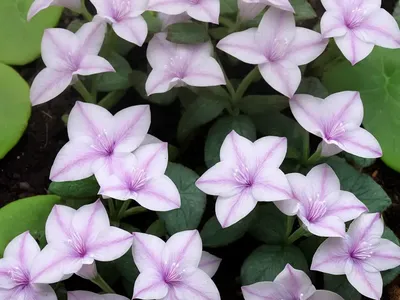
Mexican Petunia (Ruellia Simplex ‘Purple Showers’)
Mexican petunia, scientifically known as Ruellia simplex ‘Purple Showers’, is a beautiful and versatile plant that adds charm to gardens, landscapes, and.
Introduction to Mexican Petunia
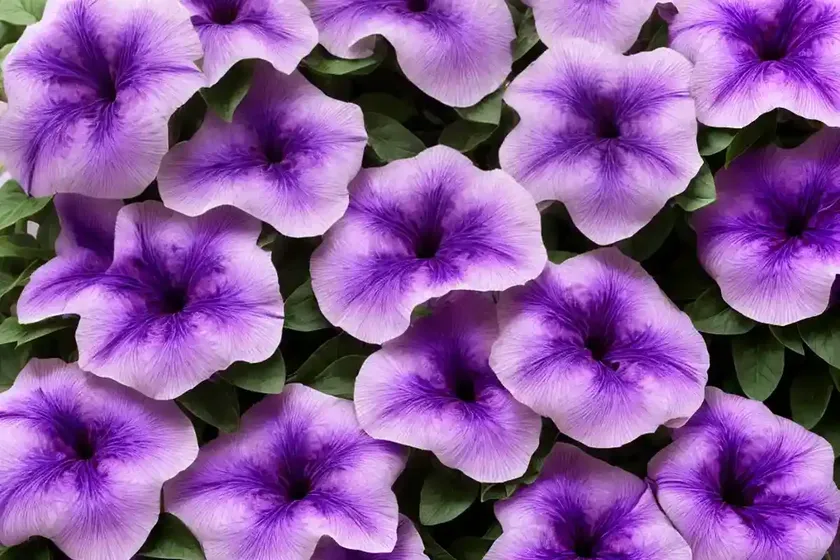
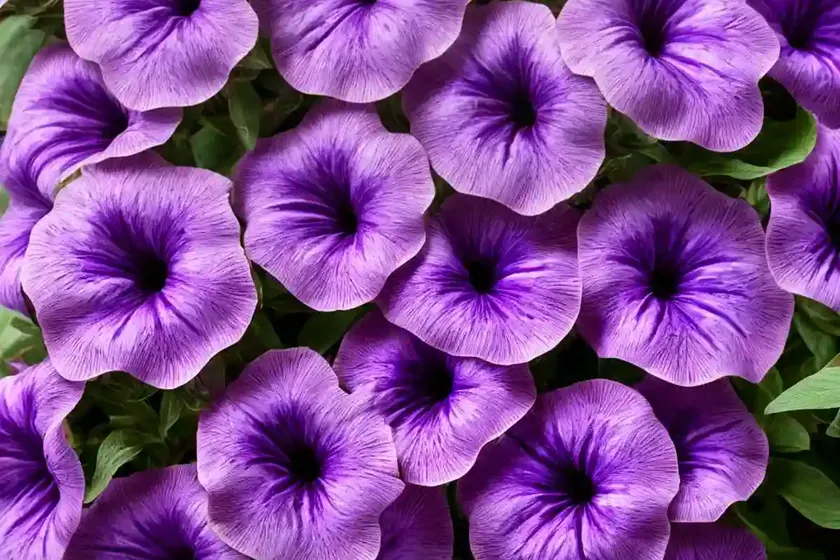
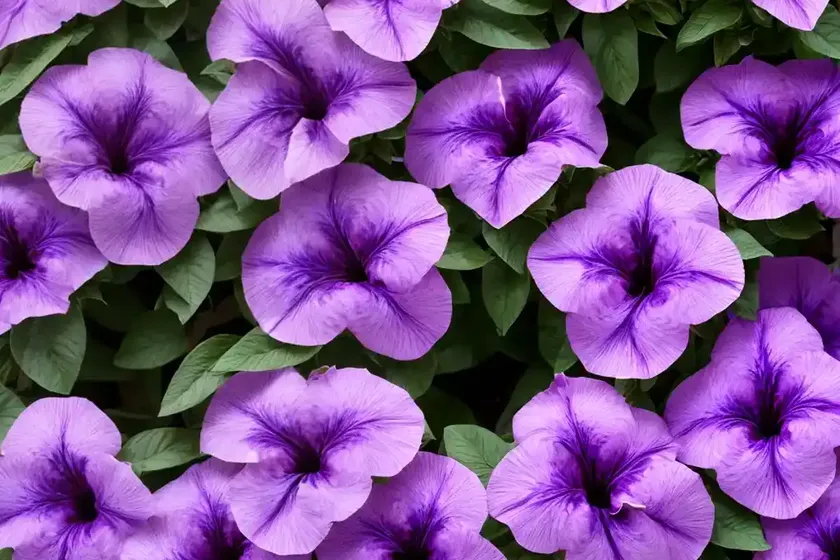
Mexican petunia, scientifically known as Ruellia simplex ‘Purple Showers’, is a beautiful and versatile plant that adds charm to gardens, landscapes, and urban settings. The plant is renowned for its vibrant purple flowers and its adaptability to various environmental conditions. As a plant scientist, I am thrilled to share insights into the aesthetics, cultivation, and maintenance of this fascinating plant.
What is Mexican Petunia (Ruellia simplex ‘Purple Showers’)?
Mexican petunia, a member of the Acanthaceae family, is a herbaceous perennial that originates from Mexico. It is characterized by its striking trumpet-shaped purple flowers that bloom during the warm months. The plant has earned the nickname “Mexican bluebell” due to the visual similarities of its flowers to the traditional bluebell plant.
Key Takeaways – Mexican Petunia (Ruellia simplex ‘Purple Showers’)
Before delving deeper into the specifics, let’s highlight some key takeaways about Mexican Petunia.
- Common Name: Mexican Petunia
- Scientific Name: Ruellia simplex ‘Purple Showers’
- Family: Acanthaceae
- Origin: Mexico
- Characteristics: Herbaceous perennial with vibrant purple flowers
- Adaptability: Versatile plant suitable for various environmental conditions
- Popularity: Highly sought-after for its ornamental value
With these key takeaways in mind, let’s explore the nuances of caring for and growing Mexican Petunia.
Culture of Mexican Petunia
Uses
Mexican petunia is primarily used for ornamental purposes in landscaping, gardens, and urban green spaces. Its vibrant flowers make it an excellent choice for adding color and visual appeal to diverse settings.
Water
Mexican petunia exhibits moderate water requirements and thrives in well-draining soils. It is essential to water the plant regularly, especially during the growing season, to ensure healthy growth and prolific flowering.
Sunlight
The plant thrives in full sun to partial shade conditions. Adequate sunlight is crucial for stimulating flowering and maintaining the plant’s overall vigor.
Fertilizer
Applying a balanced fertilizer during the growing season can promote robust growth and abundant flowering in Mexican petunia. Selecting a fertilizer with a balanced NPK (Nitrogen, Phosphorus, Potassium) ratio can support the plant’s nutritional needs.
Soil
Mexican petunia prefers well-draining soil with a rich organic content. Slightly acidic to neutral soil pH is ideal for optimal growth and flowering.
Pruning
Pruning the plant to remove spent blooms and maintain its shape can contribute to prolonged flowering and overall plant health.
Propagation of Mexican Petunia
Mexican petunia can be propagated through various methods such as division, seeds, and stem cuttings. Each approach offers unique advantages and can be utilized based on the specific requirements and preferences of the grower.
Container Popularity
Mexican petunia is well-suited for container gardening, adding a touch of elegance to patios, balconies, and outdoor living spaces. Its adaptability to containers makes it a popular choice for urban and suburban gardening enthusiasts.
Common Diseases and Pests
Disease Diagnosis
Mexican petunia may be susceptible to certain fungal diseases such as powdery mildew and leaf spot. Regular inspection and proper cultural practices can help mitigate the risk of these diseases.
Common Pests
Pests such as aphids and spider mites may occasionally affect Mexican petunia. Implementing preventive measures and, if necessary, targeted pest control can help protect the plant from pest-related issues.
Botanist’s Tips for Mexican Petunia Care
As a plant scientist, I recommend the following tips for optimal care and maintenance of Mexican petunia:
- Regular Watering: Maintain consistent moisture levels without overwatering the plant.
- Sunlight Exposure: Ensure the plant receives adequate sunlight while providing partial shade during intense heat.
- Fertilization: Apply a balanced fertilizer during the growing season to support healthy growth and flowering.
- Pruning: Engage in regular pruning to remove spent flowers and shape the plant for enhanced aesthetics.
- Container Gardening: Embrace the versatility of Mexican petunia for container gardening, allowing for creative and flexible arrangements in outdoor spaces.
Fun Facts about Mexican Petunia
- Mexican petunia is known for attracting butterflies and other pollinators, contributing to the biodiversity of garden ecosystems.
- The plant’s vibrant flowers make it a desirable choice for floral arrangements and cut flower displays.
Links to External Resources
For further in-depth information and insights into Mexican petunia care and cultivation, explore the following resources:
- Ruellia simplex: A Florida-Friendly Native Plant
- Mexican Petunia (Ruellia Simplex)
- Planting and Caring for Mexican Petunias
Conclusion
Mexican petunia, with its captivating purple blooms and adaptable nature, remains a cherished addition to gardens, landscapes, and urban green spaces. By understanding its cultural needs, propagation methods, and pest management strategies, enthusiasts and horticulturists can ensure the thriving presence of Mexican petunia in diverse settings. Embracing the botanical charm and ornamental allure of this perennial plant can enrich gardening experiences and contribute to the visual splendor of outdoor environments.