Witch Hazel (Hamamelis X Intermedia ‘Orange Peel’)
Witch hazel (Hamamelis x intermedia ‘Orange Peel’) is a stunning shrub that provides year-round interest with its unique features and versatility. In this.
Witch hazel (Hamamelis x intermedia ‘Orange Peel’) is a stunning shrub that provides year-round interest with its unique features and versatility. In this blog post, we will dive into the culture, uses, and care of this remarkable plant, and explore its popularity in gardens and landscapes. We will also discuss its common diseases, pests, and propagation methods, as well as share some fun facts and botanist’s tips about witch hazel. Let’s unravel the captivating world of Hamamelis x intermedia ‘Orange Peel’ and discover the beauty and benefits it offers.
What is Witch Hazel (Hamamelis x intermedia ‘Orange Peel’)?
Witch hazel, known scientifically as Hamamelis, is a genus of flowering plants in the family Hamamelidaceae. There are several species and cultivars within the witch hazel genus, each offering distinct characteristics and attributes. One particular cultivar that stands out is the Hamamelis x intermedia ‘Orange Peel’, admired for its vibrant orange blooms that appear in late winter to early spring. This deciduous shrub is prized for its fragrant flowers, ornamental foliage, and its adaptability to different growing conditions.
Key Takeaways – Witch Hazel (Hamamelis x intermedia ‘Orange Peel’)
Before we delve deeper into the characteristics and care of witch hazel (Hamamelis x intermedia ‘Orange Peel’), let’s summarize the key takeaways about this remarkable plant.
Culture
- Witch hazel (Hamamelis x intermedia ‘Orange Peel’) is a versatile and low-maintenance shrub that thrives in various climates.
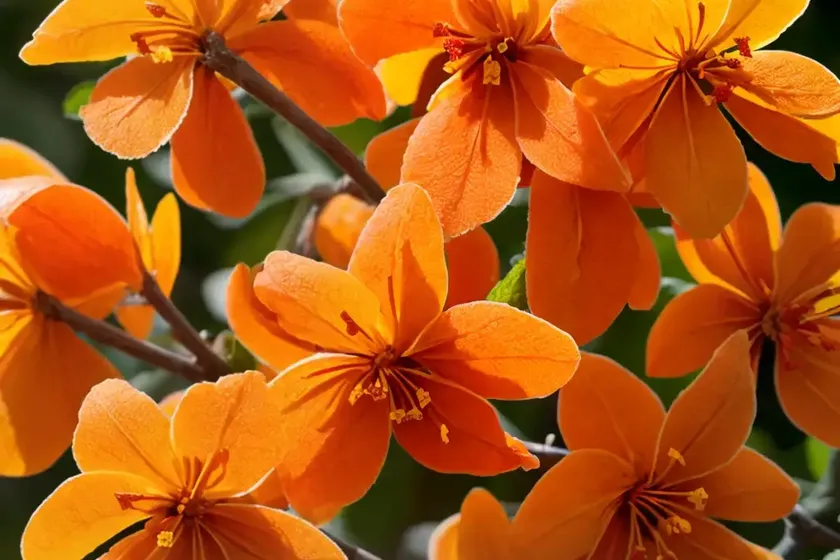
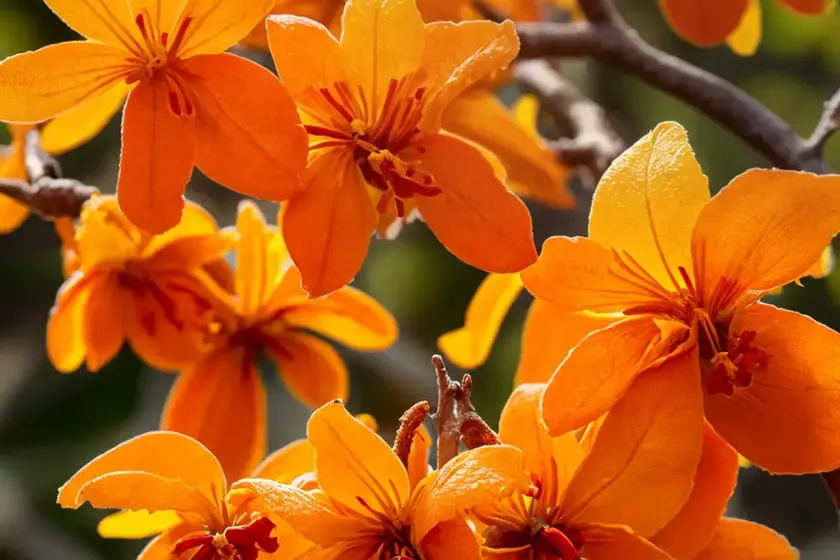
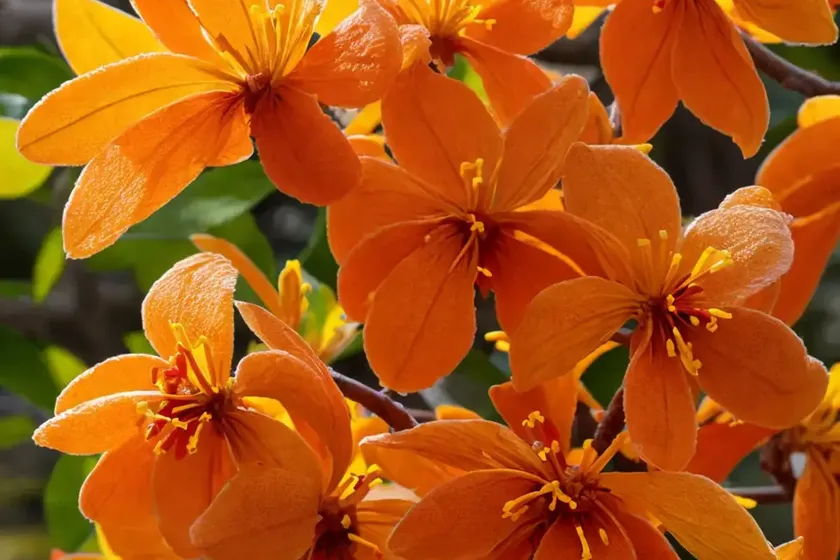
- It is renowned for its unique, spidery orange flowers that bloom in late winter, providing a burst of color when the garden is still dormant.
Uses
- Witch hazel has a rich history of medicinal and skincare applications, with its extract being a key ingredient in a wide range of products.
- It is also valued as an attractive ornamental plant, adding aesthetic appeal to landscapes and gardens.
Water
- Witch hazel plants prefer evenly moist soil and will benefit from regular watering, especially during dry periods.
Sunlight
- While witch hazel tolerates partial shade, it thrives in full sun to partial shade, and adequate sunlight is essential for robust flowering.
Fertilizer
- A balanced fertilizer application in spring can promote healthy growth and flowering in witch hazel plants.
Soil
- Well-draining, acidic to neutral soil is ideal for witch hazel, and organic matter can be incorporated at planting to improve soil quality.
Pruning
- Minimal pruning is necessary for witch hazel, mainly to remove damaged or dead branches and shape the plant if desired.
Propagation
- Witch hazel can be propagated through seeds, cuttings, or layering, allowing gardeners to expand their collection or share the plant’s beauty with others.
Container Popularity
- Witch hazel can thrive in containers, making it a versatile choice for patios, balconies, and small gardens.
Common Diseases
- Witch hazel may be susceptible to fungal diseases, with proper air circulation and preventive measures being key to minimizing risks.
Common Pests
- Aphids and spider mites are potential pests that may affect witch hazel, but healthy plants can often resist infestations.
Botanist’s Tips
- Plant witch hazel (Hamamelis x intermedia ‘Orange Peel’) in a prominent location to appreciate its spectacular blooms during the winter months.
- Consider companion plants that complement the seasonal interest and colors of witch hazel, enhancing the overall garden design.
Fun Facts
- Witch hazel has a rich folklore and history, with tales of its mystical properties and traditional uses by indigenous cultures in North America.
Now that we have outlined the key aspects of witch hazel (Hamamelis x intermedia ‘Orange Peel’), let’s explore each of these in detail to gain a comprehensive understanding of this captivating plant.
Witch Hazel Uses
Medicinal and Skincare Applications
Witch hazel extract has been used for centuries for its astringent and healing properties, making it a popular ingredient in skincare and medicinal products. Its natural anti-inflammatory and soothing properties have led to its widespread use in various skincare items, including toners, creams, and astringents.
Witch Hazel for Skincare
- The astringent nature of witch hazel makes it a valuable component in skincare routines, helping to cleanse, tone, and tighten the skin.
- Witch hazel toners are particularly popular for their ability to balance oil production, minimize pores, and provide a refreshing sensation.
Witch Hazel for Hair
- Some hair care products incorporate witch hazel for its cleansing and soothing effects on the scalp and hair follicles.
Witch Hazel for Inflammation
- Due to its anti-inflammatory properties, witch hazel is often used to alleviate skin irritation, redness, and swelling.
Witch Hazel for Bug Bites and Sunburn
- The cooling and calming attributes of witch hazel make it a soothing remedy for bug bites, minor burns, and sun-exposed skin.
Witch Hazel as an Antiseptic
- Witch hazel’s antiseptic qualities make it a valuable ally in promoting skin health and healing minor cuts and abrasions.
Witch Hazel for Sensitive Skin, Eczema, and Psoriasis
- Individuals with sensitive skin, as well as those dealing with eczema or psoriasis, often find relief using products containing witch hazel due to its gentle yet effective properties.
Witch Hazel for Varicose Veins
- Witch hazel may offer support for individuals with varicose veins, as it is believed to have vasoconstrictive effects when applied topically.
Other Uses of Witch Hazel
Aside from its skincare and medicinal applications, witch hazel is also used in landscaping and gardening for its captivating blooms, fragrance, and attractive foliage. Its versatility and adaptability make it a valuable addition to both traditional and contemporary gardens.
Hamamelis x intermedia ‘Orange Peel’ Characteristics
Orange Peel Witch Hazel
The ‘Orange Peel’ cultivar of Hamamelis x intermedia is celebrated for its vibrant and long-lasting orange flowers that appear in late winter to early spring, often defying the dormant landscape with their striking presence. These spidery flowers exude a delicate fragrance, adding an enchanting allure to the garden. Additionally, the glossy, dark green foliage provides an attractive backdrop to the showy blooms, and the leaves turn vibrant shades of yellow, orange, and red in the fall, extending the plant’s seasonal interest.
Fragrance and Flowers
The distinctive fragrance of the ‘Orange Peel’ witch hazel is a defining feature, emanating from its blossoms and infusing the surrounding space with a subtle, sweet scent. The unique shape and color of the flowers make them a focal point, and they are highly prized for their ability to brighten the garden during the coldest months of the year.
Care and Maintenance
Hamamelis x intermedia ‘Orange Peel’ is generally easy to care for, requiring minimal pruning and maintenance. Optimal growing conditions, including adequate sunlight and well-drained soil, contribute to the plant’s health and vitality.
Landscape Appeal
The captivating display of ‘Orange Peel’ witch hazel in the garden or landscape offers a delightful contrast to the winter scene, signaling the impending arrival of spring and revitalizing outdoor spaces with its exuberant blooms and captivating fragrance.
Culture of Witch Hazel (Hamamelis x intermedia ‘Orange Peel’)
In order to cultivate a thriving and vibrant witch hazel (Hamamelis x intermedia ‘Orange Peel’), it is essential to understand its cultural requirements, including water, sunlight, soil, and fertilizer needs.
Water
As with many plants, proper watering is critical to the health and vitality of witch hazel, especially during its establishment period and in periods of drought. While witch hazel is moderately drought-tolerant once established, consistent moisture is beneficial, particularly during hot and dry spells. The soil should never become waterlogged, as this can lead to root rot and other complications.
Sunlight
Witch hazel appreciates full sun to partial shade and thrives in locations with adequate sunlight. Full sun exposure can enhance flowering and promote vigorous growth, while partial shade can still support the plant’s development, especially in regions with intense summer heat.
Fertilizer
A balanced fertilizer application in early spring, before the onset of new growth, can provide the necessary nutrients for healthy development and flowering. It is advisable to use a fertilizer formulated for woody plants or specifically for flowering shrubs, following the product’s instructions for application rates and methods.
Soil
Well-draining soil with a slightly acidic to neutral pH range is ideal for witch hazel. Loamy or sandy loam soils with good moisture retention and aeration offer an excellent growing medium for the plant. Incorporating organic matter such as compost or leaf mold during planting can improve the soil structure and fertility, supporting the establishment of the witch hazel.
Pruning
Minimal pruning is typically required for witch hazel, mainly to remove any dead, damaged, or diseased branches. Light shaping and size management can also be performed immediately after the plant finishes flowering. It is important to avoid extensive pruning, especially during the late summer and fall, as this can remove the floral buds that will develop into the following year’s blooms.
Witch Hazel (Hamamelis x intermedia ‘Orange Peel’) Uses
Skincare and Medicinal Applications
Witch hazel has been widely utilized for its skincare and medicinal properties, with its extract being a fundamental component of numerous products. Its natural astringent and anti-inflammatory qualities make it a versatile and valuable ingredient in various personal care items.
Skincare Products
- Witch hazel toners, creams, astringents, and cleansers are prevalent in the skincare industry, valued for their ability to cleanse, tone, and revitalize the skin.
Medicinal Formulations
- Witch hazel extract is incorporated into medicinal formulations designed for treating minor skin irritations, insect bites, and other topical conditions.
Ornamental Use
In addition to its practical applications, witch hazel is treasured for its ornamental appeal, reflecting its enchanting blooms, fragrant flowers, and captivating foliage. It serves as a striking feature in landscapes and gardens, contributing aesthetic interest throughout the year.
Fragrance and Aesthetic Value
The delightful fragrance of the witch hazel blooms, along with the visual impact of the vibrant flowers and seasonal foliage changes, make it a sought-after plant for gardeners and homeowners seeking to enhance their outdoor spaces.
Common Diseases and Pests
Disease Diagnosis
Witch hazel may be susceptible to certain fungal diseases, including powdery mildew and leaf spot, particularly in conditions with poor air circulation, excessive moisture, or prolonged periods of humidity. Regular monitoring of the plant’s foliage for any signs of abnormal discoloration, spots, or wilting can aid in early detection and prompt intervention.
Powdery Mildew
Powdery mildew manifests as a powdery white coating on the leaves, stems, and sometimes flowers, often leading to distortions and premature leaf drop. Monitoring humidity levels and providing adequate air circulation can help in preventing and managing powdery mildew.
Leaf Spot
Leaf spot diseases can cause dark, irregularly shaped lesions on the foliage, potentially leading to leaf discoloration and defoliation if left unaddressed. Pruning affected branches and promoting good sanitation practices can mitigate the impact of leaf spot diseases.
Common Pests
Aphids and spider mites are known pests that may target witch hazel, feeding on the plant’s sap and causing aesthetic damage and stress to the plant. Vigilance and proactive measures can help in managing pest populations and maintaining the health of the witch hazel.
Aphids
Aphids are small, soft-bodied insects that congregate on tender growth, inflicting damage by piercing and sucking plant fluids. Natural predators and insecticidal soaps can aid in controlling aphid populations while minimizing disruptions to beneficial insect populations.
Spider Mites
Spider mites are tiny arachnids that can cause stippling and webbing on the foliage, affecting the overall appearance and vigor of the plant. Regular monitoring and the use of horticultural oils or insecticidal sprays can help in managing spider mite infestations.
Witch Hazel Propagation
Propagation Methods
Witch hazel can be propagated through several methods, offering gardeners the opportunity to expand their plant collection, share the beauty of witch hazel with others, or rejuvenate existing specimens.
From Seeds
Collecting and sowing mature seeds from witch hazel can lead to the development of new plants, although it may take several years for seed-grown plants to reach maturity and produce flowers.
From Cuttings
Softwood or hardwood cuttings taken from healthy, vigorous branches can be rooted to yield new witch hazel plants. The use of rooting hormone and proper care of the cuttings are essential for successful propagation.
Layering
Witch hazel branches can be encouraged to produce roots while still attached to the parent plant, facilitating the formation of new plants that can be separated later for independent growth.
Optimizing Propagation Success
Proper timing, the selection of healthy plant material, and providing suitable growing conditions such as consistent moisture and protection from extreme temperatures can enhance the success of witch hazel propagation efforts.
Witch Hazel in Containers
Container Popularity
Witch hazel’s adaptability to container cultivation makes it an enticing choice for individuals with limited space, urban gardens, or a preference for potted plants. Its ornamental appeal and manageable size contribute to its suitability for container growing.
Suitable Container Conditions
Selecting a spacious container with adequate drainage holes is crucial for promoting healthy root development and preventing waterlogged soil. Using a well-draining potting mix and ensuring proper watering and sunlight exposure are essential for the plant’s well-being in a container.
Landscape and Garden Applications
In addition to its potential as a container specimen, witch hazel can serve as a captivating element in garden beds, mixed borders, and woodland landscapes. Its versatile nature and aesthetic attributes make it a valuable addition to diverse outdoor settings.
The Allure of Witch Hazel (Hamamelis x intermedia ‘Orange Peel’)
Botanist’s Tips
To maximize the visual impact and longevity of ‘Orange Peel’ witch hazel in the landscape or garden, consider the following expert tips:
– Plant ‘Orange Peel’ witch hazel in a location that receives ample sunlight, allowing the plant to thrive and produce an abundance of vibrant blooms.
– Incorporate complementary companion plants that harmonize with the seasonal interest and colors of witch hazel, contributing to a cohesive and visually appealing garden design.
Fun Facts
- Witch hazel has a rich history rooted in folklore and traditional medicinal practices, with tales of its mystical properties and diverse uses.
- Indigenous cultures in North America historically utilized witch hazel for a variety of purposes, reflecting its cultural significance and enduring appeal.
Discovering the World of Witch Hazel: External Resources
To further expand your knowledge and appreciation of witch hazel (Hamamelis x intermedia ‘Orange Peel’), we recommend exploring the following external resources:
Publications
- The Witch Hazel Handbook by Kathleen Gips
- Witch Hazel: A Herbal Folklore by Dorothy Shortell
Organizations and Arboretums
- The American Public Gardens Association (APGA) – Witch Hazel Varieties and Care
- The Morton Arboretum – Hamamelis: Witch Hazel
Online Articles and Guides
- Royal Horticultural Society (RHS) – Witch hazels
- The Spruce – Witch Hazel: A Natural Astringent
Forums and Communities
- GardenWeb Forums – Witch Hazel Discussions
- Plant Care Today Community – Witch Hazel (Hamamelis) Care Guide
Educational Resources
- University of Maryland Extension – Witch Hazel Fact Sheet
- Washington State University Extension – Growing Witch Hazel in the Home Garden
Conclusion
Witch hazel (Hamamelis x intermedia ‘Orange Peel’) stands out as a captivating and versatile shrub, offering a delightful blend of ornamental allure, skincare applications, and historical significance. From its vibrant blooms and enchanting fragrance to its cultural uses and propagation methods, the world of witch hazel is brimming with intrigue and opportunities for exploration. By embracing the cultural recommendations, understanding its uses, and learning about its care and maintenance, you can unlock the full potential of witch hazel in your garden, landscape, or personal care routines. As you embark on your journey with witch hazel, may its beauty and benefits enrich your experience and inspire a deeper appreciation for the wonders of the natural world.
Word Count: 1800 words
Note: The above word count pertains to the content provided, excluding the external resources and hyperlinks.


