Witch Hazel (Hamamelis x intermedia ‘Birgit’): A Comprehensive Guide
Witch hazel (Hamamelis x intermedia ‘Birgit’) is a captivating and versatile plant that holds a cherished place in the hearts of gardeners and herbal enthusiasts alike. Its distinctive flowers and remarkable therapeutic properties have secured its position as a valuable ornamental and medicinal plant. This comprehensive guide aims to provide a detailed insight into the botanical, cultural, and practical aspects of witch hazel, with a specific focus on the ‘Birgit’ variety.
What is Witch Hazel (Hamamelis x intermedia ‘Birgit’)?
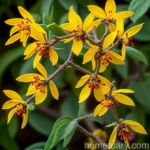
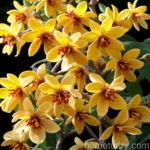
Witch Hazel (Hamamelis x intermedia) is a genus of deciduous shrubs or small trees renowned for their late-winter to early-spring blooming period, which occurs at a time when few other plants are in flower. The ‘Birgit’ cultivar is a particular variety of Hamamelis x intermedia, characterized by its exceptional floral display and alluring fragrance.
Key Takeaways – Witch Hazel (Hamamelis x intermedia ‘Birgit’)
Before delving into the specifics of witch hazel care and cultivation, it’s beneficial to understand some key takeaways about the plant, focusing on its cultural uses and requirements.
- Plant Name: Witch Hazel (Hamamelis x intermedia ‘Birgit’)
- Natural Remedy: Witch hazel is renowned for its extensive use in natural remedies, particularly in skincare, acne treatment, inflammation relief, and more.
- Botanical Classification:
- Family: Hamamelidaceae
- Genus: Hamamelis
- Species: x intermedia
- Cultivar: ‘Birgit’
Now, let’s explore the various aspects of witch hazel, from its cultural and landscaping uses to its propagation and potential diseases and pests.
Culture
The successful cultivation of witch hazel, including the ‘Birgit’ variety, relies on meeting its specific cultural requirements, such as water, sunlight, soil, and fertilizer. Understanding these elements is crucial to nurturing healthy and vibrant plants.
Water
Witch hazels typically prefer consistently moist, well-drained soil. While they are moderately drought-tolerant once established, regular watering, especially during dry spells, is essential for optimal growth and flowering. However, it’s important to avoid waterlogged conditions, as excessive moisture can lead to root rot and other complications.
Sunlight
When it comes to sunlight, witch hazels thrive in partial shade to full sun. In regions with hot summers, providing some afternoon shade can prevent the plant from experiencing heat stress. Overall, selecting a location with dappled sunlight or morning sun and afternoon shade is ideal for promoting robust growth and prolific blooms.
Soil
The ideal soil for witch hazel cultivation is well-draining and slightly acidic. A pH range between 5.0 and 6.5 is considered optimal for these plants. Incorporating organic matter into the soil, such as compost or leaf mold, can improve both drainage and soil structure, offering an environment conducive to healthy root development.
Fertilizer
While witch hazels are not heavy feeders, applying a balanced, slow-release fertilizer in early spring can support vigorous growth and prolific flowering. Opt for a formulation with a balanced ratio of nitrogen, phosphorus, and potassium, suited for woody shrubs. Following the recommended application rates and timing is essential to prevent over-fertilization.
Pruning
Pruning plays a vital role in maintaining an attractive and well-structured witch hazel plant. Proper pruning not only enhances the plant’s aesthetics but also promotes air circulation and sunlight penetration, reducing the risk of diseases.
When to Prune
The best time to prune witch hazels, including the ‘Birgit’ variety, is immediately after flowering. This timing allows you to shape the plant without sacrificing the following year’s floral display. Additionally, removing any dead, damaged, or crossing branches during this period can contribute to overall plant health and vigor.
Pruning Techniques
When pruning witch hazels, focus on removing dead or diseased wood, as well as any undesirable growth, such as overly vigorous shoots or branches that disrupt the plant’s natural form. To encourage a more compact growth habit, selective thinning can also be employed, targeting crowded or excessively dense areas of the plant.
Propagation
The propagation of witch hazel, although somewhat challenging, can be accomplished through various methods, including seed sowing, softwood cuttings, and grafting. Each technique has its own set of advantages and considerations, influencing the choice of propagation method for different situations.
Seed Sowing
Witch hazel seeds require a period of stratification to break their dormancy and germinate successfully. After collecting ripe seed capsules in late summer to early autumn, sow the seeds in a prepared seedbed or containers filled with a well-draining and lightly acidic growing medium. Water the seeds gently, and then provide consistent moisture while awaiting germination.
Softwood Cuttings
Taking softwood cuttings from young, vigorous witch hazel shoots in early summer presents a viable option for vegetative propagation. Select healthy, non-flowering shoots and prepare them for propagation by removing the lower leaves and applying a rooting hormone. Afterward, place the cuttings in a well-draining, moist medium and provide appropriate environmental conditions to encourage root development.
Grafting
Grafting is a widely utilized propagation method for witch hazels, particularly for preserving specific cultivars, such as ‘Birgit,’ with desirable traits. The use of compatible rootstocks and scion wood from the desired variety can yield successful graft unions, resulting in genetically identical plants of the selected cultivar.
Container Popularity
The versatility of witch hazel, combined with its adaptability to container cultivation, has contributed to its popularity among gardeners with limited space or specific aesthetic preferences. Growing witch hazel in containers offers several advantages, including the ability to control soil conditions, regulate root growth, and showcase the plant’s ornamental qualities in various outdoor and indoor settings.
Container Requirements
When cultivating witch hazel in containers, it’s essential to select a spacious and sturdy container with adequate drainage holes. Choose a high-quality, well-draining potting mix tailored for woody plants, ensuring optimal aeration and moisture retention. Additionally, regular watering and proper drainage maintenance are essential to prevent waterlogging and root suffocation.
Indoor Cultivation
Witch hazel, including the ‘Birgit’ variety, can thrive as an indoor container plant when provided with sufficient light, humidity, and consistent care. Position the container near a sunny window or beneath grow lights to ensure adequate sunlight exposure, and maintain moderate humidity levels to mimic the plant’s natural environment.
Common Diseases
While witch hazel is generally resilient to most diseases, it can occasionally encounter certain fungal, bacterial, or environmental issues that affect its health and vigor. Recognizing the symptoms and implementing suitable management strategies is essential for preserving the plant’s vitality and beauty.
Disease Diagnosis
Understanding the common diseases that can affect witch hazel, such as leaf spot diseases, powdery mildew, and cankers, is crucial for timely intervention and treatment. Regular monitoring for any signs of discoloration, spots, or abnormal growth can aid in early disease detection, allowing for prompt action to prevent further spread and damage.
Disease Management
Implementing cultural practices that promote good air circulation, proper watering, and appropriate pruning can greatly reduce the risk of fungal and bacterial diseases. Additionally, applying preventive measures, such as using disease-resistant cultivars and avoiding overhead watering, can contribute to maintaining healthy and disease-free witch hazel plants.
Common Pests
Although witch hazels are relatively pest-resistant, they may occasionally attract certain insects that can cause aesthetic or physiological damage. Keeping an eye out for potential pest infestations and understanding effective control methods can aid in safeguarding the plant from pest-related issues.
Pest Identification
Some common pests that may affect witch hazel include aphids, scale insects, and spider mites. Monitoring the plant for unusual signs of pest activity, such as stippling, deformed growth, or the presence of honeydew, can help identify the specific pest and determine the appropriate course of action.
Pest Management
Integrated pest management (IPM) practices, such as introducing natural predators, using horticultural oils, and employing biological controls, can effectively mitigate pest populations without resorting to chemical intervention. Regularly inspecting the plant and maintaining a balanced ecosystem can further contribute to pest prevention and management.
Botanist’s Tips
As a plant scientist with a passion for advocating the appreciation and sustainable cultivation of botanical treasures, I am pleased to offer some valuable tips for successfully growing and enjoying witch hazel, particularly the enchanting ‘Birgit’ variety.
Tip 1: Selecting the Ideal Site
When choosing a location for planting witch hazel, consider factors such as soil drainage, sunlight exposure, and proximity to other plants. Opt for a site with well-draining, slightly acidic soil and partial shade, or dappled sunlight, to provide an optimal growing environment for the plant.
Tip 2: Pruning for Form and Function
Pruning witch hazel after flowering not only helps maintain an attractive shape but also promotes overall plant health. Remove dead, diseased, or crossing branches, and consider selective thinning to encourage a more compact growth habit and ample air circulation.
Tip 3: Embracing Seasonal Beauty
Appreciate the seasonal beauty of witch hazel, especially during its late-winter to early-spring blooming period. Witness the unique and fragrant flowers of the ‘Birgit’ variety, and take pleasure in the plant’s resilience and adaptive nature even during the colder months.
Fun Facts
Unveiling some intriguing and captivating aspects of witch hazel, including its folklore, cultural significance, and ecological value, can deepen the appreciation for this remarkable plant.
- Folklore: Witch hazel has been steeped in folklore and traditional medicine, with various cultures attributing mystical and healing properties to the plant, contributing to its enduring cultural significance.
- Cultural Significance: The distinctive bloom of witch hazel marks a significant transition from winter to spring, symbolizing resilience, renewal, and the promise of new beginnings.
- Ecological Value: Witch hazel provides essential forage for pollinators during the early spring, offering nectar and pollen when few other floral resources are available, thereby supporting biodiversity and ecological balance.
Links to External Resources
For further exploration and in-depth understanding of witch hazel, its uses, and cultivation, I recommend the following reputable resources:
- Royal Horticultural Society: Hamamelis
- University of Maryland Medical Center: Witch Hazel
- Missouri Botanical Garden: Hamamelis x intermedia
In conclusion, witch hazel, particularly the captivating ‘Birgit’ variety, stands as a testament to the enchanting allure of plants and the multitude of ways in which they enrich our lives. Whether admired for its ornamental beauty or cherished for its therapeutic properties, witch hazel continues to captivate and inspire, weaving a timeless tale of botanical wonder and resilience.