Witch-hazel (Hamamelis Virginiana)
Witch-hazel, scientifically known as Hamamelis virginiana, is a unique and versatile plant with a wide range of cultural, medicinal, and aesthetic uses. In.
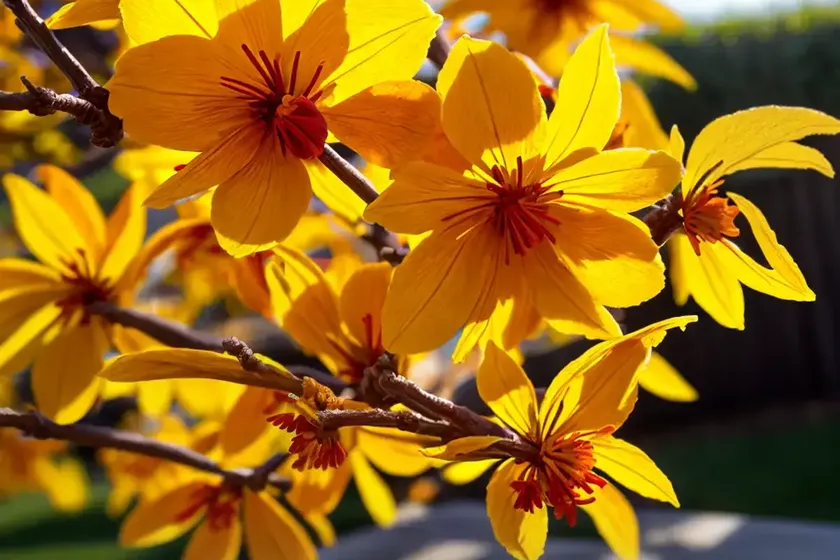
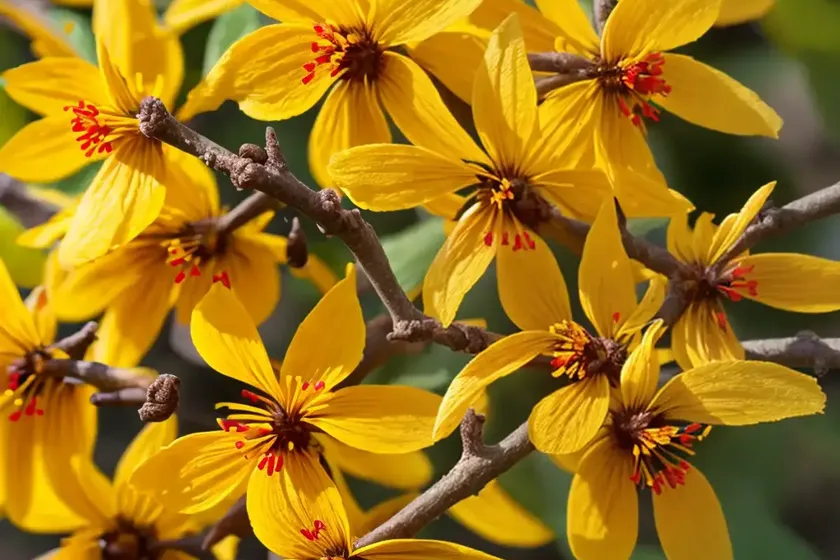
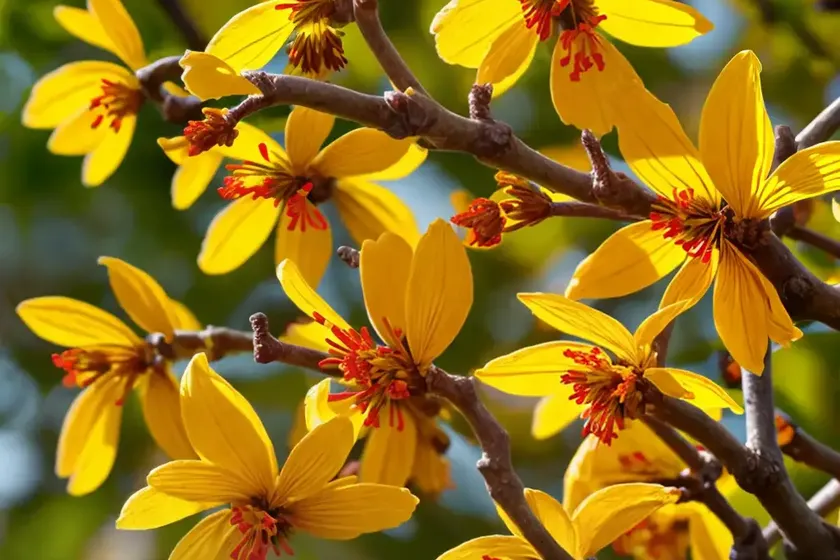
Witch-hazel, scientifically known as Hamamelis virginiana, is a unique and versatile plant with a wide range of cultural, medicinal, and aesthetic uses. In this comprehensive guide, we will delve into the various aspects of Witch-hazel, including its cultural requirements, uses, propagation, common diseases and pests, and interesting facts. Whether you are an avid gardener, a skincare enthusiast, or simply intrigued by the botanical world, this guide will provide valuable insights into this fascinating plant.
What is Witch-hazel (Hamamelis virginiana)?
Witch-hazel is a deciduous shrub or small tree that is native to North America. It belongs to the Hamamelidaceae family and is known for its striking, spidery flowers that bloom in late fall and early winter when most other plants are dormant. The plant is valued for its astringent and medicinal properties, and its extract has been used in traditional medicine for centuries.
Key Takeaways – Witch-hazel (Hamamelis virginiana)
Before we delve into the specifics, let’s highlight some key takeaways about Witch-hazel:
- Scientific Name: Hamamelis virginiana
- Cultural Uses: Landscaping, medicinal purposes, skincare products
- Water: Moderate to moist soil conditions
- Sunlight: Partial shade to full sun
- Fertilizer: Minimal fertilizer requirements
- Soil: Well-drained, acidic to neutral soil
- Pruning: Light pruning in late winter or early spring
- Propagation: Seeds, softwood cuttings
- Container Popularity: Suitable for container gardening
- Common Diseases: Leaf spot, powdery mildew
- Common Pests: Aphids, scale insects
Now, let’s explore these aspects in detail.
Culture
Water
Witch-hazel thrives in moderate to moist soil conditions. While it can tolerate some drought once established, consistent moisture is essential for optimal growth and flower production. However, it is important to ensure that the soil is well-drained to prevent waterlogging, which can lead to root rot.
Sunlight
In terms of sunlight requirements, Witch-hazel can adapt to a wide range of light conditions, from partial shade to full sun. However, it tends to perform best in partial shade, especially in regions with hot summers. Adequate sunlight is essential for robust growth and flower development.
Fertilizer
When it comes to fertilizer, Witch-hazel is not particularly demanding. In fact, excessive fertilization can lead to excessive foliage at the expense of flowers. It is advisable to avoid high-nitrogen fertilizers and opt for a balanced, slow-release fertilizer applied in the early spring.
Soil
Witch-hazel prefers well-drained, acidic to neutral soil with a slightly acidic pH ranging from 5.0 to 7.0. Amending the soil with organic matter such as compost can improve both drainage and fertility, creating an optimal growing environment for the plant.
Uses
Witch-hazel is a plant that offers a plethora of uses, ranging from medicinal and skincare applications to ornamental and landscaping purposes.
Medicinal Uses
Witch-hazel has been revered for its medicinal properties for centuries. The astringent properties of its bark, leaves, and twigs have made it a valuable ingredient in traditional medicine. It is used to treat various skin conditions, including bruises, varicose veins, hemorrhoids, acne, and eczema. Additionally, Witch-hazel is known for its anti-inflammatory and hemostatic properties, making it a versatile remedy for a wide range of ailments.
Skincare
In the realm of skincare, Witch-hazel is a popular ingredient in many commercial skincare products such as toners, astringents, gels, and oils. It is esteemed for its ability to tone and tighten the skin, reduce inflammation, and alleviate various skin issues. From acne and sunburn to dry skin and aging concerns, Witch-hazel has earned a permanent place in the skincare industry.
Ornamental and Landscaping
Beyond its utilitarian uses, Witch-hazel is also valued for its ornamental appeal. The spidery, fragrant flowers that adorn the plant in late fall and winter add a unique touch to the landscape, providing interest and color during the dormant season. Its attractive, irregular growth habit and striking foliage make it a standout addition to gardens and naturalized landscapes.
Pruning
Pruning Witch-hazel is relatively straightforward and is primarily done to maintain a pleasing shape and encourage robust blooming. Light pruning in late winter or early spring, before new growth emerges, is recommended. This involves removing any dead, damaged, or crossing branches, as well as shaping the plant as desired.
Propagation
Witch-hazel can be propagated from seeds or softwood cuttings. When propagating from seeds, it is important to sow them in a well-draining medium and provide consistent moisture until germination occurs. Softwood cuttings can be taken in early summer and rooted in a suitable propagation medium with high humidity. Both methods have their specific requirements, and successful propagation often requires patience and attention to detail.
Container Popularity
Due to its manageable size and adaptability, Witch-hazel is well-suited for container gardening. It can thrive in a large container placed on a patio, deck, or balcony, adding a touch of elegance and fragrance to outdoor spaces. When grown in containers, it is important to ensure adequate moisture and protection from extreme temperatures.
Common Diseases
Witch-hazel is generally resistant to most pests and diseases, but it can occasionally encounter issues such as leaf spot and powdery mildew. These diseases are often the result of environmental stress or poor air circulation. Monitoring the plant for any signs of disease and providing optimal growing conditions can help prevent and manage these issues effectively.
Disease Diagnosis
-
Leaf Spot: Leaf spot diseases typically manifest as dark, water-soaked spots on the leaves, which may eventually turn brown or tan. Proper sanitation, adequate spacing, and avoiding overhead watering can help prevent leaf spot diseases.
-
Powdery Mildew: Powdery mildew presents as a white, powdery growth on the leaves, stems, and flowers of the plant. Good air circulation, regular monitoring, and the use of fungicidal sprays can aid in controlling powdery mildew.
Common Pests
While Witch-hazel is relatively pest-resistant, it can still be susceptible to certain pests, notably aphids and scale insects. These pests can sap the plant’s vitality and lead to a decline in overall health if left unchecked.
To maintain a healthy plant, it is important to monitor for signs of pest infestations and implement appropriate control measures. In some cases, natural predators or beneficial insects can help mitigate pest populations without the need for chemical intervention.
Botanist’s Tips
Here are some key tips from botanists and horticulturists regarding the cultivation and care of Witch-hazel:
-
Regular Moisture: Ensure consistent moisture, especially during dry periods, to promote healthy growth and flowering.
-
Air Circulation: Maintain good air circulation around the plant to minimize the risk of disease and pest issues.
-
Selective Pruning: When pruning, focus on selectively removing any dead, damaged, or crowded branches to encourage strong, healthy growth.
-
Optimal Light: While Witch-hazel can tolerate different light conditions, partial shade is often preferred, especially in regions with intense sunlight.
-
Soil Health: Focus on maintaining well-drained, fertile soil with a slightly acidic pH to provide an ideal growing environment for the plant.
Fun Facts
To round out our exploration of Witch-hazel, here are some fascinating and lesser-known facts about this remarkable plant:
- Witch-hazel is one of the few plants that produce flowers in the late fall and winter, adding a touch of color to the winter landscape.
- Native Americans traditionally used Witch-hazel for various medicinal purposes, including treating skin irritations, inflammation, and minor wounds.
- The name “Witch-hazel” is believed to have originated from the Middle English “wiche,” meaning pliant or bendable, and the Old English “wych,” meaning flexible. This likely refers to the plant’s supple branches.
- Witch-hazel extract has a long history of use as a natural astringent and is renowned for its ability to tone and tighten the skin.
- In addition to its astringent properties, Witch-hazel is also known for its soothing and cooling effects, making it a popular ingredient in skincare products designed to alleviate various skin conditions.
As we wrap up our exploration of Witch-hazel, it is evident that this plant holds a special place in both the natural world and the realms of traditional medicine and skincare. From its unique cultural requirements to its diverse uses, Witch-hazel continues to captivate and inspire enthusiasts from a wide range of disciplines.
We hope that this comprehensive guide has provided valuable insights into Witch-hazel and kindled a deeper appreciation for this extraordinary plant.
For further information and resources on Witch-hazel, the following external links are recommended:
- American Witch-hazel Society
- Witch-hazel: Herbal Medicine and Botanical Traditions
- Growing Witch-hazel in the Home Garden
- The Medicinal Properties of Witch-hazel
- Witch-hazel in Skincare: Benefits and Uses
We encourage you to continue exploring the fascinating world of Witch-hazel and discover the myriad wonders that this remarkable plant has to offer.
Thank you for joining us on this botanical journey!
Author:
[Your Name]
[Your Contact Information]


