Wisteria Sinensis (Chinese Wisteria)
Wisteria sinensis, commonly known as Chinese Wisteria, is a stunningly beautiful and fragrant flowering vine that has captured the hearts of gardeners and.
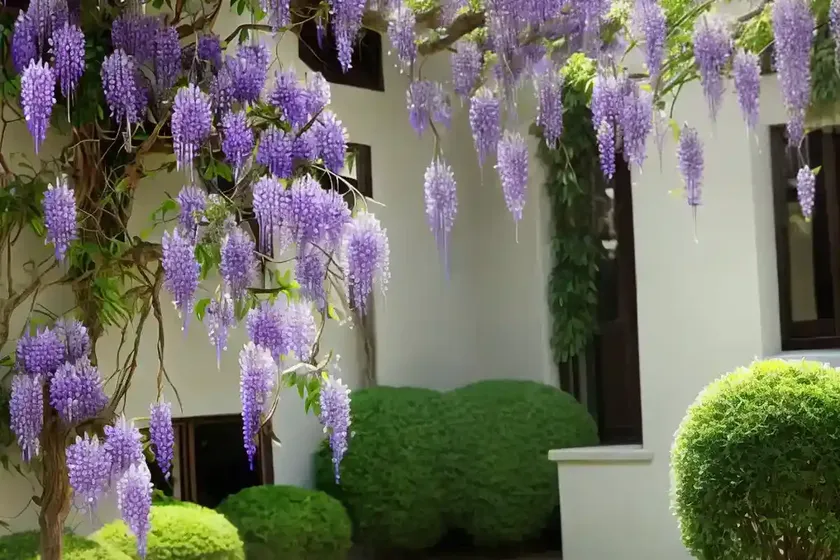


Wisteria sinensis, commonly known as Chinese Wisteria, is a stunningly beautiful and fragrant flowering vine that has captured the hearts of gardeners and nature enthusiasts around the world. This guide aims to provide a comprehensive overview of this remarkable plant, covering its culture, uses, care tips, propagation, common diseases, pests, and much more. Whether you are a seasoned plant enthusiast or a beginner looking to add a touch of elegance to your garden, this guide will equip you with the knowledge and skills to cultivate and care for Wisteria sinensis successfully.
What is Wisteria sinensis?
Wisteria sinensis is a species of woody, climbing vine in the pea family, Fabaceae, native to China. It is renowned for its enchanting, cascading clusters of fragrant, lavender-blue flowers that adorn the vine in spring, attracting pollinators and delighting onlookers with their beauty and sweet fragrance. The cultivar is a popular choice for beautifying gardens, arbors, and pergolas, creating a mesmerizing display with its gracefully drooping floral racemes.
Key Takeaways – Wisteria sinensis (Chinese Wisteria)
Before diving into the details of cultivation and care, let’s briefly summarize some key aspects of Chinese Wisteria:
- Scientific Name: Wisteria sinensis
- Common Name: Chinese Wisteria
- Plant Type: Deciduous climbing vine
- Flower Color: Lavender Blue
- Fragrance: Sweetly scented
- Native Habitat: China
- USDA Hardiness Zones: 5-8
- Uses: Ornamental, landscaping, shade provider
- Special Features: Attracts pollinators, visually striking
Now, let’s explore the essential elements of successfully cultivating and caring for Wisteria sinensis.
Culture
Successfully growing Wisteria sinensis requires an understanding of its specific cultural needs and requirements. Each aspect of its growth, from sunlight and water requirements to soil composition, plays a vital role in nurturing a healthy and flourishing plant.
Uses
Ornamental Beauty: Wisteria sinensis is primarily grown for its captivating ornamental beauty. The dense clusters of bluish-lavender flowers create an exquisite display, making it a popular choice for enhancing the aesthetics of gardens, parks, and landscapes.
Shade Provider: With its robust climbing nature, Wisteria sinensis can also serve as a natural shade provider when trained to grow over pergolas, trellises, and arbors. The lush foliage and abundant blossoms offer a cool and inviting retreat during warm weather.
Water
Proper watering is crucial to the health and vitality of Wisteria sinensis, especially during its formative years and flowering period. While the plant is relatively drought-tolerant once established, adequate moisture is essential for promoting robust growth and prolific flowering.
-
Establishment Phase: During the initial establishment phase, ensure consistent soil moisture, avoiding waterlogging while preventing the soil from drying out completely. Regular, deep watering is recommended to encourage strong root development.
-
Flowering Period: When Wisteria sinensis is in the flowering stage, monitor the soil moisture closely, providing sufficient water to support the energy-demanding process of flower formation and development. However, be cautious not to overwater, as excessive moisture can lead to root rot and other issues.
Sunlight
Wisteria sinensis thrives in full sun to partial shade, displaying the best flowering performance when provided with abundant sunlight. Incorporating the following sunlight guidelines will contribute to the plant’s overall vigor and blooming capacity:
-
Full Sun: For optimal flowering and lush growth, position Wisteria sinensis in a location that receives at least 6-8 hours of direct sunlight daily. Full sunlight exposure promotes prolific flowering and robust vegetative growth.
-
Partial Shade: In regions with intense summer heat, providing some protection from the harsh midday sun can be beneficial. Partial shade can prevent leaf scorch and minimize moisture loss due to excessive evaporation.
Fertilizer
Applying a balanced fertilizer regimen is essential for nourishing Wisteria sinensis and supporting its vigorous growth and blooming potential. By supplying the plant with the necessary nutrients, gardeners can ensure that it achieves its maximum ornamental value.
-
General Fertilization Guidelines: Begin fertilizing Wisteria sinensis in early spring, as new growth emerges. Use a complete, well-balanced fertilizer with a slightly higher phosphorus content to promote flowering.
-
Frequency: Apply fertilizer every 4-6 weeks during the growing season, tapering off in late summer to avoid stimulating late-season growth, which may be vulnerable to frost damage.
-
Organic Amendments: Organic fertilizers, such as compost and well-rotted manure, can be beneficial for enriching the soil and providing slow-release nutrients to the roots of Wisteria sinensis.
Soil
The soil composition significantly impacts the health and performance of Wisteria sinensis. Providing the plant with a suitable growing medium that meets its specific soil requirements is essential for fostering a robust and floriferous specimen.
-
Well-Draining Soil: Wisteria sinensis thrives in well-draining soil that prevents waterlogging and root suffocation. Sandy loam or loamy soil with good aeration is ideal for promoting healthy root development and overall plant vigor.
-
pH Level: The plant prefers slightly acidic to neutral soil, with a pH range of 6.0-7.0. Conducting a soil test can help determine the pH level and guide the necessary adjustments through the application of suitable amendments.
-
Organic Matter: Enhancing the soil with organic matter, such as compost or well-rotted manure, can improve its structure, fertility, and moisture retention capabilities. Mixing organic amendments into the soil promotes a favorable growing environment for Wisteria sinensis.
Pruning
Pruning is a crucial aspect of Wisteria sinensis care, enabling gardeners to shape the plant, manage its size, and stimulate prolific flowering. Additionally, regular pruning aids in maintaining the overall health and appearance of the vine.
-
Timing: Perform major pruning in late winter when the plant is dormant to minimize disruption to the flowering potential. Lighter, corrective pruning can be conducted throughout the growing season as needed.
-
Deadheading: After the flowering period, promptly deadhead the spent blooms to encourage the development of new flowering spurs. Removing the faded flowers prevents the plant from expending energy on seed production, redirecting its resources towards vegetative and floral growth.
-
Training: Train the young shoots and provide structural support to guide the growth of Wisteria sinensis. Proper training and trellising encourage an attractive, organized growth habit and facilitate the showcasing of the stunning floral display.
Propagation
The propagation of Wisteria sinensis involves several methods, including softwood cuttings, layering, and seed propagation. Each approach offers unique advantages and challenges, allowing plant enthusiasts to choose the most suitable technique based on their expertise and resources.
-
Softwood Cuttings: Propagating Wisteria sinensis from softwood cuttings provides a reliable method for creating genetic replicas of the parent plant. Softwood cuttings are taken in late spring or early summer, rooted in a suitable medium, and provided with the necessary care to promote successful establishment.
-
Layering: Air layering is an effective propagation method for Wisteria sinensis, involving the selection of a healthy, flexible stem that can be encouraged to develop roots while still attached to the parent plant. Once roots have formed, the new plant can be separated and transplanted.
-
Seed Propagation: Growing Wisteria sinensis from seeds is a viable but time-consuming method, requiring patience and a long-term perspective. Start the seeds in a well-draining, nutrient-rich medium, providing adequate warmth, moisture, and light to support germination and early growth.
Container Popularity
The allure of Wisteria sinensis extends to container gardening, where it can be cultivated to great effect in large pots, providing a portable, captivating display. The following factors contribute to the plant’s popularity in container gardening:
-
Aesthetics: Wisteria sinensis in a container is a visually striking addition to patios, balconies, and outdoor living spaces, adding a touch of natural elegance and charm.
-
Space Optimization: For gardeners with limited space or urban settings, growing Wisteria sinensis in containers offers an opportunity to enjoy its beauty without requiring extensive garden real estate.
-
Creative Versatility: Container-grown Wisteria sinensis can be incorporated into various design themes, including traditional, modern, and eclectic styles, allowing for artistic expression and customization.
Common Diseases
While generally resilient, Wisteria sinensis is susceptible to certain diseases and health issues that can impact its growth and flowering performance. Recognizing these common diseases and implementing preventive measures is crucial for safeguarding the plant’s well-being.
Disease Diagnosis
Powdery Mildew: Characterized by a powdery, white coating on the leaves and shoots, powdery mildew can diminish the vigor and aesthetics of Wisteria sinensis. This fungal disease thrives in humid, stagnant air and can be managed through proper cultural practices and, if necessary, fungicidal treatments.
Leaf Spot: Leaf spot diseases can manifest as dark, necrotic lesions on the foliage of Wisteria sinensis, potentially leading to defoliation and reduced photosynthetic capacity. Maintain good air circulation, avoid overhead watering, and utilize disease-resistant cultivars to mitigate the impact of leaf spot.
Root Rot: Excessive soil moisture and poor drainage can contribute to the development of root rot in Wisteria sinensis, causing the roots to decay and compromise the plant’s overall health. Implementing proper watering practices and ensuring well-draining soil are essential preventive measures.
Common Pests
Pest infestations can pose a threat to the well-being of Wisteria sinensis, necessitating vigilant monitoring and prompt intervention to prevent significant damage. Identifying the common pests and adopting effective control measures is pivotal for preserving the plant’s vitality.
Botanist’s Tips
Aphids: These tiny, sap-sucking insects can colonize the tender shoots and foliage of Wisteria sinensis, causing distortion and discoloration of the plant tissues. Regularly inspect the plant for aphid activity and introduce natural predators or gentle insecticidal solutions to deter their presence.
Caterpillars: Certain caterpillar species, such as the wisteria caterpillar (Homadaula anisocentra), can feed on the leaves of Wisteria sinensis, potentially defoliating the plant and compromising its resilience. Manual removal and selective insecticide application can help manage caterpillar populations.
Spider Mites: Spider mites are known to infest Wisteria sinensis, particularly in dry and warm conditions, leading to stippling and discoloration of the leaves. Employing natural predators, increasing humidity, and employing horticultural oils can assist in controlling spider mite populations.
Fun Facts
Before concluding our comprehensive guide to Wisteria sinensis care and cultivation, here are some intriguing and entertaining fun facts about this enchanting plant:
-
Cultural Symbolism: In various cultures, Wisteria sinensis is associated with diverse symbolic meanings, including love, longevity, and the passage of time. Its exquisite blooms have inspired poets, artists, and storytellers throughout history.
-
Rapid Growth: Wisteria sinensis is known for its vigorous growth rate under favorable conditions, with the potential to reach impressive lengths and cover expansive surfaces with its cascading foliage and floral pendicles.
-
Ethnobotanical Uses: In traditional medicine, certain parts of Wisteria sinensis have been utilized for their potential medicinal properties, serving as ingredients in herbal remedies and tonics.
-
Feng Shui Significance: In the practice of feng shui, Wisteria sinensis is believed to embody qualities of abundance, beauty, and harmonious energy, making it a favored ornamental plant for enhancing the flow of positive chi.
-
Scented Varieties: While the typical flower color of Wisteria sinensis is bluish-lavender, fragrant white and pink varieties also exist, adding diversity and olfactory allure to the spectrum of available cultivars.
-
Horticultural Legacies: Several historic and renowned gardens around the world feature majestic displays of Wisteria sinensis, showcasing its timeless appeal and botanical magnificence.
Links to External Resources
For further exploration and in-depth understanding of Wisteria sinensis (Chinese Wisteria), here are some recommended external resources:
- Royal Horticultural Society – Wisteria sinensis
- Missouri Botanical Garden – Wisteria sinensis
- University of Florida IFAS Extension – Wisteria Cultivation Guide
In conclusion, Wisteria sinensis (Chinese Wisteria) stands as a captivating botanical gem, enchanting admirers with its graceful vines, fragrant blooms, and enduring allure. Embracing the guidelines and insights presented in this comprehensive guide will empower enthusiasts to cultivate, cherish, and celebrate the timeless beauty of Wisteria sinensis in their natural and cultivated landscapes.


