Wisteria Frutescens (American Wisteria)
Wisteria frutescens, commonly known as American Wisteria, is a captivating flowering plant native to the southeastern United States. This plant is.
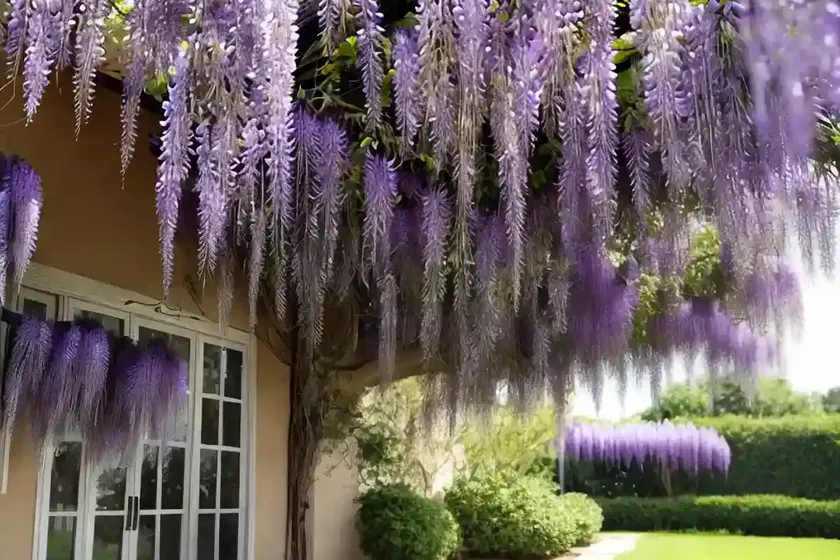
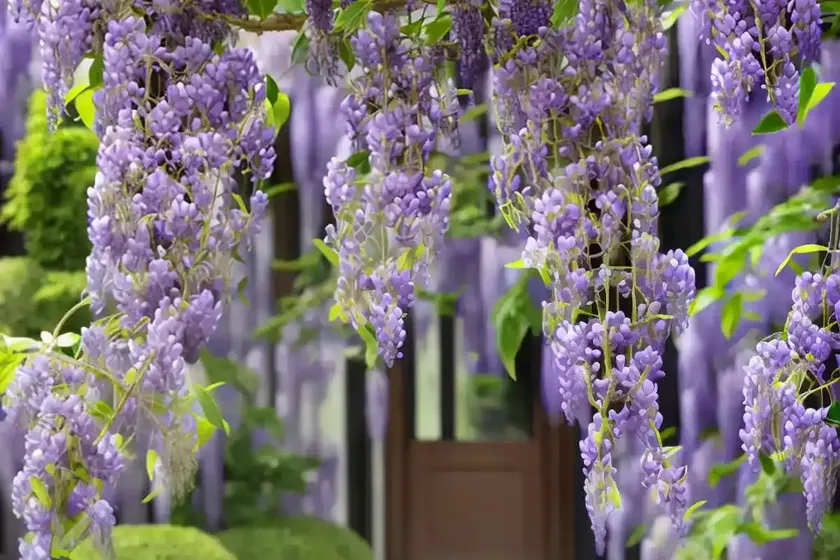
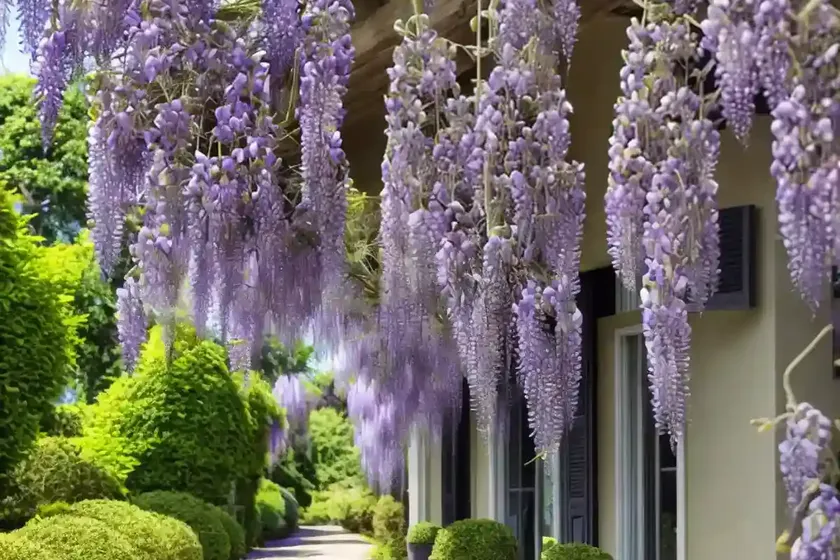
Wisteria frutescens, commonly known as American Wisteria, is a captivating flowering plant native to the southeastern United States. This plant is celebrated for its stunning cascades of blooms, which make it a cherished addition to gardens, landscapes, and even containers. In this comprehensive guide, we will explore every aspect of Wisteria frutescens, from its cultivation and care to its unique characteristics and ecological significance.
What is Wisteria frutescens?
Wisteria frutescens belongs to the Fabaceae family and is a deciduous climbing vine distinguished by its elongated, compound leaves and visually striking, fragrant flowers. It is often trained to grow on arbors, trellises, and pergolas due to its vigorous climbing nature. While it shares similarities with the more widely known Asian Wisteria species, Wisteria frutescens boasts several unique attributes that set it apart.
| Feature | Description |
|---|---|
| Botanical Name | Wisteria frutescens |
| Common Name | American Wisteria |
| Family | Fabaceae |
| Native to | Southeastern United States |
| Type | Deciduous climbing vine |
| Blooms | Lavender or blue-violet, fragrant, pea-like flowers in cascading clusters |
| Foliage | Compound leaves with 11 to 15 leaflets |
| Sun Requirement | Full sun for optimal flowering |
| Hardiness Zones | 5 to 9 |
| Growth Habit | Vigorous climbing vine |
Key Takeaways – Wisteria frutescens (American Wisteria)
Culture
Wisteria frutescens has been a part of American gardens for centuries, adding an air of elegance and enchantment to landscapes. Understanding its preferred culture is essential for successful cultivation.
-
Native Habitat: Wisteria frutescens thrives in the understory of deciduous forests and along stream banks in the southeastern United States, preferring moist, well-drained soils.
-
Climatic Suitability: It is ideally suited for hardiness zones 5 to 9, where it can experience cold temperatures and adequate chilling hours during the winter.
-
Landscape Use: Its vigorous climbing habit makes it an excellent choice for covering walls, arbors, and other structures, creating dramatic and picturesque displays.
-
Soil Preference: Rich, loamy, and slightly acidic soils that are well-drained are conducive to the healthy growth of Wisteria frutescens.
Uses
The beauty and fragrance of Wisteria frutescens have made it valuable not only as an ornamental plant in gardens but also in various other applications.
-
Aesthetic Appeal: Wisteria frutescens is primarily cultivated for its enchanting display of cascading, fragrant flowers, which make it an ideal choice for adding charm to outdoor spaces.
-
Wildlife Attraction: Its blooms attract pollinators like bees, butterflies, and hummingbirds, enhancing the ecological appeal of gardens.
-
Medicinal Applications: While caution must be exercised, as various parts of the plant are toxic, traditional medicinal uses of Wisteria frutescens have been reported in some cultures for specific ailments.
Water
Understanding the water requirements of Wisteria frutescens is crucial for maintaining its health and promoting optimal flowering.
-
Established Plants: Once established, this plant is moderately drought-tolerant, but regular watering, especially during the flowering and fruiting period, promotes healthier growth and abundant blooms.
-
Young Plants: Newly planted Wisteria frutescens should be watered more frequently to ensure that the root system becomes established.
Sunlight
Proper exposure to sunlight is essential for ensuring prolific flowering and robust growth in Wisteria frutescens.
-
Full Sun: It thrives in full sun conditions, receiving at least 6 to 8 hours of direct sunlight daily, which enhances its blooming potential.
-
Shade Tolerance: While it prefers full sun, Wisteria frutescens can tolerate partial shade, but this might result in reduced flowering.
Fertilizer
Fertilization plays a vital role in the growth, development, and flowering of Wisteria frutescens.
-
Timing: The application of a balanced fertilizer in early spring, just before the onset of new growth, and again after flowering can provide the necessary nutrients for vigorous growth and abundant blooms.
-
Composition: A fertilizer with balanced NPK (nitrogen, phosphorus, and potassium) ratios or one higher in phosphorus can encourage flowering.
Soil
The right soil conditions are crucial for ensuring the well-being and longevity of Wisteria frutescens.
-
Drainage: Well-draining soils are vital for preventing waterlogging, which can be detrimental to the plant.
-
Acidity: Slightly acidic to neutral soils with a pH range of 6.0 to 7.0 is ideal for the healthy growth of Wisteria frutescens.
Pruning
Pruning is an essential cultural practice for controlling the growth, promoting flowering, and maintaining the structural integrity of Wisteria frutescens.
-
Timing: Regular pruning should be carried out in late winter or early spring to remove dead or overcrowded branches and shape the plant.
-
Pruning for Flowering: Pruning directly after flowering helps to induce the next season’s bloom by promoting the growth of new flowering spurs.
Propagation
The ability to propagate Wisteria frutescens through various methods allows for the easy expansion of its presence in gardens and landscapes.
-
Methods: It can be propagated through softwood cuttings, hardwood cuttings, layering, or by seed, although the latter requires patience due to the time it takes for the plant to reach maturity and flower.
-
Success Rate: Softwood cuttings taken during the active growing season tend to root most successfully.
Container Popularity
The adaptable nature and growth habit of Wisteria frutescens make it a popular choice for container gardening.
-
Suitable Varieties: Compact or dwarf varieties are better suited for container cultivation due to their restrained growth habits.
-
Training and Support: Regular maintenance, including pruning and providing a sturdy trellis or support system, is crucial for container-grown Wisteria frutescens.
Container Common Diseases
While container cultivation offers some degree of protection, it is essential to be mindful of potential diseases that may affect Wisteria frutescens in containers.
-
Root Rot: Overwatering and poorly-drained soils in containers can lead to root rot, which can be detrimental to the health of the plant.
-
Pest Infestations: Insect pests such as aphids, scale insects, and spider mites can pose a threat to container-grown Wisteria frutescens.
Disease Diagnosis
Understanding the signs and symptoms of common diseases that affect Wisteria frutescens is crucial for implementing effective control measures.
-
Powdery Mildew: The appearance of a white, powdery substance on the leaves indicates an infestation of powdery mildew, which can be controlled by improving air circulation and applying fungicidal treatments.
-
Canker: Sunken, discolored lesions with oozing sap are characteristic of canker diseases, which can be managed through proper sanitation and pruning affected plant parts.
Common Pests
Being vigilant about identifying and addressing potential pest infestations is essential for safeguarding the health of Wisteria frutescens.
-
Aphids: These small insects feed on the sap of the plant, causing distorted growth and the development of sticky honeydew on the foliage.
-
Scale Insects: Scale infestations can cause wilting, yellowing, and premature leaf drop in Wisteria frutescens, requiring prompt treatment.
Botanist’s Tips
The following tips can aid in the successful cultivation and care of Wisteria frutescens, ensuring optimal growth and profuse flowering.
-
Vigorous Growth: Regular pruning and training of the plant during its early years can help to establish a well-structured and balanced framework.
-
Structural Support: Sturdy trellises or supports are essential for sustaining the weight of the plant as it matures and producing its abundant blooms.
Fun Facts
- Wisteria frutescens is the host plant for the caterpillars of several butterfly species, contributing to the biodiversity and ecological balance of its habitat.
- The stunning beauty of Wisteria frutescens has inspired numerous artworks and cultural representations, symbolizing beauty, grace, and longevity.
Links to External Resources
For further information and in-depth insights into Wisteria frutescens, consider exploring the following external resources:
- American Wisteria – University of Florida IFAS Extension
- Growing and Caring for Wisteria – Clemson Cooperative Extension
- Wisteria frutescens Profile – Missouri Botanical Garden
Conclusion
Wisteria frutescens, or American Wisteria, is a captivating and culturally significant plant that has captured the hearts of gardeners and enthusiasts for generations. It epitomizes natural beauty, exuding grace and charm through its abundant clusters of fragrant flowers and lush foliage. By understanding its culture, care requirements, and ecological significance, individuals can cultivate and appreciate the enchanting allure of this native American vine in their outdoor spaces. Whether adorning a trellis, cascading over an arbor, or gracing a container, Wisteria frutescens continues to fascinate and inspire, enhancing the natural splendor of its surroundings.
As you embark on your journey of embracing and cultivating Wisteria frutescens, may this comprehensive guide serve as a beacon of knowledge and inspiration, enabling you to nurture and cherish the captivating presence of this remarkable American native in your garden and beyond.


