Wisteria Floribunda ‘Yae-kokuryu’ (Japanese Wisteria)
Wisteria floribunda ‘Yae-kokuryu’, commonly known as Japanese Wisteria, is a stunning and popular flowering plant known for its cascading clusters of.
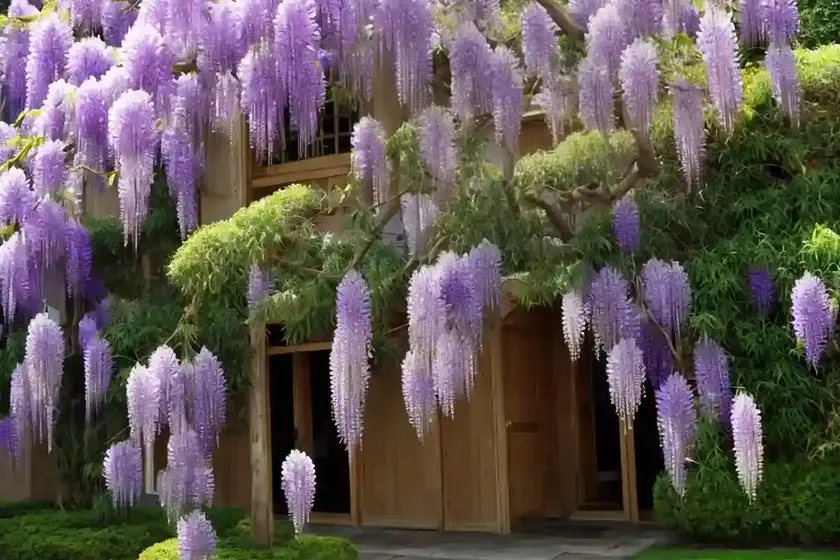
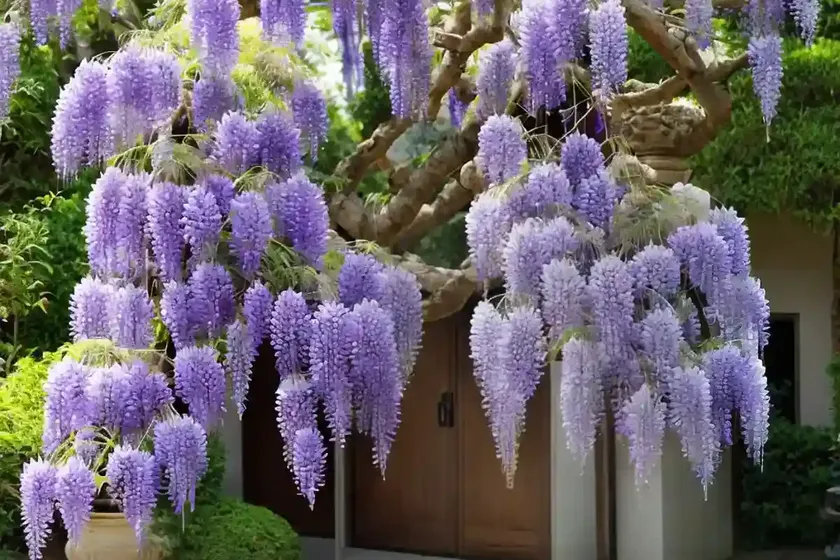
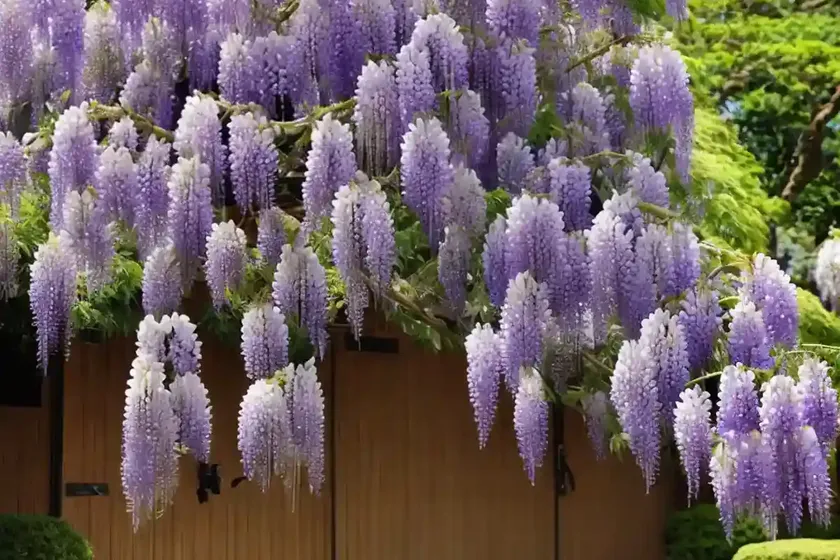
Wisteria floribunda ‘Yae-kokuryu’, commonly known as Japanese Wisteria, is a stunning and popular flowering plant known for its cascading clusters of fragrant, pea-like flowers. This woody, twining vine belongs to the Fabaceae family and is native to Japan. With its charming beauty and enchanting fragrance, the Wisteria floribunda ‘Yae-kokuryu’ has become a favorite in gardens, parks, and landscapes across the world. In this comprehensive guide, we will explore the various aspects of this captivating plant, including its characteristics, cultivation, care, and maintenance.
What is Wisteria floribunda ‘Yae-kokuryu’?
Wisteria floribunda ‘Yae-kokuryu’ is a vigorous, deciduous climbing vine that can reach impressive heights. Its picturesque, pendulous flower clusters, which appear in late spring to early summer, make it a cherished addition to any garden or landscape. The name “Yae-kokuryu” translates to “double black dragon,” referencing the rich, deep purple color of the flowers and signifying elegance and strength.
Wisteria floribunda ‘Yae-kokuryu’ Description
The Japanese Wisteria is celebrated for its splendid display of flowers and its vigorous growth. The beautiful foliage and enchanting fragrance add to its allure, making it a sought-after ornamental plant. The enchanting blooms, along with its distinctive growth habits, contribute to its popularity among gardeners and plant enthusiasts.
Japanese Wisteria Varieties
The Wisteria genus comprises several species and cultivars, each with its own unique characteristics and charm. In addition to Wisteria floribunda ‘Yae-kokuryu,’ there are other noteworthy varieties of Japanese Wisteria, such as Wisteria floribunda ‘Violacea Plena,’ Wisteria floribunda ‘Shiro Noda,’ and Wisteria floribunda ‘Fujino-mai.’
Wisteria Flowers
The flowers of Wisteria floribunda ‘Yae-kokuryu’ are a sight to behold. They are produced in dense, cascading racemes, each containing numerous pea-like blooms. The flowers come in a variety of shades, predominantly in purple hues, and exude a sweet, intoxicating fragrance that attracts bees, butterflies, and other pollinators.
Key Takeaways – Wisteria floribunda ‘Yae-kokuryu’
Before delving into the specific care and cultivation guidelines for Wisteria floribunda ‘Yae-kokuryu,’ let’s explore some key takeaways about this exquisite plant.
-
Culture
- The cultural significance of Japanese Wisteria in traditional Japanese gardens and landscapes.
- The portrayal of Wisteria floribunda ‘Yae-kokuryu’ in art, literature, and folklore.
-
Uses
- The ornamental value of Wisteria floribunda ‘Yae-kokuryu’ in landscaping and gardens.
- Traditional and contemporary applications of Wisteria flowers and foliage in floral arrangements.
-
Water
- The water requirements of Wisteria floribunda ‘Yae-kokuryu’ for optimal growth and flowering.
- Strategies for efficient watering and irrigation in both garden and container cultivation.
-
Sunlight
- The sunlight preferences of Japanese Wisteria for abundant blooming and healthy foliage.
- Guidelines for selecting suitable planting locations based on light exposure.
-
Fertilizer
- The importance of balanced nutrition for the vigorous growth and prolific flowering of Wisteria floribunda ‘Yae-kokuryu.’
- Recommended fertilization practices and formulations for different stages of plant development.
-
Soil
- The significance of well-draining, nutrient-rich soil for the successful cultivation of Wisteria floribunda ‘Yae-kokuryu.’
- Soil amendment recommendations and soil pH considerations for optimal plant health.
-
Pruning
- Pruning techniques for shaping, training, and rejuvenating Wisteria floribunda ‘Yae-kokuryu.’
- The timing and frequency of pruning to maintain a balance between vegetative growth and flowering.
-
Propagation
- Methods for propagating Wisteria floribunda ‘Yae-kokuryu’ through seeds, cuttings, and layering.
- Tips for ensuring successful propagation and establishing new Wisteria plants.
-
Container Popularity
- The growing trend of cultivating Wisteria floribunda ‘Yae-kokuryu’ in containers and confined garden spaces.
- Considerations for container selection, soil mixtures, and container-grown plant care.
-
Container Common Diseases
- Common diseases that can affect Wisteria floribunda ‘Yae-kokuryu’ when grown in containers.
- Strategies for disease prevention and management in potted Wisteria plants.
-
Disease Diagnosis
- Symptoms of common Wisteria diseases and disorders.
- Diagnostic measures and treatment options for addressing plant health issues.
-
Common Pests
- The pests and insect pests that can threaten the health and vigor of Wisteria floribunda ‘Yae-kokuryu.’
- Integrated pest management strategies for controlling Wisteria pests effectively.
-
Botanist’s Tips
- Insights and recommendations from botanists and horticulturists for successfully growing and caring for Wisteria floribunda ‘Yae-kokuryu.’
- Expert advice on maximizing the ornamental potential of Japanese Wisteria in diverse garden settings.
-
Fun Facts
- Intriguing and lesser-known facts about the history, symbolism, and cultural significance of Wisteria floribunda ‘Yae-kokuryu.’
- Remarkable features and adaptations of Japanese Wisteria that contribute to its charismatic appeal.
Wisteria floribunda ‘Yae-kokuryu’ Care and Cultivation
Caring for Wisteria floribunda ‘Yae-kokuryu’ entails understanding its specific requirements for water, sunlight, fertilizer, soil, pruning, and propagation. Additionally, it involves being attentive to potential diseases and pests that may affect the plant. In this section, we will delve into the practical aspects of nurturing and cultivating this extraordinary flowering vine.
Water
The water requirements of Wisteria floribunda ‘Yae-kokuryu’ are influenced by various factors, including climate, soil conditions, and plant growth stage. Adequate moisture is essential for promoting healthy growth, lush foliage, and abundant flowering in Japanese Wisteria. Here are some key considerations for watering this ornamental vine:
-
Watering Guidelines:
- Provide regular, consistent moisture, especially during the active growing season and flowering period.
- Ensure proper drainage to prevent waterlogged soil, which can lead to root rot.
- Adjust watering frequency based on environmental conditions, such as temperature and humidity, to prevent under-watering or over-watering.
-
Irrigation Techniques:
- Employ drip irrigation or soaker hoses to deliver water directly to the root zone, minimizing water wastage and foliage wetting.
- Mulch the soil around the base of the Wisteria plant to retain soil moisture and reduce water evaporation.
-
Watering Container-Grown Wisteria:
- Monitor the moisture levels in Wisteria containers regularly, as they may require more frequent watering than plants in the ground.
- Water Wisteria in containers when the top inch of the soil feels dry to the touch, ensuring thorough saturation of the root ball.
Sunlight
Japanese Wisteria thrives in bright, full sunlight, which is essential for promoting vigorous growth and profuse flowering. Adequate exposure to sunlight is crucial for the overall health and performance of Wisteria floribunda ‘Yae-kokuryu.’ Consider the following aspects when determining the sunlight requirements for this captivating vine:
-
Optimal Sunlight Exposure:
- Select planting locations with at least 6 to 8 hours of direct sunlight per day for optimal flowering and robust growth.
- Avoid shaded or heavily shaded areas that can impede the flowering capacity of Wisteria floribunda ‘Yae-kokuryu.’
-
Sunlight in Different Climates:
- In regions with intense summer heat, provide partial shade during the hottest part of the day to prevent leaf scorch and dehydration.
- Balance sunlight exposure in cooler climates, ensuring that Wisteria receives sufficient warmth and light for healthy growth.
-
Sunlight Management in Containers:
- Position Wisteria containers in areas with ample sunlight, rotating them periodically to ensure even sun exposure on all sides of the plant.
- Utilize moveable shading structures or screens for regulating light levels in container-grown Wisteria, especially during hot summer days.
Fertilizer
Wisteria floribunda ‘Yae-kokuryu’ benefits from regular fertilization to support its vigorous growth and abundant flowering. The application of balanced and appropriate fertilizers is essential for meeting the nutritional demands of Japanese Wisteria and enhancing its ornamental appeal. Consider the following fertilizer-related guidelines for cultivating healthy Wisteria:
-
Fertilization Schedule:
- Apply a balanced, slow-release fertilizer formulated for flowering vines and woody plants in early spring before the onset of new growth.
- Repeat fertilizer applications in late spring and early summer to supply essential nutrients during the peak flowering period.
-
Fertilizer Formulations:
- Use a fertilizer with a balanced N-P-K ratio, such as 10-10-10 or 5-10-10, to provide sufficient nitrogen, phosphorus, and potassium for Wisteria floribunda ‘Yae-kokuryu.’
- Consider organic fertilizers, such as compost or well-decomposed manure, as natural alternatives to synthetic formulations.
-
Fertilizer Application Techniques:
- Broadcast the fertilizer evenly around the base of the Wisteria vine, keeping it away from direct contact with the stems and foliage.
- Incorporate granular fertilizers into the soil surface, followed by thorough watering to facilitate nutrient absorption.
Soil
The quality and composition of the soil significantly impact the growth, flowering, and overall health of Wisteria floribunda ‘Yae-kokuryu.’ Well-draining, fertile soil with a slightly acidic to neutral pH is ideal for cultivating this spectacular vine. Consider the following soil-related considerations for successful Wisteria cultivation:
-
Soil Characteristics:
- Use well-draining, loamy soil with ample organic matter to promote robust root development and prevent waterlogging.
- Ensure adequate aeration and soil porosity to facilitate root respiration and nutrient uptake in Wisteria floribunda ‘Yae-kokuryu.’
-
Soil Amendment Practices:
- Incorporate organic matter, such as compost, aged manure, or peat moss, into the planting area to improve soil structure and fertility.
- Perform periodic soil tests to monitor pH levels and nutrient concentrations, making amendments as necessary to maintain optimal soil conditions.
-
Container Soil Requirements:
- Select a high-quality potting mix specifically formulated for flowering vines or woody ornamentals when cultivating Wisteria in containers.
- Ensure effective drainage in Wisteria containers by providing ample drainage holes and utilizing a lightweight, well-aerated soil mixture.
Pruning
Pruning is an essential aspect of Wisteria floribunda ‘Yae-kokuryu’ care, helping to maintain a balanced growth habit, encourage flowering, and enhance the ornamental appeal of the plant. Proper pruning practices are crucial for managing the vigorous growth and unruly vines of Japanese Wisteria. Take note of the following pruning guidelines for cultivating well-maintained Wisteria plants:
-
Pruning Timing:
- Perform major pruning during late winter or early spring while the plant is dormant to shape and control the growth of Wisteria floribunda ‘Yae-kokuryu.’
- Conduct selective pruning immediately after the flowering period to remove spent blooms and reduce excessive vegetative growth.
-
Pruning Techniques:
- Employ sharp, clean pruning tools, such as hand pruners and loppers, to make precise cuts and avoid damage to the Wisteria vines.
- Thin out crowded or tangled growth, prune back excessively long shoots, and remove any dead or diseased wood to maintain plant vigor.
-
Pruning for Aesthetic Appeal:
- Train and shape Wisteria floribunda ‘Yae-kokuryu’ to a desired form, such as an arbor, pergola, or freestanding standard, through strategic pruning and training of the main stems.
- Create an open, airy structure by selectively removing side shoots and lateral growth to enhance the visual impact of the flowering clusters.
Propagation
The propagation of Wisteria floribunda ‘Yae-kokuryu’ allows for the expansion of its presence in gardens and landscapes. Various methods, such as seed propagation, softwood cuttings, and layering, can be employed to establish new Wisteria plants. Consider the following aspects of propagating Japanese Wisteria:
-
Seed Propagation:
- Harvest mature Wisteria seeds from the pods and sow them in well-draining seed-starting mix in early spring.
- Provide consistent moisture, warmth, and indirect light for germinating Wisteria seeds, and transplant the seedlings into individual containers upon reaching a suitable size.
-
Softwood Cutting Propagation:
- Take softwood cuttings from actively growing Wisteria shoots in late spring or early summer, ensuring they are free from flowers and buds.
- Dip the cut ends of the softwood cuttings in a rooting hormone and plant them in a well-draining medium, maintaining high humidity and warmth to promote root development.
-
Layering Propagation:
- Encourage the formation of roots on a selected Wisteria stem by bending it to the ground and burying a portion of it in the soil.
- Once roots have developed at the buried section, separate the rooted stem from the parent plant and transplant it to a new location for establishment.
Container Gardening
Cultivating Wisteria floribunda ‘Yae-kokuryu’ in containers presents an opportunity to enjoy the beauty of this flowering vine in confined spaces, such as patios, balconies, and small gardens. Successful container gardening requires attention to specific considerations to ensure the well-being of the potted Wisteria. Take note of the following guidelines for container cultivation:
-
Container Selection:
- Choose large, sturdy containers with ample drainage holes to accommodate the extensive root system and vigorous growth of Wisteria floribunda ‘Yae-kokuryu.’
- Opt for lightweight, weather-resistant containers to facilitate movement and repositioning as needed.
-
Soil Mixtures:
- Select a well-aerated, fertile potting mix designed for woody plants and flowering vines to provide a suitable growing medium for Wisteria in containers.
- Use a mix that retains moisture while allowing excess water to drain freely, preventing soil compaction and waterlogging.
-
Container Placement:
- Position Wisteria containers in locations that receive abundant sunlight, ensuring the availability of at least 6 to 8 hours of direct sun exposure per day.
- Facilitate air circulation around the container-grown Wisteria, avoiding excessively confined or sheltered areas.
Popularity
The widespread popularity of Wisteria floribunda ‘Yae-kokuryu’ as a cherished ornamental plant extends to various settings, including public gardens, private landscapes, and botanical collections. Japanese Wisteria is celebrated for its enchanting beauty, captivating fragrance, and versatile applications in ornamental horticulture. As a favored choice among gardeners and enthusiasts, Wisteria floribunda ‘Yae-kokuryu’ has earned a distinguished place in horticultural traditions and contemporary landscapes.
Common Diseases
While Wisteria floribunda ‘Yae-kokuryu’ is generally resilient, it is susceptible to certain diseases that can compromise its health and vigor. Familiarizing oneself with common Wisteria diseases and their symptoms is crucial for timely intervention and effective disease management. Be vigilant for the following diseases that may affect Japanese Wisteria:
-
Powdery Mildew (Erysiphe spp.):
- Characterized by white, powdery fungal growth on the foliage, stems, and flowers of Wisteria.
- Maintain good air circulation and avoid excess moisture to prevent powdery mildew infestations.
-
Leaf Spot (Pseudocercospora spp.):
- Leads to the formation of brown, irregular spots on Wisteria leaves, potentially causing premature defoliation.
- Practice sanitation and remove infected plant debris to reduce the spread of leaf spot diseases.
-
Dieback and Wilt (Botryosphaeria spp.):
- Results in the dieback of Wisteria stems and branches, often accompanied by wilting and canopy thinning.
- Prune affected plant parts and promote overall plant health through proper cultural practices to minimize dieback and wilt.
Disease Diagnosis
Detecting and diagnosing diseases in Wisteria floribunda ‘Yae-kokuryu’ requires keen observation and familiarity with the symptoms associated with common plant ailments. Upon noticing any signs of distress or abnormalities, it is essential to assess the condition of the Wisteria plant to identify potential disease issues. Contacting a local extension service or plant health diagnostic laboratory can provide assistance in accurately diagnosing Wisteria diseases.
Common Pests
Pests can pose a threat to the vitality and aesthetics of Wisteria floribunda ‘Yae-kokuryu,’ necessitating proactive pest management measures to mitigate potential damage. By recognizing the signs of pest infestations and understanding the behavior of common Wisteria pests, gardeners can effectively protect their plants from harm. Keep an eye out for the following pests that may target Japanese Wisteria:
-
Aphids:
- Small, soft-bodied insects that cluster on the undersides of Wisteria leaves and produce sticky honeydew.
- Introduce natural predators, such as ladybugs or lacewings, to control aphid populations and minimize damage.
-
Scale Insects:
- Encrusted, immobile pests that attach to Wisteria stems and feed on plant sap, weakening the affected areas.
- Employ horticultural oils or insecticidal soaps to manage scale infestations, carefully treating all affected plant surfaces.
-
Caterpillars:
- Larval stages of various moth species that consume Wisteria leaves and may defoliate the plant if present in large numbers.
- Handpick caterpillars when feasible, and consider the application of biological or low-impact insecticides to control caterpillar populations.
Botanist’s Tips
Drawing from the expertise and insights of botanists and horticulturists can provide valuable guidance for successfully growing, nurturing, and showcasing the splendor of Wisteria floribunda ‘Yae-kokuryu.’ Utilizing the knowledge and recommendations of botanical professionals can enrich the experience of cultivating Japanese Wisteria and enhance its ornamental potential in diverse garden settings.
Fun Facts
Uncover the enchanting world of Wisteria floribunda ‘Yae-kokuryu’ through intriguing and


