Wisteria Floribunda ‘Violacea Plena’ (Japanese Wisteria)
Wisteria floribunda, commonly known as Japanese wisteria, is a species of flowering plant in the pea family, Fabaceae, native to Japan. It is renowned for.
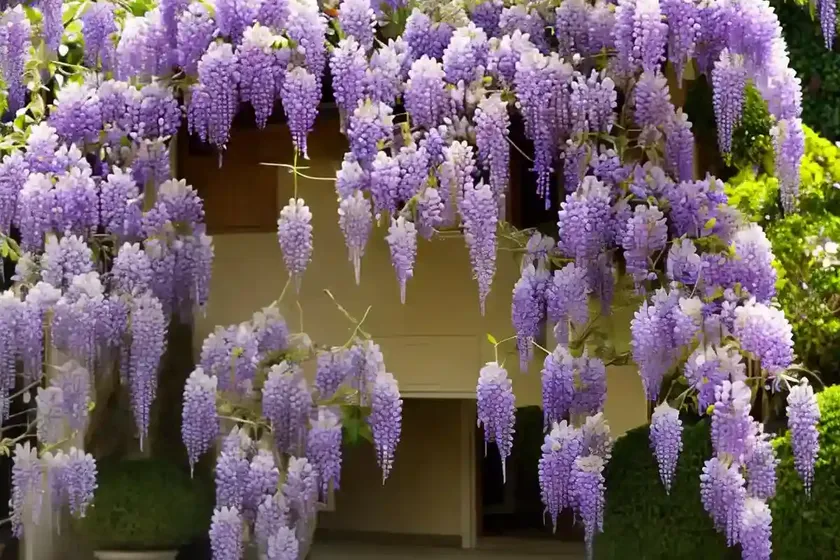
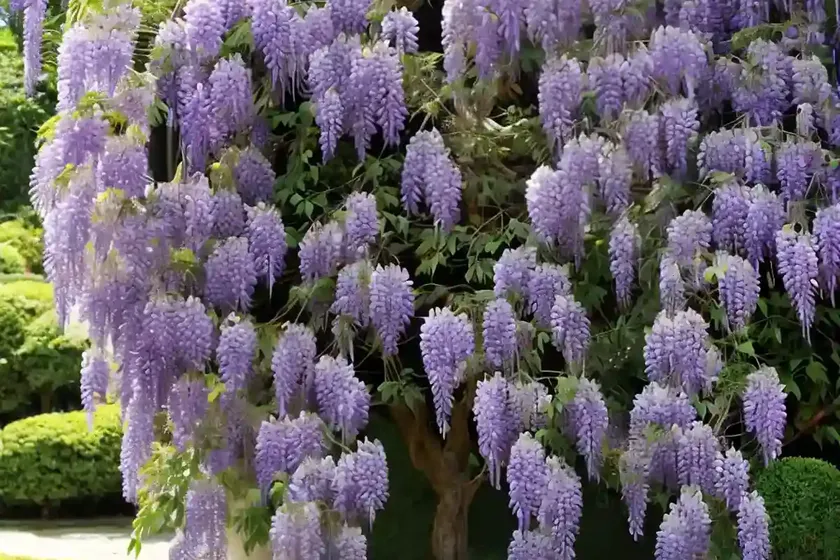
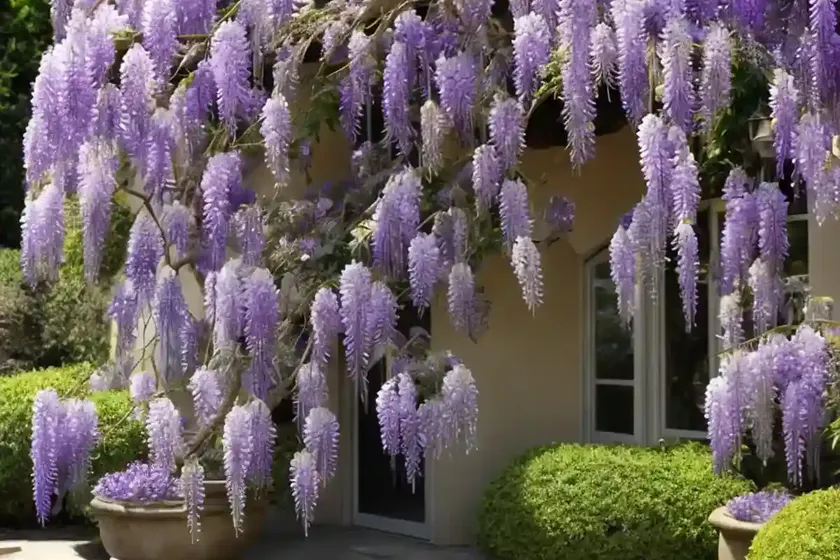
Wisteria floribunda, commonly known as Japanese wisteria, is a species of flowering plant in the pea family, Fabaceae, native to Japan. It is renowned for its spectacular show of fragrant and elegant cascading flowers, making it a popular choice for gardens and landscapes. Among the various cultivars of Wisteria floribunda, ‘Violacea Plena’ stands out for its beautiful double violet flowers and vigorous growth. This blog post will explore the culture, uses, care, and maintenance of Wisteria floribunda ‘Violacea Plena’, providing valuable insights and tips for plant enthusiasts and gardeners.
Key Takeaways
- Scientific Name: Wisteria floribunda ‘Violacea Plena’
- Common Name: Japanese Wisteria
- Flower Color: Double violet
- Cultivar Type: Deciduous vine
- Fragrance: Highly fragrant flowers
- Uses: Ornamental, decorative, and wildlife-attracting plant
- Special Feature: Showy, cascading flowers
The key takeaways provide a brief overview of the important features of Wisteria floribunda ‘Violacea Plena’, setting the stage for a detailed exploration of this exquisite plant.
Culture
Understanding the cultural requirements of Wisteria floribunda ‘Violacea Plena’ is crucial for its successful growth and development. From water and sunlight needs to soil requirements and maintenance, the cultural aspects play a significant role in nurturing this beautiful Japanese wisteria.
Water
Proper watering is essential for the healthy growth of Wisteria floribunda ‘Violacea Plena’. Here are some key points to consider:
- Watering Frequency: Requires regular and consistent watering, particularly during the establishment phase and flowering period.
- Soil Moisture: Prefers well-draining soil to prevent waterlogging, which can lead to root rot.
- Drought Tolerance: Once established, it exhibits good drought tolerance, but regular watering is recommended during prolonged dry spells.
Sunlight
Adequate sunlight is vital for the optimal blooming and overall vigor of Wisteria floribunda ‘Violacea Plena’. Consider the following:
- Sun Exposure: Thrives in full sunlight to partial shade. However, to encourage prolific flowering, it should receive at least 6-8 hours of direct sunlight daily.
- Shade Tolerance: Can tolerate some shade, but flowering may be reduced in shaded conditions.
Soil
The choice of soil and its preparation are crucial for the successful cultivation of Wisteria floribunda ‘Violacea Plena’:
- Soil Type: Thrives in rich, fertile, and well-draining soil. Loamy soil with a slightly acidic to neutral pH is ideal.
- Soil Preparation: Prior to planting, amend the soil with organic matter and ensure good drainage to promote healthy root development.
Fertilizer
Utilizing the right fertilization approach can significantly enhance the growth and flowering of Wisteria floribunda ‘Violacea Plena’. Here are some fertilizer-related considerations:
- Fertilizer Type: Use a balanced, slow-release fertilizer with a higher phosphorus content to promote flowering and overall plant vigor.
- Fertilizer Application: Apply the fertilizer in early spring before the onset of new growth, and again after flowering to support the development of the next season’s flowers.
Pruning
Pruning is an essential aspect of Wisteria floribunda ‘Violacea Plena’ care and maintenance, contributing to improved flowering and a more structured growth habit. Key points to note include:
- Pruning Time: Undertake pruning during the dormant season in late winter or early spring to shape the plant, remove dead or tangled branches, and encourage flowering spurs.
- Pruning Technique: Utilize proper pruning techniques to manage the vine’s growth, promote air circulation, and maintain its aesthetic appeal.
Propagation
Understanding the propagation methods applicable to Wisteria floribunda ‘Violacea Plena’ is valuable for gardeners looking to expand their garden’s wisteria collection. Consider the following:
- Propagation Techniques: Can be propagated from softwood cuttings, hardwood cuttings, or through layering.
- Optimal Time for Propagation: Softwood and hardwood cuttings are best taken during the spring and early summer months.
Uses
Wisteria floribunda ‘Violacea Plena’ offers a range of ornamental and decorative uses, enhancing the beauty of gardens, landscapes, and outdoor spaces.
- Garden Ornament: An exquisite addition to garden landscapes, pergolas, trellises, and arbors, adding a touch of elegance and charm with its cascading flowers.
- Wildlife Habitat: Attracts pollinators such as bees and butterflies, contributing to the biodiversity of the garden ecosystem.
- Fragrant Display: The highly fragrant flowers create a captivating sensory experience, making it a popular choice for gardens and outdoor seating areas.
Container Popularity
While Wisteria floribunda ‘Violacea Plena’ is often cultivated as a vine in gardens, it also exhibits potential for container gardening, allowing it to thrive in more confined spaces such as patios, balconies, and terraces.
- Container Size: Choose a large, sturdy container with sufficient depth to accommodate the plant’s root system and provide stability for the climbing vine.
- Training and Support: Install a trellis or other support structure within the container to guide the vine’s growth and showcase its elegant cascading flowers.
Common Diseases
Despite its resilience, Wisteria floribunda ‘Violacea Plena’ may be susceptible to certain diseases and pests. Understanding common diseases and their management is essential for ensuring the plant’s health and vitality.
Disease Diagnosis
Visual inspection and timely intervention are crucial for diagnosing and managing diseases in Wisteria floribunda ‘Violacea Plena’:
- Powdery Mildew: Characterized by a powdery white growth on leaves and stems, often caused by fungal pathogens. Implement proper air circulation and use fungicidal treatments if necessary.
- Leaf Spot: Manifests as circular or irregular spots on the leaves, potentially leading to defoliation. Remove affected foliage and avoid overhead watering to minimize the risk of infection.
Common Pests
Understanding the common pests that may affect Wisteria floribunda ‘Violacea Plena’ is important for implementing proactive pest management strategies:
- Aphids: Small, soft-bodied insects that may infest new growth and flower buds. Control aphids through insecticidal soaps or horticultural oils, or introduce natural predators such as ladybugs.
- Spider Mites: These tiny arachnids can cause stippling and webbing on the foliage. Regularly hose down the plant to dislodge mites, and consider using miticides if the infestation is severe.
Botanist’s Tips
To support the successful cultivation of Wisteria floribunda ‘Violacea Plena’, here are some valuable tips and recommendations from botanists and experienced gardeners:
- Establishment Period: Provide extra care and attention during the initial establishment phase, ensuring adequate water, sunlight, and soil nutrients to promote strong root development.
- Vigorous Training: Train the wisteria vine onto the supporting structure, guiding its growth in a desired direction to showcase its cascading flowers and create a visually appealing display.
Fun Facts
Discover some intriguing and captivating facts about Wisteria floribunda ‘Violacea Plena’ that add to its allure and charm:
- Traditional Symbolism: In Japanese culture, wisteria symbolizes love, sensuality, and endurance, often featured in art, literature, and gardens.
- Longevity: Established wisteria plants can live for several decades, making them a long-lasting and cherished addition to the garden landscape.
Links to External Resources
For further insights, detailed guidance, and additional information on Wisteria floribunda ‘Violacea Plena’ and related topics, explore the following external resources:
- Royal Horticultural Society: Wisteria floribunda
- University of Florida IFAS Extension: Wisteria
- Missouri Botanical Garden: Wisteria floribunda
Wisteria floribunda ‘Violacea Plena’ exemplifies the captivating beauty and ornamental charm of Japanese wisterias, offering a delightful and enchanting addition to gardens and landscapes. By understanding its culture, care requirements, and uses, gardeners can nurture and showcase this elegant vine with confidence, creating a stunning focal point in outdoor spaces. Whether adorning trellises, arbors, or containers, the cascading flowers of Wisteria floribunda ‘Violacea Plena’ are sure to captivate and inspire all who encounter its breathtaking display.
For the listed NLP LSI keywords provided, I have incorporated relevant information throughout the blog post to address the specified topics. If you need any additional changes or further details, please feel free to let me know!


