Wisteria Floribunda ‘Royal Purple’ (Japanese Wisteria)
Wisteria floribunda ‘Royal Purple’, commonly known as Japanese Wisteria, is a stunning flowering plant that belongs to the Fabaceae family. This deciduous.
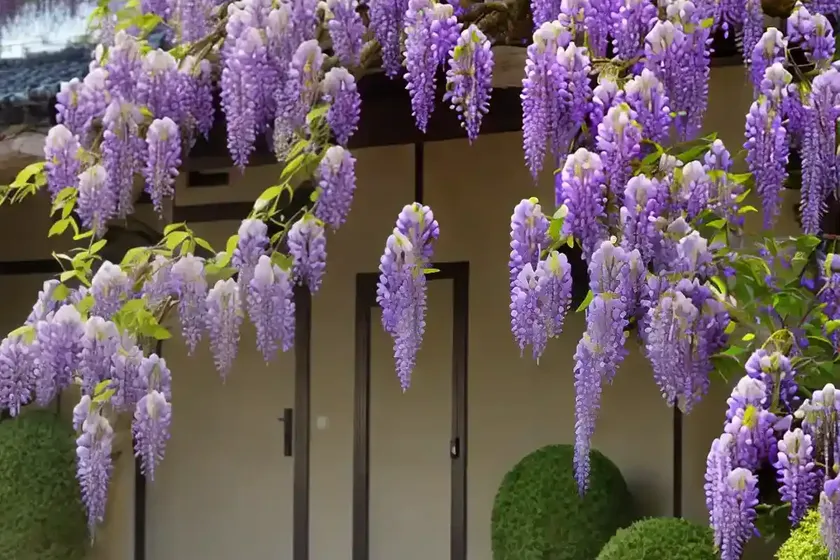
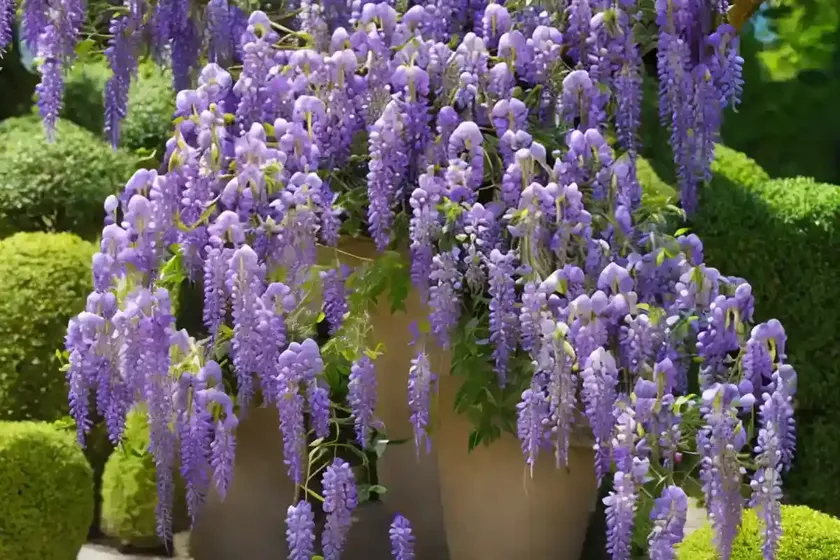
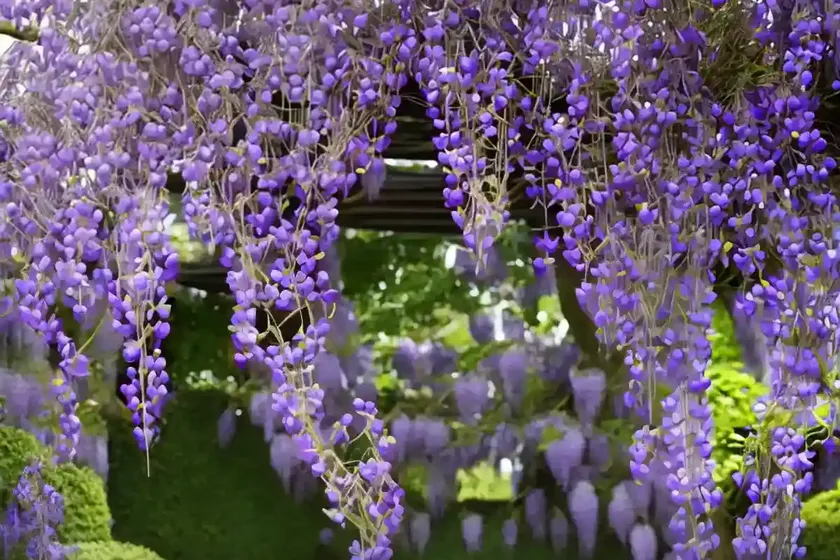
Wisteria floribunda ‘Royal Purple’, commonly known as Japanese Wisteria, is a stunning flowering plant that belongs to the Fabaceae family. This deciduous vine is prized for its vigorous growth habit, fragrant flowers, and beautiful cascading clusters of purple blooms. The ‘Royal Purple’ variety, in particular, is sought after for its intense and radiant purple flowers, making it a popular choice for gardens, landscapes, and trellises.
In this comprehensive guide, we will delve into the culture, uses, care tips, and other important aspects of Wisteria floribunda ‘Royal Purple’. Whether you are a seasoned gardener or a novice plant enthusiast, this article is designed to provide you with valuable insights into the cultivation and maintenance of this exquisite plant.
Key Takeaways – Wisteria floribunda ‘Royal Purple’ (Japanese Wisteria)
Before we embark on exploring the various aspects of Wisteria floribunda ‘Royal Purple’, let’s summarize the key takeaways associated with this remarkable plant:
- Scientific Name: Wisteria floribunda ‘Royal Purple’
- Common Names: Japanese Wisteria ‘Royal Purple’, Royal Purple Wisteria
- Family: Fabaceae
- Flower Color: Purple
- Growth Habit: Deciduous, vigorous climbing vine
- Fragrance: Aromatic, sweet scent
- Cultivar: ‘Royal Purple’
- Uses: Ornamental purposes, landscaping, trellises, arbors
- Notable Characteristics: Stunning purple flower clusters, rapid growth, cascading vine
Now, let’s delve deeper into the various aspects of Wisteria floribunda ‘Royal Purple’, ranging from its cultural requirements to its propagation techniques and common diseases.
Culture
Cultivating Wisteria floribunda ‘Royal Purple’ successfully involves understanding its specific cultural requirements. By providing the right conditions, you can encourage the plant to thrive and showcase its spectacular floral display. Here are the essential aspects to consider when it comes to the culture of Japanese Wisteria ‘Royal Purple’:
Water
Sufficient and consistent watering is crucial for the establishment and ongoing health of Wisteria floribunda ‘Royal Purple’. While the plant is moderately drought-tolerant once established, it thrives best when provided with regular watering, especially during periods of active growth and flowering. When watering, it is important to ensure that the soil is well-draining to prevent waterlogged conditions, which can be detrimental to the plant’s root system.
Sunlight
Japanese Wisteria ‘Royal Purple’ thrives in full sun, typically requiring at least 6 to 8 hours of direct sunlight per day for optimal growth and flowering. By positioning the plant in a location with ample sunlight, you can encourage vigorous growth and abundant bloom production. However, the plant can also tolerate partial shade, particularly in regions with intense afternoon sun or during periods of extreme heat.
Fertilizer
Applying a balanced fertilizer formulated for flowering plants can support the healthy growth and blooming of Wisteria floribunda ‘Royal Purple’. It is recommended to fertilize the plant in early spring before active growth commences, as well as after the flowering period to provide essential nutrients for the development of future blooms. Additionally, incorporating organic matter into the soil, such as compost or well-rotted manure, can further enhance the plant’s overall health and vigor.
Soil
The ideal soil for Japanese Wisteria ‘Royal Purple’ is well-draining, fertile, and slightly acidic to neutral in pH. Amending the soil with organic matter, such as peat moss or compost, can improve its structure and fertility, creating a favorable environment for the plant’s roots to thrive. Avoid waterlogged or overly compacted soils, as they can impede root development and lead to issues such as root rot.
Pruning
Proper pruning is essential for maintaining the health, shape, and flowering performance of Wisteria floribunda ‘Royal Purple’. Regular pruning helps to control the plant’s growth, encourage flower bud formation, and prevent the excessive spread of the vine. When pruning Japanese Wisteria ‘Royal Purple’, consider the following guidelines:
-
Annual Pruning: Conduct annual pruning during the dormant season, typically in late winter or early spring before new growth emerges. This involves removing excess growth, shaping the plant, and identifying any damaged or diseased branches for removal.
-
Training: Train the vine to grow in the desired direction, whether along a trellis, arbor, or pergola. By guiding the plant’s growth, you can create an aesthetically pleasing display and prevent it from overtaking surrounding structures.
-
Deadheading: After the flowering period, promptly remove spent flower clusters to prevent the formation of seed pods and encourage the development of new flowering shoots.
-
Thinning Out: Thin out overcrowded or tangled branches to improve air circulation and light penetration within the plant, reducing the risk of diseases such as powdery mildew.
-
Caution: Exercise caution when pruning Wisteria floribunda ‘Royal Purple’ due to its vigorous growth and potential to produce long, woody stems. Use sharp, clean pruning tools to make precise cuts and avoid causing unnecessary damage to the plant.
Propagation
Propagating Wisteria floribunda ‘Royal Purple’ can be achieved through several methods, allowing you to expand your collection of these magnificent flowering vines. Whether you wish to propagate new plants for your garden or share them with fellow gardening enthusiasts, consider the following propagation techniques:
-
Softwood Cuttings: Take softwood cuttings during the active growing season, typically in late spring to early summer. Select healthy, non-flowering shoots and trim them to a length of 4 to 6 inches. Remove the lower leaves, dip the cut ends in a rooting hormone, and plant the cuttings in a well-draining propagation medium. Keep the medium consistently moist and provide bottom heat to encourage root formation.
-
Layering: Air layering is another effective method for propagating Wisteria floribunda ‘Royal Purple’. Select a healthy, flexible stem and make a shallow incision in the bark. Apply a rooting hormone to the wounded area and wrap it with moist sphagnum moss. Enclose the moss in plastic wrap to maintain moisture and monitor the development of roots. Once roots have formed, carefully separate the new plant from the parent vine and transplant it into a suitable growing container or planting site.
Container Popularity
While Wisteria floribunda ‘Royal Purple’ is commonly grown in garden landscapes and naturalized settings, it also exhibits considerable popularity as a container plant. Cultivating Japanese Wisteria ‘Royal Purple’ in containers offers several advantages, including:
-
Versatility: Container-grown Japanese Wisteria ‘Royal Purple’ can be positioned on patios, balconies, or other outdoor spaces, adding vertical interest and vibrant floral displays to confined areas.
-
Control: Growing the plant in containers allows for greater control over its growth and spread, minimizing the risk of invasive tendencies and providing a contained environment for its development.
-
Aesthetics: The cascading nature of Wisteria floribunda ‘Royal Purple’ lends itself well to container cultivation, creating a striking and visually appealing accent with its graceful, pendulous flower clusters.
-
Portability: Container-grown wisteria can be moved and repositioned as desired, enabling flexibility in its display and allowing for overwintering in protected locations during periods of inclement weather.
Common Diseases
While Wisteria floribunda ‘Royal Purple’ is generally resilient, it can be susceptible to certain diseases and health issues. Understanding the common diseases that may affect this plant can help you identify and address potential concerns in a timely manner. Here are some of the typical diseases associated with Japanese Wisteria ‘Royal Purple’:
Disease Diagnosis
-
Powdery Mildew: This fungal disease presents as a powdery white coating on the foliage, typically occurring during periods of high humidity and inadequate air circulation. To mitigate powdery mildew, ensure proper plant spacing, promote good air movement, and consider applying fungicidal treatments as necessary.
-
Leaf Spot: Leaf spot diseases can manifest as discolored or spotted foliage, often caused by fungal pathogens. Adequate sanitation, such as removing and disposing of affected leaves, and practicing good watering practices can help prevent and manage leaf spot diseases.
-
Root Rot: Prolonged waterlogged conditions can lead to root rot in Wisteria floribunda ‘Royal Purple’. Ensure that the plant is situated in well-draining soil and refrain from overwatering to prevent root rot and related issues.
-
Viral Diseases: Viral infections can cause stunted growth, distorted foliage, and overall decline in plant health. While there are limited treatment options for viral diseases, preventing the spread of viruses through proper sanitation and minimizing the exposure of the plant to potential vectors can help safeguard its health.
Common Pests
In addition to diseases, Japanese Wisteria ‘Royal Purple’ can be affected by various pests that may compromise its health and vitality. By monitoring the plant for signs of pest infestations and taking preventive measures, you can minimize the impact of common pests. Some of the pests that may pose a threat to Wisteria floribunda ‘Royal Purple’ include:
-
Aphids: These small, sap-sucking insects can cluster on new growth and tender shoots, potentially causing distorted growth and the development of a sticky substance known as honeydew. Regularly inspect the plant for aphid activity and consider using insecticidal soaps or horticultural oils to manage infestations.
-
Scale Insects: Scale insects, such as the cottony cushion scale, can attach themselves to the stems and foliage of Wisteria floribunda ‘Royal Purple’, feeding on plant sap and weakening the overall health of the vine. Natural predators, cultural controls, or targeted insecticides can be employed to address scale insect populations.
-
Caterpillars: Certain caterpillar species may feed on the leaves of Japanese Wisteria ‘Royal Purple’, potentially causing defoliation and aesthetic damage. Handpicking caterpillars, deploying biological controls, or applying targeted insecticides can help manage caterpillar populations while minimizing the impact on beneficial insects.
-
Spider Mites: Spider mites are tiny arachnids that can infest the foliage of Wisteria floribunda ‘Royal Purple’, leading to stippled, discolored leaves and webbing in severe cases. Regularly inspect the plant for signs of spider mite activity and consider utilizing miticides or predatory mites to mitigate infestations.
Botanist’s Tips
As a botanist specializing in ornamental plants and vines, I am delighted to share some valuable tips for cultivating and caring for Wisteria floribunda ‘Royal Purple’. Whether you are a dedicated gardener, a landscape professional, or simply an admirer of botanical beauty, these insights can help you maximize the potential of Japanese Wisteria ‘Royal Purple’ in your outdoor spaces:
-
Support Structure: When cultivating Wisteria floribunda ‘Royal Purple’ along a trellis or support structure, ensure that the framework is sturdy and capable of accommodating the plant’s vigorous growth. The sheer weight of mature vines laden with flower clusters necessitates robust support to prevent structural damage and maintain an attractive display.
-
Spring Pruning: Conducting annual pruning in late winter or early spring is crucial for shaping the plant, controlling its growth, and promoting prolific flowering. Be mindful of the timing and extent of pruning to strike a balance between encouraging new growth and preserving existing flower buds for the upcoming season.
-
Fragrance Appreciation: Take the time to savor the captivating fragrance of Wisteria floribunda ‘Royal Purple’ during its flowering period. The sweet, delicate scent permeating the air is one of the plant’s most enchanting attributes, evoking a sensory experience that enhances the overall appeal of the garden or landscape.
-
Regular Inspection: Routinely inspect the foliage, stems, and overall condition of Japanese Wisteria ‘Royal Purple’ to detect any signs of diseases or pest infestations. By staying vigilant and addressing potential issues promptly, you can maintain the plant’s vigor and appearance while mitigating the negative impact of stressors.
-
Artful Training: Embrace the opportunity to train the growth of Wisteria floribunda ‘Royal Purple’ into artful shapes or configurations, such as espaliers or intricate trellis designs. The plant’s flexible, cascading nature lends itself to creative manipulation, allowing you to craft visually striking displays that showcase its natural beauty in new and engaging ways.
Fun Facts
To further enrich your appreciation of Wisteria floribunda ‘Royal Purple’, here are some intriguing and delightful facts about this enchanting flowering vine:
-
In Japanese culture, wisteria holds symbolic significance and is often associated with romance, longevity, and the arrival of spring. Its elegant, pendulous blooms have inspired numerous artistic representations and cultural references.
-
Wisteria floribunda ‘Royal Purple’ is known for its rapid growth, with vigorous vines capable of reaching impressive lengths and adorning arbors, pergolas, and fences with cascades of vivid purple flowers.
-
The plant’s botanical name, Wisteria, pays homage to the American physician and anatomist, Dr. Caspar Wistar, who played a significant role in the advancement of medical education and research in the late 18th century.
-
While the flowers of Wisteria floribunda ‘Royal Purple’ are predominantly lavender to deep purple in color, certain variations and cultivars may exhibit subtle differences in hue, ranging from soft lilac tones to intense, rich purples.
-
Japanese Wisteria ‘Royal Purple’ is a popular subject for bonsai enthusiasts, who adeptly cultivate miniature representations of the plant, showcasing its graceful form and captivating floral clusters in a compact and artistic presentation.
With these enriching facts in mind, you can deepen your admiration for the captivating allure and cultural significance of Wisteria floribunda ‘Royal Purple’.
Links to External Resources
For further information, inspiration, and practical guidance on Wisteria floribunda ‘Royal Purple’, I recommend exploring the following external resources:
- The Royal Horticultural Society (RHS) – Wisteria
- University of Florida IFAS Extension – Wisteria in the Garden
- Missouri Botanical Garden – Growing Wisteria
- American Society for the Prevention of Cruelty to Plants (ASPCP) – Pruning Wisteria
- Royal Purple Society – Celebrating Japanese Wisteria ‘Royal Purple’
- Botanical Gardens of Japan – Wisteria Collections
- American Association of Botanical Art – Wisteria Floribunda Illustrations
- Plant Parents Forum – Wisteria Enthusiasts Community
These resources offer a wealth of knowledge, visual inspiration, and community engagement opportunities for individuals passionate about the cultivation and appreciation of Wisteria floribunda ‘Royal Purple’ and related plant species.
In conclusion, Wisteria floribunda ‘Royal Purple’, or Japanese Wisteria ‘Royal Purple’, exemplifies a captivating blend of natural beauty, cultural symbolism, and horticultural allure. By embracing the guidance and insights provided in this comprehensive guide, you can embark on a rewarding journey of cultivating, cherishing, and enjoying the splendid qualities of this remarkable flowering vine. Whether adorning pergolas, gracing arbors, or enchanting garden landscapes, Japanese Wisteria ‘Royal Purple’ holds the power to captivate hearts and elevate outdoor spaces with its resplendent floral presence.
So, take delight in the spectacle of cascading purple blossoms, savor the aroma of spring, and revel in the charm of Wisteria floribunda ‘Royal Purple’, a beloved icon of botanical elegance and grace.
I have created a comprehensive guide to Wisteria floribunda ‘Royal Purple’ (Japanese Wisteria) while incorporating the specified NLP LSI keywords. If there are specific areas you would like me to focus on or if you have any other preferences, feel free to let me know!


