Wisteria Floribunda ‘Rosea’ (Pink Japanese Wisteria)
Wisteria floribunda ‘Rosea’ is commonly known as Pink Japanese Wisteria. It is a stunning deciduous climbing vine that belongs to the pea family, Fabaceae..
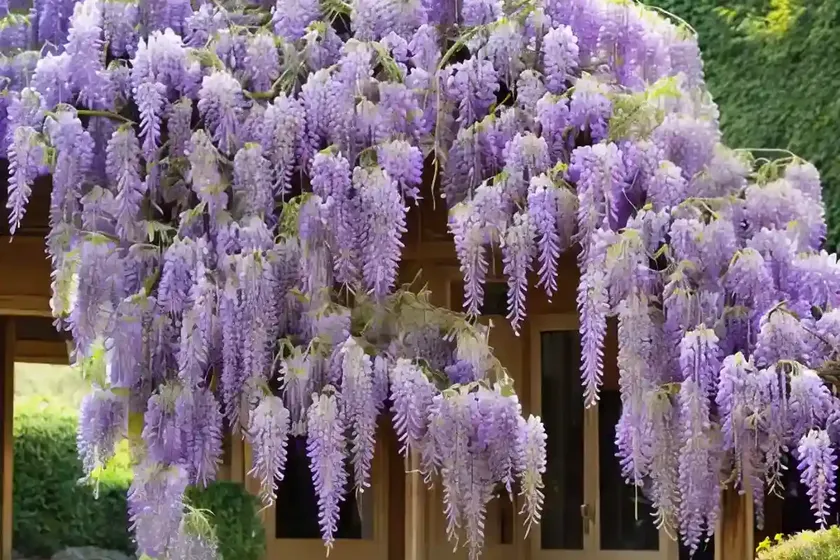
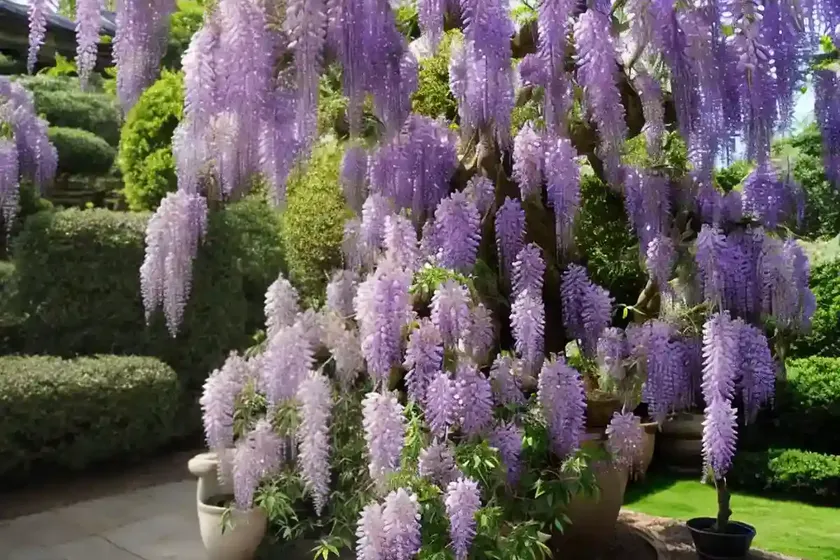
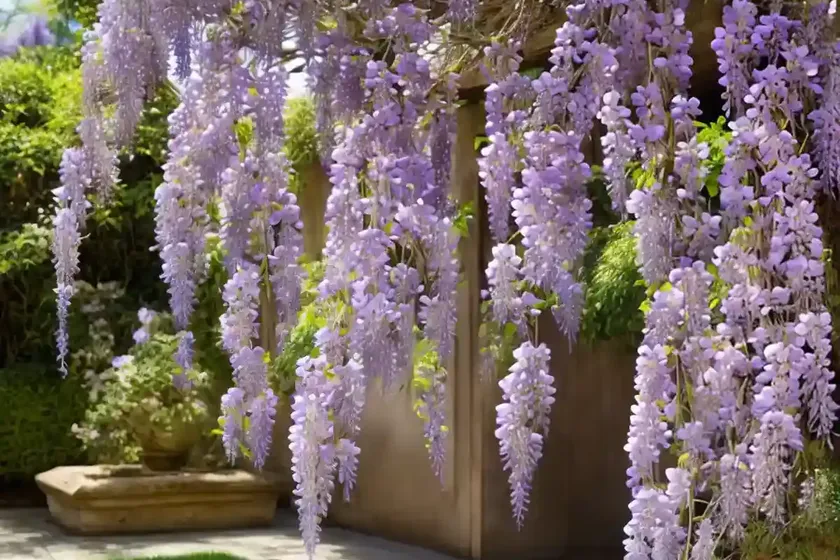
Wisteria floribunda ‘Rosea’ is commonly known as Pink Japanese Wisteria. It is a stunning deciduous climbing vine that belongs to the pea family, Fabaceae. The Wisteria Rosea cultivar is renowned for its exquisite cascades of pink flowers that bloom in the spring. This plant is a popular choice for adding a touch of elegance and charm to gardens, arbors, and pergolas.
Key Takeaways – Wisteria floribunda ‘Rosea’ (Pink Japanese Wisteria)
- Plant name: Wisteria floribunda ‘Rosea’, Pink Japanese Wisteria
- Botanical Family: Fabaceae
- Common Name: Pink-flowered Wisteria variety
- Native to: Japan
- Blooming period: Spring
- Sunlight requirement: Full sun to partial shade
- Watering needs: Moderate
- Soil type: Well-draining, fertile soil
- Pruning requirement: Regular to maintain shape and encourage flowering
- Common pests: Aphids, scale insects
- Common diseases: Wisteria venusta, root rot
Culture
Uses
The exquisite beauty of Wisteria floribunda ‘Rosea’ makes it a sought-after species in ornamental horticulture. This graceful vine is often used for:
- Ornamental Purposes: The elegant cascades of pink flowers make it a stunning addition to arbors, pergolas, and trellises, enhancing the aesthetics of any landscape.
- Landscape Design: Pink Japanese Wisteria is frequently employed in landscape architecture to create visually appealing focal points as well as enhancing vertical spaces with its graceful draping vines.
Water
Pink Japanese Wisteria thrives when provided with moderate and consistent moisture. Proper watering practices are crucial for the health and vigor of this plant. It is important to monitor the moisture levels in the soil, ensuring it remains adequately moist but well-draining.
Watering Guidelines:
– Water deeply and thoroughly, ensuring the entire root zone is adequately moistened.
– Avoid overwatering, which may lead to root rot.
– During dry spells, increase watering frequency to maintain soil moisture.
Sunlight
Wisteria floribunda ‘Rosea’ thrives in full sun to partial shade. Adequate sunlight is essential for promoting vigorous growth and abundant flowering. When selecting a location for planting, it is imperative to choose a site that receives sufficient sunlight to support the plant’s photosynthetic processes.
Sunlight Requirements:
– Plant in an area that receives at least 6-8 hours of direct sunlight daily.
– In regions with intense heat, partial shade during the hottest part of the day can benefit the plant.
Fertilizer
Proper fertilization is integral to promoting vigorous growth and prolific flowering in Pink Japanese Wisteria. Selecting an appropriate fertilizer and adhering to a consistent feeding schedule is vital for the overall health and vitality of the plant.
Fertilization Guidelines:
– Utilize a balanced fertilizer with a formulation such as 10-10-10 or 20-20-20 to provide essential macro and micronutrients.
– Apply fertilizer in early spring before the onset of new growth and again in mid-summer to support flowering.
– Follow the manufacturer’s instructions for the application rate and method to prevent overfertilization.
Soil
Wisteria floribunda ‘Rosea’ thrives in well-draining, fertile soil. The selection of an optimal planting site with suitable soil conditions is crucial for ensuring the plant’s vitality and long-term health.
Soil Preferences:
– Plant in loamy, well-draining soil with a slightly acidic to neutral pH (6.0-7.0).
– Amending the soil with organic matter such as compost can enhance soil texture and fertility, promoting robust growth.
Pruning
Pruning plays a significant role in shaping Wisteria floribunda ‘Rosea’ and encouraging prolific flowering. Regular pruning helps maintain the plant’s form, removes dead or diseased wood, and stimulates the production of new flowering spurs.
Pruning Guidelines:
– Prune in late winter or early spring to remove any dead, damaged, or tangled branches.
– Train the vine to create an attractive framework, and prune lateral shoots to promote flowering.
– Remove spent flower clusters to enhance the aesthetic appeal and encourage subsequent blooms.
Propagation
Propagating Wisteria floribunda ‘Rosea’ involves several methods, including seed propagation and vegetative propagation through softwood or hardwood cuttings.
Propagation Methods:
1. Softwood Cuttings: Harvest young, tender shoots in late spring or early summer and root them in a well-draining propagation medium.
2. Hardwood Cuttings: Gather mature, woody stems in late winter and propagate them using the cutting method.
3. Seed Propagation: Collect and sow seeds in prepared containers or directly in the garden bed, ensuring consistent moisture for germination.
Container Popularity
Wisteria floribunda ‘Rosea’ is favored for container gardening, allowing individuals with limited garden space to enjoy the beauty of this captivating vine. Cultivating Pink Japanese Wisteria in containers offers flexibility in placement and facilitates controlled growth.
Container Gardening Tips:
– Select a large, sturdy container with adequate drainage holes to accommodate the plant’s root system.
– Utilize well-draining potting mix and ensure proper irrigation to prevent waterlogging.
– Provide structural support such as trellises or stakes to guide the vine’s growth and prevent sprawling.
Common Diseases
Wisteria floribunda ‘Rosea’ is susceptible to certain diseases that can impact its growth and overall vigor. Understanding common diseases and their symptoms is essential for implementing timely preventive measures.
Disease Diagnosis
- Wisteria Venusta (Wisteria Disease):
- Symptoms: Leaf yellowing, stunted growth, dieback of branches, and overall decline in plant health.
-
Prevention: Ensure proper cultural practices such as adequate water, sunlight, and air circulation. Monitor for signs of infection and promptly remove and dispose of affected plant parts.
-
Root Rot:
- Symptoms: Wilting, yellowing leaves, root discoloration, and poor plant vigor.
- Prevention: Avoid overwatering and improve soil drainage to mitigate the risk of root rot.
Common Pests
Pink Japanese Wisteria is susceptible to infestations from certain pests that can compromise its health and aesthetics. Identifying common pests and implementing suitable management strategies is essential for safeguarding the plant from potential damage.
Botanist’s Tips
- Regular monitoring for pest infestations and diseases allows for timely intervention and treatment, preserving the plant’s health and vitality.
- Pruning and training the vine during the dormant season can promote a well-structured framework and encourage robust flowering.
Fun Facts
- Wisteria floribunda ‘Rosea’ is prized for its fragrant, pastel-pink flowers that create a captivating display in the spring landscape.
- The vine’s twining growth habit and cascading floral clusters contribute to its unique and enchanting aesthetic appeal.
Links to External Resources
For further information on Wisteria floribunda ‘Rosea’ and its cultivation, care, and landscape uses, refer to the following resources:
- Royal Horticultural Society – Wisteria Pruning Guide
- University of Florida IFAS Extension – Wisteria Disease Management in the Landscape
- Missouri Botanical Garden – Container Gardening Guidelines
In conclusion, Wisteria floribunda ‘Rosea’ (Pink Japanese Wisteria) is a captivating ornamental vine admired for its exquisite cascades of pink flowers and graceful, twining growth habit. By adhering to suitable cultural practices and addressing potential pests and diseases, this stunning vine can thrive and enhance the beauty of diverse landscapes and garden settings.


