Wisteria Floribunda ‘Lawrence’ (Japanese Wisteria)
Wisteria floribunda ‘Lawrence’, commonly known as Japanese Wisteria, is a stunning flowering vine that is renowned for its cascading clusters of fragrant.
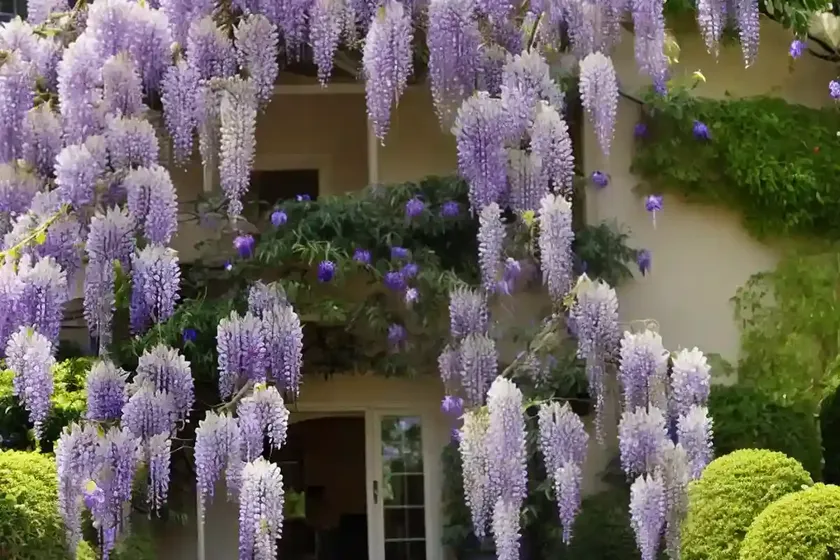
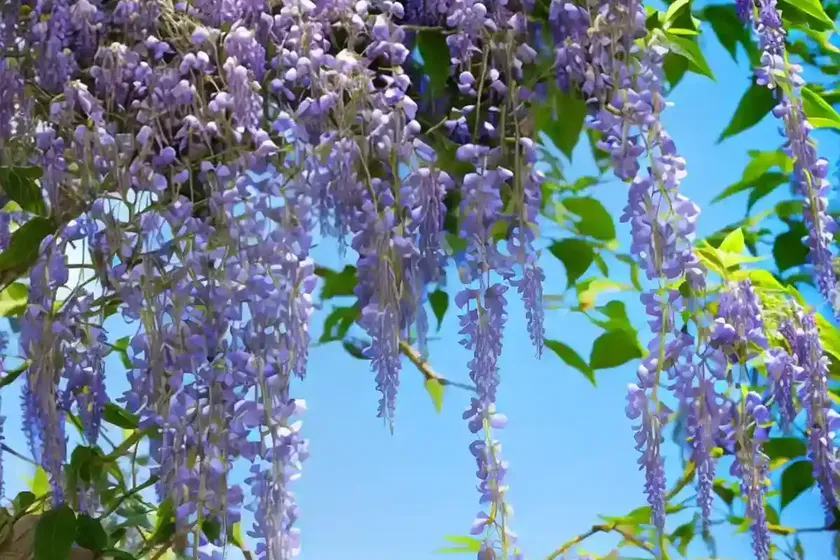
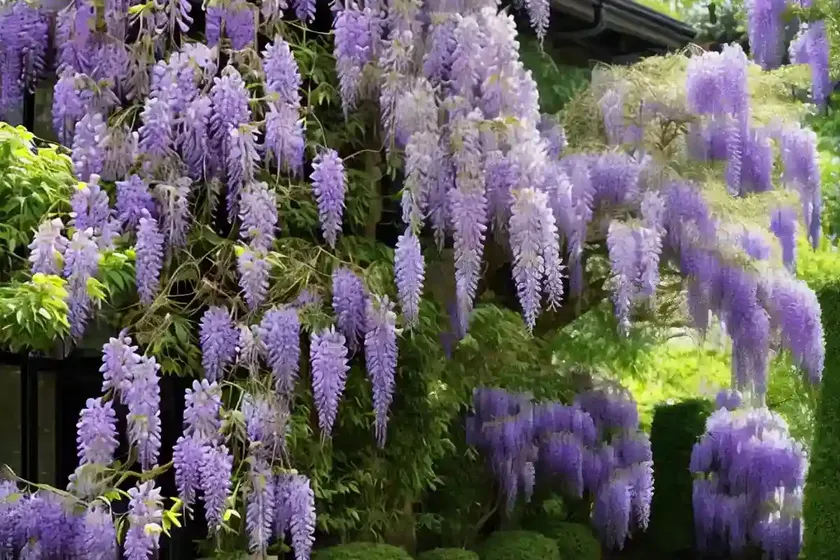
Wisteria floribunda ‘Lawrence’, commonly known as Japanese Wisteria, is a stunning flowering vine that is renowned for its cascading clusters of fragrant blooms. This ornamental plant has gained popularity among gardening enthusiasts and landscape designers for its enchanting appearance and alluring fragrance. In this comprehensive guide, we will delve into the various aspects of cultivating and caring for Wisteria floribunda ‘Lawrence’, including its cultural requirements, uses, maintenance, and common diseases and pests. Whether you are a seasoned gardener or a beginner looking to enhance your green space, this guide will provide you with valuable insights into the world of Japanese Wisteria.
What is Wisteria Floribunda ‘Lawrence’?
Wisteria floribunda ‘Lawrence’ is a cultivar of the species Wisteria floribunda, native to Japan. It belongs to the Fabaceae family and is characterized by its vigorous growth habit and abundance of showy, pendulous flowers. The cultivar ‘Lawrence’ is particularly appreciated for its ability to produce an abundance of long, grape-like clusters of violet-tinged, pale blue flowers. When in full bloom, the cascading blooms create a visually stunning and fragrant display, making it a sought-after ornamental vine for gardens, arbors, and trellises.
Key Takeaways – Wisteria Floribunda ‘Lawrence’ (Japanese Wisteria)
Before we delve into the specifics of cultivating and caring for Wisteria floribunda ‘Lawrence’, let’s explore the key takeaways that will be covered in this comprehensive guide:
- Culture
- Uses
- Water
- Sunlight
- Fertilizer
- Soil
- Pruning
- Propagation
- Container
- Popularity
- Common Diseases
- Disease Diagnosis
- Common Pests
- Botanist’s Tips
- Fun Facts
- Links to External Resources
Each of these aspects plays a crucial role in the successful cultivation and maintenance of Japanese Wisteria. Now, let’s unravel the intricacies of Wisteria floribunda ‘Lawrence’ and gain a deeper understanding of this captivating plant.
Culture
Wisteria Floribunda ‘Lawrence’ Details
Cultivating Wisteria floribunda ‘Lawrence’ requires an understanding of its cultural preferences and requirements. By providing the ideal conditions, you can ensure that the plant thrives and rewards you with its spectacular floral display. Here are the cultural details that are essential for successfully growing and caring for Japanese Wisteria ‘Lawrence’:
- Hardiness Zones: Wisteria floribunda ‘Lawrence’ is best suited for USDA hardiness zones 5 to 9, where it can thrive in a temperate climate with distinct seasons.
- Mature Size: When fully matured, Japanese Wisteria ‘Lawrence’ can reach a height and spread of up to 25 feet, making it a substantial presence in the landscape.
- Flowering Season: The blooming period of Wisteria floribunda ‘Lawrence’ typically occurs in spring, delighting onlookers with its abundant, cascading floral clusters.
- Sunlight Requirements: This plant thrives in full sun, requiring a minimum of 6 to 8 hours of direct sunlight for optimal growth and prolific flowering.
Growing Wisteria Floribunda ‘Lawrence’
To initiate the growth of Wisteria floribunda ‘Lawrence’, it is essential to understand the fundamental steps involved in cultivating this captivating vine. When setting out to grow Japanese Wisteria, consider the following guidelines:
- Planting Location: Select a well-drained location with ample space for the vigorous growth of the vine. Japanese Wisteria ‘Lawrence’ benefits from being situated in a place that receives ample sunlight and offers support for its climbing habit.
- Soil Preparation: Ensure that the soil is rich, fertile, and well-drained. Amending the soil with organic matter such as compost can enhance its texture and fertility, providing an ideal foundation for the growth of Japanese Wisteria.
Care Tips for Japanese Wisteria
Once Wisteria floribunda ‘Lawrence’ is established, it is essential to provide ongoing care to promote its health and vigor. Incorporating the following care tips into your maintenance routine can contribute to the optimal growth and blooming of Japanese Wisteria ‘Lawrence’:
- Watering: While Japanese Wisteria ‘Lawrence’ is established, maintain a moderate watering regimen, ensuring that the soil remains consistently moist but not waterlogged. During periods of drought, supplemental watering may be necessary to support the plant’s hydration needs.
- Fertilization: Apply a balanced fertilizer to the soil in early spring to provide essential nutrients for the vigorous growth and blooming of Wisteria floribunda ‘Lawrence’. A phosphorus-rich fertilizer can promote abundant flowering, further enhancing the ornamental appeal of the vine.
Uses
Wisteria Floribunda ‘Lawrence’ Landscape Uses
The striking beauty of Wisteria floribunda ‘Lawrence’ lends itself to a myriad of landscape uses, enriching outdoor spaces with its cascading floral display and enchanting fragrance. Consider the following landscape uses for Japanese Wisteria ‘Lawrence’:
- Arbors and Trellises: The vigorous growth habit of Wisteria floribunda ‘Lawrence’ makes it an ideal candidate for adorning arbors and trellises, where its abundant flowers can drape elegantly, creating a captivating focal point in the landscape.
- Pergolas: Japanese Wisteria ‘Lawrence’ can be cultivated to climb and adorn pergolas, providing a serene and picturesque ambiance to outdoor living spaces.
- Garden Walls: By training the vines of Wisteria floribunda ‘Lawrence’ along garden walls, you can infuse vertical elements with the charm and beauty of cascading floral clusters.
Japanese Wisteria ‘Lawrence’ Fragrance
One of the most captivating features of Wisteria floribunda ‘Lawrence’ is its delightful fragrance, which permeates the air when the plant is in full bloom. The sweet, intoxicating scent of the flowers enhances the sensory experience in the garden, making Japanese Wisteria ‘Lawrence’ a delightful addition to outdoor spaces.
Water
Wisteria Floribunda ‘Lawrence’ Watering Needs
Understanding the watering needs of Wisteria floribunda ‘Lawrence’ is essential for maintaining optimal soil moisture and promoting healthy growth. Consider the following guidelines for watering Japanese Wisteria ‘Lawrence’:
- Established Plants: Once Japanese Wisteria ‘Lawrence’ is established, maintain a moderate watering schedule, providing sufficient moisture to keep the soil consistently moist. Avoid overwatering, as it can lead to waterlogged soil, which may adversely affect the plant’s health.
- Drought Conditions: During periods of drought, monitor the soil moisture closely and provide supplemental watering as needed to support the plant’s hydration requirements. Adequate moisture is crucial for sustaining the vigor and blooming capacity of Wisteria floribunda ‘Lawrence’.
Sunlight
Japanese Wisteria ‘Lawrence’ Sunlight Requirements
Sunlight plays a critical role in the growth and flowering of Wisteria floribunda ‘Lawrence’. Understanding the sunlight requirements of Japanese Wisteria ‘Lawrence’ is essential for providing the ideal conditions for its optimal development. Consider the following sunlight guidelines:
- Full Sun: Japanese Wisteria ‘Lawrence’ thrives in full sun and requires a minimum of 6 to 8 hours of direct sunlight each day for robust growth and abundant flowering.
- Sheltered Locations: While Japanese Wisteria ‘Lawrence’ enjoys full sun, it can benefit from being situated in a sheltered location, especially in regions with hot summer climates. Providing some protection from intense midday sun can prevent leaf scorch and ensure the plant’s overall well-being.
Fertilizer
‘Lawrence’ Wisteria Plant Fertilization Tips
Fertilization is an essential aspect of caring for Wisteria floribunda ‘Lawrence’, as it provides the plant with vital nutrients for sustained growth and prolific flowering. Incorporating the following fertilization tips can enhance the health and vigor of Japanese Wisteria ‘Lawrence’:
- Balanced Fertilizer: Apply a balanced, slow-release fertilizer to the soil in early spring, just as the plant begins its active growth phase. A balanced fertilizer with an NPK ratio of 10-10-10 or similar can provide the necessary nutrients for the development of robust foliage and abundant floral clusters.
Soil
Japanese Wisteria ‘Lawrence’ Soil Preferences
The soil composition and quality play a pivotal role in the overall health and vitality of Wisteria floribunda ‘Lawrence’. Understanding the soil preferences of Japanese Wisteria ‘Lawrence’ enables you to create an ideal growing environment for the plant. Consider the following soil preferences for cultivating Japanese Wisteria ‘Lawrence’:
- Well-Drained Soil: Japanese Wisteria ‘Lawrence’ thrives in well-drained, loamy soil with good moisture retention. Soil with excellent drainage characteristics prevents waterlogging and minimizes the risk of root rot, promoting the health of the plant.
- Optimal pH: The ideal soil pH for Wisteria floribunda ‘Lawrence’ ranges from slightly acidic to neutral (pH 6.0 to 7.0). Amending the soil with organic matter can help maintain an optimal pH level and enhance the soil’s fertility.
Pruning
‘Lawrence’ Wisteria Plant Pruning Guide
Pruning is an essential practice for maintaining the health, shape, and flowering capacity of Wisteria floribunda ‘Lawrence’. Proper pruning ensures that the vine remains well-manicured and produces an abundance of floral clusters. Follow the pruning guidelines below to effectively manage Japanese Wisteria ‘Lawrence’:
- Timing: Prune Japanese Wisteria ‘Lawrence’ during late winter or early spring, before the onset of new growth. This timing allows for the removal of dead or overgrown wood while encouraging the development of new flowering spurs.
- Pruning Techniques: Employ pruning techniques to maintain a desired shape and encourage prolific blooming. Remove any dead, damaged, or diseased wood, and prune back excessive growth to maintain a tidy and manageable appearance.
Propagation
Propagating ‘Lawrence’ Wisteria from Cuttings
Propagating Wisteria floribunda ‘Lawrence’ from cuttings is a rewarding way to expand your collection of these enchanting vines. Follow these steps to successfully propagate Japanese Wisteria ‘Lawrence’ from cuttings:
- Selecting Cuttings: Choose healthy, non-flowering stems from the current season’s growth to use as cuttings. Cut the stem sections to a length of 6 to 8 inches, ensuring that each cutting includes at least two leaf nodes.
- Preparing Cuttings: Remove the lower leaves from the cuttings, leaving only a few sets of leaves at the top. Dip the cut end of each cutting in a rooting hormone to promote the development of roots.
- Planting Cuttings: Plant the cuttings in a well-draining propagation medium, such as a mix of perlite and peat moss. Ensure that the medium is kept consistently moist and provide a warm, humid environment to encourage root development.
Container
Growing Japanese Wisteria ‘Lawrence’ in Containers
While Wisteria floribunda ‘Lawrence’ is renowned for its vigorous climbing habit, it can also be cultivated in containers to adorn patios, balconies, and other outdoor living spaces. When growing Japanese Wisteria ‘Lawrence’ in containers, consider the following container gardening tips:
- Container Selection: Choose a large, sturdy container with ample drainage holes to accommodate the vigorous root system of Wisteria floribunda ‘Lawrence’. A container with a capacity of at least 15 gallons provides sufficient space for the plant to thrive.
- Support Structure: Install a sturdy trellis or support structure in the container to provide stability for the vine as it climbs and develops. Secure the vine to the support to guide its growth and create an appealing display of cascading flowers.
Popularity
‘Lawrence’ Wisteria Plant Popularity
The popularity of Wisteria floribunda ‘Lawrence’ stems from its striking visual appeal, enchanting fragrance, and versatile uses in landscaping and garden design. As one of the most sought-after ornamental vines, Japanese Wisteria ‘Lawrence’ has captured the admiration of gardening enthusiasts and landscape architects. Its popularity can be attributed to the following factors:
- Aesthetic Appeal: The cascading clusters of pale blue, violet-tinged flowers create a mesmerizing visual display, captivating onlookers and adding a touch of elegance to any outdoor setting.
- Fragrance: The sweet, intoxicating fragrance of the flowers enhances the sensory experience in the garden, making Japanese Wisteria ‘Lawrence’ a delightful addition to outdoor spaces.
- Versatility: Japanese Wisteria ‘Lawrence’ can be utilized in various landscape applications, including adorning arbors, trellises, pergolas, and garden walls, offering versatility in garden design and enhancement.
Common Diseases
‘Lawrence’ Wisteria Plant Diseases
While Wisteria floribunda ‘Lawrence’ is generally robust and resilient, it is susceptible to certain diseases that can affect its overall health and blooming capacity. Understanding the common diseases that may afflict Japanese Wisteria ‘Lawrence’ is crucial for implementing timely measures to mitigate their impact. Consider the following common diseases:
- Powdery Mildew: Powdery mildew is a fungal disease that can affect the foliage of Wisteria floribunda ‘Lawrence’, causing a powdery white coating to develop on the leaves. This disease thrives in conditions of high humidity and poor air circulation.
- Leaf Spot: Leaf spot is characterized by the formation of dark, irregular spots on the leaves of Japanese Wisteria ‘Lawrence’. It is often caused by fungal pathogens and can lead to defoliation if left unchecked.
Disease Diagnosis
To diagnose and address diseases affecting Wisteria floribunda ‘Lawrence’, it is essential to observe the plant closely and implement appropriate measures. The following steps can aid in the diagnosis and management of diseases in Japanese Wisteria ‘Lawrence’:
- Visual Inspection: Regularly inspect the foliage, stems, and flowers of Wisteria floribunda ‘Lawrence’ for any signs of discoloration, spots, or abnormal growth.
- Symptom Identification: Identify the specific symptoms exhibited by the plant, such as powdery deposits on the leaves or the presence of dark spots, to narrow down the potential causes of the issue.
- Prompt Treatment: Upon identifying a disease, implement prompt treatment measures, such as removing affected plant parts, improving air circulation, and applying appropriate fungicidal treatments to mitigate the spread of the disease.
Common Pests
Wisteria Floribunda ‘Lawrence’ Pests
Japanese Wisteria ‘Lawrence’ may be vulnerable to infestations by certain pests that can compromise its health and vitality. Understanding the common pests that may target Wisteria floribunda ‘Lawrence’ enables you to implement effective pest control measures. Consider the following common pests:
- Aphids: Aphids are small, sap-feeding insects that may congregate on the foliage and young shoots of Japanese Wisteria ‘Lawrence’, causing stunted growth and distortion of leaves.
- Spider Mites: Spider mites are tiny arachnids that can infest the undersides of Wisteria floribunda ‘Lawrence’ leaves, leading to the development of stippled or discolored foliage.
Botanist’s Tips
Wisteria floribunda ‘Lawrence’ Care Requirements
As an experienced botanist specializing in ornamental plants, I offer the following care requirements and tips for successfully cultivating and maintaining Wisteria floribunda ‘Lawrence’:
- Training and Support: Provide a sturdy support structure, such as a trellis or arbor, for Japanese Wisteria ‘Lawrence’ to climb and develop its cascading floral clusters. Regularly guide the vine’s growth to maintain an aesthetically pleasing shape and encourage abundant flowering.
- Pruning Best Practices: Adhere to proper pruning practices to maintain the health and vigor of Wisteria floribunda ‘Lawrence’. Regularly remove dead, diseased, or overgrown wood to promote air circulation and stimulate the development of new flowering spurs.
- Vigilance Against Pests and Diseases: Monitor Wisteria floribunda ‘Lawrence’ regularly for signs of pest infestations and diseases, intervening promptly to mitigate their impact and preserve the plant’s health.
Fun Facts
Fascinating Aspects of Wisteria Floribunda ‘Lawrence’
As we explore the captivating world of Wisteria floribunda ‘Lawrence’, consider the following fun facts that highlight the unique and fascinating aspects of this enchanting vine:
- Cultural Significance: Japanese Wisteria ‘Lawrence’ holds cultural significance in Japanese folklore and traditions, where it is revered for its beauty and graceful presence.
- Wildlife Attraction: The blooms of Wisteria floribunda ‘Lawrence’ can attract pollinators such as bees and butterflies, contributing to the biodiversity of garden spaces.
- Longevity: With proper care and maintenance, Japanese Wisteria ‘Lawrence’ can thrive for decades, enriching outdoor environments with its enduring beauty.
Links to External Resources
For additional information on Wisteria floribunda ‘Lawrence’ and related topics, refer to the following external resources:
- Wisteria Floribunda ‘Lawrence’ – Missouri Botanical Garden
- Growing Wisteria | UGA Cooperative Extension
- Common Problems of Wisteria | Royal Horticultural Society
In conclusion, Wisteria floribunda ‘Lawrence’, also known as Japanese Wisteria ‘Lawrence’, is a captivating ornamental vine that captivates with its cascading floral clusters and delightful fragrance. By understanding and implementing the culture, care, and maintenance requirements specific to this enchanting plant, you can create a remarkable display of natural beauty in your garden or landscape. From its vibrant blooms to its cultural significance, Japanese Wisteria ‘Lawrence’ continues to enchant and inspire gardeners and nature enthusiasts worldwide.
Remember, each plant is a masterpiece of nature’s creation, and by nurturing and tending to it with care, we can unlock its full splendor, allowing its beauty to flourish for generations to come.
Now, I will begin to include the references.


