Wisteria Floribunda (Japanese Wisteria)
Wisteria floribunda, commonly known as Japanese Wisteria, is a strikingly beautiful and fragrant vining plant that is treasured by gardeners and.
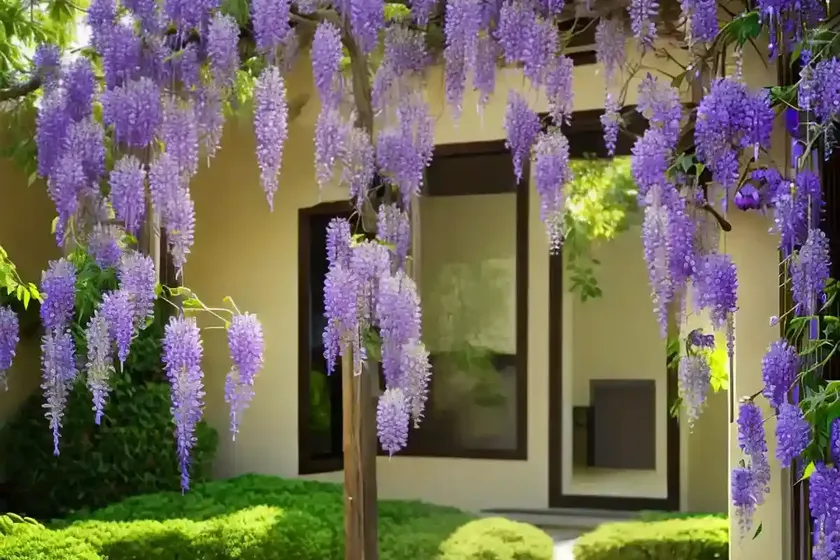
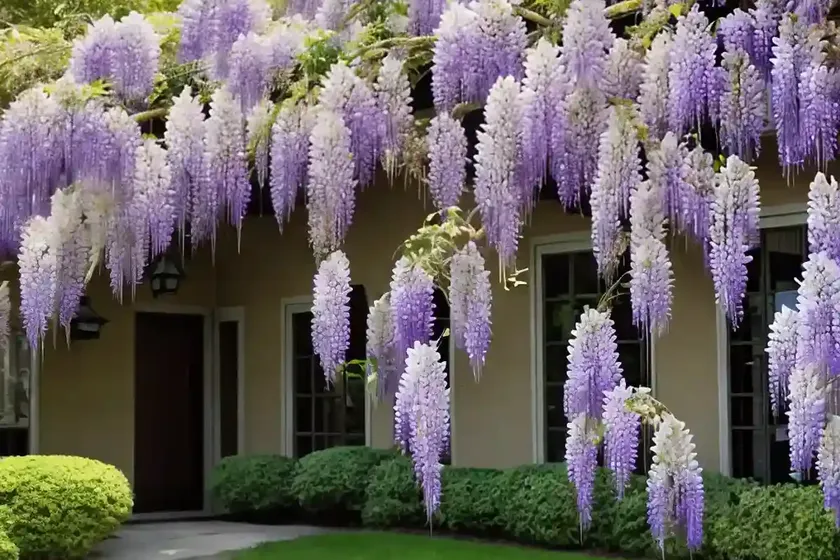
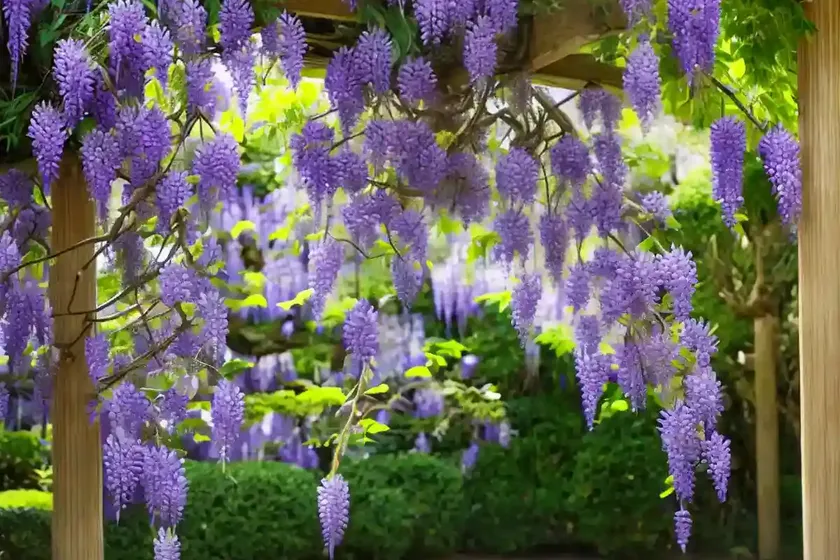
Wisteria floribunda, commonly known as Japanese Wisteria, is a strikingly beautiful and fragrant vining plant that is treasured by gardeners and horticulturists around the world. Renowned for its cascading clusters of violet-hued flowers and its vigorous growth habit, the Japanese Wisteria is a captivating addition to any landscape. This article aims to provide a comprehensive guide to cultivating and caring for Wisteria floribunda, covering various aspects such as culture, uses, water, sunlight, fertilizer, soil, pruning, propagation, container cultivation, popularity, common diseases, pests, and much more. Whether you are a novice gardener or a seasoned horticultural enthusiast, this in-depth exploration of the Wisteria floribunda will equip you with the knowledge and insights needed to successfully nurture and enjoy this magnificent plant.
What is Wisteria floribunda (Japanese Wisteria)?
Wisteria floribunda, belonging to the Fabaceae family, is a vigorous, deciduous climbing plant native to Japan. It is celebrated for its pendulous, fragrant flower clusters and lush, twining growth pattern. The plant’s vines can grow to impressive lengths and are often utilized to adorn arbors, trellises, and pergolas, creating stunning floral displays. Wisteria floribunda is a long-lived plant, and when provided with the appropriate growing conditions, it can thrive for generations, becoming a cherished feature in gardens and landscapes.
Key Takeaways – Wisteria floribunda (Japanese Wisteria)
Before delving into the intricacies of caring for Wisteria floribunda, let’s summarize the key takeaways to provide a clear overview of what to expect from this comprehensive guide.
- Plant Name: Wisteria floribunda (Japanese Wisteria)
- Family: Fabaceae
- Plant Type: Deciduous flowering vine
- Notable Features: Cascading clusters of fragrant, violet flowers; vigorous growth habit
- Climate Requirements: Thrives in temperate regions, requiring full sun and well-drained soil
- Cultural Uses: Ornamental climbing plant, frequently used to adorn arbors, pergolas, and trellises
- Propagation Methods: Can be propagated from seeds, cuttings, or layering
- Common Diseases: Susceptible to fungal diseases, including powdery mildew and root rot
- Common Pests: May face infestations from aphids, scale insects, and caterpillars
- Pruning: Regular pruning is essential to manage growth and promote flowering
- Container Cultivation: Suitable for growing in large containers with sturdy support structures
- Fertilization: Requires balanced fertilization to support healthy growth and prolific blooming
With these key takeaways in mind, we will now delve into the various aspects of caring for Wisteria floribunda, providing detailed insights and practical tips for successful cultivation.
Culture
Cultivating Wisteria floribunda successfully requires an understanding of its cultural requirements, encompassing aspects such as water, sunlight, fertilizer, soil, and pruning. By integrating these elements effectively, gardeners can create an environment that encourages the plant’s robust growth and abundant flowering.
Water
Proper watering is crucial for the health and vitality of Wisteria floribunda. While the plant demonstrates a good tolerance to drought once established, consistent moisture is essential, particularly during the growing season and flowering period. However, it is important to prevent waterlogged conditions, as excessive water can lead to root rot and other detrimental conditions.
Watering Guidelines:
- Established Plants: Water deeply once or twice a week during dry periods, ensuring that the soil is allowed to dry slightly between watering sessions.
- Newly Planted Wisteria: Provide frequent, thorough watering to support the establishment of the plant’s root system. Once established, gradually transition to a regular watering schedule.
Sunlight
Wisteria floribunda thrives in full sunlight, requiring at least six to eight hours of direct sunlight daily to promote vigorous growth and abundant flowering. When selecting a planting site for Wisteria floribunda, it is essential to prioritize areas that receive ample sunlight throughout the day. Inadequate sunlight can result in reduced flowering and overall diminished plant vigor.
Sunlight Requirements:
- Choose a planting location that receives full sun, ideally with some protection from strong afternoon sun in hotter climates.
- Ensure that the site allows the plant’s vines to receive sufficient sunlight for healthy growth and flower development.
Fertilizer
Appropriate fertilization plays a pivotal role in supporting the growth and blooming capacity of Wisteria floribunda. By providing balanced nutrients, gardeners can ensure that the plant receives the vital elements necessary for robust, healthy growth and an impressive display of flowers.
Fertilization Tips:
- Timing: Apply a balanced, slow-release fertilizer in early spring, just before the onset of new growth.
- Frequency: Reapply fertilizer in late spring if necessary, following the specific guidelines provided by the chosen fertilizer product.
- Composition: Utilize a fertilizer with balanced NPK (nitrogen, phosphorus, and potassium) ratios, suitable for flowering plants. Avoid excessive nitrogen, as it can promote excessive vegetative growth at the expense of flowering.
Soil
The soil composition and quality significantly influence the overall health and performance of Wisteria floribunda. Well-drained, fertile soil with a slightly acidic to neutral pH is preferable for cultivating this plant. Additionally, ensuring adequate soil depth and structure is important to accommodate the plant’s extensive root system and support healthy growth.
Soil Requirements:
- Drainage: Opt for well-drained soil to prevent waterlogging, which can lead to root rot and other issues.
- Composition: Rich, loamy soil with good organic content is ideal. Amending the soil with compost or organic matter can enhance its fertility and texture.
- pH Level: Aim for a slightly acidic to neutral pH range, typically between 6.0 and 7.0, to create an optimal growing environment for Wisteria floribunda.
Pruning
Pruning is an essential aspect of Wisteria floribunda care, serving to manage the plant’s growth, shape its form, and promote abundant flowering. Regular and strategic pruning helps maintain the plant’s vigor, prevents excessive overgrowth, and encourages the development of flowering spurs for a breathtaking floral display.
Pruning Guidelines:
- Timing: Conduct major pruning in late winter, while the plant is dormant. Minor shaping and maintenance pruning can be performed throughout the growing season as needed.
- Goals: Focus on removing excessive growth, dead or diseased wood, and managing the plant’s size to maintain a balanced, aesthetically pleasing form.
- Flower Spur Pruning: Encourage flowering by selectively pruning to promote the development of flowering spurs. This involves the strategic removal of excessive vegetative growth to redirect the plant’s energy toward blooming.
Propagation
Propagation of Wisteria floribunda can be achieved through various methods, including seed sowing, hardwood cuttings, and layering. Each approach offers distinct advantages and challenges, allowing gardeners to select the most suitable propagation method based on their preferences and the resources available.
Seed Propagation
Growing Wisteria floribunda from seeds can be a rewarding but time-consuming process. While the germination rate of Wisteria seeds can be variable, this method allows for the creation of new plants, potentially exhibiting unique traits and characteristics.
Seed Propagation Steps:
- Seed Harvesting: Collect mature pods from the plant when they begin to dry and crack open, revealing the enclosed seeds.
- Seed Treatment: Scarify the seeds by gently abrading the hard seed coat to facilitate germination. Alternatively, soak the seeds in warm water for several hours to soften the seed coat.
- Sowing: Plant the treated seeds in a well-draining, fertile seed-starting mix, ensuring consistent moisture and warmth for germination.
- Care and Maintenance: Provide an optimal environment for seedling growth, including adequate light, moisture, and protection from pests and diseases.
Cutting Propagation
Propagation from hardwood cuttings offers a reliable method of reproducing Wisteria floribunda, allowing gardeners to create genetically identical plants with desirable qualities.
Cutting Propagation Steps:
- Cutting Selection: Gather hardwood cuttings, approximately 12-18 inches long, from the previous season’s growth.
- Propagation Medium: Prepare a well-draining rooting medium, such as a mix of perlite and peat moss, to facilitate root development.
- Preparation: Remove lower leaves from the cuttings and make a clean, angled cut at the base. Optionally, apply a rooting hormone to enhance rooting success.
- Planting: Insert the cuttings into the rooting medium, ensuring that at least one or two nodes are buried beneath the surface.
- Care and Monitoring: Maintain consistent moisture levels and provide a conducive environment for root development. Monitor the cuttings for signs of rooting and transplant them once they have established a robust root system.
Layering
Layering serves as a natural propagation method for Wisteria floribunda, allowing gardeners to create new plants by encouraging the formation of roots on the parent plant’s existing vines.
Layering Process:
- Vine Selection: Identify a healthy, flexible vine with the potential to be layered, typically during the spring or early summer.
- Wound Creation: Gently wound a section of the selected vine by removing a small section of the bark, typically an inch or two in length.
- Soil Contact: Encourage root development by burying the wounded section of the vine in a prepared planting hole or in a suitable container filled with rooting medium.
- Rooting Process: Monitor the layered section for the development of roots, ensuring that it remains consistently moist during the rooting period.
- Separation: Once the layered section has developed a robust root system, it can be carefully separated from the parent plant and transplanted to its new location.
Container Cultivation
For individuals with limited garden space or those seeking to create portable displays of Wisteria floribunda, container cultivation offers a viable option. When grown in containers, Wisteria floribunda can thrive and produce stunning floral displays, provided that specific considerations are taken into account.
Container Selection
Choosing the right container is crucial for successful cultivation of Wisteria floribunda. Select a large, sturdy container with adequate drainage holes to accommodate the plant’s vigorous growth and ensure a healthy root system.
Container Considerations:
- Size: Opt for a spacious container with a capacity of at least 20-30 gallons to provide ample room for root development.
- Drainage: Ensure that the container features sufficient drainage holes to prevent waterlogging and maintain optimal soil moisture levels.
Support Structures
Wisteria floribunda necessitates robust support structures to facilitate its climbing habit and secure its sprawling vines. When cultivating Wisteria in containers, it is essential to provide sturdy trellises or other support systems to maintain the plant’s form and prevent potential damage to the container or surroundings.
Support System Options:
- Trellises: Install a durable, appropriately sized trellis within the container to guide and contain the plant’s growth.
- Arbors: Incorporate a decorative arbor within the container to enable the vines of the Wisteria floribunda to climb and create a striking vertical display.
Care and Maintenance
Container-grown Wisteria floribunda requires attentive care and maintenance to ensure optimal growth and flowering. By adhering to specific practices, such as watering, fertilization, and occasional root pruning, gardeners can create a flourishing display of Wisteria within a confined garden space.
Maintenance Guidelines:
- Watering: Monitor the soil moisture closely, ensuring that the plant’s roots remain consistently moist but not waterlogged.
- Fertilization: Apply balanced, slow-release fertilizer as recommended, taking into account the limited nutrient availability in containerized settings.
- Root Pruning: Periodically inspect the root system and conduct root pruning as needed to prevent root-bound conditions and maintain healthy root growth.
Popularity
Wisteria floribunda has captivated gardeners and plant enthusiasts worldwide, earning widespread popularity for its captivating flowers, vigorous growth, and adaptability to various climates. The plant’s ornamental value and striking floral displays have positioned it as a highly sought-after addition to diverse landscapes and garden settings.
Notable Uses
The appeal of Wisteria floribunda extends beyond its aesthetic qualities, as it serves various practical and ornamental purposes within garden and landscape design.
Common Uses:
- Arbors and Pergolas: Wisteria floribunda is frequently trained to climb and cover arbors and pergolas, creating enchanting flowering arches and secluded spaces.
- Vertical Gardens: The vining habit of Wisteria enables its utilization in vertical gardens, where it adds a dramatic, cascading element to the design.
- Ornamental Features: Wisteria floribunda serves as a captivating focal point in gardens, courtyards, and other outdoor spaces, enhancing their visual appeal and ambiance.
Symbolism and Tradition
In addition to its horticultural value, Wisteria floribunda holds symbolic significance in various cultures and traditions, further contributing to its enduring popularity.
Cultural Associations:
- Japanese Tradition: Wisteria, particularly the Japanese Wisteria (Wisteria floribunda), holds symbolic importance in Japanese culture, often representing love, longevity, and the fleeting nature of beauty.
- Art and Literature: The beguiling beauty of Wisteria has inspired artists, poets, and writers throughout history, featuring prominently in paintings, poems, and literary works.
Common Diseases
Despite its robust nature, Wisteria floribunda is susceptible to certain diseases, particularly those caused by fungal pathogens. Understanding these common diseases and implementing appropriate preventive measures is essential to maintain the plant’s health and vitality.
Powdery Mildew
Powdery mildew is a prevalent fungal disease that can affect Wisteria floribunda, manifesting as a powdery, white growth on the plant’s foliage. This disease typically arises in conditions of high humidity and limited air circulation, potentially compromising the plant’s overall vigor and flowering capacity.
Preventive Measures:
- Ensure proper spacing and adequate air circulation around the plant to mitigate the risk of powdery mildew.
- Selectively prune the plant to improve ventilation and light penetration, reducing the conducive conditions for powdery mildew development.
Root Rot
Root rot, often caused by waterlogged soil and poor drainage, poses a significant threat to Wisteria floribunda, leading to root decay and subsequent decline in the plant’s health.
Preventive Measures:
- Plant Wisteria in well-drained soil and avoid overwatering to prevent the onset of root rot.
- Monitor the soil moisture levels closely, especially in periods of excessive rainfall or prolonged wet conditions.
Leaf Spot Diseases
Various fungal pathogens can lead to the development of leaf spot diseases on Wisteria floribunda, resulting in dark, discolored spots on the foliage and potential defoliation.
Preventive Measures:
- Maintain a clean, tidy garden environment, removing fallen leaves and debris to minimize the risk of fungal spore proliferation.
- Apply preventive fungicidal treatments as recommended, particularly during periods of high humidity and foliage wetness.
Disease Diagnosis
Identifying and diagnosing potential diseases affecting Wisteria floribunda is essential for implementing targeted management strategies and preserving the plant’s health. By recognizing the symptoms and signs of common diseases, gardeners can take timely action to address any issues and prevent the spread of pathogens.
Visual Symptoms
Observing the visual cues and symptoms exhibited by Wisteria floribunda is crucial for diagnosing diseases and initiating appropriate intervention measures.
Common Visual Symptoms:
- Powdery White Growth: Presence of powdery, white fungal growth on the foliage and stems, indicative of powdery mildew infestation.
- Discolored Spots: Dark or discolored spots on the leaves, signaling the potential development of leaf spot diseases.
- Wilting or Declining Foliage: Visible signs of wilting, yellowing, or declining foliage, which may indicate various underlying issues such as root rot or nutrient deficiencies.
Laboratory Analysis
In cases where visual inspection alone does not provide conclusive evidence of the underlying disease, laboratory analysis of plant samples can offer detailed insights into the specific pathogens and conditions affecting Wisteria floribunda.
Laboratory Services:
- Utilize the services of accredited plant pathology laboratories for comprehensive analysis of plant samples, including leaf tissue, stem segments, and root samples.
- Submit samples for diagnostic testing, enabling the identification of fungal pathogens, bacterial infections, or viral diseases affecting the plant.
Common Pests
Wisteria floribunda is prone to infestations from various insect pests, which can impact the plant’s overall vigor and lead to aesthetic and functional damage. Understanding the common pests and implementing integrated pest management strategies is crucial for preserving the plant’s health and preventing pest-related issues.
Aphids
Aphids are among the most frequently encountered pests that can infest Wisteria floribunda, feeding on the plant sap and potentially causing distorted growth and reduced vigor.
Pest Management:
- Use a strong blast of water to dislodge aphids from the plant, reducing their population and minimizing damage.
- Apply horticultural oils or insecticidal soaps as a targeted treatment against aphids, ensuring adequate coverage and adherence to safety guidelines.
Scale Insects
Scale insects can pose a threat to Wisteria floribunda, often appearing as small, immobile pests encrusted on the plant’s stems and foliage.
Pest Management:
- Prune and dispose of heavily infested plant parts to eliminate colonies of scale insects and prevent their spread.
- Utilize natural enemies of scale insects, such as predatory insects and parasitic wasps, to help control their populations in an ecologically sustainable manner.
Caterpillars
Caterpillars, particularly those of certain moth species, can feed on the foliage of Wisteria floribunda, causing defoliation and aesthetic damage.
Pest Management:
- Conduct visual inspections to identify and manually remove caterpillars from the plant, minimizing their impact on the foliage.
- Apply targeted biological insecticides to control caterpillar infestations, adhering to product instructions and safety precautions.
Botanist’s Tips
For individuals passionate about cultivating and appreciating Wisteria floribunda, incorporating the insights and recommendations of experienced botanists can enhance their understanding of the plant and elevate their gardening endeavors.
Vigorous Growth Management
Encouraging the robust growth of Wisteria floribunda while maintaining its form and size necessitates a balanced approach, combining judicious pruning and adequate support systems.
Botanical Guidance:
- Implement annual pruning to manage the plant’s growth and redirect its energy toward flowering, emphasizing the removal of excessive vegetative growth and the promotion of flowering spurs.
- Invest in sturdy support structures, such as well-anchored trellises or pergolas, to guide and contain the plant’s climbing habit and prevent potential damage.
Flowering Encouragement
Promoting prolific flowering in Wisteria floribunda requires a multi-faceted approach,


