Wisteria Floribunda ‘Domino’ (Japanese Wisteria)
Wisteria floribunda ‘Domino’, commonly known as Japanese Wisteria, is a stunning, flowering vine native to Japan. This deciduous woody vine belongs to the.
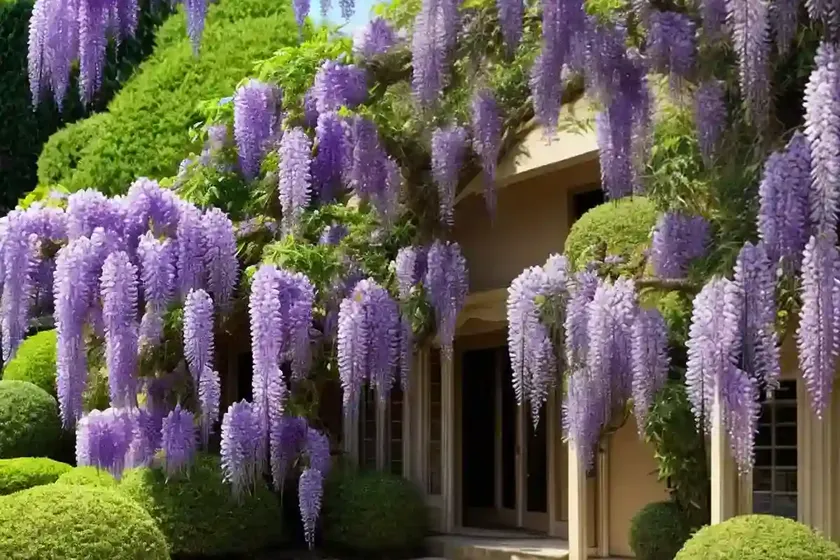
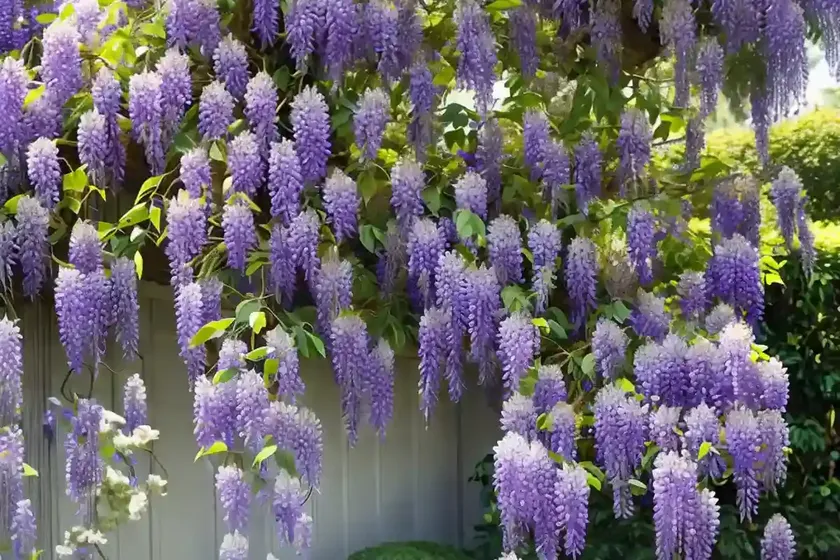
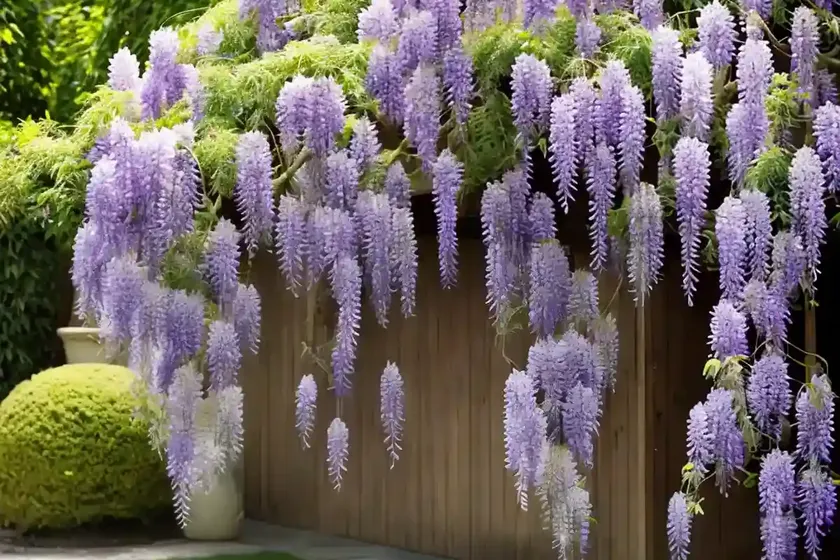
Wisteria floribunda ‘Domino’, commonly known as Japanese Wisteria, is a stunning, flowering vine native to Japan. This deciduous woody vine belongs to the Fabaceae family and is adored for its cascading clusters of fragrant, pea-like flowers. The ‘Domino’ variety is particularly captivating with its unique features, making it a fantastic addition to gardens, landscapes, and even containers. In this comprehensive guide, we will explore everything you need to know about caring for Wisteria floribunda ‘Domino’, from planting and maintenance to disease prevention and landscape uses.
Key Takeaways – Wisteria floribunda ‘Domino’ (Japanese Wisteria)
- Scientific Name: Wisteria floribunda ‘Domino’
- Common Name: Japanese Wisteria
- Family: Fabaceae
- Plant Type: Deciduous Vine
- Native to: Japan
- Features: Cascading clusters of fragrant, pea-like flowers
Now, let’s delve into the various aspects of caring for Wisteria floribunda ‘Domino’ to ensure its healthy growth and breathtaking blooms in your garden or landscape.
Culture
Cultivating Wisteria floribunda ‘Domino’ involves understanding its specific cultural requirements to provide an optimal environment for its growth and blooming. Let’s look at the essential cultural considerations for this captivating vine:
Uses
Wisteria floribunda ‘Domino’ holds several uses, both ornamental and practical. Here are some common uses of this delightful plant:
-
Ornamental Beauty: The cascading clusters of fragrant flowers make Wisteria floribunda ‘Domino’ a captivating ornamental plant, enhancing the aesthetic appeal of any garden or landscape.
-
Arbors and Trellises: Due to its climbing nature, ‘Domino’ Wisteria is often used to adorn arbors, trellises, and pergolas, creating enchanting and fragrant outdoor spaces.
-
Pollinator Attraction: The colorful and fragrant flowers of Wisteria floribunda ‘Domino’ attract pollinators such as bees and butterflies, contributing to the ecological balance of the garden or landscape.
Water
Watering is a crucial aspect of Wisteria floribunda ‘Domino’ care, especially during its establishment phase and blooming period. Here are key considerations for watering this stunning vine:
- Establishment Phase: During the initial growth phase, ensure consistent watering to support root development and overall plant health.
- Blooming Period: Adequate watering is essential during the blooming period to support the formation and sustenance of the vibrant flower clusters.
Sunlight
Proper sunlight exposure is vital for the healthy growth and flowering of Wisteria floribunda ‘Domino’. Here are important sunlight considerations for this plant:
-
Full Sun: ‘Domino’ Wisteria thrives in full sunlight, requiring at least 6-8 hours of direct sunlight daily for optimal growth and abundant blooms.
-
Sheltered Location: While it requires full sun, providing some shelter from strong winds can prevent damage to the delicate floral clusters.
Fertilizer
Fertilizing Wisteria floribunda ‘Domino’ is essential to provide the necessary nutrients for vigorous growth and prolific flowering. Here are guidelines for fertilizing this captivating vine:
- Balanced Fertilizer: Use a balanced fertilizer with an NPK ratio of 10-10-10 or similar, applying it in early spring before the onset of new growth.
- Avoid Excess Nitrogen: While fertilizing, ensure that the nitrogen content is not excessively high, as this can lead to excessive foliage growth at the expense of flowers.
Soil
Understanding the soil requirements of Wisteria floribunda ‘Domino’ is crucial for providing an ideal growing medium for this vine. Here are the key soil considerations for this plant:
- Well-Draining Soil: ‘Domino’ Wisteria prefers well-draining soil to prevent waterlogging, which can lead to root rot.
- Neutral to Slightly Acidic pH: The ideal soil pH for Wisteria floribunda ‘Domino’ ranges from 6.0 to 7.0, providing an optimal environment for nutrient uptake.
Pruning
Pruning is an essential practice for maintaining the health, shape, and flowering potential of Wisteria floribunda ‘Domino’. Here are the crucial aspects of pruning this delightful vine:
- Pruning Time: Perform major pruning in late winter or early spring while the plant is dormant to shape the vine and encourage abundant flowering.
- Remove Suckers: Regularly remove any suckers or unwanted growth to maintain the desired form and prevent excessive spreading.
Propagation
Propagating Wisteria floribunda ‘Domino’ allows for the expansion of its beauty in the garden or landscape. Here are common propagation methods for this captivating vine:
- Softwood Cuttings: Propagate ‘Domino’ Wisteria from softwood cuttings taken in early summer, ensuring that each cutting has several nodes for successful rooting.
- Layering: Air layering can also be employed to propagate Wisteria floribunda ‘Domino’, encouraging the development of roots on a stem while it is still attached to the parent plant.
Container Popularity
While ‘Domino’ Wisteria is known for its vigor and potential to grow into large, woody vines, it is also suitable for container cultivation, making its captivating beauty accessible to a broader range of gardeners. Here are the key aspects of growing Wisteria floribunda ‘Domino’ in containers:
- Large Containers: Select spacious containers to accommodate the extensive root system and vigorous growth of ‘Domino’ Wisteria.
- Regular Maintenance: Container-grown Wisteria requires regular monitoring of soil moisture, fertility, and potential root congestion, necessitating occasional repotting.
Common Diseases
Wisteria floribunda ‘Domino’ is vulnerable to certain diseases that can affect its overall health and blooming. Identifying and addressing these diseases is crucial for ensuring the longevity and vitality of this stunning vine. Let’s explore some common diseases that can afflict ‘Domino’ Wisteria:
Disease Diagnosis
Proper diagnosis of diseases is the first step in implementing effective treatment measures for Wisteria floribunda ‘Domino’. Here are some common diseases and their identifying symptoms:
-
Powdery Mildew: Characterized by the powdery white coating on foliage and flowers, powdery mildew can weaken the plant and inhibit blooming.
-
Leaf Spot: Circular, dark spots on the leaves accompanied by yellowing and defoliation indicate the presence of leaf spot disease.
-
Root Rot: Wilted, discolored foliage and stunted growth can signal the onset of root rot, often caused by waterlogged soil conditions.
Disease Prevention
Preventive measures play a crucial role in warding off diseases and promoting the overall health of Wisteria floribunda ‘Domino’. Here are key practices to prevent diseases in this captivating vine:
-
Adequate Air Circulation: Ensure proper spacing and pruning to promote air circulation, reducing the risk of fungal diseases such as powdery mildew.
-
Well-Draining Soil: Maintain well-draining soil conditions to prevent the onset of root rot and other moisture-related diseases.
Common Pests
Pests can pose a significant threat to the health and vigor of Wisteria floribunda ‘Domino’, requiring vigilant monitoring and appropriate pest management strategies. Let’s explore some common pests that can affect this delightful vine:
-
Aphids: These small, soft-bodied insects congregate on the underside of leaves, sucking sap and causing distorted growth and leaf yellowing.
-
Scale Insects: Scale insects can appear as small, waxy bumps on stems and foliage, leading to weakened plant vigor and honeydew secretion.
-
Caterpillars: Caterpillars, such as the Wisteria borer, can cause damage by feeding on foliage and wood, leading to defoliation and reduced flowering.
Pest Management
Effectively managing pests is essential for preserving the health and beauty of Wisteria floribunda ‘Domino’. Here are key pest management strategies for this captivating vine:
-
Natural Predators: Encourage the presence of natural predators such as ladybugs and lacewings to control aphid populations.
-
Horticultural Oils: Application of horticultural oils can help suffocate and control scale insect infestations while being less harmful to beneficial insects.
Botanist’s Tips
As a plant scientist, here are some expert tips to ensure the successful cultivation of Wisteria floribunda ‘Domino’ and maximize its ornamental potential:
-
Trellis Support: Provide sturdy trellis or arbor support for the climbing stems of ‘Domino’ Wisteria, facilitating its upright growth and showcasing the cascading flower clusters.
-
Regular Inspection: Periodically inspect the plant for signs of diseases, pests, or structural issues, intervening promptly to address any concerns and maintain plant health.
-
Seasonal Pruning: Adhere to a consistent pruning schedule, conducting major pruning in late winter or early spring to shape the vine and encourage prolific flowering.
Fun Facts
- The genus name “Wisteria” honors Caspar Wistar, an American physician and anatomist.
- Wisteria floribunda ‘Domino’ has been cultivated in Japan for centuries, and its enchanting beauty has inspired numerous artistic and cultural representations.
Links to External Resources
- RHS – Wisteria: Pruning and Training
- University of Florida IFAS Extension – Wisteria
- Missouri Botanical Garden – Wisteria floribunda
In conclusion, Wisteria floribunda ‘Domino’ (Japanese Wisteria) is a captivating vine with abundant ornamental charm, making it a prized addition to gardens, landscapes, and even containers. By understanding and implementing the key care practices, from planting and maintenance to disease prevention and pest management, you can savor the delightful beauty of ‘Domino’ Wisteria while ensuring its long-term health and vitality in your outdoor spaces.


