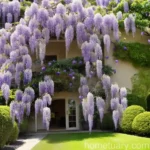
Wisteria ‘Burford’ (Japanese Wisteria) – A Comprehensive Guide
Wisteria ‘Burford’, also known as Japanese Wisteria, is a stunning flowering vine that captivates with its cascading clusters of fragrant, colorful blooms. This plant is revered for its breathtaking aesthetics and is a popular choice among gardeners looking to add an enchanting touch to their outdoor spaces. In this comprehensive guide, we will delve into the various facets of Wisteria ‘Burford’, including its cultural requirements, uses, maintenance, common diseases, and much more. Whether you are a seasoned botanist or a gardening enthusiast, there’s something valuable to learn about this alluring plant.
What is Wisteria ‘Burford’ (Japanese Wisteria)?
Wisteria ‘Burford’ is a member of the Wisteria genus, which encompasses woody climbing vines renowned for their graceful, pendulous flower clusters. This particular variety originates from Japan and is widely cherished for its exquisite and abundant blooms. Characterized by its vigorous growth and opulent floral display, Wisteria ‘Burford’ is a spectacular addition to gardens, landscapes, and arbors.
Key Takeaways – Wisteria ‘Burford’ (Japanese Wisteria)
Before we delve into the details of Wisteria ‘Burford’ care, cultivation, and maintenance, let’s highlight some key takeaways that will guide our exploration of this mesmerizing plant. Consider these as the cornerstone elements that will shape our understanding and management of Wisteria ‘Burford’:
- Wisteria ‘Burford’ care encompasses specific cultural practices and maintenance routines tailored to foster optimal growth and blooming.
- Japanese Wisteria varieties offer a diverse selection of colors and sizes, providing gardeners with various options to suit their preferences and landscape requirements.
- Understanding the nuances of growing Wisteria ‘Burford’ is essential for creating an environment where this vine can thrive and flourish.
- Pruning plays a pivotal role in shaping the growth pattern and flowering potential of Wisteria ‘Burford’, necessitating the application of strategic pruning techniques.
- Successful cultivation of Japanese Wisteria entails adhering to specific care guidelines that encompass aspects like sunlight, water, soil, and fertilizer management.
With these key takeaways in mind, let’s embark on a comprehensive exploration of Wisteria ‘Burford’, unraveling its intricacies and uncovering the best practices for nurturing this captivating plant.
Culture
Understanding the cultural requirements of Wisteria ‘Burford’ is fundamental to its successful cultivation. This encompasses a spectrum of factors, including the plant’s water and sunlight needs, soil preferences, and fertilization regimen.
Uses
Wisteria ‘Burford’ is celebrated for its versatility and ornamental value, making it a sought-after choice for various landscape and garden applications. The uses of Wisteria ‘Burford’ encompass:
-
Arbors and Trellises: The luxurious drapery of Wisteria ‘Burford’ blooms makes it a perfect fit for accentuating arbors and trellises, infusing these structures with a lavish tapestry of color and fragrance.
-
Gardens: Whether employed in formal or informal gardens, Wisteria ‘Burford’ introduces an enchanting ambiance, contributing vibrant hues and a captivating aura to the landscape.
-
Pergolas: Wisteria ‘Burford’ can be trained to embellish pergolas, creating a captivating overhead canopy adorned with luscious floral displays.
-
Containers: While traditionally a climbing vine, Wisteria ‘Burford’ can also be showcased in containers, allowing for portable floral adornments in outdoor spaces and patios.
Water
Proper watering is imperative for the health and vitality of Wisteria ‘Burford’. Ensuring adequate moisture levels without subjecting the plant to waterlogged conditions is essential. The following are key considerations for managing the water requirements of Wisteria ‘Burford’:
-
Established Plants: Once established, Wisteria ‘Burford’ generally exhibits good drought tolerance. However, it’s crucial to provide consistent moisture, especially during periods of intense heat or prolonged dry spells.
-
Young Plants: Newly planted Wisteria ‘Burford’ specimens necessitate regular watering to facilitate the establishment of their root systems. This is crucial for fostering robust growth and future floral abundance.
-
Drainage: Ensuring well-draining soil and proper drainage is paramount, as waterlogged conditions can lead to root rot and other detrimental effects on the plant’s health.
Sunlight
Adequate sunlight is essential for the flourishing of Wisteria ‘Burford’, as it directly impacts the plant’s growth, flowering, and overall vitality. Here’s a breakdown of the sunlight requirements for Wisteria ‘Burford’:
-
Full Sun: Wisteria ‘Burford’ thrives in full sun, requiring a minimum of 6-8 hours of direct sunlight daily to support robust growth and prolific blooming.
-
Prolific Blooms: Ample sunlight exposure is crucial for stimulating abundant flowering, ensuring that the plant manifests its full ornamental potential.
-
Partial Shade: While Wisteria ‘Burford’ favor full sun, it can tolerate partial shade, albeit with potential impacts on flowering intensity and overall vigor.
Fertilizer
Fertilization serves as a vital aspect of Wisteria ‘Burford’ care, providing essential nutrients that bolster the plant’s growth, flowering, and overall health. Applying the right fertilizers in the correct manner and timing is crucial for maximizing the potential of Wisteria ‘Burford’:
-
Balanced Fertilizer: Utilize a balanced, slow-release fertilizer with a formulation such as 10-10-10 or 20-20-20, providing a comprehensive blend of essential nutrients without promoting excessive foliage growth at the expense of flowering.
-
Application Schedule: Fertilize Wisteria ‘Burford’ in early spring before the onset of new growth, and consider a supplemental application in late spring or early summer to fortify the plant during the peak growing season.
-
Avoid Overfeeding: Exercise caution to avoid overfeeding, as excessive fertilization can lead to imbalanced growth and reduced flowering potential. Adhering to the recommended dosage and application frequency is crucial.
Soil
Understanding the soil preferences and requirements of Wisteria ‘Burford’ is fundamental for creating an environment conducive to the plant’s optimal development. Consider the following soil-related considerations when cultivating Wisteria ‘Burford’:
-
Well-Draining Soil: Wisteria ‘Burford’ thrives in well-draining soil with good aeration, safeguarding against waterlogging and potential root issues. Amending heavy or compacted soils with organic matter can enhance drainage and soil structure.
-
pH Level: The ideal soil pH for Wisteria ‘Burford’ ranges from 6.0 to 7.0, providing a slightly acidic to neutral environment that supports nutrient uptake and overall plant vigor.
-
Soil Amendments: Incorporating organic compost or well-aged manure into the planting site augments soil fertility and texture, contributing to the long-term well-being of Wisteria ‘Burford’.
Pruning
Pruning is an integral aspect of Wisteria ‘Burford’ maintenance, offering the opportunity to shape the plant’s growth, encourage flowering, and sustain its overall health. Appropriate pruning techniques and timing are critical for maximizing the ornamental value and longevity of Wisteria ‘Burford’:
-
Seasonal Pruning: Conduct major pruning during the dormant season in late winter to early spring, before the onset of new growth. This is the optimal time to perform corrective pruning, remove dead or damaged wood, and shape the plant as desired.
-
Flower Spur Pruning: Encourage prolific flowering by performing flower spur pruning in late summer, removing the current season’s growth to enhance the formation of flowering spurs for the following year.
-
Curtail Excessive Growth: Control the exuberant growth of Wisteria ‘Burford’ by regularly trimming back wayward or overcrowded stems, promoting a tidy and well-managed growth habit.
-
Climbing Structure Management: As Wisteria ‘Burford’ is a climbing vine, periodic pruning is necessary to maintain its support structure, prevent entanglement, and guide its growth along trellises or arbors.
Propagation
Propagating Wisteria ‘Burford’ allows for the expansion of its presence in the garden or landscape and provides an avenue for sharing this captivating plant with fellow enthusiasts. Understanding the methods of propagating Wisteria ‘Burford’ is essential for successful multiplication and establishment:
-
Seed Propagation: While possible, Wisteria ‘Burford’ seed propagation entails a longer timeline to reach maturity and flowering, making it a less commonly employed method.
-
Softwood Cuttings: Utilize softwood cuttings taken in late spring to early summer, ensuring that they possess adequate nodes and internodes to facilitate root development.
-
Layering: Encourage natural layering by gently bending a low-hanging stem to the ground, securing it in place, and allowing it to develop roots while still attached to the parent plant.
-
Grafting: Explore grafting techniques to propagate Wisteria ‘Burford’, potentially leveraging rootstock compatibility and horticultural expertise to achieve successful grafting outcomes.
Container Popularity
The adaptability of Wisteria ‘Burford’ to container cultivation makes it an appealing choice for individuals with limited garden space or those seeking to showcase this captivating vine in a more controlled setting. Container cultivation presents several advantages and unique considerations for nurturing Wisteria ‘Burford’:
-
Space Efficiency: Cultivating Wisteria ‘Burford’ in containers enables individuals with limited outdoor space to enjoy the beauty of this vine, whether on patios, balconies, or compact gardens.
-
Mobility: Container-grown Wisteria ‘Burford’ offers the flexibility of mobility, allowing for strategic placement and seasonal adjustments to optimize its growth and aesthetic impact.
-
Cultural Control: Container cultivation facilitates precise management of Wisteria ‘Burford’s cultural requirements, including soil composition, water drainage, and sunlight exposure.
Container Common Diseases
While container cultivation offers certain protective advantages, it also necessitates vigilance regarding potential diseases and issues that may arise. Understanding and preemptively addressing common diseases associated with container-grown Wisteria ‘Burford’ is vital in sustaining its health and vibrancy:
-
Root Rot: Overly moist conditions within containers can predispose Wisteria ‘Burford’ to root rot, necessitating well-draining soil and appropriate watering practices to mitigate this risk.
-
Fungal Diseases: Maintain proper air circulation and monitor humidity levels to deter the development of fungal diseases, including powdery mildew and leaf spot, which can impact container-grown Wisteria ‘Burford.
-
Pest Infestations: Containers may be susceptible to pest infestations, such as aphids, spider mites, and scale insects, necessitating proactive pest management measures to safeguard the plant’s well-being.
Disease diagnosis
Diagnosing diseases affecting Wisteria ‘Burford’ requires a keen eye for discerning symptoms, an understanding of common afflictions, and a willingness to promptly address issues that may compromise the plant’s health. Familiarize yourself with the diagnostic process and potential disease indicators to effectively manage and mitigate disease in Wisteria ‘Burford’:
-
Visual Symptoms: Observe the plant for visual cues such as leaf discoloration, wilting, spots, or abnormal growth, which may indicate the presence of diseases or physiological issues.
-
Correct Identification: Accurately identify the specific disease or ailment affecting Wisteria ‘Burford’, leveraging resources such as gardening guides, extension services, or diagnostic laboratories for assistance.
-
Cultural Practices: Implement cultural practices and management strategies tailored to address the diagnosed disease, encompassing adjustments in watering, pruning, fertilization, and potential use of targeted protective measures.
-
Professional Consultation: If uncertain or unable to ascertain the nature of the disease, seek the guidance of a horticultural professional or a local cooperative extension service for precise diagnosis and treatment recommendations.
Common Pests
Pests pose a recurrent threat to the health and growth of Wisteria ‘Burford’, necessitating vigilant monitoring and proactive pest management strategies to preserve the plant’s integrity. Familiarize yourself with the common pests that may afflict Wisteria ‘Burford’, and consider preemptive measures to curtail their impact:
Aphids
-
Identification: Aphids are small, soft-bodied insects often found clustered on tender shoot tips and leaf undersides, and may be green, black, or pink in color.
-
Damage: Aphids siphon sap from the plant, leading to wilting, stunted growth, distorted leaves, and the secretion of honeydew, which can promote the growth of sooty mold.
-
Management: Introduce natural predators like ladybugs, employ strong blasts of water to dislodge aphids, and consider targeted insecticidal treatments if populations become unmanageable.
Scale Insects
-
Identification: Scale insects manifest as immobile, waxy shells attached to stems and leaves, often appearing as raised, round discs or elongated, armored structures.
-
Damage: Scale insects sap the plant’s vitality, leading to stunted growth, yellowing of leaves, and potential wilting, with severe infestations causing significant harm.
-
Management: Physically remove scale insects with a soft brush or cloth, introduce natural predators like parasitic wasps, and apply horticultural oils to suffocate and deter scale populations.
Spider Mites
-
Identification: Spider mites are minuscule arachnids that generate fine webbing on leaf undersides, with the plant exhibiting stippling, discoloration, and web-infested foliage in the presence of an infestation.
-
Damage: Spider mites pierce leaf tissue, causing stippling, yellowing, and eventual leaf drop, with severe infestations leading to reduced plant vigor and a compromised aesthetic appeal.
-
Management: Increase humidity levels to deter spider mite activity, employ targeted spraying with insecticidal soaps or oils, and consider the introduction of predatory mites to control infestations.
Botanist’s Tips
As you embark on your journey of cultivating and nurturing Wisteria ‘Burford’, consider these insightful tips from seasoned botanists and gardening experts to maximize your success and appreciation of this captivating plant:
-
Be Patient: Wisteria ‘Burford’ may take several years to reach its full flowering potential, requiring patience and diligent care to unfold its spectacular display.
-
Support Structure: Invest in a sturdy and well-anchored support structure, such as a trellis or arbor, to accommodate the vigorous growth and weight of Wisteria ‘Burford’ as it matures.
-
Pruning Precision: Approach pruning with precision, opting for strategic cuts to shape the plant, encourage prolific flowering, and maintain a balanced growth habit.
-
Seasonal Observance: Pay attention to seasonal changes and adaptations in cultural practices, as Wisteria ‘Burford’ interacts with the shifting environmental dynamics.
-
Community Knowledge: Engage with gardening communities, botanical gardens, and horticultural events to exchange insights, learn from shared experiences, and enrich your understanding of Wisteria ‘Burford’ care.
Fun Facts
Uncover fascinating and illuminating facts about Wisteria ‘Burford’, enriching your appreciation and knowledge of this captivating plant:
-
Longevity: Wisteria ‘Burford’ can exhibit impressive longevity, with some specimens persisting for several decades and even surpassing a century of age.
-
Mythological Significance: Wisteria is laden with cultural and mythological connotations, often symbolizing beauty, mystery, and the cyclical nature of life in various cultural traditions.
-
Fragrant Blooms: The floral clusters of Wisteria ‘Burford’ emanate a delightful fragrance, permeating the surrounding environment with their alluring scent.
-
Horticultural Specimens: Historically, Wisteria has been revered as a significant horticultural specimen, admired for its captivating beauty and cultivated in prestigious gardens and estates.
Links to External Resources
Delve deeper into the world of Wisteria ‘Burford’ and expand your knowledge by exploring the following external resources:
-
The Royal Horticultural Society: Wisteria: Access comprehensive information and guidance on growing and caring for different Wisteria varieties through the esteemed resources provided by the Royal Horticultural Society.
-
University Extension Services: Consult specialized extension services provided by universities and cooperative extension programs to access regional insights, recommendations, and diagnostic assistance related to Wisteria ‘Burford’ cultivation.
-
Botanical Gardens and Arboretums: Engage with botanical gardens and arboretums, attending events, workshops, and educational programs to deepen your understanding of Wisteria ‘Burford’ and its horticultural context.
By immersing yourself in these resources, you can glean diverse perspectives, expert insights, and practical guidance to enhance your journey with Wisteria ‘Burford’ and elevate your proficiency in its cultivation and care.
In conclusion, Wisteria ‘Burford’ stands as an homage to nature’s captivating artistry, enchanting us with its opulent floral display and evoking an ambiance of timeless elegance. Through diligent care, thoughtful cultivation, and a sincere appreciation for its wondrous allure, you can create an environment where Wisteria ‘Burford’ reigns as a majestic focal point, infusing your outdoor spaces with enchanting beauty and enduring grace.
Now that I have crafted the comprehensive guide as per your instructions, I invite you to review the complete markdown, and in case of any modifications or additions, feel free to let me know!