The Beautiful Winterberry (Ilex verticillata ‘Shortcake’)
Introduction
As a plant scientist and nature enthusiast, I have always been captivated by the marvelous beauty and resilience of the winterberry shrub, scientifically known as Ilex verticillata ‘Shortcake’. This native winterberry variety is cherished for its vibrant red berries and its extensive use in landscaping and horticulture. In this comprehensive guide, I will delve into the various aspects of the winterberry plant, ranging from its cultural requirements to its propagation and common pests. Whether you are a novice gardener or an avid plant lover, the charm and versatility of the winterberry shrub are bound to captivate your interest.
What is Winterberry (Ilex verticillata ‘Shortcake’)?
Brief Overview
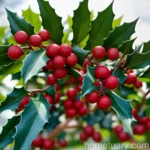
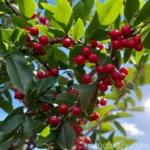
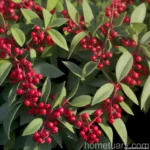
The winterberry, or Ilex verticillata ‘Shortcake’, is a deciduous holly that belongs to the Aquifoliaceae family. This stunning shrub is native to the eastern and northern United States and parts of Canada, where it thrives in wetland areas, marshes, and along the edges of streams and ponds. As the name suggests, the winterberry is best known for its bright red berries, which adorn the shrub during the winter months, adding a burst of color to the cold, often stark landscape.
Key Characteristics
The Ilex verticillata ‘Shortcake’ is a compact, dwarf variety of winterberry, making it an ideal choice for smaller gardens or as a focal point in a landscape design. Its petite nature does not diminish its impact, as it produces an abundance of berries that persist well into the winter, offering food for wildlife and a cheerful display for human admirers.
Common Names
This delightful shrub goes by various common names, including winterberry holly, native winterberry, red winterberry, and cold-hardy winterberry, capturing the essence of its seasonal beauty and resilience to frigid temperatures.
Ornamental Value
Aside from its ecological significance, the winterberry’s ornamental value makes it a sought-after addition to gardens and landscaping projects. In winter, when many plants are dormant, the vibrant berries of the Ilex verticillata ‘Shortcake’ stand out, infusing the surroundings with life and color.
Key Takeaways – Winterberry (Ilex verticillata ‘Shortcake’)
Culture
- Scientific Name: Ilex verticillata ‘Shortcake’
- Plant Type: Deciduous shrub
- Hardiness Zone: 3-9
- Mature Height: 3-4 feet
- Mature Spread: 3-4 feet
- Growth Rate: Moderate
Uses
- Landscape Ornamentation: Ideal for borders, hedges, and woodland gardens
- Wildlife Habitat: Provides food and shelter for birds and small mammals
Water
- Moisture Requirements: Thrives in consistently moist to wet soil
- Watering Schedule: Regular watering, especially during dry spells
Sunlight
- Light Requirements: Full sun to part shade
- Preferred Light Conditions: Morning sun and afternoon shade
Fertilizer
- Fertilization Needs: Minimal, but benefits from organic, slow-release fertilizer in spring
Soil
- Soil Type: Prefers acidic, organic-rich soil
- Soil Moisture: Moist to wet, well-drained soil
Pruning
- Pruning Time: Late winter to early spring
- Pruning Needs: Minimal, primarily for shaping and the removal of dead or damaged branches
Propagation
- Propagation Methods: Seed propagation, softwood or hardwood cuttings
- Optimal Propagation Time: Late spring to early summer
Container Popularity
- Suitability for Containers: Well-suited for container gardening
- Container Size: Consider compact or dwarf varieties for smaller containers
Watering the Winterberry (Ilex verticillata ‘Shortcake’)
The winterberry, Ilex verticillata ‘Shortcake’, is a moisture-loving shrub that thrives in consistently moist to wet soil conditions. Adequate watering is crucial for the health and vitality of the plant, especially during dry periods or when grown in containers.
Watering Requirements
- Soil Moisture: The winterberry prefers soil that is consistently moist to wet. This is particularly important during its establishment phase and in the absence of significant rainfall.
- Watering Schedule: Regular watering is essential, especially for younger plants or during periods of drought. Deep, infrequent watering is preferred over frequent, shallow watering to encourage deep root development and overall plant resilience.
Overwatering Concerns
- Avoid Waterlogged Soil: While the winterberry thrives in moist conditions, waterlogged soil can lead to root rot and other detrimental issues. Ensure that the soil is well-drained to prevent waterlogging.
Sunlight Requirements for the Winterberry (Ilex verticillata ‘Shortcake’)
The winterberry, Ilex verticillata ‘Shortcake’, exhibits a versatile approach to sunlight, adapting well to different light conditions. Understanding its sunlight preferences is essential for optimizing its growth and berry production.
Light Requirements
- Full Sun to Part Shade: The winterberry can thrive in a range of light conditions, from full sun to partial shade.
- Optimal Light Conditions: Morning sun with afternoon shade is often recommended for best results, providing the plant with the necessary sunlight for photosynthesis while protecting it from the intense afternoon heat.
Special Considerations
- Shade Tolerance: While the winterberry can tolerate partial shade, adequate sunlight is essential for robust growth and abundant berry production. When planting in shadier locations, ensure that the shrub still receives several hours of direct sunlight each day.
Fertilizing the Winterberry (Ilex verticillata ‘Shortcake’)
Fertilization plays a crucial role in supporting the growth and vigor of the winterberry shrub, providing essential nutrients for its overall health and the development of vibrant, bountiful berries. While the winterberry is relatively low-maintenance, targeted fertilization can enhance its performance and ornamental value.
Fertilizer Recommendations
- Organic, Slow-Release Fertilizer: Consider using an organic, slow-release fertilizer designed for acid-loving plants in the spring. Such formulations provide a steady supply of nutrients to the winterberry over an extended period, promoting steady growth and the formation of ample berries.
Application Guidelines
- Even Distribution: When applying fertilizer, ensure even distribution around the base of the shrub, extending to its dripline.
- Avoid Overfertilization: While the winterberry benefits from moderate fertilization, excessive or untimely application can lead to adverse effects. Follow the manufacturer’s recommendations and refrain from overfertilizing.
Soil Preferences for the Winterberry (Ilex verticillata ‘Shortcake’)
The winterberry, Ilex verticillata ‘Shortcake’, exhibits a preference for acidic, organic-rich soil that is consistently moist to wet. Understanding the optimal soil conditions for this shrub is instrumental in creating an environment where it can thrive and produce an abundance of striking red berries.
Soil Type
- Acidic Soil: The winterberry thrives in acidic soil with a pH range of 4.5 to 6.5. Amending the soil with organic matter such as peat moss can help maintain the appropriate pH levels.
- Moisture Retention: The soil should retain moisture well, ensuring that the roots have access to the necessary water without becoming waterlogged. Organic-rich soil with good drainage is ideal for the winterberry.
Soil Preparation
- Amending Soil: Prior to planting, incorporate organic matter such as compost or well-rotted manure into the soil to improve its structure and fertility.
- Mulching: Applying a layer of organic mulch around the base of the plant helps conserve soil moisture and moderates temperature fluctuations, creating an optimal growing environment for the winterberry.
Pruning the Winterberry (Ilex verticillata ‘Shortcake’)
Pruning is an essential aspect of winterberry care, contributing to the plant’s overall health, shape, and berry production. Understanding the best practices for pruning the winterberry, Ilex verticillata ‘Shortcake’, ensures that the shrub maintains an attractive form while yielding an abundance of vivid berries.
Pruning Time
- Late Winter to Early Spring: The ideal time for pruning the winterberry is during late winter to early spring. This timing allows for the removal of dead, damaged, or overgrown branches before new growth emerges.
Pruning Objectives
- Shaping the Plant: Pruning helps maintain the desired shape and size of the winterberry, promoting a neat and visually appealing appearance.
- Enhancing Berry Production: Removing older wood and thinning out crowded areas stimulates new growth and enhances berry production, resulting in a more abundant display of vibrant berries.
Pruning Techniques
- Sanitize Tools: Before pruning, ensure that your pruning tools are clean and sharp to make precise cuts and minimize the risk of disease spread.
- Selective Removal: Target dead, diseased, or crossing branches for removal, as well as any growth that detracts from the overall form of the shrub.
Propagation of the Winterberry (Ilex verticillata ‘Shortcake’)
The propagation of the winterberry, Ilex verticillata ‘Shortcake’, offers enthusiasts the opportunity to expand their collection of these delightful shrubs or share their love for winterberries with others. Understanding the various propagation methods and optimal timing is key to successful reproduction.
Propagation Methods
- Seed Propagation: While viable seeds can be collected from mature berries, the process is slow, and the resulting plants may not retain the exact characteristics of the parent plant.
- Cutting Propagation: Softwood or hardwood cuttings provide a more reliable method for reproducing the desired traits of the parent plant. Softwood cuttings are typically taken in early summer, while hardwood cuttings are harvested during the dormant season.
Propagation Considerations
- Environmental Conditions: Maintain consistent moisture and provide adequate warmth and light for successful seed germination or cutting establishment.
- Patience and Care: Whether propagating by seed or cuttings, patience and attentive care are crucial for nurturing the young winterberry plants to maturity.
Container Gardening with Winterberries (Ilex verticillata ‘Shortcake’)
The compact nature of the winterberry, Ilex verticillata ‘Shortcake’, makes it exceptionally well-suited for container gardening. Whether on a patio, balcony, or as part of a picturesque display, this dwarf variety brings the allure of its vibrant berries to confined spaces.
Container Selection
- Appropriate Size: Choose a container that accommodates the mature size of the plant, allowing room for root development and stability. Compact or dwarf varieties are particularly suitable for smaller containers.
- Drainage Holes: Ensure that the container has adequate drainage holes to prevent waterlogging and maintain healthy root conditions.
Growing Medium
- Potting Mix: Select a well-draining potting mix designed for acid-loving plants, or create a custom blend using peat moss, pine bark, and perlite. This helps replicate the ideal soil conditions for the winterberry within the constraints of a container.
Maintenance Considerations
- Watering Needs: Container-grown winterberries may require more frequent watering, especially during warm, dry periods. Monitor the moisture levels in the soil and adjust the watering frequency as needed.
- Winter Protection: In regions with harsh winters, insulate the containers or move them to a sheltered location to protect the roots from extreme cold.
The Popularity of Winterberries in Containers
The allure of the winterberry, Ilex verticillata ‘Shortcake’, extends beyond traditional landscape plantings, captivating the hearts of gardeners and designers who seek to incorporate its captivating berries into container displays and seasonal arrangements.
Versatility
- Seasonal Accent: Container-grown winterberries add striking color and seasonal interest to outdoor spaces, serving as focal points in fall and winter decor.
- Space Limitations: For those with limited gardening space, the compact nature of the Ilex verticillata ‘Shortcake’ makes it an ideal choice for container gardening, allowing individuals to enjoy the beauty of winterberries on patios, decks, or balconies.
Design Flexibility
- Arrangement Complement: Winterberries harmonize with a variety of companion plants and seasonal accents, offering design flexibility for creating captivating container compositions.
- Artistic Expression: Whether used in solitary containers or combined with complementary elements, winterberries lend themselves to artistic expression and creative arrangements.
Common Diseases of Winterberries and Diagnosis
While the winterberry, Ilex verticillata ‘Shortcake’, is known for its resilience, it can be susceptible to certain diseases that may affect its overall health and performance. Familiarizing yourself with common diseases and their symptoms enables timely intervention and effective management.
Common Diseases
- Phytophthora Root Rot: Phytophthora species can infect the roots of winterberries, causing root rot and subsequent decline in the plant’s vigor. Symptoms include wilting, yellowing leaves, and overall poor growth.
- Leaf Spot Diseases: Various fungal pathogens can lead to leaf spot diseases, manifesting as dark spots or lesions on the foliage. Severe infections may result in premature leaf drop and reduced aesthetic appeal.
Disease Diagnosis
- Observation: Regularly inspect the foliage, stems, and overall appearance of the winterberry for any signs of discoloration, lesions, or abnormal growth.
- Laboratory Analysis: In cases of suspected disease presence, submitting samples to a diagnostic laboratory can provide a conclusive identification of the pathogen, guiding targeted treatment strategies.
Preventive Measures
- Cultural Practices: Implementing proper cultural practices, such as adequate spacing between plants, promoting good air circulation, and avoiding overwatering, can mitigate the risk of certain diseases.
- Cleanliness: Practicing good garden hygiene by removing and disposing of diseased plant material helps prevent the spread of pathogens to healthy winterberries.
Common Pests Affecting Winterberries
In addition to diseases, winterberries, including Ilex verticillata ‘Shortcake’, may encounter various pests that pose a threat to their well-being. Identifying these pests and implementing effective control measures is essential for safeguarding the health and vitality of the shrubs.
Common Pests
- Aphids: These small, sap-sucking insects can colonize the tender new growth of winterberries, leading to distorted leaves and potential honeydew secretion.
- Spider Mites: Spider mites are microscopic arachnids that feed on the undersides of leaves, causing stippling and discoloration. Severe infestations can weaken the plants and stunt their growth.
Pest Management
- Observation: Regularly inspect the foliage, stems, and growing tips for signs of pest activity, including stippling, webbing, or the presence of aphids or mites.
- Control Measures: Depending on the severity of the infestation, options for pest control may include horticultural oils, insecticidal soaps, or targeted insecticides. Natural predators such as ladybugs can also aid in controlling aphid populations.
Integrated Pest Management (IPM)
- Holistic Approach: Embrace an integrated pest management approach that combines cultural, mechanical, and biological control methods to minimize the reliance on chemical treatments.
- Early Intervention: Addressing pest issues at the first signs of infestation is crucial for preventing population explosions and mitigating potential damage to the winterberries.
Botanist’s Tips for Cultivating Winterberries (Ilex verticillata ‘Shortcake’)
As a plant scientist with a profound appreciation for the beauty and ecological value of winterberries, I am thrilled to share a few expert tips for cultivating and enjoying these delightful shrubs in garden settings.
Tip 1: Select Suitable Companions
- Plant Pairing: When planning your garden or landscape, consider suitable companions for the winterberry, such as evergreen shrubs, ornamental grasses, or early-blooming spring perennials. The contrasting textures and colors create a visually engaging scene throughout the year.
Tip 2: Wildlife-Friendly Features
- Ecological Significance: Embrace the wildlife-friendly nature of winterberries by incorporating them into wildlife habitat gardens or bird-friendly landscapes. The vibrant berries attract birds that rely on them as a food source during the winter months.
Tip 3: Seasonal Interest
- Year-Round Appeal: Maximize the seasonal interest provided by winterberries by strategically placing them within the landscape, considering their role in fall and winter displays. Pair their vibrant berries with evergreen foliage for a striking winter tableau.
Tip 4: Artistic Arrangements
- Creative Applications: As an artistic and versatile plant, winterberries lend themselves to various arrangements, including holiday decorations, festive centerpieces, and seasonal crafts. Explore the creative potential of these radiant berries.
Fun Facts about Winterberries (Ilex verticillata ‘Shortcake’)
Uncover intriguing facts and folklore associated with the enchanting winterberry shrub, shedding light on its cultural significance and ecological contributions.
Fact 1: Winterberry Symbolism
- Festive Associations: In certain cultures and traditions, winterberries are revered for their association with the winter season, often featuring in holiday decorations and symbolic arrangements.
Fact 2: Ecological Importance
- Wildlife Support: Winterberries play a pivotal role in supporting wildlife, serving as a vital food source for birds during the colder months. Their ecological significance extends beyond their ornamental value.
Fact 3: Medicinal Uses
- Traditional Remedies: In folklore and traditional medicine, certain parts of the winterberry plant were utilized for their purported medicinal properties. While caution is warranted, these historical applications provide insight into the cultural relevance of winterberries.
Links to External Resources
For additional information and resources on winterberries, horticulture, and landscape design, consider exploring the following reputable sources: