Winterberry (Ilex verticillata ‘Maryland Beauty’)
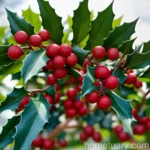
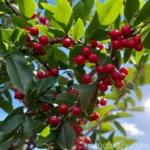
Winterberry (Ilex verticillata ‘Maryland Beauty’) is an exceptional deciduous holly variety that is cherished for its vibrant red berries, which add a splash of color to the winter landscape. This native plant to North America is a popular choice for gardens and natural landscaping due to its captivating display and the ecological benefits it offers. In this comprehensive guide, we will delve into the various aspects of the winterberry plant, from its cultural requirements and uses to its propagation, potential diseases, and fun facts.
What is Winterberry (Ilex verticillata ‘Maryland Beauty’)?
Winterberry (Ilex verticillata ‘Maryland Beauty’) is a species of holly that hails from the Aquifoliaceae family. It is native to eastern North America, where it thrives in wet woodlands, marshes, and swamps. The ‘Maryland Beauty’ variety is particularly valued for its profusion of bright red berries that persist through the winter, providing a vital food source for birds when other options are scarce.
Key Takeaways – Winterberry (Ilex verticillata ‘Maryland Beauty’)
Before delving into the details of this captivating plant, here are a few key takeaways about Winterberry (Ilex verticillata ‘Maryland Beauty’):
- Family: Aquifoliaceae
- Common Names: Winterberry, Maryland Beauty winterberry
- Cultivars: Ilex verticillata ‘Maryland Beauty’
- Characteristics: Deciduous shrub with bright red berries in winter
- Native Range: Eastern North America
- Uses: Ornamental, wildlife attractant
- Cultivation: Well-drained, acidic soil in sunny to partly shaded locations
- Hardiness: USDA zones 3-9
- Notable Feature: Provides winter interest in the landscape
With these key points in mind, let’s explore the various aspects of Winterberry (Ilex verticillata ‘Maryland Beauty’) and how to successfully cultivate and appreciate this stunning plant.
Culture
Cultivating Winterberry (Ilex verticillata ‘Maryland Beauty’) to its full potential requires an understanding of its cultural requirements, including its need for water, sunlight, soil, and fertilization.
Water
Winterberry plants thrive in consistently moist soil, especially during the growing season. While they are adaptable to different moisture conditions, they prefer moist, well-drained soils and will benefit from regular watering, particularly during dry spells. Proper watering is crucial for the development of the vibrant berries that make this plant so desirable in winter landscapes.
Sunlight
When it comes to sunlight, Winterberry (Ilex verticillata ‘Maryland Beauty’) displays impressive versatility. It can thrive in a range of light conditions, from full sun to partial shade. However, for optimal berry production and overall vigor, a location with at least partial sunlight is preferred.
Fertilizer
Winterberry generally doesn’t require heavy feeding. A light application of a balanced fertilizer in early spring can help support healthy growth and enhance berry production. Incorporating organic matter into the soil can also provide the necessary nutrients for the plant’s development.
Soil
The soil requirements for Winterberry (Ilex verticillata ‘Maryland Beauty’) are relatively specific. It thrives in acidic, well-drained soil and is particularly well-suited to moist, organic-rich environments. Ensuring proper soil conditions is essential for the plant’s overall health and longevity.
Pruning
Pruning is an essential aspect of Winterberry plant care, as it helps maintain its shape and encourages vigorous growth. Proper pruning also plays a role in controlling the size of the plant and maximizing berry production.
Pruning Tips
- Timing: Pruning is best carried out in late winter to early spring before new growth emerges.
- Purpose: Remove any dead, damaged, or diseased branches to promote overall plant health.
- Shaping: Tailor the plant’s shape and density by selectively pruning branches as needed.
- Thinning: Thinning out older wood can stimulate new growth and enhance berry production.
- Maintenance: Regular light pruning can help maintain the plant’s form and promote a healthy, vibrant appearance.
Propagation
Winterberry (Ilex verticillata ‘Maryland Beauty’) can be propagated through various methods, including seeds, cuttings, and division. Each approach has its own advantages and considerations, ultimately offering flexibility in propagating new plants.
Seed Propagation
- Gather ripe berries and extract the seeds.
- Stratify the seeds by storing them in a moist medium in the refrigerator for several months to mimic natural winter conditions.
- Sow the stratified seeds in a suitable growing medium and keep them consistently moist until germination occurs.
Stem Cuttings
- Take semi-hardwood cuttings from healthy, disease-free plants in late summer or early fall.
- Treat the cuttings with a rooting hormone to encourage root development.
- Plant the cuttings in a well-draining medium and maintain consistent moisture until roots form.
Division
- Divide mature plants in early spring before new growth begins.
- Carefully separate the root ball into sections, ensuring that each division has a sufficient number of healthy roots and shoots.
- Replant the divisions at the same depth as the parent plant in suitable soil and growing conditions.
Container Popularity
The adaptability and ornamental value of Winterberry (Ilex verticillata ‘Maryland Beauty’) make it a popular choice for container gardening. Its vibrant berries and attractive foliage provide a stunning display in outdoor containers, making it a versatile option for urban and suburban landscapes.
Container Common Diseases
While growing Winterberry in containers offers numerous advantages, it is important to be mindful of potential diseases that can affect the plant in this environment. Common container-related diseases include root rot, caused by overwatering or poor drainage, and powdery mildew, which can develop in humid conditions.
Disease Diagnosis
Diagnosing diseases in Winterberry (Ilex verticillata ‘Maryland Beauty’) often involves identifying visual symptoms such as discoloration, wilting, or unusual growth patterns. In container plants, the presence of mold or fungal growth on the soil or leaves can also indicate potential disease issues.
Common Pests
Pest management is a crucial aspect of Winterberry plant care, especially in maintaining the health and productivity of the plant. While Winterberry is generally resistant to most pests, it can occasionally face challenges from certain insects.
Pests
- Spider Mites: These tiny pests can cause stippling and discoloration on the leaves.
- Scale Insects: Scale infestations can lead to weakened growth and decreased vigor.
- Whiteflies: Whiteflies can cause damage by feeding on the plant’s sap, potentially leading to wilting and leaf loss.
Botanist’s Tips
Here are some key tips for successfully cultivating and appreciating Winterberry (Ilex verticillata ‘Maryland Beauty’):
- Native Landscaping: Incorporate Winterberry into natural landscapes and wetland restoration projects to provide valuable habitat and food for wildlife.
- Companion Planting: Pair Winterberry with other native plants and shrubs to create biodiverse and visually appealing landscapes.
- Winter Interest: Utilize Winterberry’s striking berries as a focal point in winter garden designs, attracting attention and offering ecological benefits during the colder months.
- Habitat Restoration: Contribute to biodiversity and the preservation of native species by including Winterberry in habitat restoration efforts and plantings.
Fun Facts
Uncover some intriguing and unique facts about Winterberry (Ilex verticillata ‘Maryland Beauty’):
- Bird Attractant: The vibrant berries of Winterberry provide vital food sources for birds throughout the winter, including species such as robins, bluebirds, and cedar waxwings.
- Cultural Significance: Winterberry has been incorporated into various crafts and decorations, adding a festive touch to wreaths, centerpieces, and other seasonal arrangements.
- Habitat Enhancement: Planting Winterberry contributes to the restoration and enhancement of wetland habitats, promoting biodiversity and ecological vitality.
- Pollinator Support: The flowers of Winterberry serve as a valuable nectar source for pollinators, supporting the broader ecosystem.
With its captivating beauty, ecological significance, and versatility, Winterberry (Ilex verticillata ‘Maryland Beauty’) stands as a remarkable addition to diverse landscapes and gardening endeavors.
Links to External Resources
For further exploration of Winterberry (Ilex verticillata ‘Maryland Beauty’) and related topics, consider the following external resources:
- USDA Plant Profile: Ilex verticillata
- The Morton Arboretum: Winterberry
- University of Wisconsin – Garden Facts: Winterberry (Ilex verticillata)
- Missouri Botanical Garden: Ilex verticillata
These resources offer valuable insights, additional details, and practical guidance for those interested in exploring Winterberry (Ilex verticillata ‘Maryland Beauty’) and its cultivation in various contexts.
In conclusion, Winterberry (Ilex verticillata ‘Maryland Beauty’) with its captivating berries, cultural significance, and ecological benefits, serves as a valuable addition to diverse landscapes and a testament to the rich botanical diversity of North America.
By understanding and appreciating the cultural, practical, and ecological dimensions of Winterberry, enthusiasts and gardeners can foster its presence and contribute to the tapestry of native flora in their surroundings. Whether in naturalized settings, urban landscapes, or backyard gardens, Winterberry holds the potential to inspire and enrich our connections with the natural world.
As we witness the winter landscape come alive with the resplendent hues of the Winterberry, we are reminded of nature’s enduring beauty and the significance of native plants in sustaining and embellishing our ecosystems.