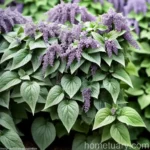
Winter Savory (Satureja montana) – A Herbal Treasure
What is Winter Savory?
Winter savory (Satureja montana) is an aromatic evergreen herb native to warm temperate regions of southern Europe and the Mediterranean. Belonging to the Lamiaceae family, it is closely related to thyme and rosemary, sharing similar characteristics and uses. This perennial herb is highly valued for its culinary and medicinal properties, making it a popular choice for gardeners and herbal enthusiasts alike.
Key Takeaways
- Winter savory (Satureja montana) is an aromatic evergreen herb with culinary and medicinal uses.
- It is a member of the Lamiaceae family and is closely related to thyme and rosemary.
- This perennial herb is valued for its resilience and ability to thrive in various growing conditions.
Culture
Uses
Culinary Uses
Winter savory is renowned for its strong, peppery flavor which adds a delightful punch to various culinary dishes. It is a staple herb in Mediterranean cuisine, commonly used in meat dishes, stews, soups, and as a seasoning for vegetables. Its intense flavor makes it a popular choice for infusing vinegars and oils, enhancing the overall taste of the prepared dishes.
Medicinal Uses
In addition to its culinary applications, winter savory has been traditionally used for its medicinal properties. It is known for its antiseptic and digestive benefits. Additionally, it is used as a natural remedy for coughs and sore throats due to its expectorant properties.
Water
Winter savory thrives in well-draining soil and prefers to be kept moderately moist. It is important to water the plant regularly, especially during the growing season, but it is essential to avoid waterlogging, as it may lead to root rot.
Sunlight
As a Mediterranean herb, winter savory enjoys full sun and thrives in warm, sunny locations. It requires at least six to eight hours of direct sunlight daily to ensure healthy growth and ample production of aromatic compounds.
Fertilizer
When it comes to fertilizing winter savory, a balanced, organic fertilizer is ideal. Applying a layer of organic compost in the spring can provide the necessary nutrients for healthy growth throughout the growing season. Avoid excessive use of nitrogen-rich fertilizers, as they may compromise the flavor of the herb.
Soil
Winter savory prefers well-draining, slightly alkaline soil. A mixture of loamy or sandy soil with good drainage properties is essential for the successful cultivation of this herb. Amending the soil with organic matter such as compost can enhance its texture and fertility.
Pruning
Regular pruning is beneficial for winter savory as it encourages bushier growth and prevents it from becoming woody. Pruning should be carried out in the early spring before new growth emerges. It is advisable to trim back the stems to promote new growth and maintain the compact shape of the plant.
Propagation
Winter savory can be propagated through seeds or cuttings. Seeds should be sown indoors or directly in the garden after the last frost, while cuttings can be taken from established plants and rooted in a well-draining growing medium.
Container Popularity
The compact nature of winter savory makes it an excellent candidate for container gardening. It can be grown in pots or containers placed on sunny patios or balconies, providing easy access to fresh herbs for culinary use.
Common Diseases
Disease Diagnosis
Winter savory is generally resistant to most common plant diseases. However, it may be susceptible to root rot if grown in poorly-drained soil. Symptoms of root rot include yellowing and wilting of the leaves, often accompanied by a foul odor. Proper soil drainage and watering practices are essential to prevent this disease.
Common Pests
While winter savory is relatively resistant to pests, it may occasionally be affected by spider mites and aphids. Inspecting the plant regularly for signs of infestation and promptly addressing any pest issues can help maintain the health and vigor of the herb.
Botanist’s Tips
- Choose a sunny location with well-draining soil for optimal growth.
- Prune winter savory regularly to encourage new growth and maintain a compact shape.
- Water the plant consistently, ensuring the soil is kept moderately moist but not waterlogged.
Fun Facts
- The name “savory” is derived from the Latin word “satyrus,” which signifies a dish that is particularly pleasing to satyrs.
- In ancient times, winter savory was associated with love and romance and was often used in love spells and potions.
Links to External Resources
For further information on winter savory and its cultivation, the following resources are recommended:
– Royal Horticultural Society – Winter Savory
– University of Maryland Extension – Herb Profile: Savory
Conclusion
Winter savory (Satureja montana) is undeniably a valuable addition to any herb garden, offering a harmonious blend of culinary and medicinal benefits. Its adaptability and resilience make it an attractive choice for both novice and experienced gardeners. Whether incorporated into flavorful dishes or utilized for its therapeutic properties, winter savory stands as a multifaceted herb with a rich history and a promising future.
In conclusion, the captivating aroma, delectable flavor, and beneficial properties of winter savory make it a worthy contender for a prominent place in gardens and kitchens alike. Embracing the cultivation of winter savory unveils a world of culinary delights and natural remedies, enriching the senses and promoting well-being through the power of this remarkable herb.
By understanding the nuances of its growth requirements and the various ways it can be utilized, both in the kitchen and beyond, individuals can embark on a journey of exploration and appreciation of the multifaceted winter savory (Satureja montana).
Keywords: Winter savory plant, Satureja montana, Savory herb, Winter savory uses, Satureja montana benefits, How to grow winter savory, Winter savory care tips, Culinary uses of winter savory, Satureja montana characteristics, Medicinal properties of winter savory, Winter savory varieties, Satureja montana cultivation, Growing herbs in winter, Winter savory in the garden, Companion plants for winter savory, Satureja montana essential oil, Culinary herb gardening, Winter savory recipes, Satureja montana propagation, Herbal remedies with winter savory, Satureja montana plant family, Winter savory culinary tradition, Growing aromatic herbs, Winter savory as a natural remedy, Satureja montana culinary uses, Winter savory in Mediterranean cuisine, Satureja montana drought tolerance, Winter savory harvesting techniques, Benefits of using winter savory in cooking, Satureja montana medicinal uses, Winter savory for pest control, How to store winter savory, Satureja montana in traditional medicine, Winter savory tea recipe, Satureja montana plant care, Winter savory symbolic meanings, Satureja montana insect repellent properties, Winter savory folklore, Satureja montana natural fragrance, Winter savory herbal remedies for colds, Satureja montana medicinal properties, Winter savory: a versatile culinary herb, Satureja montana herbal tea benefits, Winter savory in different cuisines, Satureja montana herbal medicine, Winter savory in traditional Mediterranean dishes, Satureja montana healing properties, Winter savory herbal remedies, Satureja montana in herbal skincare