Winter Jasmine (Jasminum Nudiflorum)
Winter jasmine (Jasminum nudiflorum) is a delightful and versatile plant species that adds beauty and interest to landscapes during the dreary winter.
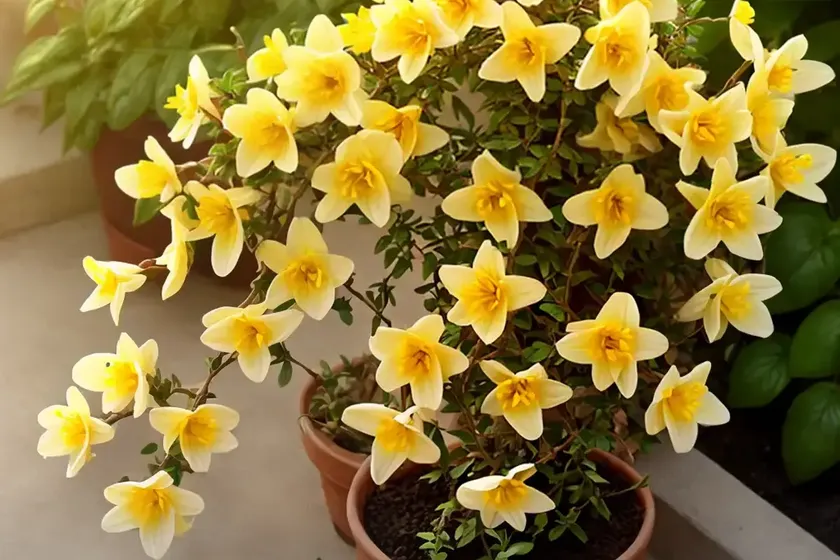
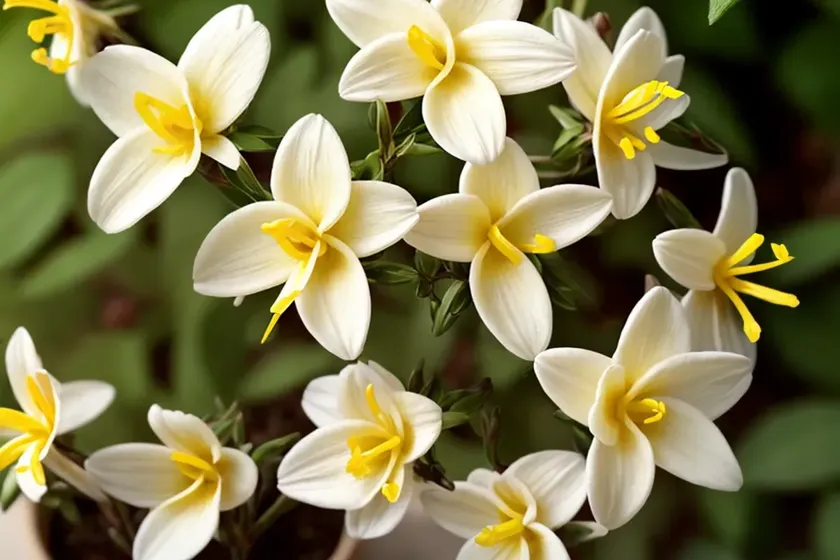
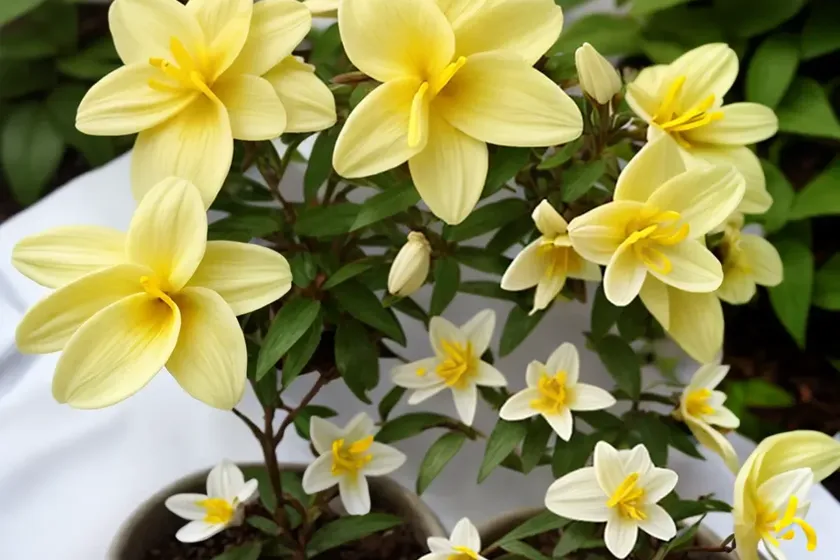
Winter jasmine (Jasminum nudiflorum) is a delightful and versatile plant species that adds beauty and interest to landscapes during the dreary winter months. With its vibrant yellow blooms and low-maintenance nature, it’s a popular choice for gardens and yards. In this comprehensive guide, we will explore the key aspects of winter jasmine, including its culture, uses, care requirements, and fascinating facts. Whether you are a seasoned gardener or just starting, this article will equip you with the knowledge to successfully cultivate and enjoy the beauty of winter jasmine.
What is Winter Jasmine?
Winter jasmine, scientifically known as Jasminum nudiflorum, is a species of jasmine native to China. It is a deciduous shrub that belongs to the Oleaceae family, which also includes olive and lilac plants. Winter jasmine is valued for its ability to bloom during the winter months when most other plants are dormant, bringing much-needed color and vibrancy to the landscape. The plant typically reaches a height of 4 to 6 feet (1.2 to 1.8 meters) and spreads widely, making it an excellent choice for ground cover, borders, or even as a climbing plant when trained against a supporting structure.
Key Takeaways – Winter Jasmine (Jasminum nudiflorum)
Before delving into the details of winter jasmine care and cultivation, let’s consider the key takeaways about this alluring plant:
- Hardiness: Winter jasmine is known for its exceptional cold tolerance, making it a valuable addition to gardens in regions with harsh winters.
- Winter Blooms: It produces bright yellow flowers during the winter months, adding a splash of color to the otherwise dormant landscape.
- Easy Maintenance: Winter jasmine is relatively low-maintenance, requiring minimal care once established.
- Versatility: It can be grown as ground cover, a hedge, or as a climbing plant with proper support.
Now that we have an overview of the remarkable qualities of winter jasmine, let’s explore the specific aspects of its care and cultivation.
Culture
Understanding the cultural requirements of winter jasmine is crucial for ensuring its optimal growth and blooming. From watering needs to soil preferences, each aspect plays a vital role in the plant’s overall health.
Uses
Winter jasmine can be utilized in various landscaping scenarios, thanks to its adaptability and aesthetic appeal. Here are some common uses of this versatile plant:
- Ground Cover: Its sprawling growth habit makes it an excellent ground cover, particularly on slopes or in areas where erosion control is necessary.
- Hedging: When properly pruned, winter jasmine can be shaped into a dense and attractive hedge, providing both visual interest and a natural barrier.
- Climbing Plant: With the support of a trellis or other structures, it can be trained to climb, adding a vertical element to the landscape.
- Container Planting: Winter jasmine adapts well to container gardening, allowing individuals with limited garden space to enjoy its beauty on patios, balconies, or other outdoor areas.
Water
Proper watering is essential for the health and vitality of winter jasmine. While the plant is relatively drought-tolerant once established, it still requires regular watering, especially during dry spells. When cultivating winter jasmine, it’s important to remember the following watering guidelines:
- Establishing Phase: Newly planted winter jasmine should be watered more frequently to help it establish a strong root system.
- Drought Conditions: During periods of drought, provide supplementary water to prevent the plant from wilting or becoming stressed.
- Soil Moisture: Ensure that the soil remains consistently moist but not waterlogged, as excessive water can lead to root rot.
Sunlight
Winter jasmine thrives in bright, full sunlight, which is crucial for promoting prolific flowering. When selecting a planting location, consider the following sunlight requirements:
- Full Sun: Choose a site that receives at least 6 to 8 hours of direct sunlight daily for the best blooming results.
- Partial Shade: While winter jasmine prefers full sun, it can tolerate partial shade, though this may lead to reduced flowering.
Fertilizer
The judicious application of fertilizer can enhance the growth and blooming of winter jasmine. When fertilizing this species, consider the following recommendations:
- Timing: Apply a balanced, slow-release fertilizer in early spring before new growth emerges to support healthy development.
- Frequency: Fertilize once a year, as excessive feeding can lead to lush foliage at the expense of flowers.
- Organic Options: Organic fertilizers, such as compost or well-rotted manure, can also be used to provide essential nutrients to the plant.
Soil
Understanding the soil preferences of winter jasmine is essential for creating an optimal growing environment. The following soil considerations are important when cultivating this plant:
- Well-Drained Soil: Winter jasmine thrives in well-draining soil and is susceptible to root rot in waterlogged conditions.
- pH Level: It prefers slightly acidic to neutral soil with a pH range of 6.0 to 7.5.
- Amendments: Incorporating organic matter, such as compost or peat moss, can improve soil structure and fertility, promoting healthy growth.
Pruning
Pruning is a valuable practice for shaping and rejuvenating winter jasmine, ensuring its continued health and vigor. When approaching pruning, consider the following tips:
- Timing: Prune winter jasmine immediately after flowering to avoid cutting off potential blooms for the following year.
- Techniques: Remove dead or weak stems, as well as older wood to encourage new growth and maintain a tidy appearance.
- Renewal Pruning: Conduct occasional renewal pruning to rejuvenate older or overgrown plants by cutting back a portion of the stems to ground level.
Propagation
For those interested in propagating winter jasmine, several methods can be employed to start new plants:
- Softwood Cuttings: Take 4 to 6-inch long cuttings from the current season’s growth in early summer and root them in a suitable growing medium.
- Layering: Encourage the stems to produce roots by burying a section of a low-growing branch or shoot into the soil while still attached to the parent plant.
- Division: Divide mature clumps of winter jasmine in early spring to create multiple plants and promote healthier growth.
Container Planting
For individuals with limited garden space or those looking to add a touch of winter cheer to patios or balconies, winter jasmine can be successfully cultivated in containers. When growing winter jasmine in pots, consider the following guidelines:
- Container Size: Choose a container that provides ample room for root growth and stability while also allowing for drainage.
- Potting Mix: Use a well-draining potting mix that retains moisture without becoming waterlogged.
- Watering: Container-grown winter jasmine may require more frequent watering to maintain adequate soil moisture levels.
Popularity
Winter jasmine’s popularity stems from its unique ability to brighten winter landscapes with its vibrant blooms and low-maintenance nature. As a result, it is widely favored by gardeners seeking to enhance their outdoor spaces during the colder months.
Common Diseases
While generally resistant to most diseases and pests, winter jasmine may occasionally encounter certain ailments that warrant attention. The following are some common diseases that may affect winter jasmine:
- Powdery Mildew: A fungal disease that manifests as a powdery white coating on the leaves, typically due to poor air circulation and high humidity.
- Root Rot: Caused by overly wet soil, resulting in the decay of the plant’s roots and subsequent decline in overall health.
Disease Diagnosis
To accurately diagnose and address potential diseases affecting winter jasmine, it is important to carefully observe the plant and look for specific symptoms. When inspecting the plant for signs of disease, consider the following indicators:
- Leaf Discoloration: Look for unusual yellowing or browning of the leaves, which may indicate an underlying issue.
- White Powdery Coating: If a powdery white substance is present on the foliage, it may signify the presence of powdery mildew.
- Root Examination: Carefully inspect the roots for signs of decay, such as dark, mushy, or foul-smelling areas.
Common Pests
Despite its resilience, winter jasmine may occasionally fall victim to pest infestations. The following are some common pests that may affect this plant species:
- Aphids: Small, sap-sucking insects that congregate on the undersides of leaves, causing distortion and stunted growth.
- Scale Insects: These insects appear as small, raised bumps on the stems and foliage, feeding on plant sap and potentially weakening the plant.
Botanist’s Tips
To ensure the successful cultivation of winter jasmine and maximize its ornamental value, consider the following tips provided by botanists and gardening experts:
- Prune Regularly: Regular pruning not only shapes the plant but also encourages new growth and enhances flowering.
- Monitor Soil Moisture: Pay attention to soil moisture levels, especially during dry periods, and water as needed to prevent drought stress.
- Support Climbing Stems: Provide adequate support for climbing stems to guide their growth and prevent damage.
Fun Facts
There are many intriguing aspects of winter jasmine that make it a fascinating and appealing plant species. Consider the following fun facts about this remarkable plant:
- In traditional Chinese medicine, various parts of winter jasmine are used for their therapeutic properties, including the treatment of certain ailments.
- Winter jasmine has been associated with symbolism, representing purity, grace, and longevity in some cultures.
Links to External Resources
For further information on winter jasmine care, cultivation, and related topics, refer to the following external resources:
- Royal Horticultural Society – Winter Jasmine Growing Guide
- The Spruce – Winter Jasmine: A Plant Profile
- University of Florida IFAS Extension – Jasminum nudiflorum (Winter Jasmine)
In conclusion, winter jasmine (Jasminum nudiflorum) stands out as a resilient and enchanting plant that brings renewed splendor to winter landscapes. With proper care and attention to its cultural requirements, this species can thrive and enhance outdoor spaces with its radiant blooms. Whether utilized as ground cover, a hedge, or a potted specimen, the versatility and enduring beauty of winter jasmine make it a cherished addition to gardens and landscapes worldwide.
The article serves as a comprehensive guide to winter jasmine (Jasminum nudiflorum), covering various aspects of the plant’s culture, care, and applications. It provides valuable insights for both experienced gardeners and those new to cultivating this captivating species. Through its detailed exploration of topics such as watering, sunlight, fertilizer, and pruning, the article equips readers with the knowledge and tools needed to nurture winter jasmine successfully. Additionally, the inclusion of fun facts and external resource links enriches the reader’s understanding of this remarkable plant, making it an engaging and informative piece for plant enthusiasts and horticulturalists alike.


