Winter Daphne (Daphne Odora)
In the world of ornamental shrubs, the Winter Daphne (Daphne odora) stands out as a delightful addition to any garden or landscape. With its fragrant.
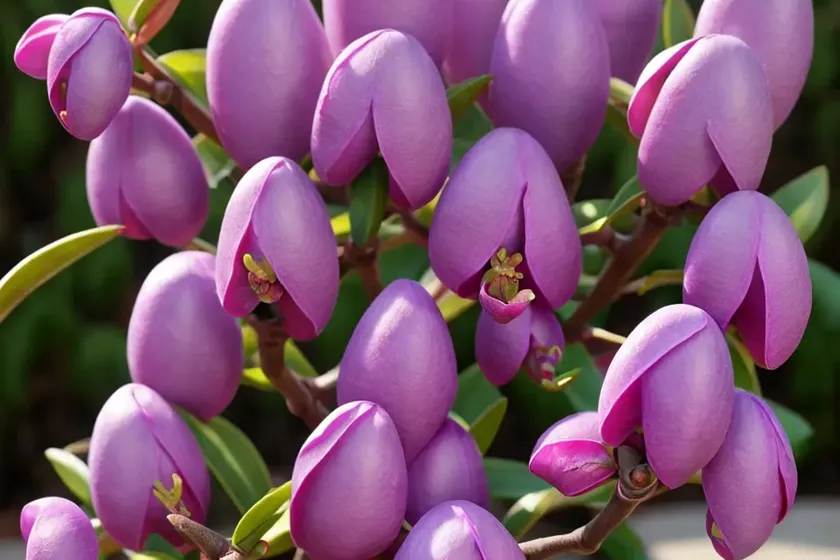
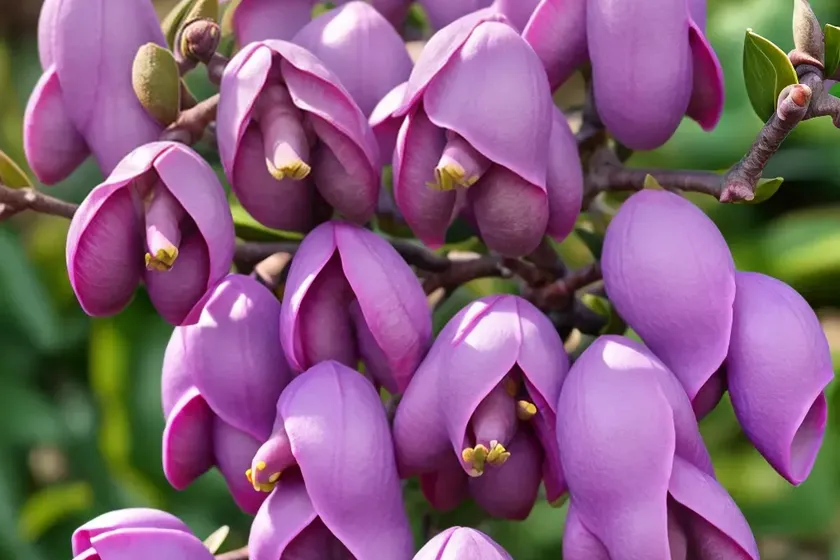
In the world of ornamental shrubs, the Winter Daphne (Daphne odora) stands out as a delightful addition to any garden or landscape. With its fragrant flowers and attractive evergreen foliage, this plant is a favorite among gardeners and landscapers alike. In this comprehensive guide, we will explore the various aspects of Winter Daphne, including its culture, uses, care requirements, common diseases, and much more. Whether you are already growing Winter Daphne or considering adding it to your garden, this article will provide you with valuable insights and practical tips for successful cultivation.
What is Winter Daphne (Daphne Odora)?
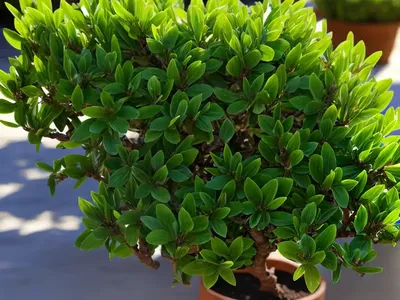
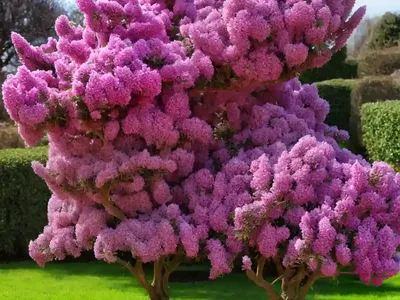
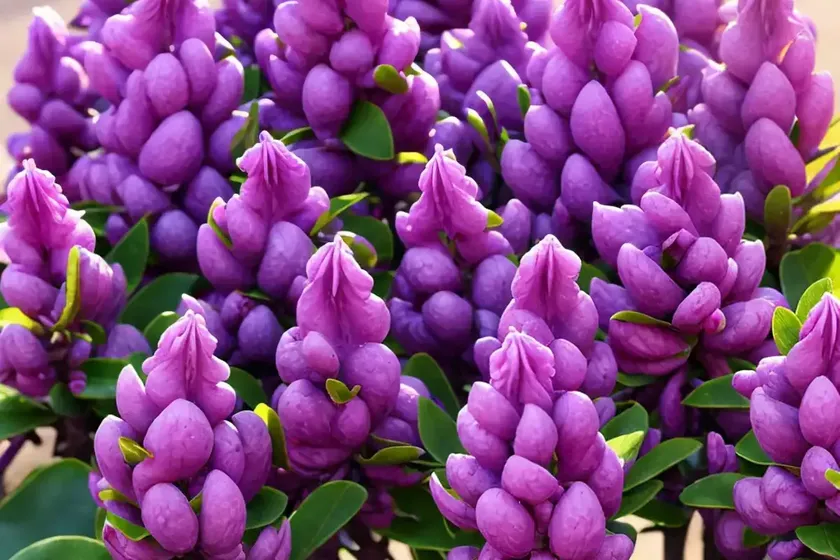
Winter Daphne, scientifically known as Daphne odora, is a species of flowering plant in the family Thymelaeaceae. Native to China and Japan, it is a slow-growing evergreen shrub that typically reaches a height of 3 to 4 feet and a spread of 3 to 4 feet. The most distinctive feature of Winter Daphne is its fragrant, pale pink to white flowers that bloom in late winter or early spring, providing a welcome burst of color and fragrance during the colder months. Its glossy, dark green leaves contribute to its appeal throughout the year, making it an excellent choice for adding visual interest and aromatic delight to gardens and landscapes.
Winter Daphne is valued not only for its ornamental qualities but also for its versatility in various garden settings. Whether used as a standalone specimen, a focal point in mixed borders, or a foundation planting, this shrub has the potential to elevate the aesthetic appeal of any space. Additionally, its fragrance makes it a popular choice for gardens near outdoor living areas, where its scent can be enjoyed up close.
Key Takeaways – Winter Daphne (Daphne Odora)
Before delving into the specific aspects of Winter Daphne care and cultivation, let’s take a moment to outline the key takeaways that will be covered in this guide:
-
Culture – Understanding the environmental conditions that Winter Daphne thrives in.
-
Uses – Exploring the various roles Winter Daphne can play in gardens and landscapes.
-
Water – Discussing the water requirements for maintaining healthy Winter Daphne plants.
-
Sunlight – Highlighting the sunlight preferences of Winter Daphne and its impact on growth and flowering.
-
Fertilizer – Providing insights into the best fertilization practices for Winter Daphne.
-
Soil – Understanding the soil requirements and the importance of soil quality for this plant.
-
Pruning – Outlining the pruning techniques and best practices for maintaining Winter Daphne.
-
Propagation – Exploring methods for propagating new Winter Daphne plants.
-
Container – Discussing the potential for growing Winter Daphne in containers.
-
Popularity – Highlighting the reasons behind the popularity of Winter Daphne in horticulture.
-
Common Diseases – Identifying prevalent diseases that affect Winter Daphne and their management.
-
Disease Diagnosis – Providing insights into diagnosing and addressing diseases in Winter Daphne.
-
Common Pests – Recognizing common pests that can infest Winter Daphne and strategies for pest control.
-
Botanist’s Tips – Offering expert tips and recommendations for successful Winter Daphne cultivation.
-
Fun Facts – Sharing interesting and lesser-known facts about Winter Daphne.
-
Links to External Resources – Providing links to additional sources for further information and research on Winter Daphne.
With these key takeaways in mind, let’s delve into the world of Winter Daphne and explore the nuances of caring for and cultivating this charming shrub.
Culture
Understanding the cultural requirements of Winter Daphne is essential for creating an environment in which it can thrive. From temperature considerations to planting companions, let’s explore the cultural aspects of growing Winter Daphne:
- Hardiness Zone:
-
Winter Daphne is best suited to USDA Hardiness Zones 7 to 9, where it can tolerate the winter temperatures without suffering damage. In Zone 7, providing some protection from cold winds and extreme temperature fluctuations can be beneficial.
-
Planting Companions:
- When selecting planting companions for Winter Daphne, consider other plants that thrive in similar conditions. Some suitable companions for Winter Daphne include:
- Hellebores (Helleborus spp.)
- Japanese Pieris (Pieris japonica)
- Camellias (Camellia spp.)
-
These plants not only complement the ornamental features of Winter Daphne but also share similar cultural requirements, creating a harmonious planting scheme.
-
Landscaping Uses:
-
Winter Daphne serves as an excellent choice for various landscaping purposes, including:
- Foundation plantings: Its compact growth habit and attractive foliage and flowers make it a desirable addition to foundation plantings, adding visual interest and fragrance near buildings.
- Mixed borders: Whether in combination with other evergreen shrubs or herbaceous perennials, Winter Daphne contributes to the seasonal dynamics of mixed borders.
- Woodland gardens: The shade tolerance of Winter Daphne makes it suitable for woodland settings, where it can thrive under the dappled light of trees.
-
Pollination:
-
Winter Daphne is pollinated by insects, particularly bees, which are attracted to its fragrant flowers. Providing a habitat that supports pollinators can enhance the overall health and vigor of the plant.
-
Wildlife Value:
- Beyond its ornamental appeal, Winter Daphne can contribute to supporting wildlife, particularly through its flowers and potential as a food source for certain insects.
Uses
The versatility of Winter Daphne extends beyond its aesthetic appeal, encompassing a range of practical and horticultural uses. Understanding these uses can help gardeners and landscapers make informed decisions about incorporating Winter Daphne into various settings:
- Fragrance:
-
The most prominent use of Winter Daphne is the fragrance of its flowers. With a sweet, citrusy aroma, the flowers are highly valued for their sensory appeal. Placing Winter Daphne near entryways or outdoor seating areas allows the delightful fragrance to be enjoyed to the fullest.
-
Cut Flowers:
-
The fragrant blooms of Winter Daphne can be cut and used as a charming addition to indoor flower arrangements. When included in floral displays, the flowers infuse the surrounding space with their alluring scent.
-
Seasonal Interest:
-
As a winter and early spring bloomer, Winter Daphne contributes to the visual interest of outdoor spaces during a time when fewer plants are in bloom. Its flowers provide a welcome burst of color and fragrance, brightening up the winter landscape.
-
Aromatic Garden Feature:
-
Planting Winter Daphne near seating areas or along walkways adds an aromatic dimension to the garden, creating an inviting and sensory-rich experience.
-
Wildlife Support:
-
The flowers of Winter Daphne can attract pollinators such as bees, contributing to the overall ecological balance in the garden. Additionally, the plant’s foliage may provide habitat for certain beneficial insects.
-
Educational Purposes:
- Winter Daphne can serve as a botanical specimen for educational purposes, allowing students and enthusiasts to learn about its growth habits, floral structure, and ecological interactions.
Water
Proper watering practices are crucial for maintaining the health and vitality of Winter Daphne. Understanding the water needs of this plant is essential to prevent issues related to under- or over-watering. Here are some key points to consider when it comes to watering Winter Daphne:
- Establishment:
-
During the initial establishment phase, newly planted Winter Daphne shrubs require consistent moisture to promote root development and overall plant health. Regular, thorough watering is essential during the first growing season.
-
Moisture Levels:
-
Although Winter Daphne prefers well-drained soil, it is important to ensure that the soil remains consistently moist, particularly during periods of insufficient rainfall. However, excessive moisture can lead to root rot and other complications, so striking the right balance is key.
-
Watering Frequency:
-
In the absence of rainfall, water Winter Daphne deeply at least once a week, ensuring that the soil around the root zone receives adequate moisture. Adjust the frequency based on weather conditions and soil moisture levels.
-
Drought Tolerance:
-
While Winter Daphne appreciates regular watering, established plants exhibit a degree of drought tolerance once their root systems are well-established. Nevertheless, prolonged drought can stress the plant and compromise its overall health, so it is important to provide supplemental moisture during dry spells.
-
Mulching:
- Applying a layer of organic mulch around the base of Winter Daphne helps to conserve soil moisture, reduce evaporation, and maintain more stable soil temperatures. Mulching also contributes to the overall health of the plant by promoting optimal growing conditions.
Sunlight
Sunlight plays a crucial role in the growth, flowering, and overall performance of Winter Daphne. Understanding the sunlight preferences of this plant is essential for selecting appropriate planting locations and ensuring its well-being. Here are some important considerations related to sunlight requirements:
- Light Exposure:
-
Winter Daphne thrives in locations with partial shade to partial sun, where it receives dappled sunlight or filtered shade for a significant portion of the day. In warmer regions, providing some protection from the intense afternoon sun can be beneficial.
-
Morning Sun:
-
Particularly in regions with hot summers, morning sun and afternoon shade are ideal for Winter Daphne, as this exposure pattern allows the plant to benefit from sunlight without being subjected to excessive heat.
-
Leaf Scorch:
-
Direct, intense sunlight can lead to leaf scorch, especially if the plant is exposed to prolonged periods of hot, dry conditions. Minimizing exposure to harsh afternoon sun can help to prevent leaf damage and maintain the overall health of the plant.
-
Shade Tolerance:
-
Winter Daphne exhibits a degree of shade tolerance, making it suitable for planting beneath the canopy of trees or alongside structures that create dappled light conditions. However, deep shade can reduce flowering and overall vigor, so a balance between shade and sunlight is essential.
-
Seasonal Adjustments:
- The sunlight preferences of Winter Daphne may vary seasonally, with the plant benefiting from more sunlight during the cooler months and perhaps requiring some relief from intense sun during the peak of summer.
Fertilizer
Proper fertilization is an essential aspect of Winter Daphne care, as it ensures that the plant receives the necessary nutrients for healthy growth, robust flowering, and overall vitality. Understanding the timing and type of fertilizers to use can significantly impact the performance of this shrub. Consider the following points when it comes to fertilizing Winter Daphne:
- Timing:
-
Apply a balanced, slow-release fertilizer formulated for woody plants in early spring, just before the onset of new growth. This provides Winter Daphne with the essential nutrients it needs to support healthy foliage and flower production.
-
Application Rate:
-
Follow the manufacturer’s recommendations regarding the application rate of the fertilizer, and apply it evenly around the root zone of the plant. Avoid direct contact between the fertilizer and the stems or foliage to prevent potential burn.
-
Avoid Excessive Nitrogen:
-
When selecting a fertilizer for Winter Daphne, opt for one that is relatively low in nitrogen. Excessive nitrogen can promote lush growth at the expense of flowering, so a balanced formulation with a lower nitrogen content is preferable.
-
Organic Options:
-
Organic fertilizers, such as compost or well-aged manure, can be beneficial for nourishing Winter Daphne while improving overall soil health. Apply organic amendments in early spring, incorporating them into the soil surface without disturbing the plant’s root system.
-
Topdressing:
- Additionally, topdressing Winter Daphne with a layer of organic compost or well-decomposed mulch in spring can provide a slow-release source of nutrients and support long-term soil fertility.
Soil
The soil composition and quality play a crucial role in the overall health and growth of Winter Daphne. Understanding the soil requirements and making appropriate adjustments can contribute to the long-term success of this plant. Consider the following aspects related to soil and its impact on Winter Daphne:
- Well-Drained Soil:
-
Winter Daphne thrives in well-drained soil that does not become waterlogged, particularly during the winter months when excessive moisture can lead to root rot. Amending heavy or poorly drained soils with organic matter can improve drainage and soil structure.
-
Acidic pH:
-
Winter Daphne prefers slightly acidic to acidic soil conditions, with a pH range of 5.5 to 6.5 being ideal. Conduct a soil test to determine the pH of the planting area, and adjust it as needed using soil amendments such as elemental sulfur or acidic fertilizers.
-
Organic Matter:
-
Incorporating organic matter, such as compost, leaf mold, or well-rotted pine bark, into the soil at the time of planting helps to improve soil structure, fertility, and moisture retention. Organic matter also enhances microbial activity, benefiting the overall health of the plant.
-
Soil Compaction:
-
Address soil compaction issues by aerating the soil around Winter Daphne using a garden fork or mechanical aerator. This improves oxygenation, facilitates water infiltration, and promotes root growth.
-
Mulching:
-
Applying a layer of organic mulch around the base of Winter Daphne not only helps to conserve soil moisture but also enriches the soil as it decomposes. Mulch also provides insulation and weed suppression, contributing to the health and vitality of the plant.
-
Soil Testing:
- Regular soil testing is a valuable practice for monitoring soil pH, nutrient levels, and overall soil health. Testing the soil every few years allows for informed adjustments and the ongoing maintenance of optimal growing conditions.
Pruning
Pruning is an important aspect of Winter Daphne care, as it helps to maintain a desirable shape, promote flowering, and manage the overall size of the plant. Understanding the principles of pruning and the best practices for Winter Daphne is essential for successful management. Consider the following points when it comes to pruning this shrub:
- Timing:
-
Prune Winter Daphne immediately after flowering, typically in late spring or early summer. This timing allows the plant to develop new growth and flower buds for the following year before entering dormancy.
-
Deadheading:
-
Remove spent flowers as they fade to encourage the production of additional blooms and prevent the plant from expending energy on seed production.
-
Selective Pruning:
-
Use selective pruning to remove any dead, damaged, or crossing branches, as well as to shape the plant and maintain its natural form. Avoid severe or extensive pruning, as Winter Daphne does not respond well to heavy pruning and may fail to recover.
-
Tools:
-
Use sharp, clean pruning shears or loppers to make precise cuts and minimize the risk of causing damage to the plant. Sanitize the pruning tools before and after use to prevent the spread of diseases.
-
Hazards:
-
Exercise caution when pruning Winter Daphne, as all parts of the plant are toxic if ingested. Wear gloves and take care to avoid contact with the sap, which can cause skin irritation in some individuals.
-
Rejuvenation:
- In the event that Winter Daphne becomes overgrown or requires rejuvenation, consider gradually reducing the size of the plant over a few years to minimize stress and encourage new growth.
Propagation
Propagating Winter Daphne allows gardeners to expand their plant collection or replace aging specimens with vigorous, new plants. Understanding the methods of propagation and the best times to propagate Winter Daphne is essential for successful reproduction. Consider the following approaches to propagating this shrub:
- Softwood Cuttings:
-
Propagating Winter Daphne from softwood cuttings is a common and reliable method. Take 4 to 6-inch cuttings from the current season’s growth in late spring or early summer, and root them in a well-draining, sterile potting mix.
-
Root Division:
-
Dividing an established Winter Daphne plant is another method of propagation. In early spring, gently lift the plant from the soil, and separate the root ball into sections, ensuring that each division has viable roots and stems.
-
Layering:
-
Air layering can be employed to propagate Winter Daphne, allowing the plant to produce roots on a stem while it is still attached to the parent plant. Employ this method during the growing season, and provide the necessary humidity and support until the new plant is ready for separation.
-
Seed Propagation:
-
While less common, propagating Winter Daphne from seeds is possible, but it requires patience and careful attention to the specific germination requirements of the seeds. Collect seeds from mature fruits, and follow suitable protocols for scarification and stratification before sowing.
-
Timing:
-
The optimal timing for propagating Winter Daphne depends on the selected method. Softwood cuttings and air layering are typically performed during the active growing season, whereas root division is best accomplished in early spring.
-
Care of New Plants:
- Provide newly propagated Winter Daphne plants with appropriate growing conditions, including proper moisture, light, and protection from extreme temperatures. Transplant the new plants once they have established healthy root systems.
Container
Growing Winter Daphne in containers can be a practical option for gardeners with limited space or specific aesthetic objectives. Understanding the considerations for container cultivation, as well as the specific care requirements, is essential for successful container gardening with Winter Daphne. Consider the following points related to growing this shrub in containers:
- Container Size:
-
Select a container that accommodates the mature size of Winter Daphne while providing ample room for root development. A minimum container size of 15 gallons is recommended to ensure sufficient space for the plant.
-
Drainage:
-
Proper drainage is essential for container-grown Winter Daphne, as waterlogged conditions can lead to root rot and other complications. Choose a container with adequate drainage holes, and use a well-draining potting mix to promote optimal growing conditions.
-
Soil Quality:
-
Use a high-quality, well-draining potting mix formulated for woody plants when planting Winter Daphne in containers. Additionally, amending the potting mix with organic matter can enhance soil structure and moisture retention.
-
Sunlight and Watering:
-
Place containers of Winter Daphne in locations that receive partial shade to partial sun, and monitor the moisture levels closely, ensuring that the soil remains consistently moist but not waterlogged.
-
Overwintering:
-
In regions with harsh winter conditions, protect container-grown Winter Daphne from extreme temperatures by moving the containers to a sheltered location or providing insulation around the pots. Mulching the soil surface can also help to moderate temperature fluctuations.
-
Root Management:
- Regularly