Mezereon (Daphne Mezereum)
Daphne mezereum, commonly known as Mezereon, is a captivating species that belongs to the Thymelaeaceae family. This deciduous shrub is native to various.
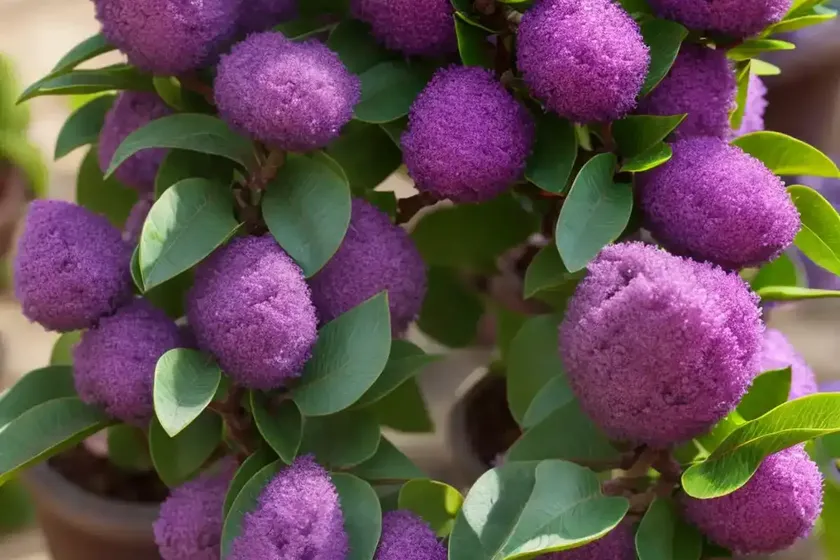
Daphne mezereum, commonly known as Mezereon, is a captivating species that belongs to the Thymelaeaceae family. This deciduous shrub is native to various regions in Europe and western Asia and is known for its ornamental value, medicinal uses, and symbolic meanings. Its enchanting flowers, unique growth habits, and rich cultural history make it a popular choice for landscape design, herbal medicine, and wildlife support.
In this comprehensive guide, we will delve into the various aspects of Mezereon, including its cultural requirements, uses, propagation methods, common diseases and pests, as well as botanist’s tips. Whether you are a gardening enthusiast, a botany student, or a nature lover, this article aims to provide valuable insights into the intriguing world of Daphne mezereum.
What is Mezereon (Daphne mezereum)?
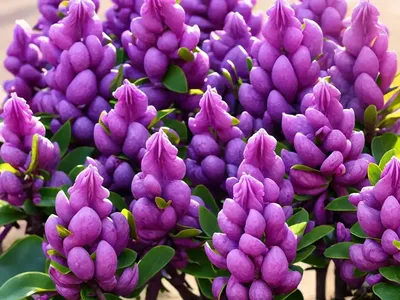
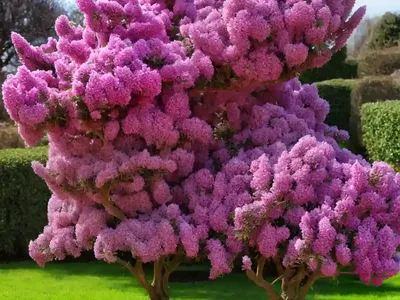
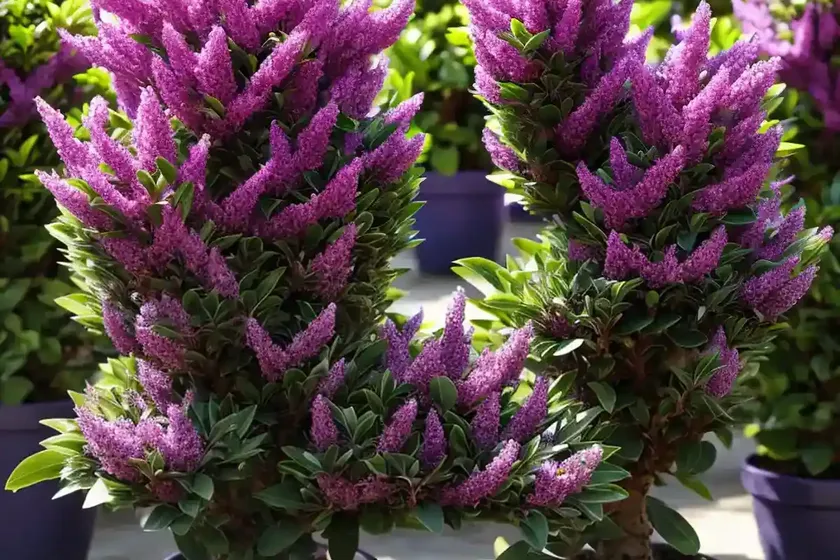
Daphne mezereum, commonly referred to as Mezereon, is a deciduous shrub that typically reaches a height of 1-2 meters (3-6 feet). It is characterized by its narrow, green leaves, vibrant clusters of pink or purple flowers, and red berry-like fruits. The plant blooms in late winter to early spring, often before the leaves emerge, adding a charming touch of color to the dormant landscape. Mezereon’s flowers exude a delightful fragrance, further enhancing its appeal in gardens and natural habitats.
Key Takeaways – Mezereon (Daphne mezereum)
Before delving into the specific aspects of Mezereon, it is important to highlight some key takeaways about this fascinating plant. Here are some essential points to keep in mind:
- Scientific Name: Daphne mezereum
- Common Name: Mezereon
- Family: Thymelaeaceae
- Native Habitat: Europe and western Asia
- Characteristics: Deciduous shrub with pink or purple flowers and red berries
- Flowering Season: Late winter to early spring
- Fragrance: Delightful, sweet-smelling flowers
- Uses: Ornamental plant, medicinal purposes
- Wildlife Benefits: Provides food and shelter for wildlife
- Toxic Parts: Berries and other plant parts are toxic if ingested
- Cultural Significance: Associated with folklore, symbolism, and historical uses
Now that we have an overview of Mezereon, let’s explore the specific aspects of its cultivation, uses, and maintenance.
Mezereon Culture
Cultivating Mezereon involves understanding its specific requirements for water, sunlight, soil, and other cultural factors. By providing the right conditions, gardeners can ensure the health and vigor of this enchanting shrub.
Water
Mezereon generally prefers moderate moisture levels and well-drained soil. While it can tolerate brief periods of dryness, it thrives in consistently moist but not waterlogged conditions. During prolonged dry spells, it is important to water the plant deeply to support its growth and blooming.
Sunlight
When it comes to sunlight, Mezereon appreciates a balance. It benefits from partial shade to full sun exposure, making it adaptable to various garden settings. In regions with intense summer heat, providing some protection from the afternoon sun can prevent stress and sunburn on the foliage.
Fertilizer
Applying a balanced, slow-release fertilizer in early spring can contribute to the overall vitality of Mezereon. The fertilizer should be applied according to the manufacturer’s recommendations, taking into account the plant’s size and age. Avoid excessive fertilization, as it can lead to rapid, succulent growth that may be more susceptible to pests and diseases.
Soil
Mezereon thrives in well-drained, slightly acidic to neutral soil. It prefers loamy or sandy soils with good aeration and fertility. Incorporating organic matter such as compost or well-rotted manure into the planting site can enhance soil structure and fertility, benefiting the overall health of the shrub.
Pruning
Proper pruning is an essential aspect of Mezereon care, contributing to its form, flowering, and overall health. Pruning should be performed selectively to maintain a balanced shape and remove dead, diseased, or congested growth. It is advisable to prune Mezereon immediately after flowering to prevent the removal of potential flower buds for the following year.
Propagation
Mezereon can be propagated through various methods, including seeds, cuttings, and layering. Each propagation technique has its own advantages and challenges, and selecting the most suitable method depends on the specific goals and resources available to the gardener.
Seeds
Propagation from seeds is possible but may require stratification to break seed dormancy. Sowing the seeds in a well-prepared seedbed or containers during the fall and allowing them to undergo natural stratification over winter can lead to successful germination in the following spring.
Cuttings
Softwood or semi-hardwood cuttings taken in late spring to mid-summer can be rooted to produce new Mezereon plants. Using a rooting hormone and providing the appropriate environmental conditions can increase the success rate of this propagation method.
Layering
Layering involves encouraging a portion of a Mezereon branch to produce roots while still attached to the parent plant. This method can be particularly useful for shrubs that are challenging to propagate through other means and can result in established, independent plants over time.
Container Popularity
Mezereon’s compact size and ornamental features make it well-suited for container gardening. Whether on patios, balconies, or terraces, Mezereon can bring a touch of elegance to container displays. When grown in containers, it is essential to provide adequate watering and ensure proper drainage to prevent waterlogging, as well as regular fertilization to support the plant’s growth and flowering.
Mezereon Common Diseases
While Mezereon is relatively sturdy, it can be susceptible to certain diseases under unfavorable conditions. Understanding common diseases and their diagnosis is crucial for effective management and mitigation strategies.
Disease Diagnosis
Some common diseases that may affect Mezereon include:
- Powdery Mildew: A fungal disease that appears as powdery white patches on the foliage, leading to stunted growth and reduced vigor.
- Leaf Spot: Characterized by dark spots on the leaves, often leading to premature leaf drop and aesthetic decline.
- Root Rot: Occurs in waterlogged or poorly drained soils, causing wilting, yellowing, and eventual decline of the plant.
Regular monitoring of the plant’s health, prompt removal of affected plant parts, and providing appropriate cultural care can help prevent and manage these diseases effectively.
Mezereon Common Pests
In addition to diseases, Mezereon may face challenges from various pests, including:
- Aphids: Small, sap-sucking insects that can lead to distorted growth and the production of sticky honeydew on the foliage.
- Scale Insects: These pests often appear as small, raised bumps on the stems and leaves, affecting the plant’s overall health.
- Caterpillars: Certain caterpillar species may feed on Mezereon foliage, leading to defoliation and reduced plant vigor.
Natural predators, such as ladybugs and lacewings, can help keep pest populations in check. Additionally, horticultural oils and insecticidal soaps can be used to manage pest infestations while minimizing environmental impact.
Botanist’s Tips
Here are some valuable tips from botanists and gardening experts for successfully cultivating and appreciating Mezereon:
- Plant in Groups: Mezereon’s ornamental value is heightened when planted in groups or clusters, creating a stunning floral display during the blooming season.
- Mulch Application: Applying a layer of organic mulch around the base of the Mezereon shrub can help conserve soil moisture, suppress weed growth, and maintain a consistent soil temperature.
- Companion Planting: Pairing Mezereon with complementary plants can enhance its visual appeal and ecological benefits, such as attracting pollinators and beneficial insects.
Fun Facts
- In folklore and traditions, Mezereon has been associated with various symbolic meanings, often representing protection, renewal, or mystery.
- The red berries of Mezereon are attractive to birds, providing a valuable food source during the winter months when natural food may be scarce.
Links to External Resources
For further exploration of Mezereon and related topics, consider the following external resources:
- Royal Horticultural Society – Daphne mezereum
- Missouri Botanical Garden – Daphne mezereum
- Plantlife – Mezereon conservation
In conclusion, Mezereon (Daphne mezereum) stands out as a captivating and versatile shrub that holds cultural, ecological, and horticultural significance. Its alluring flowers, wildlife benefits, and rich history make it a valuable addition to gardens, landscapes, and natural habitats. By understanding and appreciating the unique characteristics and requirements of Mezereon, individuals can cultivate and cherish this remarkable plant, contributing to its conservation and enjoyment for generations to come. Whether used for ornamental purposes, wildlife support, or medicinal applications, Mezereon continues to inspire and enchant those who encounter its beauty and allure in various settings.
Keywords: Daphne mezereum, Mezereon plant, Mezereum flower, Daphne mezereum shrub, Mezereon medicinal uses, Mezereum plant care, Daphne genus, Mezereum species, Daphne mezereum facts, Mezereon gardening tips, Mezereon characteristics, Daphne mezereum cultivation, Mezereum plant family, Daphne mezereum habitat, Mezereon flower meaning, Mezereum propagation methods, Daphne mezereum varieties, Mezereum plant diseases, Mezereon wildlife benefits, Daphne mezereum toxic parts, Mezereon flowering season, Mezereum plant uses, Daphne mezereum natural habitat, Mezereon plant growth, Mezereum ornamental value, Daphne mezereum pruning techniques, Mezereon fragrant flowers, Mezereum plant symbolism, Daphne mezereum landscape design, Mezereon garden benefits, Mezereon plant symbolism, Daphne mezereum pollination process, Mezereum plant companions, Mezereon propagation tips, Daphne mezereum winter care, Mezereon plant history, Mezereon plant pests, Daphne mezereum uses in herbal medicine, Mezereon plant folklore, Mezereon plant characteristics, Daphne mezereum flowering shrub, Mezereon plant planting guide, Mezereon shrub diseases, Daphne mezereum landscape uses, Mezereon plant toxicity levels, Mezereon plant symbolism, Daphne mezereum soil requirements, Mezereon plant container gardening, Mezereon plant growth rate, Daphne mezereum companion plants.