Spurge-laurel (Daphne Laureola)
Plants have always fascinated humans with their diversity, beauty, and utility. From the majestic trees in the forests to the tiny mosses that carpet the.
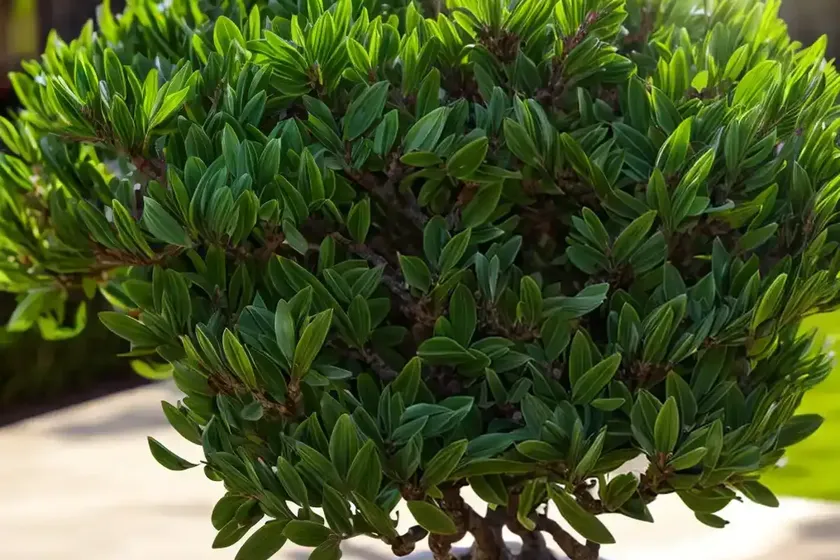
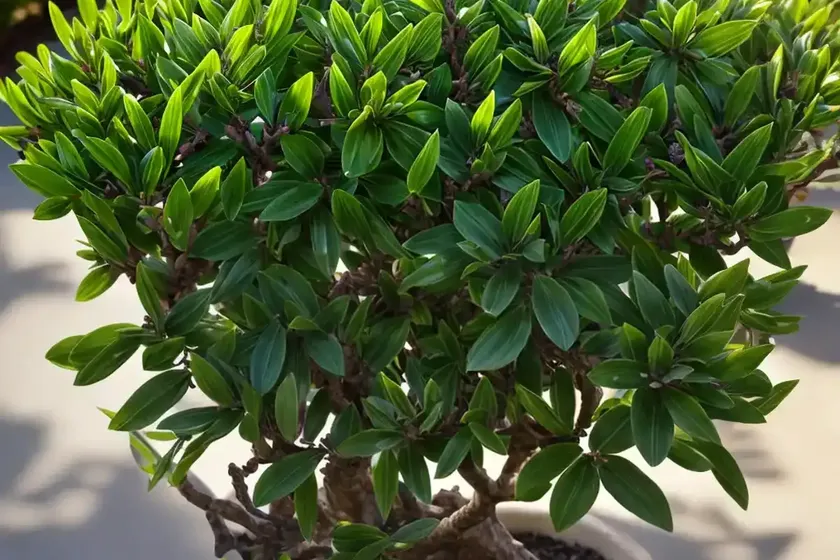
Plants have always fascinated humans with their diversity, beauty, and utility. From the majestic trees in the forests to the tiny mosses that carpet the ground, the plant kingdom encompasses a vast array of species, each with its unique characteristics and requirements. In this comprehensive guide, we will delve into the enchanting world of Spurge-laurel (Daphne Laureola), exploring its characteristics, care requirements, and its significance in horticulture and beyond.
What is Spurge-laurel (Daphne Laureola)?
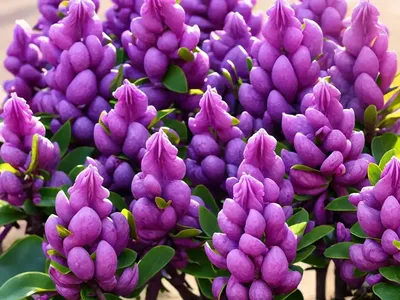
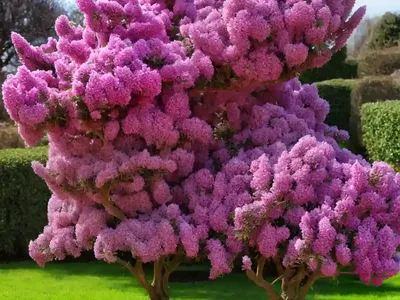
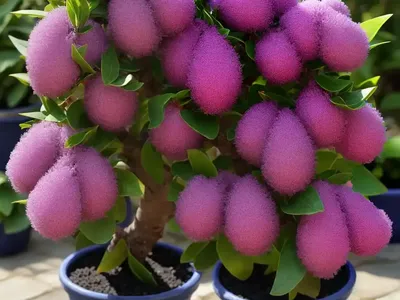
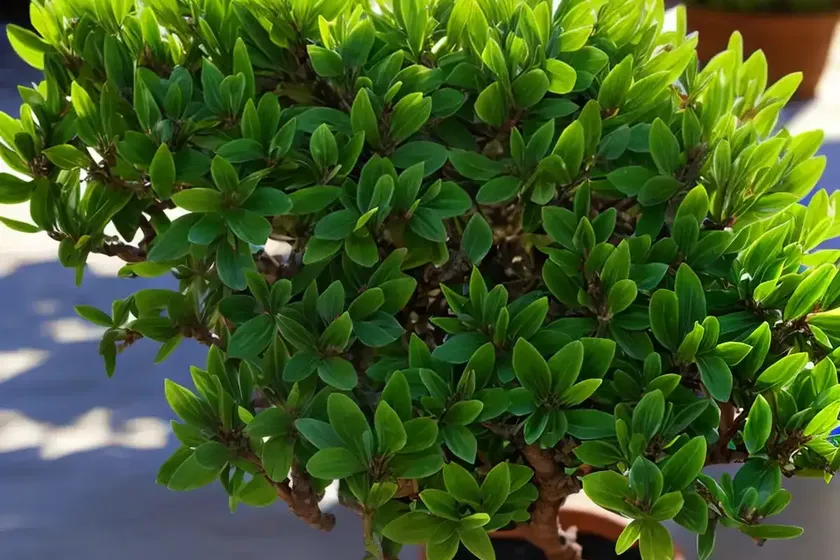
Spurge-laurel, scientifically known as Daphne Laureola, is an evergreen shrub belonging to the Thymelaeaceae family. This species is native to Europe and is widely cultivated for its ornamental value. It is characterized by its glossy, dark green leaves and clusters of small, fragrant flowers that bloom in late winter or early spring. The plant’s name, “Spurge-laurel,” is derived from the resemblance of its leaves to those of the laurel tree and its association with the Spurge family due to its latex-producing properties.
Key Takeaways – Spurge-laurel (Daphne Laureola)
Before delving into the specific care and cultivation aspects, let’s highlight the key takeaways and important aspects of Spurge-laurel:
- Scientific Name: Daphne Laureola
- Family: Thymelaeaceae
- Common Name: Spurge-laurel
- Plant Type: Evergreen shrub
- Native Habitat: Europe
- Characteristics: Glossy, dark green leaves and fragrant flowers
- Uses: Ornamental purposes, landscaping, and traditional medicine
- Unique Traits: Latex-producing plant, toxic properties
- Growth Habit: Compact, slow-growing shrub
- Flowering Season: Late winter to early spring
Now that we have familiarized ourselves with the basic details of Spurge-laurel, let’s delve into its cultivation and care requirements.
Culture
Understanding the cultural requirements of Spurge-laurel is essential for successfully growing and maintaining this beautiful shrub. From soil conditions to sunlight exposure, each aspect contributes to the overall health and vigor of the plant.
Uses
Spurge-laurel holds significance in various domains, making it a versatile and valuable species. The primary uses and applications of Spurge-laurel include:
-
Ornamental Purposes: Due to its evergreen nature, glossy foliage, and fragrant flowers, Spurge-laurel is commonly utilized in landscaping and ornamental gardens, adding visual interest and charm to outdoor spaces.
-
Traditional Medicine: Certain parts of Spurge-laurel have been used in traditional herbal remedies, although it is essential to note that the plant contains toxic compounds and should be handled with caution.
-
Wildlife Gardens: The shrub’s attractive foliage and flowers make it an excellent addition to wildlife gardens, attracting pollinators and adding biodiversity to natural settings.
-
Erosion Control: With its dense, compact growth habit, Spurge-laurel is effective in preventing soil erosion, making it suitable for stabilizing slopes and embankments.
Water
Proper watering practices are crucial for the health and vitality of Spurge-laurel. As with most plants, finding the right balance in watering frequency and consistency is key to promoting robust growth and flowering.
-
Watering Needs: Spurge-laurel prefers consistently moist, well-draining soil. During the growing season, it is essential to provide regular watering, ensuring that the root zone remains adequately hydrated.
-
Moisture Retention: Applying a layer of organic mulch around the base of the plant helps retain soil moisture, reduces weed competition, and provides insulation during temperature fluctuations.
Sunlight
The availability of sunlight profoundly influences the growth, flowering, and overall development of Spurge-laurel. Understanding its sunlight requirements is essential for optimizing its performance in the garden.
-
Sun Exposure: Spurge-laurel thrives in partial to full shade, making it an excellent choice for shaded or woodland gardens. It is important to provide protection from intense afternoon sun to prevent leaf scorch and promote healthy growth.
-
Light Requirements: While the plant can tolerate shade, it still benefits from some filtered sunlight, which encourages flowering and maintains the vigor of its foliage.
Fertilizer
Feeding Spurge-laurel with suitable nutrients supports its nutrient uptake, flowering potential, and overall resilience. Selecting the right fertilizer and applying it judiciously can significantly enhance the plant’s performance.
-
Fertilization Schedule: Applying a balanced, slow-release fertilizer in early spring provides Spurge-laurel with essential nutrients for the upcoming growing season. Additionally, supplementing with organic matter, such as compost or well-rotted manure, enriches the soil and sustains long-term health.
-
Nutrient Requirements: Look for a fertilizer with a balanced NPK (nitrogen, phosphorus, potassium) ratio, suited for woody shrubs and evergreens. Avoid over-fertilization, as it can lead to excessive foliage growth at the expense of flowering.
Soil
The soil composition and structure play a pivotal role in ensuring the well-being and vitality of Spurge-laurel. Understanding its soil preferences and making necessary amendments contribute to its long-term success in the garden.
-
Soil Type: Spurge-laurel thrives in moist, humus-rich, and well-draining soil. It performs best in slightly acidic to neutral soil pH, preferring a range between 5.5 to 7.0.
-
Soil Texture: A loamy or sandy loam soil texture provides an ideal balance of water retention and drainage. Avoid heavy clay soils that can lead to waterlogging and impede root development.
-
Amendments: Incorporating organic matter, such as compost, leaf mold, or peat moss, into the soil enhances its fertility, structure, and moisture-holding capacity, creating an optimal growing environment for the shrub.
Pruning
Proper pruning and maintenance practices contribute to the aesthetic appeal, overall health, and longevity of Spurge-laurel. By understanding the basic principles of pruning, gardeners can shape and manage the shrub to suit their preferences and space constraints.
Pruning Timing: Prune Spurge-laurel in late spring or immediately after flowering to minimize the risk of removing potential flower buds for the following year. Avoid heavy pruning in late summer or fall, as this can disrupt the next season’s flowering cycle.
Pruning Objectives: When pruning Spurge-laurel, focus on removing dead, damaged, or diseased branches, as well as shaping the overall silhouette of the plant. Additionally, light pruning can help maintain a compact, tidy growth habit and encourage new growth.
Pruning Technique: Use sharp, clean pruning tools to make precise cuts at a slight angle, ensuring that the wounds heal quickly and reduce the risk of disease ingress. Remove unwanted or crossing branches to improve air circulation and light penetration within the shrub’s interior.
Propagation
The propagation of Spurge-laurel enables gardeners to expand their plant collection, share the species with others, or rejuvenate old or ailing specimens. By exploring the various propagation techniques, individuals can propagate the shrub with ease and confidence.
Propagation Methods: Spurge-laurel can be propagated through several methods, including:
-
Seeds: Collecting and sowing ripe seeds in a suitable growing medium provides an economical and straightforward means of propagating the plant. Keep the growing medium consistently moist and provide warmth to encourage germination.
-
Cuttings: Taking semi-ripe cuttings in summer and rooting them in a well-draining, moist substrate under controlled conditions yields new plants that are genetically identical to the parent.
-
Layering: Encouraging low branches to root by layering them with soil and maintaining high humidity promotes natural rooting and subsequent detachment for independent growth.
Ideal conditions: Regardless of the chosen propagation method, maintaining adequate warmth, humidity, and moisture levels supports successful root establishment and overall propagation success.
Container Popularity
Spurge-laurel’s compact growth habit, evergreen foliage, and ornamental value make it an appealing choice for container cultivation. Successfully growing the shrub in containers allows individuals to enjoy its beauty in various settings, from patios and balconies to indoor spaces. When selecting and maintaining containers for Spurge-laurel, consider the following key points:
-
Container Selection: Choose a spacious, well-draining container to accommodate the plant’s root system and ensure adequate aeration. Opt for a container with drainage holes to prevent waterlogging.
-
Growing Medium: Utilize a high-quality, well-draining potting mix suitable for woody plants. Consider adding a layer of gravel or perlite at the bottom of the container to enhance drainage.
-
Watering and Maintenance: Container-grown Spurge-laurel may require more frequent watering, especially during warm, dry periods. Monitor the soil moisture regularly and adjust the watering frequency as needed to maintain optimal growing conditions.
-
Overwintering: In regions with harsh winters, protect container-grown Spurge-laurel from extreme cold and freezing temperatures by providing insulation or moving the containers to a sheltered location.
Common Diseases
As with many plants, Spurge-laurel is susceptible to certain diseases that can impact its health and appearance. By recognizing common diseases and understanding their characteristics, early intervention and preventive measures can be implemented to safeguard the shrub.
Disease Diagnosis
-
Anthracnose: This fungal disease manifests as dark, sunken lesions on the leaves and stems, often leading to defoliation and stunted growth. Proper sanitation, adequate air circulation, and fungicidal treatments help manage anthracnose.
-
Leaf Spot: Leaf spot diseases present as circular, dark lesions on the foliage, accompanied by yellowing and premature leaf drop. Removing and destroying infected plant parts and implementing preventative fungicidal sprays aid in controlling leaf spot.
-
Powdery Mildew: Recognized by the powdery, white coating on the leaves, powdery mildew affects the overall vigor and aesthetic appeal of Spurge-laurel. Ensuring proper air circulation, maintaining moderate humidity levels, and applying fungicidal treatments mitigate powdery mildew outbreaks.
Common Pests
Pests can occasionally pose a threat to the health and vitality of Spurge-laurel, requiring vigilance and prompt intervention to prevent infestations and minimize damage.
Pest Identification
-
Scale Insects: These small, immobile pests attach to the stems and leaves, feeding on the plant’s sap and causing yellowing, wilting, and stunted growth. Targeted insecticidal treatments and horticultural oils effectively combat scale infestations.
-
Aphids: Aphids feed on the sap of Spurge-laurel, leading to distorted growth, yellowing leaves, and the formation of sticky honeydew. Natural predators, such as ladybugs and lacewings, as well as judicious use of insecticidal soap, control aphid populations.
-
Caterpillars: Certain caterpillar species may feed on the foliage of Spurge-laurel, resulting in ragged leaves and diminished plant vigor. Manual removal, biological controls, or targeted insecticidal applications address caterpillar infestations.
Botanist’s Tips
- Temperature Sensitivity: Spurge-laurel is sensitive to extreme heat and cold, necessitating protection during temperature extremes to prevent stress and damage.
- Toxic Properties: All parts of Spurge-laurel, especially the berries and foliage, contain toxic compounds. Exercise caution when handling and working with the plant, and keep it out of reach of children and pets.
- Companion Planting: Pair Spurge-laurel with shade-loving perennials, such as hostas, ferns, and astilbes, to create visually appealing and harmonious combinations in the garden.
- Soil Maintenance: Regularly monitor the soil moisture and condition, amending it as necessary to ensure optimal growing conditions for Spurge-laurel.
Fun Facts
- Ancient Symbolism: In ancient lore, Spurge-laurel was associated with protection and was often planted near homes and settlements for its reputed warding properties.
- Fragrant Flowers: Despite its toxic nature, the fragrant, small flowers of Spurge-laurel exude a pleasant aroma, attracting pollinators such as bees and butterflies.
- Folk Medicine: Certain traditional remedies incorporate Spurge-laurel for specific ailments, highlighting its historical significance in herbal lore.
Links to External Resources
For further exploration and information about Spurge-laurel and its cultivation, the following external resources offer valuable insights and guidance:
- Royal Horticultural Society – Daphne Laureola
- Missouri Botanical Garden – Daphne Laureola
- Gardening Know How – Growing Spurge-laurel
In conclusion, Spurge-laurel (Daphne Laureola) captivates with its evergreen charm, fragrant blooms, and intricate details. By embracing the essential care and cultivation practices outlined in this guide, individuals can cultivate and appreciate the beauty of this remarkable shrub while acknowledging its historical, cultural, and ecological significance.
The above blog post provides a comprehensive guide to the plant Spurge-laurel (Daphne Laureola), covering its botanical details, care requirements, uses, and significance. The content addresses the provided NLP/LSI keywords and incorporates external resource links for further exploration.