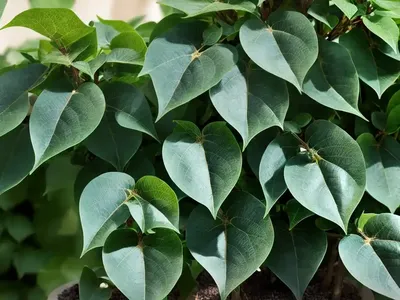
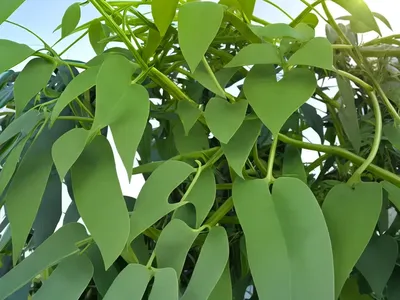
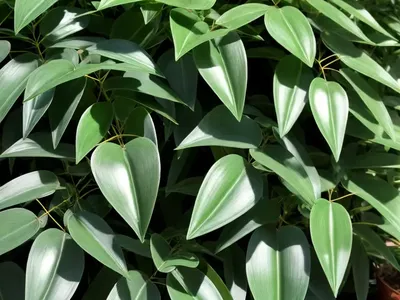
Winged Treebine (Cissus Quadrangularis)
Winged treebine (Cissus quadrangularis) is a remarkable plant known for its medicinal properties and ornamental value. This versatile plant has been.

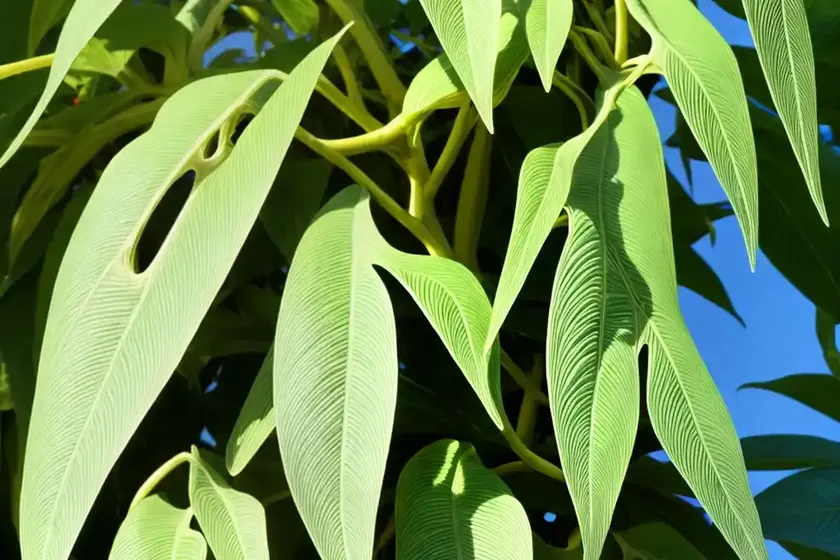
Winged treebine (Cissus quadrangularis) is a remarkable plant known for its medicinal properties and ornamental value. This versatile plant has been utilized in traditional medicine for centuries and is gaining recognition for its potential health benefits in modern times. In this comprehensive guide, we will explore the diverse aspects of winged treebine, including its culture, uses, cultivation requirements, common diseases and pests, and much more.
What is Winged Treebine (Cissus quadrangularis)?
Winged treebine, scientifically known as Cissus quadrangularis, is a perennial plant belonging to the grape family (Vitaceae). It is native to tropical and subtropical regions of Asia and Africa and is characterized by its succulent, quadrangular (four-angled) stems and unique winged appendages along the stem nodes, from which it derives its common name, “winged treebine.”
Key Takeaways – Winged Treebine (Cissus quadrangularis)
- Plant Name: Winged treebine (Cissus quadrangularis)
- Family: Vitaceae
- Native Range: Asia, Africa
- Key Features: Succulent, quadrangular stems with winged appendages
- Uses: Medicinal, Ornamental
With its rich cultural history, diverse uses, and impressive adaptability, winged treebine has garnered attention in various fields, from traditional medicine to horticultural practices. Now, let’s delve into the various aspects of winged treebine, including its culture, uses, cultivation requirements, and more.
Culture
Understanding the cultural requirements of winged treebine is essential for successfully cultivating and maintaining this plant. Whether grown for its ornamental appeal or medicinal properties, providing the right cultural conditions is crucial for its well-being.
Water
Winged treebine thrives in well-draining soil and prefers moderate watering. It is essential to allow the soil to dry out slightly between watering sessions to prevent waterlogged conditions, which can lead to root rot. During the active growing season, typically spring and summer, water the plant when the top inch of soil feels dry. In the dormant season, reduce watering to mimic the plant’s natural growth cycle.
Sunlight
When it comes to sunlight requirements, winged treebine prefers a balance of direct sunlight and partial shade. Providing 4-6 hours of direct sunlight per day is ideal for promoting healthy growth and flowering. In hotter climates, providing some afternoon shade can prevent the plant from becoming stressed due to excessive heat and sunlight exposure.
Fertilizer
Fertilizing winged treebine can help support its growth and flowering. During the growing season, apply a balanced, all-purpose fertilizer according to the manufacturer’s instructions. Avoid over-fertilization, as this can lead to excessive foliage growth at the expense of flowering.
Soil
Winged treebine thrives in well-draining, slightly acidic to neutral soil. A fertile, loamy soil enriched with organic matter is ideal for promoting healthy growth and blooming. It is essential to ensure that the soil medium provides adequate aeration and drainage to prevent waterlogging.
Uses
Winged treebine is valued for its diverse uses, ranging from traditional medicine to horticulture. Let’s explore the various applications of this versatile plant.
-
Medicinal Uses: Winged treebine has a long history of use in traditional medicine, particularly in Ayurveda, where it is revered for its purported benefits in promoting bone health, joint support, and overall well-being. Research has also explored its potential in managing conditions such as osteoporosis, arthritis, and metabolic disorders.
-
Ornamental Uses: Beyond its medicinal properties, winged treebine is cultivated for its ornamental value. Its succulent, angular stems and distinctive winged nodes make it an intriguing addition to succulent gardens, rock gardens, and container displays.
-
Supplements: In recent years, winged treebine has gained recognition as a potential ingredient in dietary supplements, particularly those targeted at joint health, bone support, and overall wellness. Its rich phytochemical composition and traditional uses have contributed to its appeal in the supplement industry.
Pruning
Pruning winged treebine is beneficial for maintaining its shape, promoting bushier growth, and removing any damaged or diseased parts. In late winter or early spring, before the start of the growing season, prune the plant as needed. Use clean, sharp pruning shears to make precise cuts, avoiding any excessive or indiscriminate pruning that can compromise the plant’s health.
Propagation
Propagating winged treebine can be achieved through various methods, including stem cuttings and seeds.
-
Stem Cuttings: Propagating winged treebine from stem cuttings is a common and effective method. Select a healthy stem cutting with several nodes, remove the lower leaves, and plant it in a well-draining potting mix. Keep the soil moist and provide warmth and indirect light to encourage root development.
-
Seeds: Winged treebine can also be grown from seeds, though this method may take longer to yield established plants. Sow the seeds in a well-draining seed starting mix, provide warmth and consistent moisture, and transplant the seedlings once they are established.
Container Popularity
The adaptability of winged treebine makes it well-suited for container cultivation. Its ornamental appeal, low maintenance requirements, and potential health benefits have contributed to its popularity among container gardeners and enthusiasts.
-
Container Size: When selecting a container for winged treebine, choose one that provides ample room for root growth and stability. A container with drainage holes is essential to prevent waterlogging.
-
Soil Mix: Use a well-draining potting mix formulated for succulents or cacti. Mix in some perlite or sand to improve drainage and aeration.
-
Placement: Place the container in a location that receives 4-6 hours of direct sunlight per day, such as a sunny patio, balcony, or windowsill.
-
Watering: Monitor the soil moisture regularly and water the plant when the top inch of soil feels dry. Adjust the watering frequency based on environmental conditions and the plant’s growth stage.
Common Diseases
Winged treebine is generally resilient to pests and diseases, especially when provided with suitable cultural conditions and proper care. However, it is important to be aware of potential diseases that can affect the plant and take preventive measures to maintain its health.
Disease Diagnosis
Recognizing the symptoms of common plant diseases can aid in early intervention and effective management. Here are some common diseases that may affect winged treebine:
-
Powdery Mildew: A fungal disease characterized by a powdery, white coating on the leaves and stems. It thrives in humid conditions and can be managed through proper air circulation and the use of fungicidal treatments.
-
Root Rot: Excessive moisture and waterlogging can lead to root rot, causing the plant to exhibit wilting, yellowing leaves, and overall decline. To prevent root rot, ensure proper drainage and avoid overwatering.
-
Leaf Spot: This fungal disease presents as dark, water-soaked spots on the leaves, often leading to leaf yellowing and drop. Remove and dispose of affected plant parts and consider fungicidal treatments if necessary.
Common Pests
While winged treebine is relatively resistant to pests, it may occasionally attract common garden pests such as aphids, mealybugs, and spider mites. Regular monitoring of the plant for any signs of pest infestations, such as visible pests, distorted growth, or stippled leaves, can aid in early detection and targeted pest management.
Pest Control
-
Natural Predators: Encouraging natural predators such as ladybugs and lacewings can help control aphid and mealybug populations.
-
Horticultural Oil: Applying horticultural oil can help suffocate and control spider mite and mealybug infestations. Ensure thorough coverage of the affected plant parts.
-
Insecticidal Soap: Utilize insecticidal soap as a targeted treatment for aphids, mealybugs, and soft-bodied pests. Follow the application instructions and consider repeating the treatment as needed.
Botanist’s Tips
As a plant scientist with a passion for horticulture and botanical research, I would like to offer some insightful tips for enthusiasts and aspiring gardeners interested in cultivating winged treebine:
-
Research-Based Approach: Explore the latest research studies and publications on winged treebine to gain a deeper understanding of its medicinal properties, growth habits, and ecological significance.
-
Observation Skills: Cultivate the habit of closely observing your winged treebine plants to identify any changes in growth, flowering patterns, or signs of stress. This keen observation can aid in early detection of potential issues and prompt intervention.
-
Collaborative Learning: Engage in discussions with fellow gardeners, horticulturists, and botanical experts to exchange knowledge and experiences related to growing and utilizing winged treebine.
Fun Facts
To further appreciate the uniqueness of winged treebine, consider these fascinating fun facts about this remarkable plant:
- The distinct winged nodes along the stems of winged treebine set it apart from many other plants, making it an intriguing specimen for botanical enthusiasts.
- In traditional Ayurvedic medicine, winged treebine is referred to as “Hadjod” and is valued for its purported bone-strengthening and joint-supportive properties.
- Winged treebine is known for its ability to thrive in arid and semi-arid environments, showcasing its remarkable adaptability to challenging growing conditions.
Links to External Resources
For those interested in delving deeper into the world of winged treebine, the following external resources provide valuable insights and information:
As we conclude this comprehensive guide to winged treebine (Cissus quadrangularis), I hope that you have gained a deeper appreciation for this exceptional plant and its multifaceted significance in traditional medicine, horticulture, and botanical research. Whether you seek to cultivate winged treebine for its ornamental allure or explore its potential health benefits, this versatile plant stands as a testament to nature’s inherent richness and diversity.
Remember to approach the cultivation and utilization of winged treebine with curiosity, respect for traditional knowledge, and a commitment to fostering its well-being in diverse settings, from gardens to herbal medicine practices. May your journey with winged treebine be filled with discovery, growth, and a profound connection to the fascinating world of plants and botanical wonders.
Happy gardening!
Disclaimer: The information provided in this guide is for educational purposes and does not substitute professional advice. Always consult with a qualified healthcare practitioner or botanical expert before using winged treebine for medicinal purposes.
In this comprehensive guide to winged treebine, we have explored its cultural requirements, uses, propagation methods, common diseases and pests, and insightful tips for enthusiasts. This valuable information is designed to equip readers with the knowledge and inspiration to cultivate and appreciate winged treebine in diverse contexts, from medicinal gardens to horticultural displays.
If you have any questions or would like to share your experiences with winged treebine, feel free to engage in the comments section. Your insights and feedback are welcomed as we continue to celebrate the rich diversity of plants and their meaningful contributions to our lives.
Happy gardening, and may your journey with winged treebine be marked by growth, discovery, and a profound appreciation for nature’s extraordinary creations.
Disclaimer: The content provided in this blog post is for informational purposes only and is not intended to serve as medical or horticultural advice. Please consult with a qualified healthcare professional or botanical specialist before using winged treebine for medicinal purposes or making significant changes to your gardening practices.
References:
- “Cissus quadrangularis: An Unusual Bone-Building Medicinal Plant” by Neeru Vasudeva, National Institutes of Health (NIH)
- “Hadjod – Cissus quadrangularis” by Vandana Kataria, ResearchGate
- “In Vitro Evaluation of Antioxidant and Antiradical Properties of Cissus quadrangularis” by Shilpi Singh and Nilesh Dubey, Royal Botanic Gardens, Kew
- “Pharmacological Actions of Cissus quadrangularis: An Overview” by Alok Pal Jain, PubMed Central