Cissus Discolor (Cissus Javana)
Cissus Discolor, botanically known as Cissus javana, is a strikingly beautiful plant that has gained popularity for its unique foliage and its ease of care.
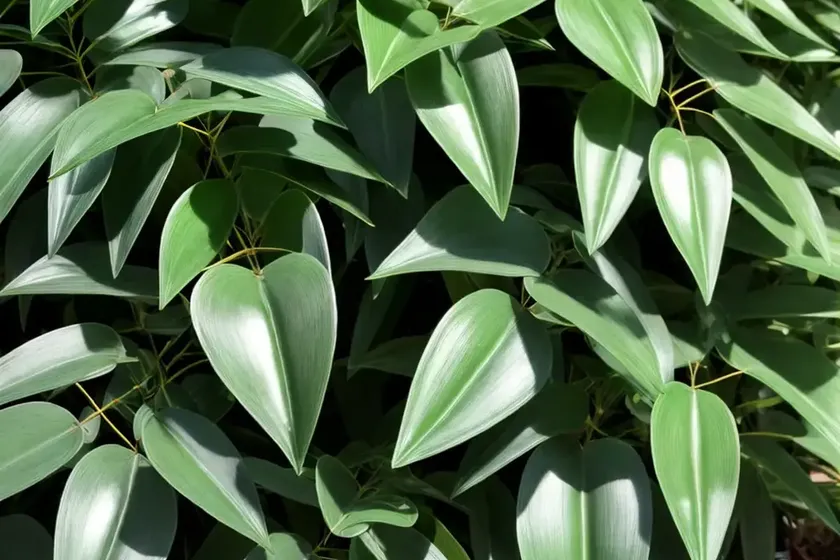
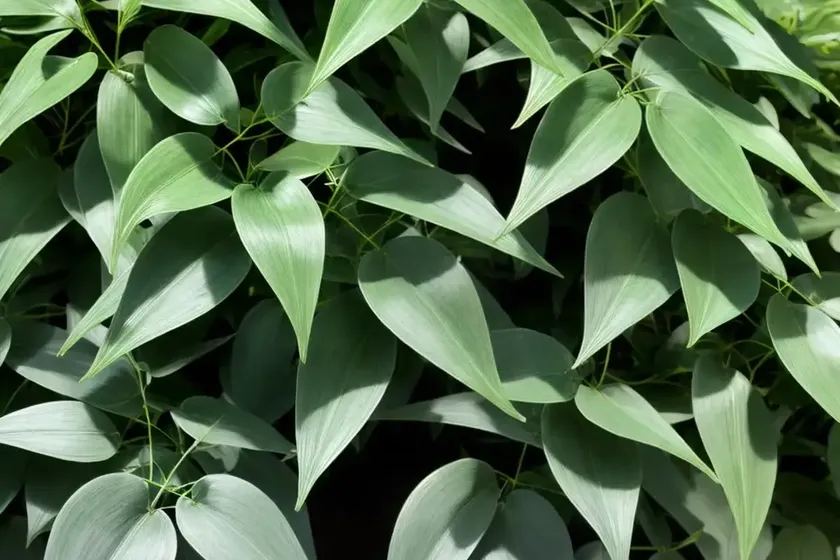
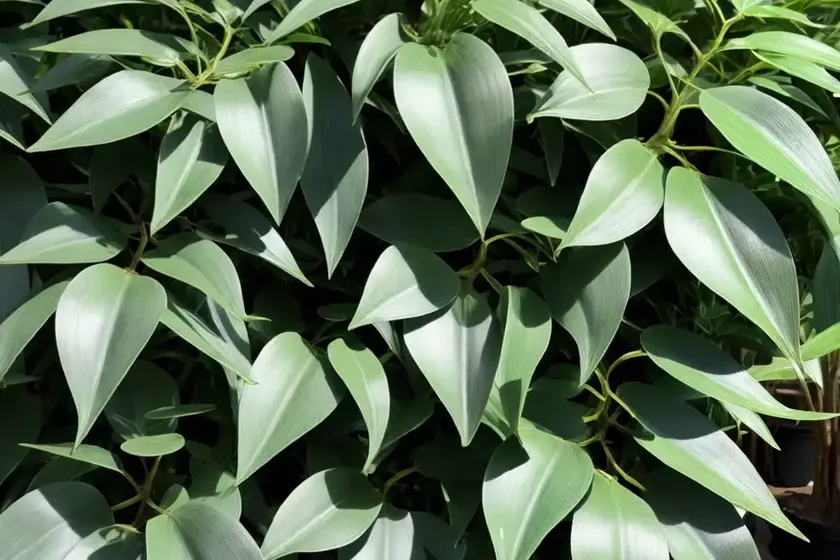
Cissus Discolor, botanically known as Cissus javana, is a strikingly beautiful plant that has gained popularity for its unique foliage and its ease of care as an indoor plant. This plant belongs to the grape family (Vitaceae) and is native to Indonesia. Its attractive and colorful leaves make it a favorite among plant enthusiasts. In this guide, we will explore everything you need to know about Cissus Discolor, from its culture, uses, and care requirements to propagation, common diseases, and fun facts.
What is Cissus Discolor (Cissus javana)?
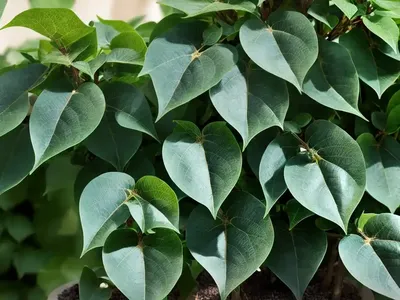
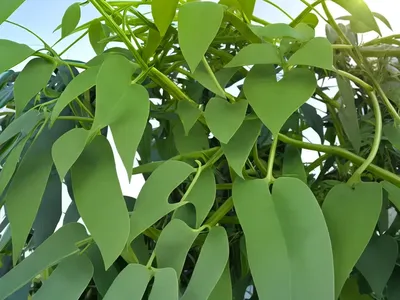
Cissus Discolor is a tropical vine that is cultivated for its decorative foliage. It is characterized by its large, heart-shaped leaves that have a vibrant coloration, displaying shades of green, purple, silver, and burgundy. The leaves are adorned with intricate patterns, making Cissus Discolor a stunning addition to any indoor plant collection.
Key Takeaways – Cissus Discolor (Cissus javana)
Before delving into the specifics of caring for Cissus Discolor, let’s outline the key takeaways regarding this captivating plant.
- Scientific Name: Cissus javana
- Common Name: Cissus Discolor
- Family: Vitaceae
- Native: Indonesia
- Foliage: Heart-shaped leaves with vibrant coloration
- Popularity: Gaining popularity as an indoor plant
Now, let’s explore the essential aspects of caring for Cissus Discolor, including its culture, uses, and specific care requirements.
Culture
Understanding the culture of Cissus Discolor is crucial for providing it with the optimal conditions for growth and development. This includes aspects such as water, sunlight, fertilizer, soil, and pruning.
Water
Watering is a critical aspect of Cissus Discolor care. It is essential to maintain consistently moist soil for optimal growth. However, it is equally important to ensure that the plant is not sitting in standing water, as this can lead to root rot. The frequency of watering will depend on factors such as the size of the plant, the potting mix used, and the environmental conditions. As a general guideline, it is advisable to water the plant when the top inch of the soil feels dry to the touch.
Sunlight
Cissus Discolor thrives in bright, indirect light. It should be placed in a location where it can receive ample natural light without being exposed to direct sunlight, particularly during the intense midday hours. Adequate light is crucial for promoting the plant’s vibrant foliage and maintaining its overall health.
Fertilizer
Fertilizing Cissus Discolor is essential for supporting its growth and ensuring that it receives the necessary nutrients. A balanced, water-soluble fertilizer can be applied to the plant during the growing season, typically from spring to early fall. It is important to follow the recommended dilution and application instructions to avoid over-fertilization, which can be detrimental to the plant.
Soil
The choice of potting soil for Cissus Discolor is integral to its overall health and vigor. A well-draining, peat-based potting mix is ideal for this plant. Additionally, adding perlite or orchid bark to the soil mix can enhance drainage and aeration, creating an optimal environment for the plant’s root system.
Pruning
Pruning Cissus Discolor is primarily done to maintain its shape, remove any damaged or yellowing leaves, and promote bushier growth. It is advisable to prune the plant in spring or early summer to encourage new growth. Regular pruning also helps manage the size of the vine, making it suitable for indoor cultivation.
Now that we have covered the cultural aspects of caring for Cissus Discolor, let’s explore its propagation, common uses, and its popularity as a container plant.
Propagation
Propagation of Cissus Discolor can be achieved through stem cuttings. This method of propagation is relatively straightforward and can be successful with proper care and environmental conditions. To propagate Cissus Discolor:
- Select a healthy, mature stem from the parent plant.
- Cut a section of the stem that is around 4-6 inches long, ensuring that it has at least one or two nodes.
- Remove the lower leaves from the cutting, leaving a few leaves at the top.
- Dip the cut end of the stem into a rooting hormone to encourage root development.
- Plant the cutting in a well-draining potting mix and keep it consistently moist.
- Place the cutting in a warm, humid environment with indirect light.
With proper care and attention, the cutting will develop roots over time and can be transitioned to a larger pot once it has established a healthy root system.
Container Popularity
Cissus Discolor has gained popularity as a container plant due to its stunning foliage and relatively low maintenance requirements. It is often cultivated as an indoor plant, adding a touch of tropical elegance to interior spaces. The vibrant colors and unique leaf patterns make it a sought-after addition to plant collections and indoor gardens.
Moving forward, let’s examine the common diseases and pests that can affect Cissus Discolor, along with tips for disease diagnosis and pest management.
Common Diseases
Cissus Discolor is generally resilient to diseases when provided with the appropriate cultural conditions. However, there are certain issues that can arise, particularly in suboptimal growing environments. Some of the common diseases that may affect Cissus Discolor include:
- Leaf Spot: Characterized by the appearance of dark spots or lesions on the leaves. This can be caused by fungal pathogens and is often exacerbated by excessive moisture on the foliage.
- Powdery Mildew: A fungal infection that manifests as a powdery, white substance on the leaves, stems, and buds. It thrives in high humidity and can hinder the plant’s growth if left untreated.
- Root Rot: Excessive moisture and poor drainage can lead to root rot, causing the plant to wilt and exhibit overall decline in health.
Disease Diagnosis
Diagnosing diseases in Cissus Discolor involves careful observation of the plant’s foliage, stems, and overall growth patterns. If you notice any unusual symptoms such as spots, discoloration, or wilting, it is important to investigate the potential causes. Conduct a thorough assessment of the environmental conditions, watering practices, and overall plant care to identify the underlying issue.
Common Pests
While Cissus Discolor is relatively resistant to pests, it can still fall victim to certain insects that are common in indoor plant environments. Some of the pests that may affect Cissus Discolor include:
- Spider Mites: These tiny arachnids can cause stippling on the leaves and leave behind fine webbing. They thrive in dry conditions and can multiply rapidly if not addressed promptly.
- Mealybugs: Mealybugs are small, soft-bodied insects that feed on plant sap, leading to stunted growth and the secretion of sticky honeydew.
- Scale Insects: Scale insects can appear as small, waxy bumps on the leaves and stems, and they can compromise the overall health of the plant if left unchecked.
Careful monitoring and regular inspection of the plant can help in early detection of pest infestations, enabling prompt intervention to mitigate their impact.
Now that we have covered the aspects of diseases and pests, let’s explore some expert tips for caring for Cissus Discolor, along with fun facts and links to external resources.
Botanist’s Tips
As a botanist specializing in tropical plants, I have compiled some valuable tips for effectively caring for Cissus Discolor:
- Consistent Moisture: Maintain a balance in watering to keep the soil consistently moist without allowing it to become waterlogged.
- Humidity Management: Cissus Discolor thrives in moderate to high humidity levels. Consider using a pebble tray or a humidifier to create an optimal environment for the plant.
- Regular Pruning: Engage in regular pruning to manage the size of the vine and promote bushier growth. Additionally, remove any damaged or discolored leaves to maintain the plant’s aesthetic appeal.
- Protect from Drafts: Avoid placing the plant in areas that are exposed to cold drafts or sudden temperature fluctuations, as this can stress the plant.
Fun Facts
Here are some fascinating facts about Cissus Discolor:
- The species name “discolor” is derived from the Latin word for “differently colored,” referencing the plant’s vibrant foliage.
- Cissus Discolor is often referred to as a “Rex Begonia Vine” due to its attractive leaves and growth habit, even though it is not directly related to begonias.
Links to External Resources
For additional information on Cissus Discolor care, propagation, and cultivation, I recommend exploring the following resources:
Now that we have covered a range of important topics related to Cissus Discolor, including its care, propagation, common diseases, and fun facts, you should feel more confident in cultivating and maintaining this stunning plant in your indoor garden or plant collection. With the right cultural practices and attention to detail, Cissus Discolor can thrive and become a captivating focal point in any indoor space.
In conclusion, Cissus Discolor, with its intricate foliage and ease of care, has rightfully secured its position as a favored plant among enthusiasts seeking a touch of tropical allure within their homes. Whether admired for its vibrant leaves or cherished for its resilience as an indoor plant, Cissus Discolor continues to captivate and inspire plant lovers around the world.
Remember to enjoy the process of caring for your Cissus Discolor, and take delight in its stunning display of foliage that brings nature’s beauty into your everyday surroundings.
Happy gardening!