Willowleaf Pear (Pyrus Salicifolia ‘Silver Frost’)
The Willowleaf Pear, scientifically known as Pyrus salicifolia ‘Silver Frost’, is a visually striking and versatile plant that is a valuable addition to.

The Willowleaf Pear, scientifically known as Pyrus salicifolia ‘Silver Frost’, is a visually striking and versatile plant that is a valuable addition to any garden or landscape. It is a cultivar of the Pyrus salicifolia species and is esteemed for its elegant appearance, adaptability, and minimal maintenance requirements. In this comprehensive guide, we will delve into the various aspects of the Willowleaf Pear, including its culture, uses, water requirements, sunlight needs, fertilizer application, soil preferences, pruning techniques, propagation methods, common diseases, pest management, and interesting facts. Whether you are an experienced gardener or a novice enthusiast, this guide will equip you with the knowledge needed to cultivate and care for the Willowleaf Pear effectively.
Key Takeaways – Willowleaf Pear (Pyrus salicifolia ‘Silver Frost’)
Before delving into the specifics of the Willowleaf Pear, let us highlight the key takeaways about this ornamental tree:
- Plant Name: Pyrus salicifolia ‘Silver Frost’, commonly referred to as the Willowleaf Pear
- Water: Moderate water needs; avoid waterlogging
- Sunlight: Full sun to partial shade
- Fertilizer: Minimal fertilization required
- Soil: Well-draining and adaptable to various soil types
- Pruning: Low maintenance; minimal pruning required for shaping
- Propagation: Can be propagated from seeds or semi-hardwood cuttings
- Uses: Ornamental tree, suitable for landscapes, gardens, and containers
- Common Diseases: Susceptible to fire blight and pear scab
- Common Pests: Keep an eye out for aphids, caterpillars, and scale insects
- Popularity: Valued for its unique foliage and overall aesthetic appeal
- Fun Facts: Features silver-gray leaves with a willow-like appearance and delicate white flowers in spring
- Botanist’s Tips: Avoid overwatering and prune selectively to maintain its graceful form
Now, let’s explore each of these aspects in detail to gain a comprehensive understanding of the Willowleaf Pear.
What is the Willowleaf Pear (Pyrus salicifolia ‘Silver Frost’)?
The Willowleaf Pear, or Pyrus salicifolia ‘Silver Frost’, is a deciduous tree renowned for its elegant, willow-like foliage and year-round visual interest. Originating from southeastern Europe and the Middle East, this ornamental tree belongs to the Rosaceae family and is appreciated for its adaptability to various growing conditions and its low-maintenance nature.
Description
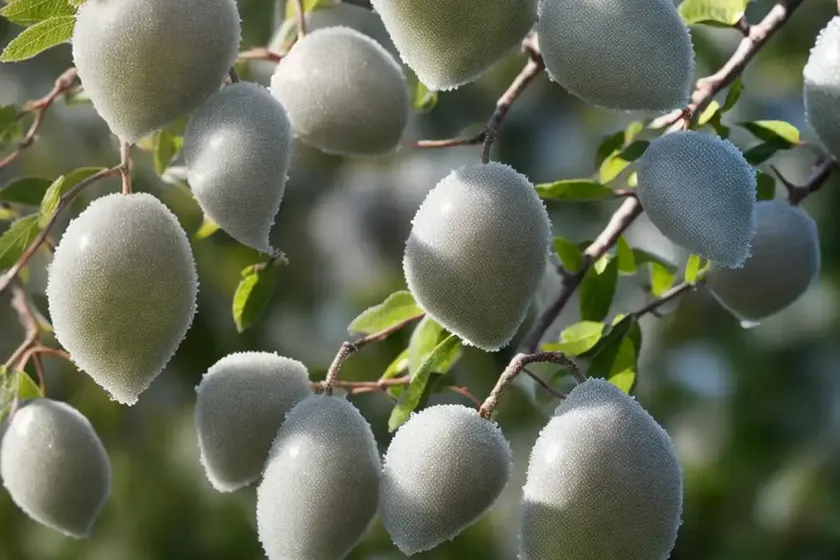
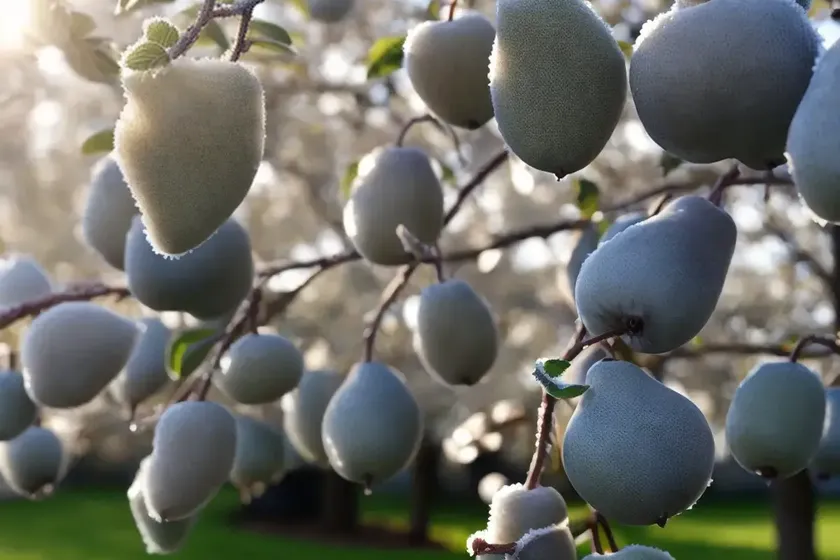
The Pyrus salicifolia ‘Silver Frost’ typically grows to a height of 20 to 35 feet, with a spread of 15 to 20 feet, creating a graceful, rounded silhouette. The leaves are the distinguishing feature of this cultivar, showcasing a striking silver-gray hue and an elongated shape resembling that of a willow tree. These silvery leaves shimmer in the sunlight, adding a touch of elegance to any setting. In the spring, the tree produces an abundance of delicate white flowers, attracting pollinators and adding a lovely, fragrant accent to the landscape. As the seasons progress, the flowers give way to small, spherical fruits that are not edible and are primarily ornamental in nature. During the fall, the foliage transitions to shades of yellow and orange, providing a final burst of color before the leaves drop in preparation for winter.
Culture of the Willowleaf Pear (Pyrus salicifolia ‘Silver Frost’)
Proper understanding of the cultural requirements of the Willowleaf Pear is essential for ensuring its optimal growth and development. This encompasses considerations such as water needs, sunlight preferences, fertilizer application, soil requirements, and pruning practices.
Uses
The Willowleaf Pear boasts an array of uses, making it a versatile and valuable addition to a variety of settings, including residential landscapes, urban gardens, parks, and commercial properties.
Landscape Ornamental: The tree’s distinctive foliage and elegant form make it a striking focal point in any landscape. Whether planted individually or in small groups, the Willowleaf Pear adds a touch of sophistication and visual interest to gardens of all sizes.
Container Planting: Due to its moderate size and adaptability, the Willowleaf Pear can thrive in large containers, making it a suitable choice for patios, decks, and other outdoor living spaces. It lends a refined and graceful ambiance to container gardens and urban settings.
Shade Tree: When strategically positioned, the Willowleaf Pear provides dappled shade, creating a comfortable and inviting environment for outdoor relaxation and gatherings.
Wildlife Attraction: The white flowers of the Willowleaf Pear entice pollinators, such as bees and butterflies, contributing to the overall biodiversity of the landscape.
Water
Proper watering is crucial for the health and vigor of the Willowleaf Pear. While it is important to provide adequate moisture, it is equally vital to avoid waterlogging, which can lead to root rot and other issues. During the tree’s establishment phase, frequent watering is essential to encourage strong root development. Once established, the tree demonstrates moderate drought tolerance, making it a suitable choice for regions with periodic dry spells.
Newly Planted Trees: Water newly planted Willowleaf Pear trees deeply and regularly, ensuring that the root ball is consistently moist but not waterlogged. A layer of mulch around the base of the tree helps retain soil moisture and regulate temperature.
Established Trees: Once the tree is established, it generally requires watering during extended periods of drought. However, it is essential to allow the soil to dry out partially between waterings to prevent waterlogged conditions.
Sunlight
The Willowleaf Pear thrives in full sun to partial shade, displaying the best growth and foliage coloration when provided with ample sunlight. When selecting a location for planting, aim to provide the tree with at least 6 hours of direct sunlight per day. In regions with scorching summers, some afternoon shade can be beneficial, particularly during the hottest part of the day.
Fertilizer
One of the appealing characteristics of the Willowleaf Pear is its minimal fertilizer requirements. The tree can generally thrive without the need for frequent or heavy feeding, as long as it is planted in reasonably fertile soil. However, a light application of balanced fertilizer in early spring can provide a nutritional boost, supporting healthy growth and flowering.
Soil
The Willowleaf Pear is adaptable to a wide range of soil types, provided they are well-draining. However, it tends to perform best in moderately fertile, loamy soils with good drainage. When planting or transplanting the tree, amending the soil with organic matter can enhance its overall vigor and resilience. Additionally, maintaining slightly acidic to slightly alkaline soil conditions is ideal for the optimal development of the tree.
Pruning
Pruning requirements for the Willowleaf Pear are typically minimal, primarily focusing on the removal of dead, damaged, or crossing branches, as well as shaping the tree to maintain its graceful form. The best time for pruning is during the late winter or early spring while the tree is still dormant. Avoid excessive pruning, as this can compromise the natural beauty and structure of the tree.
Propagation of the Willowleaf Pear
Propagation of the Willowleaf Pear can be achieved through various methods, including seed propagation and semi-hardwood cuttings. Each approach offers its own set of advantages and considerations.
Seed Propagation: Propagating the Willowleaf Pear from seeds is a straightforward method and can yield results relatively quickly. Here is a general outline of the seed propagation process:
- Seed Collection: Collect ripe seeds from the fruits of a healthy Willowleaf Pear tree in the fall.
- Seed Preparation: Remove the seeds from the fruits and wash off any residual pulp. Allow the seeds to air dry for a day or two before proceeding with the next steps.
- Stratification: To mimic natural conditions, stratify the seeds by placing them in a moist medium within a sealed plastic bag. Store the bag in the refrigerator for a period of 60 to 90 days to break the seeds’ dormancy.
- Planting: Once stratification is complete, plant the seeds in containers filled with a well-draining potting mix. Keep the soil consistently moist and provide warmth and bright, indirect light. Germination should occur within a few weeks to a couple of months.
- Transplanting: Once the seedlings have developed several sets of true leaves and are robust enough to handle, they can be transplanted into individual containers or the desired outdoor location.
Semi-Hardwood Cuttings: Propagation from semi-hardwood cuttings is another reliable method to propagate the Willowleaf Pear and can be carried out in late summer or early fall. Follow these steps for successful propagation from cuttings:
- Cutting Selection: Select healthy, semi-hardwood cuttings from the current season’s growth, measuring approximately 6 to 8 inches in length. The cuttings should exhibit firm stems and be free from diseases or deformities.
- Preparation: Remove the lower leaves from the cuttings, leaving only a few leaves at the tip. Dip the cut end in a rooting hormone to encourage root development.
- Planting: Plant the prepared cuttings in a container filled with a well-draining rooting medium, ensuring that at least two nodes are buried below the surface. Water the cuttings thoroughly and place them in a warm, bright location with indirect light.
- Rooting Process: Over the next several weeks, monitor the cuttings for signs of rooting, ensuring that the rooting medium remains consistently moist but not waterlogged.
- Transplanting: Once a healthy root system has developed, the rooted cuttings can be transplanted into individual containers, where they can continue to establish before being transitioned into their permanent outdoor location.
The Willowleaf Pear in Containers
The adaptability of the Willowleaf Pear extends to container cultivation, making it a versatile option for outdoor spaces with limited planting areas. When considering container planting, several key factors should be taken into account to ensure the tree’s well-being and longevity.
Container Selection
Select a spacious and sturdy container that provides ample room for the roots to grow and establish. A container with drainage holes is essential to prevent waterlogging and promote healthy root aeration. The material of the container, such as resin, fiberglass, or wood, can influence moisture retention and thermal insulation, so choose a material that aligns with the prevailing environmental conditions.
Potting Mix
Utilize a high-quality potting mix that offers excellent drainage properties and aeration while retaining sufficient moisture. A mix formulated for woody ornamentals or general outdoor container plants is suitable for cultivating the Willowleaf Pear in a container.
Placement
Position the container in a location that aligns with the sunlight requirements of the Willowleaf Pear, ideally providing a minimum of 6 hours of direct sunlight each day. While the tree can tolerate some afternoon shade, it thrives best when exposed to ample sunlight.
Watering and Maintenance
Regular monitoring of soil moisture is vital for container-grown plants, as they are more susceptible to fluctuations in moisture levels. Water the tree thoroughly when the top inch of the soil feels dry to the touch, ensuring that excess water can drain freely from the container’s base. Regular fertilization in spring, using a balanced, slow-release fertilizer, can provide the necessary nutrients for the tree’s sustained growth and vitality.
Popularity of the Willowleaf Pear (Pyrus salicifolia ‘Silver Frost’)
The Willowleaf Pear, particularly the ‘Silver Frost’ cultivar, has earned significant popularity among gardeners, landscapers, and enthusiasts due to its remarkable visual appeal, adaptability, and low-maintenance attributes. It is sought after for its unique foliage, graceful form, and year-round interest, making it an ideal candidate for a variety of settings. The striking silver-gray leaves, delicate white flowers, and attractive seasonal transitions render the Willowleaf Pear a captivating addition to any landscape.
Common Diseases of the Willowleaf Pear
Despite its resilient nature, the Willowleaf Pear is susceptible to certain diseases that can impact its overall health and appearance. Understanding these common diseases is essential for prompt identification and appropriate management.
Fire Blight (Erwinia amylovora)
Fire blight is a bacterial disease that affects several species within the Rosaceae family, including pears. It is characterized by the sudden wilting and blackening of blossoms, shoots, and foliage. Fire blight can spread rapidly, particularly during warm, moist weather conditions, posing a threat to the overall health of the tree.
Symptoms: Look for wilting, blackening, and bending of young shoots, often resembling a shepherd’s crook. Infected blossoms also turn brown or black and typically remain attached to the tree.
Management: Prune out and remove affected branches and shoots, ensuring that the pruning cuts are made at least 8 to 12 inches below the visibly infected areas. Disinfect pruning tools between cuts to prevent the spread of the disease. Copper-based fungicides can also be used preventatively, particularly during the bloom period, to mitigate the spread of fire blight.
Pear Scab (Venturia pirina)
Pear scab is a fungal disease that commonly affects pear trees, resulting in unsightly blemishes on the leaves and fruit. While it is primarily an aesthetic concern, severe infestations can lead to premature leaf drop and reduced fruit quality.
Symptoms: Look for olive-green to black lesions on the leaves and fruits, often surrounded by a dark border. The lesions may coalesce, resulting in widespread damage to the foliage and fruit.
Management: Implement cultural practices that promote good air circulation and reduce humidity around the tree, such as pruning to open up the canopy and removing fallen leaves. Applying fungicidal sprays during the early spring, prior to bud break, can help prevent pear scab infections.
Common Pests Affecting the Willowleaf Pear
The Willowleaf Pear can encounter various pests that have the potential to disrupt its growth and overall well-being. Vigilant monitoring and timely intervention are vital for managing pest-related issues effectively.
Aphids
Aphids are small, soft-bodied insects that cluster on the undersides of leaves, where they feed on plant sap. While they may cause aesthetic damage and distortions to the foliage, they are generally not a significant threat to the overall health of the Willowleaf Pear.
Management: Regularly inspect the tree for aphid activity, particularly on the undersides of leaves, and use a forceful stream of water to dislodge the insects. Horticultural oils or insecticidal soaps can also be employed to control severe infestations.
Caterpillars
Caterpillars, the larval stage of moths and butterflies, can feed on the foliage of the Willowleaf Pear, leading to visible leaf damage and defoliation if left unchecked.
Management: Handpick caterpillars from the tree and destroy them. Bacillus thuringiensis (Bt) products can be utilized to manage caterpillar populations effectively while minimizing harm to beneficial insects.
Scale Insects
Scale insects are sap-feeding pests that appear as small, immobile bumps on the stems and leaves of the Willowleaf Pear. They can weaken the tree and promote the growth of sooty mold, impacting its overall vigor.
Management: Use horticultural oils during the dormant season to smother and eradicate scale insects. Pruning out heavily infested branches can also help reduce the population of scales on the tree.
Botanist’s Tips for Growing the Willowleaf Pear
For successful cultivation of the Willowleaf Pear and to maintain its health and beauty, it’s essential to adhere to a few key guidelines based on botanical insights and best practices.
-
Moderate Watering: Avoid overwatering, as the Willowleaf Pear prefers moderately moist soil and can withstand periods of drought once established. Proper drainage is crucial to prevent waterlogged conditions.
-
Prudent Pruning: Practice selective pruning to maintain the tree’s graceful form and structure. Minimize excessive pruning, particularly during the growing season.
-
Sufficient Sunlight: Ensure the tree receives adequate sunlight, as this is essential for promoting healthy growth and vibrant foliage coloration.
-
Vigilant Monitoring: Regularly monitor the tree for signs of disease, pest infestations, and environmental stress. Prompt identification and intervention can prevent issues from escalating.
-
Well-Draining Soil: Plant the Willowleaf Pear in well-draining soil to prevent water accumulation around the roots, which can lead to root rot and other complications.
Fun Facts about the Willowleaf Pear (Pyrus salicifolia ‘Silver Frost’)
As we conclude our exploration of the Willowleaf Pear, let’s uncover some fascinating and lesser-known facts about this captivating ornamental tree:
- The Willowleaf Pear is native to southeastern Europe and the Middle East, where it thrives in diverse ecological conditions.
- In addition to its ornamental value, the tree’s fruits, though non-edible, can attract birds, adding a delightful wildlife element to the landscape.
- The silver-gray foliage of the Willowleaf Pear exhibits a shimmering effect when gently stirred by the wind, creating an enchanting visual display.
- While the tree’s delicate white flowers are visually appealing, they also emit a soft, sweet fragrance, particularly noticeable during the spring bloom.
Links to External Resources
For further information and resources on the cultivation and care of the Willowleaf Pear, including Pyrus salicifolia ‘Silver Frost’, consider exploring the following reputable sources:
- Royal Horticultural Society (RHS) – Willowleaf Pear
- University of California Cooperative Extension – Pyrus Diseases
- Missouri Botanical Garden – Propagation by Cuttings
- North Carolina State University Extension – Scale Insects
In conclusion, the Willowleaf Pear, represented by the ‘Silver Frost’ cultivar, stands as a captivating and adaptable ornamental tree with a plethora of appealing attributes. Its distinctive foliage, minimal maintenance needs, and versatile uses make it a compelling choice for a diverse range of landscaping and gardening projects. By understanding its cultural requirements, potential challenges, and inherent charm, gardeners and enthusiasts can fully appreciate and harness the unique qualities of the Willowleaf Pear in their outdoor spaces.
This comprehensive guide provides in-depth insights into the Willowleaf Pear (Pyrus salicifolia ‘Silver Frost’), addressing its cultural requirements, propagation techniques, pest and disease management, and fun facts. The information shared aims to empower readers with the knowledge needed to effectively cultivate and care for this captivating ornamental tree. Whether it is appreciated for its striking foliage, delicate flowers, or year-round visual interest, the Willowleaf Pear remains a cherished addition to various landscapes and gardens.


