Wild Pansy (Viola Tricolor)
Plants are an essential part of nature, providing beauty, nourishment, and healing properties. Among the diverse array of plants, Viola tricolor, commonly.
Introduction
Plants are an essential part of nature, providing beauty, nourishment, and healing properties. Among the diverse array of plants, Viola tricolor, commonly known as the wild pansy, stands out due to its cultural significance, medicinal uses, and colorful blooms. In this comprehensive guide, we will explore the characteristics of Viola tricolor, its cultural and folklore significance, medicinal properties, care guidelines, and much more.
What is Wild Pansy (Viola tricolor)?
Wild Pansy (Viola tricolor) is a delicate and dainty flowering plant that belongs to the Violaceae family. It is native to Europe and western Asia, but it has been introduced to other parts of the world due to its ornamental and medicinal value. The plant is also known by various other names, including heartsease, Johnny-jump-up, and wild violet, reflecting its widespread popularity and recognition.
Key Takeaways – Wild Pansy (Viola tricolor)
Let’s delve into the key characteristics and takeaways associated with Viola tricolor:
Cultural Significance:
- Viola tricolor has been associated with various cultural and folklore traditions across different regions, symbolizing love, remembrance, and free-spiritedness.
- It is known for its vibrant and distinct colors, each carrying different symbolic meanings in different cultures and art forms.
Medicinal Properties:
- Throughout history, Viola tricolor has been used for its medicinal properties, offering remedies for respiratory conditions, skin ailments, and more.
- The plant contains compounds with potential health benefits, making it a valuable resource in herbal medicine and alternative healing practices.
Care Guidelines:
- When cultivating Viola tricolor, it is crucial to provide the right conditions in terms of water, sunlight, soil, and fertilizer to ensure its optimal growth and vibrant blooms.
- Understanding its growth habits and propagation methods can help plant enthusiasts incorporate this charming species into their gardens and landscapes.
Now that we have a brief overview, let’s delve deeper into the culture, uses, and care guidelines associated with Viola tricolor.
Culture
The cultural significance of Viola tricolor spans across different regions and traditions, reflecting its enduring popularity and symbolism in various contexts.
Symbolism and Folklore
- Symbolism in Art: In art and literature, Viola tricolor has been used to symbolize love, faithfulness, and the fleeting nature of beauty. Its vivid colors and delicate appearance have made it a favorite subject for artists and poets seeking to convey deep emotional themes.
- Folklore and Myths: The plant has been a subject of numerous myths and folklore tales, often representing themes of love, happiness, and protection. In some cultures, it is associated with fables and stories depicting the triumph of love over adversity.
Flower Meanings and Colors
- Flower Meanings: In the language of flowers, Viola tricolor is often associated with thoughts of loved ones, reminiscence, and affection. Its petite blooms carry an air of nostalgia and sentimental value, making it a cherished gift in many cultures.
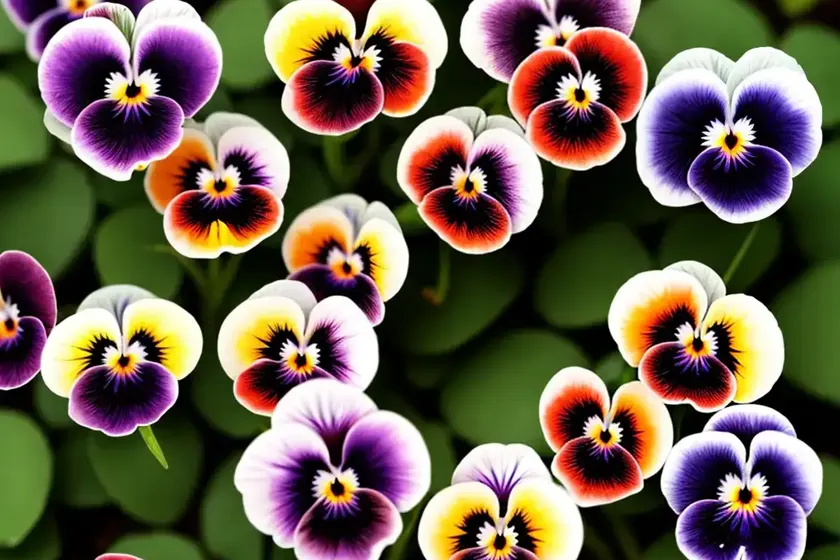
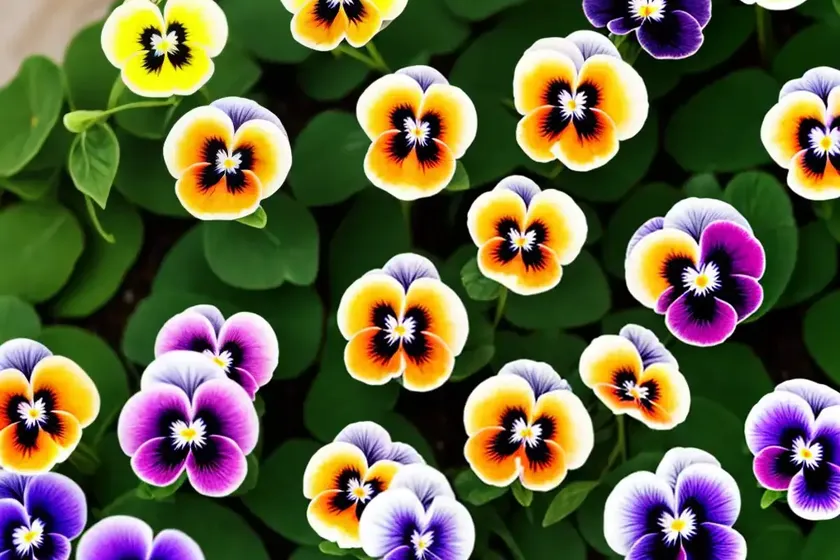
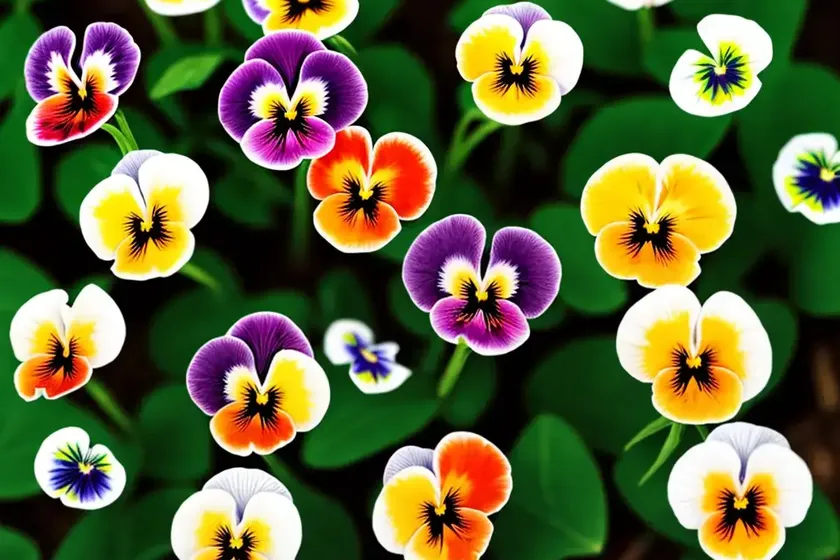
- Color Significance: The tricolor nature of the blooms – typically adorning shades of violet, yellow, and white – further contributes to its symbolic richness. Each color carries its own meanings, from purity and innocence to joy and devotion.
Uses
Viola tricolor offers a wide range of uses, from culinary applications to herbal remedies, making it a versatile and valuable plant in various contexts.
Culinary Uses
- Edible Flowers: The blooms of Viola tricolor are edible and can be used to garnish salads, desserts, and beverages. Their delicate appearance and mild, slightly sweet flavor make them a popular choice for adding aesthetic appeal to culinary creations.
Medicinal Properties
- Herbal Remedies: Historically, Viola tricolor has been utilized in herbal medicine for its expectorant and anti-inflammatory properties. It is often included in herbal formulations targeting respiratory conditions, skin irritations, and general wellness.
- Home Remedies: From teas and syrups to natural poultices, the plant has been used in various home remedies to alleviate coughs, soothe skin irritations, and promote overall well-being.
Care Guidelines
Cultivating Viola tricolor successfully requires attention to specific care guidelines, including considerations for watering, sunlight, soil, and overall maintenance.
Water
- Viola tricolor prefers consistently moist but well-drained soil. Regular watering, particularly during dry periods, is essential to ensure the plant’s vigor and prolonged flowering.
Sunlight
- The plant thrives in partial shade to full sun, though it benefits from some protection during the hottest part of the day, especially in warmer climates.
Fertilizer
- A balanced, organic fertilizer can be applied during the growing season to support vigorous growth and profuse flowering. However, avoid over-fertilization which can lead to excessive foliage at the expense of blooms.
Soil
- Viola tricolor thrives in rich, loamy soil with good drainage. Amending the soil with organic matter can enhance its moisture retention and fertility, contributing to the overall health of the plant.
Pruning
- Deadheading spent flowers can encourage continuous blooming and prevent self-seeding. Additionally, periodic light pruning can help maintain the plant’s compact and tidy appearance.
Propagation
Viola tricolor can be propagated through several methods, allowing enthusiasts to expand their collection or share the plant with others.
Seeds
- The plant readily self-seeds, producing small, round seed pods that burst open, dispersing the seeds nearby. Collecting and sowing these seeds is an easy and cost-effective way to propagate Viola tricolor.
Division
- As a perennial, Viola tricolor can also be propagated through division, particularly during the cooler months. Carefully dividing the plant’s root system allows for the creation of new, healthy individuals.
Container Popularity
Given its diminutive size and charming blooms, Viola tricolor is a popular choice for container gardening, adding a touch of cheer to balconies, patios, and outdoor living spaces.
Common Diseases
Despite its resilient nature, Viola tricolor may be susceptible to certain diseases and pests under unfavorable conditions.
Disease Diagnosis
- Gray Mold (Botrytis cinerea): This fungal disease can manifest as brown spots on the foliage and flowers, eventually leading to a gray, fuzzy mold covering affected areas.
- Downy Mildew: Exhibiting as yellow or pale green patches on leaves along with a fuzzy, gray growth on the undersides, downy mildew can impact the overall health of Viola tricolor.
Common Pests
Several pests may pose a threat to Viola tricolor, requiring vigilant monitoring and prompt intervention to maintain the plant’s health.
- Aphids: These small, soft-bodied insects can cluster on the undersides of leaves, sucking sap from the plant and potentially transmitting viral diseases.
- Slugs and Snails: These mollusks can cause substantial damage to Viola tricolor by feeding on its leaves, particularly in moist and humid conditions.
Botanist’s Tips
To cultivate Viola tricolor successfully and appreciate its full potential, consider the following tips from seasoned botanists and gardening enthusiasts:
- Companion Planting: Viola tricolor can be strategically placed as a companion plant to attract beneficial insects and enhance the overall biodiversity of the garden.
- Harvesting Seeds: Collecting seeds from Viola tricolor not only allows for propagation but also supports the preservation of heirloom varieties and the continuation of cultural and botanical traditions.
Fun Facts
Uncover some fascinating and lesser-known facts about Viola tricolor that highlight its unique qualities and historical significance:
- Flower Symbolism: The three distinctive colors of the Viola tricolor blossoms inspired various interpretations, including representing the Holy Trinity in Christian symbolism.
- Culinary Traditions: In some European regions, Viola tricolor flowers were incorporated into festive dishes and beverages to celebrate special occasions and express goodwill.
Links to External Resources
To further explore the rich culture, medicinal uses, and gardening practices associated with Viola tricolor, consider the following external resources:
- Royal Horticultural Society – Viola tricolor
- The Herb Society – Heartsease: A Beautiful and Useful Little Herb
- The Old Farmer’s Almanac – Johnny Jump Up: Plant Care and Collection of Varieties
- University of Maryland Medical Center – Wild Pansy
In conclusion, Viola tricolor embodies a rich tapestry of culture, uses, and care guidelines that make it a captivating and valuable addition to gardens and landscapes. From its historical significance to its versatile applications, this charming plant continues to inspire and enchant enthusiasts worldwide.
Remember to approach the cultivation of Viola tricolor with an appreciation for its cultural heritage and a commitment to providing the optimal conditions for its well-being. By doing so, you can experience the joy of nurturing this beloved plant and honoring its enduring legacy in horticulture and traditional practices.


