Norway Spruce (Picea abies ‘Little Joe’): Your Ultimate Care Guide
The Norway spruce (Picea abies ‘Little Joe’) is a captivating dwarf conifer that makes a striking addition to any garden or landscape. This compact, slow-growing evergreen is cherished for its dense, symmetrical form, and its adaptability to various growing conditions. Whether you are a seasoned gardener or a beginner, understanding the cultural needs, maintenance practices, and common issues associated with the Norway spruce is crucial for ensuring its health and vibrancy in your outdoor space.
In this comprehensive guide, we will delve into the intricacies of caring for the Norway spruce (Picea abies ‘Little Joe’). From its ideal growing environment to potential diseases and pests, each aspect of this captivating conifer will be thoroughly explored.
Understanding the Norway Spruce (Picea abies ‘Little Joe’)
Before delving into the specifics of caring for the Norway spruce, it’s essential to develop a foundational understanding of its key characteristics and growth habits.
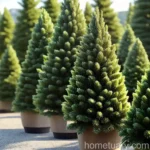
The Picea abies ‘Little Joe’, commonly known as the Norway spruce, belongs to the Pinaceae family and is native to Europe. It is a small, slow-growing evergreen tree that typically reaches a height of 3-5 feet with a spread of 1.5-2 feet over 10 years, making it ideal for compact gardens, borders, and rockeries. The ‘Little Joe’ cultivar is prized for its diminutive size and elegant, conical shape, which sets it apart from other larger Picea abies varieties.
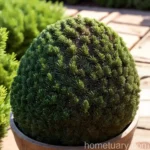
This compact conifer features short, dense, bright green needles that create a lush and feathery foliage display. During the spring, the new growth emerges with a vibrant, light green hue, adding a touch of freshness to the overall appearance. The ‘Little Joe’ is also adorned with small, round, chestnut-brown cones that contribute to its ornamental charm.
With its charming aesthetic appeal and manageable size, the Norway spruce (Picea abies ‘Little Joe’) serves as a focal point in small garden spaces, provides structure to mixed borders, and is an excellent choice for creating visual interest in container gardens.
Key Takeaways – Norway Spruce (Picea abies ‘Little Joe’)
Culture
- The Norway spruce (Picea abies ‘Little Joe’) thrives in temperate climates and is well-suited to USDA hardiness zones 2-7.
- It prefers well-drained soil with a slightly acidic to neutral pH (5.5-7.0) and performs best in moist, fertile, and loamy soils.
- The ‘Little Joe’ cultivar is relatively low-maintenance and does not require excessive attention once established, making it an ideal choice for busy gardeners.
Uses
- Its compact size and elegant form make it a versatile choice for landscaping, including rock gardens, mixed borders, and container plantings.
- It serves as an excellent choice for adding color and structure to small urban gardens or confined spaces.
Water
- Adequate and consistent moisture is crucial for the initial establishment of the Norway spruce (Picea abies ‘Little Joe’).
- Once established, it is relatively drought-tolerant, but regular watering during dry spells is essential to maintain its vigor and overall health.
Sunlight
- The ‘Little Joe’ prefers full sun to partial shade. In the cooler regions of its hardiness range, it can tolerate full sun, while in warmer climates, partial shade during the hottest part of the day is beneficial.
Fertilizer
- Minimal fertilization is generally sufficient for the Norway spruce (Picea abies ‘Little Joe’). An annual application of a balanced, slow-release fertilizer in early spring can help enhance its growth and overall vigor.
Soil
- Well-drained, moist, and slightly acidic to neutral soils are ideal for the ‘Little Joe’ cultivar. Amending the soil with organic matter can improve its drainage and fertility.
Pruning
- Minimal pruning is required to maintain the compact form and symmetrical shape of the Norway spruce (Picea abies ‘Little Joe’). Dead or damaged branches can be pruned as needed, preferably during the dormant season.
Propagation
- Propagation of the Norway spruce (Picea abies ‘Little Joe’) can be achieved through softwood cuttings or grafting. However, it is essential to note that the ‘Little Joe’ cultivar may not come true from seed, and propagation from cuttings or grafting ensures the retention of its unique characteristics.
Container Popularity
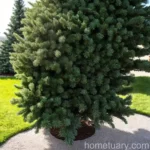
- The compact size and slow growth rate of the ‘Little Joe’ make it highly popular for container gardening, offering a captivating evergreen presence in patios, balconies, or small outdoor spaces.
Common Diseases
- The Norway spruce (Picea abies ‘Little Joe’) may be susceptible to common conifer diseases such as needle cast, root rot, and rust diseases. Adequate air circulation, proper watering practices, and vigilant monitoring can help mitigate disease occurrence.
Disease Diagnosis
- Early diagnosis of diseases is crucial for effective management. Carefully inspect the foliage for discoloration, lesions, or abnormal growth, and seek prompt treatment or intervention if symptoms of disease are observed.
Common Pests
- Potential pests that may affect the Norway spruce (Picea abies ‘Little Joe’) include aphids, spider mites, and adelgids. Regular inspection and proactive pest management can prevent infestations and safeguard the health of the ‘Little Joe’ cultivar.
Botanist’s Tips
- Regular observation of the Norway spruce (Picea abies ‘Little Joe’) is essential for detecting any signs of stress, disease, or nutrient deficiencies.
- Provide adequate protection against harsh winter winds and ice accumulation to prevent damage to the conifer’s foliage and branches.
Fun Facts
- The Norway spruce (Picea abies ‘Little Joe’) is a beloved symbol of Christmas in many European countries and is often used as a traditional Christmas tree due to its elegant form and dense foliage.
Links to External Resources
For further information on the Norway spruce (Picea abies ‘Little Joe’) and related topics, consider exploring the following resources:
- Growing Norway Spruce – Royal Horticultural Society
- Conifer Diseases and Their Management – The American Phytopathological Society
- Picea abies ‘Little Joe’ – Missouri Botanical Garden
Continuing with our exploration of the Norway spruce (Picea abies ‘Little Joe’), let’s delve deeper into the various aspects of its care and maintenance, as well as essential tips for ensuring its longevity and vitality in your garden or landscape.
Plant Name: Norway spruce (Picea abies ‘Little Joe’)
Norway Spruce Care
Caring for the Norway spruce (Picea abies ‘Little Joe’) involves understanding its specific requirements and proactively addressing potential issues that may arise. Proper cultural practices, vigilant monitoring, and timely interventions are key elements in fostering the optimal health and growth of this captivating conifer.
Picea abies ‘Little Joe’ – Growing Needs
Norway Spruce Planting
When considering the ideal location for planting the Norway spruce (Picea abies ‘Little Joe’), several factors must be taken into account to ensure its successful establishment and long-term growth. Here are essential considerations for planting the ‘Little Joe’ cultivar:
- Select a site with well-drained soil and adequate sunlight exposure. The ‘Little Joe’ thrives in full sun to partial shade, but in regions with intense afternoon sun and high temperatures, partial shade during the hottest part of the day is beneficial.
- Ensure proper spacing between individual ‘Little Joe’ plants to accommodate their mature size and prevent overcrowding. Allow sufficient distance for adequate airflow and to showcase their elegant form and foliage.
- Dig a planting hole that is slightly wider and shallower than the root ball of the ‘Little Joe’ to facilitate root establishment. Loosen compacted soil and incorporate organic matter into the backfill to enhance soil fertility and drainage.
- After planting, water the ‘Little Joe’ thoroughly to settle the soil and promote initial root growth. Apply a layer of mulch around the base to conserve soil moisture, suppress weed growth, and insulate the roots during extreme temperatures.
Picea abies Varieties
The Norway spruce (Picea abies) encompasses a diverse array of cultivars, each possessing unique characteristics and growth habits. While the ‘Little Joe’ cultivar is renowned for its compact size and symmetrical form, other Picea abies varieties exhibit varying growth rates, foliage colors, and ornamental features.
Some notable Picea abies varieties include:
- ‘Pendula’ – A weeping form with cascading branches that add an elegant vertical element to landscape designs.
- ‘Nidiformis’ – Also known as Bird’s Nest spruce, this variety forms a compact, cushion-like shape, and serves as an attractive ground cover or focal point in smaller spaces.
- ‘Aurea’ – Exhibiting golden-yellow foliage, this variety adds a vibrant and eye-catching accent to gardens and mixed borders.
When considering the cultivation of Picea abies varieties, it is essential to research and select cultivars that align with your specific aesthetic preferences, space constraints, and growing conditions to ensure a harmonious and visually appealing landscape.
Dwarf Norway Spruce
The ‘Little Joe’ cultivar, a notable dwarf form of the Norway spruce, offers unique advantages for compact gardens, urban landscapes, and container gardening. Its reduced size and slow growth rate make it an excellent choice for spaces where larger conifers may be impractical or visually overwhelming.
When integrating the ‘Little Joe’ cultivar into a landscape, consider the following benefits of its dwarf nature:
- Versatile Placement: The compact size of the ‘Little Joe’ allows for versatile placement in confined garden spaces, small yards, and urban environments, adding an element of greenery without overcrowding the area.
- Container Gardening: Its manageable size and appealing form make the ‘Little Joe’ ideal for container gardening, offering an evergreen focal point on patios, balconies, and outdoor entertaining areas.
Little Joe Spruce Tree
The ‘Little Joe’ spruce tree is characterized by its diminutive stature and symmetrical, slender form, making it a standout addition to various garden settings. As a small-scale conifer, it possesses distinct attributes that contribute to its desirability in a range of landscaping applications.
Key characteristics of the ‘Little Joe’ spruce tree include:
- Compact Growth: With its slow growth rate, the ‘Little Joe’ maintains a neat and compact form, requiring minimal pruning and maintenance to preserve its appealing shape.
- Elegant Foliage: Its dense, bright green needles create a lush and textural foliage display, adding visual interest to garden beds, borders, and focal points.
Norway Spruce Landscape Design
In landscape design, the Norway spruce (Picea abies ‘Little Joe’) offers a multitude of possibilities for creating captivating and harmonious outdoor environments. Its versatility, attractive foliage, and dynamic growth habits allow for various design applications and aesthetic expressions.
Little Joe Spruce Growth
Understanding the growth patterns and development of the ‘Little Joe’ spruce is essential for strategic placement and long-term planning within the landscape. Here are key considerations regarding its growth habits:
- Slow Growth Rate: The ‘Little Joe’ exhibits a slow growth rate, gradually reaching its mature dimensions over several years. This slow pace of growth enables gardeners to anticipate its size and form accurately and plan for seamless integration into the landscape.
- Compact Form: Its symmetrical, conical shape remains consistent as it matures, providing an enduring architectural element in garden beds, borders, and foundation plantings.
Norway Spruce Maintenance
Maintaining the health and vitality of the Norway spruce (Picea abies ‘Little Joe’) entails regular care and attention to its specific needs. Implementing proactive maintenance practices is instrumental in safeguarding its well-being and aesthetic allure throughout the year.
Key maintenance practices for the ‘Little Joe’ cultivar include:
- Watering: Monitor soil moisture and provide sufficient water, especially during dry periods, to support the ‘Little Joe’s growth and overall vigor.
- Mulching: Apply a layer of organic mulch around the base of the ‘Little Joe’ to conserve soil moisture, regulate soil temperature, and suppress weed growth.
- Pruning: Infrequent pruning may be necessary to remove dead or diseased branches, maintain its desired shape, and enhance air circulation within the canopy.
Picea abies Little Joe Cultivar
The ‘Little Joe’ cultivar of the Norway spruce (Picea abies) is celebrated for its unique charm and adaptability to diverse growing conditions. Whether used as a standalone specimen or incorporated into mixed plantings, the ‘Little Joe’ cultivar offers distinct advantages in terms of scale, form, and visual impact.
Characteristics of the ‘Little Joe’ cultivar include:
- Compact Size: The diminutive size of the ‘Little Joe’ cultivar enables its use in confined spaces, urban gardens, and smaller landscapes, allowing for the integration of evergreen interest without overwhelming the setting.
- Ornamental Value: Its dense, bright green foliage and conical shape contribute to its ornamental appeal, lending a vibrant and textural presence to garden beds, rockeries, and container plantings.
Norway Spruce Pruning
Pruning the Norway spruce (Picea abies ‘Little Joe’) should be approached with care and attentiveness to preserve its natural form and aesthetic allure. Understanding the principles of pruning conifers, such as the ‘Little Joe’ cultivar, is essential for promoting healthy growth and maintaining its desired shape.
Key considerations for pruning the ‘Little Joe’ spruce include:
- Pruning Timing: Perform any necessary pruning during the dormant season to minimize stress on the tree and encourage vigorous regrowth in the following growing season.
- Pruning Techniques: Use sharp, clean pruning tools to make precise cuts and avoid tearing or damaging the branches. Remove dead, damaged, or diseased branches as well as any crowded or crossing growth to maintain optimal airflow and structural integrity.
Dwarf Spruce Tree
As a prominent representative of compact conifers, the ‘Little Joe’ serves as an exemplary dwarf spruce tree suitable for various garden settings. Its adaptability, aesthetic appeal, and manageable size make it an invaluable asset in landscape design, catering to the diverse needs and preferences of garden enthusiasts.
Distinct features of the ‘Little Joe’ dwarf spruce tree include:
- Versatile Form: The dwarf size and conical shape of the ‘Little Joe’ facilitate its integration into diverse landscape designs, ranging from formal settings to informal gardens, where it offers sensory and visual interest year-round.
- Year-Round Interest: With its evergreen nature and vibrant foliage, the ‘Little Joe’ stands out as a steadfast performer, contributing to the overall texture, structure, and color palette of the garden across all seasons.
Little Joe Spruce Care Tips
To ensure the success of the Norway spruce (Picea abies ‘Little Joe’) in your garden or landscape, consider the following care tips to promote its health, longevity, and aesthetic appeal:
- Assess Growing Conditions: Regularly evaluate soil moisture, sunlight exposure, and overall growing conditions to identify any potential stressors or deficiencies affecting the ‘Little Joe’s well-being.
- Provide Adequate Water: Maintain proper soil moisture by watering the ‘Little Joe’ as needed, particularly during dry spells, ensuring that the root zone receives thorough hydration without becoming waterlogged.
- Monitor and Protect Foliage: Keep an eye out for signs of disease, pests, or environmental stress, and promptly address any issues to prevent them from compromising the ‘Little Joe’s vitality and appearance.
Norway Spruce Features
The captivating features of the Norway spruce (Picea abies ‘Little Joe’) contribute to its intrinsic value as a garden asset and an ornamental focal point. Understanding and appreciating its distinct features are essential for harnessing its visual impact and integrating it harmoniously into diverse landscape settings.
Key features of the ‘Little Joe’ spruce include:
- Compact Size: Its diminutive stature and slender form make it a desirable option for small gardens, urban landscapes, and container gardening, where space and scale are primary considerations.
- Symmetrical Shape: The ‘Little Joe’ maintains a graceful and conical silhouette, providing a refined and sculptural element to garden compositions and focal areas.
Picea abies Little Joe Information
For comprehensive information and insights on the Norway spruce (Picea abies ‘Little Joe’), the following details offer valuable guidance and practical considerations for successful cultivation and integration within diverse gardening contexts:
- Botanical Name: Picea abies ‘Little Joe’
- Family: Pinaceae
- Common Name: Norway spruce, ‘Little Joe’ spruce
- Type: Evergreen tree
- Mature Height: 3-5 feet
- Mature Spread: 1.5-2 feet
- Growth Rate: Slow
- Hardiness Zone: USDA zones 2-7
- Sunlight: Full sun to partial shade
- Soil Requirements: Well-drained, slightly acidic to neutral
- Watering Needs: Average, moderate moisture
- Landscape Use: Borders, rock gardens, containers, small gardens
- Special Features: Compact size, symmetrical form, vibrant foliage
Dwarf Norway Spruce Tree
The ‘Little Joe’ cultivar of the Norway spruce embodies the quintessential attributes of a dwarf conifer, catering to the preferences of gardeners seeking compact, visually appealing, and adaptable trees for diverse landscape applications. Its inherent attributes and growth characteristics position it as a valuable and versatile asset in the realm of dwarf Norway spruce trees.
Distinctive characteristics of the ‘Little Joe’ dwarf Norway spruce tree include:
- Adaptability: Versatile growth habits and adaptability to various growing conditions make the ‘Little Joe’ well-suited for small gardens, urban landscapes, and container gardening, where its compact size and ornamental value shine.
- Ornamental Foliage: The lush, bright green needles and symmetrical form of the ‘Little Joe’ confer ornamental significance, providing a year-round visual display and contributing to the overall aesthetic appeal of garden spaces.
Norway Spruce Landscaping Ideas
Incorporating the Norway spruce (Picea abies ‘Little Joe’) into landscape designs offers an array of creative and practical possibilities for elevating the visual appeal and functionality of outdoor spaces. By exploring innovative landscaping ideas that harness the unique features of the ‘Little Joe’ cultivar, garden enthusiasts can realize captivating and cohesive environments.
Notable landscaping ideas for the ‘Little Joe’ spruce include:
- Focal Point Planting: Utilize the ‘Little Joe’ as a focal point in garden beds, entryways, or outdoor living areas, where its compact size and elegant form command attention and provide visual interest.
- Mixed Plantings: Integrate the ‘Little Joe’ into mixed borders, rockeries, or perennial plantings to create dynamic and layered compositions, leveraging its ornamental value and textural contrast.
- Container Gardening: Incorporate the ‘Little Joe’ into container gardens