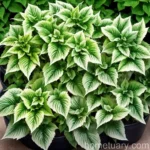
Whorled Plectranthus (Plectranthus verticillatus): The Perfect Trailing Houseplant
Plants have an incredible ability to bring life to any space they inhabit. Whether indoors or out, the presence of greenery can uplift moods and enhance the aesthetic appeal of a setting. One such striking plant is the Whorled Plectranthus, scientifically known as Plectranthus verticillatus. This trailing, cascading plant is a popular choice for both indoor and outdoor decor, and its low-maintenance nature makes it a favorite among plant enthusiasts. In this comprehensive guide, we will explore the nuances of caring for Whorled Plectranthus, including its cultural requirements, uses, propagation, common diseases, pests, and more.
What is Whorled Plectranthus (Plectranthus verticillatus)?
Whorled Plectranthus, or Plectranthus verticillatus, is a member of the Lamiaceae family, which encompasses an array of aromatic, ornamental, and culinary plants. This particular species is native to southern Africa, thriving in warm, humid conditions. It is cherished for its trailing growth habit and attractive, round leaves, making it an ideal choice for hanging baskets, containers, or as ground cover in suitable climates.
The hallmark of Whorled Plectranthus is its lush green foliage that can enliven any setting with its cascading growth pattern. The plant is also known for its air-purifying qualities, making it a beneficial addition to indoor spaces.
Key Takeaways – Whorled Plectranthus (Plectranthus verticillatus)
Before delving into the specifics of Whorled Plectranthus care and cultivation, here are the key takeaways about this remarkable plant:
- Botanical Name: Plectranthus verticillatus
- Common Names: Whorled Plectranthus, Swedish Ivy, Creeping Charlie
- Plant Type: Trailing, cascading evergreen
- Uses: Ideal for hanging baskets, containers, ground cover, and as a trailing houseplant
- Water: Moderate water requirements; avoid waterlogging
- Sunlight: Thrives in bright, indirect light; can also tolerate lower light conditions
- Fertilizer: Diluted, balanced liquid fertilizer every 2-4 weeks during the growing season
- Soil: Well-draining, peat-based mix
- Pruning: Regular pinching to promote bushier growth
- Propagation: Easily propagated from stem cuttings
- Container Popularity: Widely used in hanging baskets and decorative containers
- Common Diseases: Susceptible to root rot, powdery mildew, and fungal infections
- Common Pests: Mealybugs, spider mites, aphids
- Botanist’s Tips: Ensure adequate airflow to prevent disease and maintain even soil moisture
Culture of Whorled Plectranthus
Uses
Whorled Plectranthus is a versatile plant that can be utilized in various settings to enhance the visual appeal and ambiance. Some of its common uses include:
- Hanging Baskets: The trailing nature of Whorled Plectranthus makes it an ideal choice for hanging baskets, where its cascading foliage adds a touch of natural elegance.
- Containers: Whether indoors or outdoors, this plant thrives in containers, making it a popular choice for patios, balconies, and indoor settings.
- Ground Cover: In regions with a suitable climate, Whorled Plectranthus can be used as ground cover, where it spreads and forms a lush carpet of greenery.
- Trailing Houseplant: Its low-maintenance nature and beautiful trailing growth habit make it a perfect choice for indoor decor, especially in areas with limited space.
Water
Proper watering is crucial for the health and growth of Whorled Plectranthus. While it is important to maintain adequate moisture, overwatering can lead to root rot and other issues. Here are some key points to consider when watering Whorled Plectranthus:
- Moisture Balance: Aim for a balance between keeping the soil consistently moist and avoiding waterlogging. Allow the top inch of the soil to dry out slightly before watering again. This helps prevent water-related issues such as root rot.
- Watering Frequency: Depending on environmental conditions and the moisture retention of the soil mix, plan to water the plant moderately, typically once or twice a week during the growing season. Adjust the frequency based on the plant’s specific needs and the surrounding humidity levels.
Sunlight
Whorled Plectranthus thrives in bright, indirect light, making it suitable for a variety of indoor and outdoor settings. Here’s a breakdown of its sunlight requirements:
- Indoor Lighting: Place the plant in an area with bright, indirect light for optimal growth. While it can tolerate lower light conditions, it may not exhibit as vigorous growth or may become leggy over time.
- Outdoor Settings: If grown outdoors, choose a location with dappled or filtered sunlight, especially in regions with hot climates. Avoid direct, intense sun exposure, as it can scorch the delicate foliage.
Fertilizer
Fertilizing Whorled Plectranthus is essential for promoting healthy growth and vibrant foliage. By providing the necessary nutrients, the plant can thrive and maintain its lush appearance. Here are some key points to consider when fertilizing Whorled Plectranthus:
- Fertilizing Schedule: During the growing season, which typically spans spring and summer, apply a diluted, balanced liquid fertilizer every 2-4 weeks. Adjust the frequency based on the specific product’s instructions and the plant’s response to fertilization.
- Application Method: When feeding the plant, ensure that the fertilizer is evenly distributed and avoid excessive concentration that may lead to chemical burns or salt buildup in the soil.
Soil
The choice of soil plays a significant role in the overall health and growth of Whorled Plectranthus. The ideal soil mix provides adequate drainage and aeration, ensuring that the plant’s roots are healthy and supported. Consider the following factors when selecting or preparing the soil for Whorled Plectranthus:
- Well-Draining Mix: Opt for a well-draining potting mix that prevents water from accumulating around the roots. A peat-based mix with added perlite or coarse sand is often suitable for this plant.
- Aeration: The soil should offer ample aeration to the roots, facilitating nutrient uptake and preventing issues associated with compacted or waterlogged soil.
- Acidic pH: Aim for a slightly acidic to neutral pH range, typically around 6.0-7.0, to create an optimal growing environment for Whorled Plectranthus.
Pruning
Regular pruning is beneficial for Whorled Plectranthus, as it helps maintain a compact and bushy growth habit. By trimming back the stems and pinching the tips, the plant can develop a fuller appearance and produce more branching, resulting in a denser display of foliage. Here are some key points to consider when pruning Whorled Plectranthus:
- Pinching Technique: Use clean, sharp pruning shears or your fingers to pinch or trim the growing tips of the stems. This encourages lateral growth and prevents the plant from becoming leggy.
- Frequency: Aim to prune the plant regularly, especially during the active growing season, to shape it and promote dense, cascading growth. Remove any leggy or straggly stems to maintain a neat appearance.
- Propagation: The trimmings from pruning sessions can be utilized for propagation, allowing you to multiply your Whorled Plectranthus collection or share the plant with others.
Propagation
Propagation of Whorled Plectranthus is relatively straightforward and can be performed using stem cuttings. This method allows you to create new plants from an existing specimen, providing an opportunity to expand your collection or share the plant with friends and fellow gardening enthusiasts. Here’s a guide to propagating Whorled Plectranthus through stem cuttings:
- Selecting Cuttings: Choose healthy, non-flowering stems for propagation. Look for sections with several sets of leaves and avoid stems with any signs of damage or disease.
- Cutting Technique: Using clean, sharp scissors or pruning shears, take 4-6 inch cuttings from the selected stems. Make the cut just below a leaf node to encourage successful rooting.
- Rooting Medium: Plant the cuttings in a well-draining rooting medium, such as a mix of perlite and peat or a specialized propagation mix. Ensure the medium is moist but not waterlogged.
- Rooting Environment: Place the cuttings in a warm, bright location with indirect light. Provide gentle bottom heat if possible to promote root development.
- Root Formation: Over the following weeks, monitor the cuttings for root growth. Once a healthy root system has developed, the cuttings can be potted into individual containers or incorporated into hanging baskets or decorative planters.
- Care for New Plants: After potting the rooted cuttings, care for them as you would for mature Whorled Plectranthus, providing suitable watering, lighting, and environmental conditions.
Container Popularity
Whorled Plectranthus has gained popularity as a container plant, particularly for its trailing growth habit and ornamental foliage. Whether in hanging baskets, decorative pots, or other container types, this plant enhances the visual appeal of any space. The versatility of Whorled Plectranthus makes it suitable for various container applications, including:
- Hanging Baskets: The cascading nature of Whorled Plectranthus makes it a top choice for hanging baskets, where its lush foliage spills over the edges, creating a picturesque display.
- Indoor Containers: In indoor settings, the plant can be showcased in decorative pots, planters, or standalone containers, adding a touch of greenery to living spaces, offices, or other areas.
- Outdoor Containers: When used in outdoor containers, Whorled Plectranthus contributes to patio, balcony, or garden settings, providing a refreshing visual element.
Common Diseases
While Whorled Plectranthus is generally a resilient plant, it can be susceptible to certain diseases, particularly when growing conditions are unfavorable. Being aware of common diseases and their symptoms can help in timely intervention and effective management. Here are some prevalent diseases that may affect Whorled Plectranthus:
- Root Rot: Overly wet or waterlogged soil can lead to root rot, causing the plant to exhibit wilting, yellowing leaves, and a general decline in health. Correcting the watering practices and ensuring proper drainage can help prevent or address this issue.
- Powdery Mildew: This fungal disease may manifest as a white, powdery coating on the foliage, affecting the plant’s overall appearance. It thrives in humid conditions but can be managed through improved air circulation and appropriate fungicidal treatments if necessary.
- Fungal Infections: Various fungal infections can occur, often presenting as leaf spots, discolored patches, or unusual growths. Maintaining a clean growing environment and addressing humidity and ventilation concerns can help minimize the risk of fungal diseases.
Disease Diagnosis
Signs of Root Rot
When dealing with diseases such as root rot, it’s important to recognize the signs and symptoms to take prompt action. Here are some indications of root rot in Whorled Plectranthus:
- Wilting Foliage: The plant may exhibit wilting or drooping leaves, despite adequate watering.
- Yellowing Leaves: Prolonged root damage from rot may cause the foliage to turn yellow and appear unhealthy.
- Soft, Darkened Roots: When examining the roots, you may notice a dark, mushy consistency, indicating rot.
Symptoms of Powdery Mildew
Identifying symptoms of powdery mildew is crucial for timely intervention. Look out for the following signs that may indicate the presence of this fungal disease:
- White, Powdery Coating: The upper and lower leaf surfaces may develop a dusty, white coating, particularly in warm, humid conditions.
- Distorted Growth: Infected leaves may exhibit distorted growth or reduced vigor, affecting the plant’s overall appearance.
- Reduced Photosynthesis: Severe cases of powdery mildew can impact photosynthetic activity, leading to decreased plant health.
Managing Diseases
Proactive measures and timely responses are essential for managing diseases in Whorled Plectranthus. By adopting the right strategies and providing optimal growing conditions, you can protect the plant from common diseases. Here’s a summary of disease management practices:
- Watering Practices: Avoid overwatering and ensure that the soil has adequate drainage to minimize the risk of root rot.
- Air Circulation: Promote good air circulation around the plant by positioning it in an area with proper ventilation, reducing the likelihood of powdery mildew and fungal infections.
- Sanitation: Maintain a clean growing environment by removing decaying plant material, fallen leaves, or other debris that may harbor pathogens or contribute to disease development.
- Fungicidal Treatments: If necessary, consider using safe and appropriate fungicidal treatments to address fungal infections and prevent their spread. Follow product instructions and safety guidelines when applying fungicides.
Common Pests
In addition to diseases, Whorled Plectranthus may also face challenges from common pests that can affect its overall health and appearance. Being able to identify these pests and understanding their impact is crucial for implementing effective pest management strategies. Some of the prevalent pests that may target Whorled Plectranthus include:
- Mealybugs: These small, cottony insects can cluster on the stems and leaves, sucking plant juices and causing damage. Their presence may lead to stunted growth and yellowing foliage.
- Spider Mites: Spider mites are minuscule pests that can proliferate in warm, dry conditions, leading to visible webbing and stippled, discolored foliage as they feed on plant tissues.
- Aphids: Aphids feed on plant sap and can congregate on the tips of plant shoots, causing distortions and discoloration in the affected areas.
Identifying Pest Infestations
Recognizing signs of pest infestations is crucial for addressing the issue before it escalates. By understanding the symptoms associated with common pests, you can take targeted measures to manage infestations. Here are some indications of pest presence on Whorled Plectranthus:
- Mealybugs: Look for clusters of white, cottony masses on the stems and foliage, often accompanied by sticky honeydew secretions and sooty mold growth.
- Spider Mites: Inspect the undersides of leaves for fine webbing, along with stippling, discoloration, and potential leaf drop caused by spider mite feeding.
- Aphids: Check for aphid clusters on tender shoot tips, where they may be visible in various colors, including green, black, or red, depending on the species.
Pest Management Strategies
Effective pest management involves a multi-faceted approach, encompassing preventive measures, cultural practices, and targeted treatments when necessary. Here’s an overview of pest management strategies for Whorled Plectranthus:
- Monitoring: Regularly inspect the plant for signs of pests, particularly on the undersides of leaves and at the growing tips. Early detection allows for prompt intervention.
- Pruning: Remove and dispose of heavily infested plant parts, such as severely infested stems or leaves, to reduce pest populations and prevent further spread.
- Natural Predators: Encourage natural predators of common pests, such as ladybugs and lacewings, which can help maintain pest populations in check.
- Horticultural Oils: Consider using horticultural oils or insecticidal soaps as a targeted treatment for controlling pests while minimizing the impact on beneficial insects.
Botanist’s Tips for Whorled Plectranthus
Maintaining the health and vitality of Whorled Plectranthus requires attention to various cultural factors and a proactive, informed approach to plant care. As a botanist specializing in ornamental plants, here are some key tips to ensure the successful growth and longevity of Whorled Plectranthus in your care:
- Airflow: Optimize air circulation around the plant to reduce the likelihood of disease and pest issues. Avoid crowding the plant with other foliage and provide sufficient space for natural airflow.
- Even Moisture: Strive for consistent, even moisture levels in the soil, avoiding extremes of dryness or waterlogging. Monitor the plant’s hydration needs to maintain optimal growing conditions.
- Regular Inspection: Periodically inspect the plant for signs of pests, diseases, or cultural issues, allowing for timely intervention and effective management when necessary.
- Temperature Considerations: While Whorled Plectranthus can tolerate a range of temperatures, it thrives in warm, humid conditions. Avoid exposing the plant to sudden temperature fluctuations or extended periods of cold, dry air.
Fun Facts About Whorled Plectranthus
- Ornamental History: Whorled Plectranthus has adorned indoor and outdoor spaces for centuries, cherished for its aesthetic appeal and low-maintenance nature.
- Botanical Relatives: The Plectranthus genus encompasses various species, some of which are known for their culinary uses, aromatic qualities, or medicinal properties.
- Adaptive Growth: Whorled Plectranthus exhibits a versatile growth habit, adapting to various container types, hanging baskets, and ground cover applications with ease.
- Air-Purifying Ability: Studies have shown that certain Plectranthus species, including Whorled Plectranthus, contribute to air purification by helping to remove harmful pollutants indoors.
Links to External Resources
For additional information and resources on Whorled Plectranthus care, propagation, and cultivation, explore the following links:
- Royal Horticultural Society – Plectranthus verticillatus
- University of Florida IFAS Extension – Swedish Ivy for Florida Landscapes
- Missouri Botanical Garden – Plectranthus verticillatus
In conclusion, Whorled Plectranthus, or Plectranthus verticillatus, is a remarkable trailing houseplant with a long-established history of ornamental use. Its cascading growth pattern, lush foliage, and low-maintenance nature make it a popular choice for various settings, including hanging baskets, containers, and indoor decor. By understanding its cultural requirements, propagation techniques, disease and pest management strategies, enthusiasts can successfully cultivate and enjoy the beauty of Whorled Plectranthus in their homes and gardens.
Keywords: Plectranthus verticillatus care, Whorled Plectranthus plant, Growing Plectranthus verticillatus, Plectranthus verticillatus propagation, How to care for Whorled Plectranthus, Whorled Plectranthus varieties, Plectranthus verticillatus indoor, Best soil for Plectranthus verticillatus, Whorled Plectranthus watering, Plectranthus verticillatus pruning, Tips for growing Whorled