Swedish Ivy (Plectranthus Australis)
In the world of houseplants, few are as beloved and versatile as the Swedish Ivy (Plectranthus australis). With its vibrant green foliage and trailing.
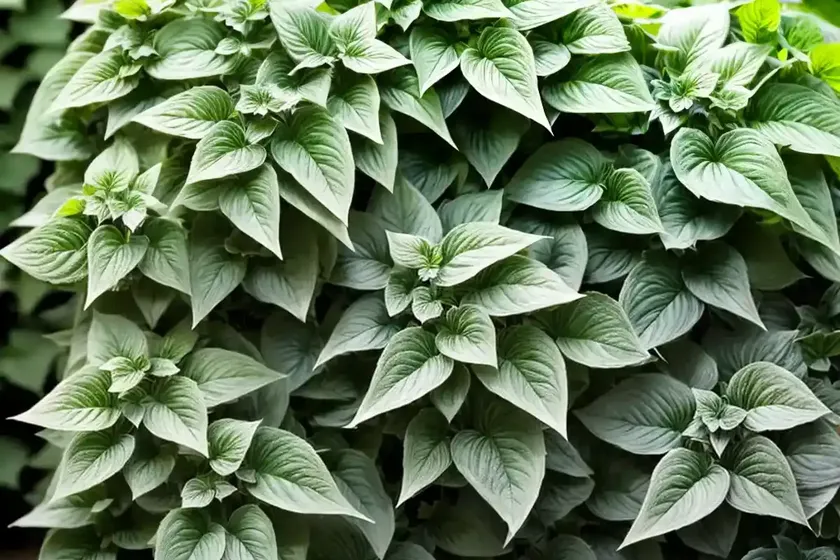
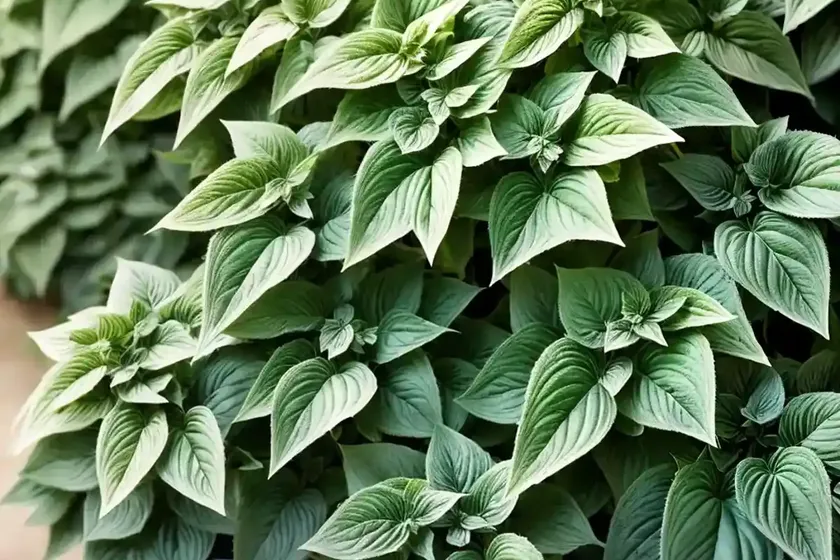
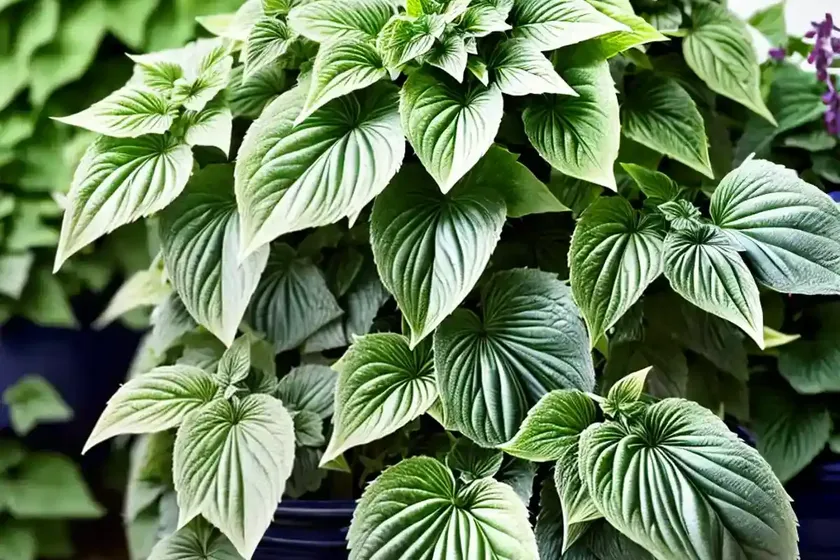
In the world of houseplants, few are as beloved and versatile as the Swedish Ivy (Plectranthus australis). With its vibrant green foliage and trailing habit, it is a popular choice for both indoor and outdoor environments. In this comprehensive guide, we’ll delve into all aspects of caring for Swedish Ivy, from its cultural significance to its propagation and potential uses. Whether you’re a seasoned plant enthusiast or a novice looking to incorporate more greenery into your life, this guide aims to equip you with the knowledge and skills needed to cultivate and enjoy this beautiful plant to the fullest.
What is Swedish Ivy?
Swedish Ivy, botanically known as Plectranthus australis, is a member of the Lamiaceae family, which also includes mint and other aromatic herbs. Despite its common name, it is not native to Sweden but hails from South Africa. The plant is characterized by its glossy, rounded leaves and its trailing stems, which can grow up to 18 inches long. When allowed to cascade over the edges of a pot or hanging basket, Swedish Ivy creates a lush, cascading display that adds a touch of natural beauty to any space.
Key Takeaways
Before we dive into the details of caring for Swedish Ivy, let’s take a brief look at the key takeaways that will guide our discussion:
- Cultural Significance: Swedish Ivy holds cultural and historical significance, and understanding its origins can deepen our appreciation for this plant.
- Uses: From its ornamental value to potential medicinal uses, Swedish Ivy has a range of applications.
- Care Requirements: Water, sunlight, fertilizer, soil, pruning, and propagation are all essential aspects of Swedish Ivy care.
- Container Gardening: Whether indoors or outdoors, Swedish Ivy can thrive in containers, making it a versatile choice for various settings.
- Common Diseases and Pests: Being aware of potential issues will help maintain the health of your plant.
- Botanist’s Tips: Insight from botanists and experienced growers can offer valuable guidance for nurturing Swedish Ivy.
- Fun Facts: Exploring the intriguing and lesser-known aspects of Swedish Ivy can deepen our appreciation for this plant.
Now, let’s embark on a journey to unravel the complexities and simplicities of Swedish Ivy care and cultivation.
Cultural Significance of Swedish Ivy
Understanding the cultural significance of Swedish Ivy can deepen our appreciation for this beautiful plant. Despite its common name, Swedish Ivy has no historical ties to Sweden. Instead, it hails from South Africa, where it can still be found in the wild. The name “Swedish Ivy” is believed to have originated from its popularity in Swedish households during the 18th century.
In South Africa, Plectranthus australis has been traditionally used for various purposes, including its potential medicinal benefits and ornamental values. For some, it holds symbolism and folklore significance, contributing to its rich cultural history.
Uses of Swedish Ivy
The uses of Swedish Ivy are diverse and multifaceted, contributing to its appeal as a beloved houseplant. Let’s explore some of its prominent uses:
- Ornamental Value: Swedish Ivy’s trailing habit and glossy green leaves make it a popular choice for adding a touch of greenery to indoor and outdoor spaces.
- Potential Medicinal Uses: In traditional medicine, certain species within the Plectranthus genus have been used for their medicinal properties. Although further research is needed, some believe that Swedish Ivy may have therapeutic potential.
- Air Purification: Like many houseplants, Swedish Ivy has the potential to improve indoor air quality by removing harmful compounds and adding oxygen to the environment.
- Cultural and Symbolic Significance: In some cultures, Swedish Ivy holds symbolism and may be used in rituals or ceremonies.
- Gift Plant: Its attractive appearance and ease of care make Swedish Ivy a popular choice as a gift plant, symbolizing growth, vitality, and well-being.
Swedish Ivy Care
Effective care for Swedish Ivy involves several key elements, including water, sunlight, soil, and more. Let’s delve into each of these components to ensure that you are equipped with the knowledge to provide the best care for your plant.
Water
Correct watering is essential for the health and vitality of Swedish Ivy. Overwatering can lead to root rot, while under-watering can result in wilting and stunted growth. Here are some guidelines for watering Swedish Ivy:
- Frequency: Check the moisture level of the soil regularly. Water when the top inch of the soil feels dry to the touch. In warmer months, you may need to water more frequently, while in winter, you can reduce the frequency.
- Method: Water thoroughly until water runs out of the drainage holes, and then allow the excess water to drain away. Avoid letting Swedish Ivy sit in standing water, as this can promote root rot.
Sunlight
Proper exposure to light is crucial for the health and appearance of Swedish Ivy. Here’s what you need to know about providing the right amount of sunlight:
- Indoor Placement: Swedish Ivy thrives in bright, indirect light. Place it near a window where it can receive ample sunlight without being exposed to direct, intense rays. Alternatively, fluorescent lighting can also suffice for indoor cultivation.
- Outdoor Placement: If grown outdoors, Swedish Ivy should be placed in an area that receives partial shade, particularly during the hottest part of the day. Direct sun can scorch the leaves, so it’s best to provide some protection from intense sunlight.
Fertilizer
Proper fertilization is essential for ensuring the healthy growth of Swedish Ivy. Here are some guidelines for fertilizing this plant:
- Frequency: During the growing season, from spring to early fall, fertilize Swedish Ivy every 6-8 weeks with a balanced, water-soluble fertilizer. In winter, when growth slows down, reduce or cease fertilization.
- Dilution: Always dilute the fertilizer to half its recommended strength to avoid over-fertilizing and causing damage to the plant’s roots.
Soil
Choosing the right soil is crucial for the well-being of Swedish Ivy. Here’s what you should consider when selecting or preparing the soil for this plant:
- Well-Draining Mix: Swedish Ivy thrives in a well-draining, lightweight potting mix. A combination of peat moss, perlite, and coarse sand is ideal, as it provides adequate aeration and prevents waterlogging.
- Acidic pH: The soil should be slightly acidic, with a pH range between 6.0 and 6.5. Using an acidic soil mix or adding organic matter can help maintain the optimal pH for Swedish Ivy.
Pruning
Regular pruning can help maintain the appearance and health of Swedish Ivy. Follow these tips for effective pruning:
- Trimming: Prune the plant as needed to control its size and shape. Regularly pinching back the growing tips can encourage bushier growth and prevent the stems from becoming too leggy.
- Removal of Leggy Growth: If the stems become excessively long and bare, consider cutting them back to encourage new growth and rejuvenate the plant’s appearance.
Propagation
Propagating Swedish Ivy is a rewarding way to expand your collection or share the beauty of this plant with others. Here’s how you can propagate Swedish Ivy:
- Stem Cuttings: Propagation from stem cuttings is the most common method for Swedish Ivy. Simply take 4-6 inch cuttings from the tips of healthy stems, remove the lower leaves, and place the cut end in water or a well-draining potting mix. Keep the growing medium consistently moist until roots develop, and then transplant the new plants into individual pots.
Container Popularity
Swedish Ivy’s adaptability to container gardening makes it a popular choice for indoor and outdoor displays. Whether grown in hanging baskets, pots, or decorative containers, Swedish Ivy adds a touch of greenery and elegance to any space.
Common Diseases
While Swedish Ivy is generally resilient, it can be susceptible to certain diseases that can impact its health and appearance. Here are some common diseases to watch out for:
- Root Rot: Overwatering can lead to root rot, which is characterized by wilting, yellowing leaves, and a foul odor emanating from the soil. To prevent this, ensure that the soil is well-draining and that excess water is allowed to drain away.
- Powdery Mildew: In high humidity conditions, Swedish Ivy may be prone to powdery mildew, which presents as a white, powdery substance on the leaves. Improving air circulation and reducing humidity can help prevent this issue.
Disease Diagnosis
Diagnosing and addressing potential diseases in Swedish Ivy involves careful observation and timely intervention. If you notice any signs of disease, it’s important to take action promptly to prevent further spread and damage.
- Symptom Recognition: Keep an eye out for changes in leaf color, wilting, spots, or unusual growth patterns. Identifying symptoms early can help you address issues before they escalate.
- Treatment: When addressing diseases, it’s important to take a targeted approach. For example, treating powdery mildew may involve removing affected leaves, reducing humidity, and applying a fungicidal spray if necessary.
Common Pests
Pests can pose a threat to the health and well-being of Swedish Ivy. Being aware of potential invaders and their management is essential for maintaining the vitality of your plants.
- Spider Mites: These tiny arachnids can cause stippling and webbing on the leaves, leading to weakened and discolored foliage. Regularly wiping the leaves with a damp cloth and applying insecticidal soap can help manage spider mite infestations.
- Aphids: Aphids can cluster on the tender new growth of Swedish Ivy, sucking sap and causing distortion of leaves. A strong jet of water or neem oil application can help control aphid populations.
Botanist’s Tips
Insight from experienced botanists and growers can offer valuable guidance for cultivating and caring for Swedish Ivy. Here are some practical tips to help you maintain the health and vibrancy of your plants:
- Air Circulation: Providing adequate air circulation, particularly in indoor environments, can help prevent issues such as powdery mildew and pest infestations.
- Regular Monitoring: Carefully observe your Swedish Ivy for any signs of stress, disease, or pests. Early detection can greatly improve the effectiveness of interventions.
- Proper Pot Selection: When choosing a container for Swedish Ivy, opt for pots with drainage holes to prevent waterlogging and ensure healthy root growth.
Fun Facts
Exploring the intriguing and lesser-known aspects of Swedish Ivy can deepen our appreciation for this plant. Here are some fun and fascinating facts about Swedish Ivy:
- Oxygen Production: Like all green plants, Swedish Ivy releases oxygen during photosynthesis, contributing to a healthy, oxygen-rich environment.
- Variegated Varieties: In addition to the classic green form, Swedish Ivy is available in variegated varieties, featuring leaves with white or cream-colored margins.
- Trailing Habit: The trailing stems of Swedish Ivy make it an excellent choice for hanging baskets and elevated displays, adding a dynamic element to any arrangement.
Understanding these fun facts can add a layer of joy and appreciation to your experience of caring for Swedish Ivy.
Links to External Resources
To further your knowledge and understanding of Swedish Ivy and its care, consider exploring the following resources:
- Royal Horticultural Society: Houseplant Care
- University of Florida IFAS Extension: Swedish Ivy
- American Society for the Prevention of Cruelty to Animals (ASPCA): Pet-Friendly Plants
These resources offer valuable insights and tips for successful Swedish Ivy care and cultivation, equipping you with the knowledge needed to foster healthy, thriving plants.
In conclusion, Swedish Ivy (Plectranthus australis) is a versatile and attractive plant that holds cultural significance, offers diverse uses, and can thrive with proper care and attention. By understanding its cultural history, optimal care requirements, and potential uses, you can cultivate and enjoy Swedish Ivy to the fullest, adding natural beauty and vitality to your living spaces. Whether you’re seeking a new addition to your indoor garden or a charming plant for outdoor displays, Swedish Ivy is sure to captivate with its lush foliage and trailing habit.
By incorporating the insights and tips shared in this comprehensive guide, you can embark on a rewarding journey of cultivating, caring for, and appreciating Swedish Ivy in all its natural splendor.
This in-depth guide and resource on Swedish Ivy care and cultivation aim to empower plant enthusiasts with the knowledge and skills needed to nurture vibrant, healthy plants and create thriving green spaces.


