White Violet (Viola Alba)
The White Violet, scientifically known as Viola Alba, is a delicate and charming flowering plant that belongs to the Violaceae family. This species is.
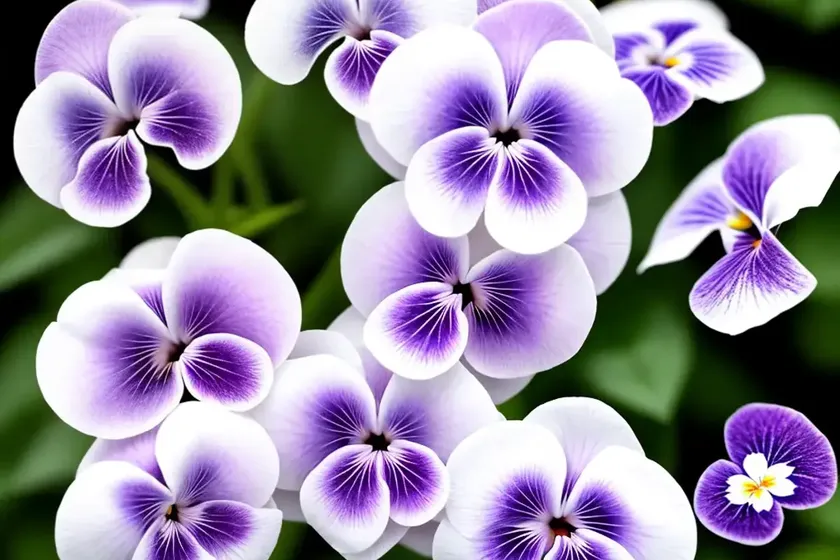
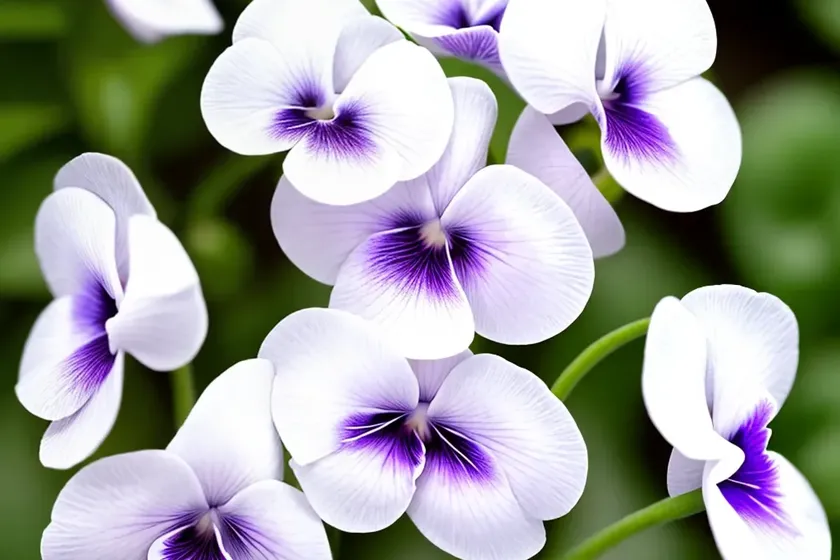
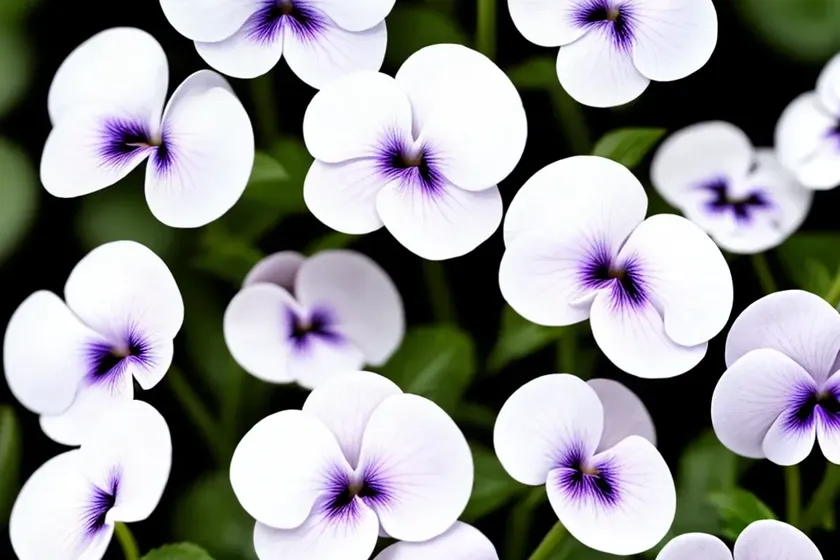
What is the White Violet (Viola Alba)?
The White Violet, scientifically known as Viola Alba, is a delicate and charming flowering plant that belongs to the Violaceae family. This species is native to Europe and is known for its elegant white flowers and delicate fragrance. The White Violet has been cherished for centuries for its ornamental value, as well as for its various traditional and medicinal uses.
In this comprehensive guide, we will delve into the various aspects of the White Violet, including its culture, uses, care requirements, symbolism, and much more. Whether you are an avid gardener, a nature enthusiast, or someone interested in the cultural and historical significance of plants, this guide will provide you with valuable insights into the captivating world of Viola Alba.
Key Takeaways – White Violet (Viola Alba)
Before we explore the intricacies of the White Violet in detail, let’s take a moment to summarize some of the key takeaways about this enchanting plant:
– Botanical Name: Viola Alba
– Common Name: White Violet
– Family: Violaceae
– Native Habitat: Europe
– Flower Color: White
– Characteristics: Delicate, Fragrant
– Cultural Significance: Symbolism, Traditional Uses
– Gardening Tips: Cultivation, Propagation, Pruning
– Medicinal Uses: Herbal Remedies, Folklore
– Wildlife Benefits: Pollinators, Habitat Conservation
– Garden Design: Landscaping, Container Gardening, Shade Gardening
Now, let’s embark on a journey to discover the allure and allure of the White Violet in all its facets.
Culture
The culture of the White Violet encompasses its historical and traditional significance, as well as its symbolic and aesthetic value in modern society.
Symbolism
Throughout history, flowers have held symbolic meanings and have been used to convey messages and emotions. The White Violet, with its pure white blossoms, has been associated with various symbolic interpretations. It is often seen as a symbol of modesty, purity, and innocence. In Victorian flower language, the white violet symbolized candor and the desire for faithfulness. Furthermore, the White Violet is also emblematic of the arrival of spring, with its delicate blooms signaling the end of winter and the renewal of nature.
Traditional and Medicinal Uses
The White Violet has a rich history of traditional uses, particularly in herbal medicine and folklore. Various parts of the plant, including the flowers and leaves, have been utilized in herbal remedies for a range of ailments. In traditional medicine, the White Violet was used to alleviate headaches, soothe respiratory issues, and even treat skin conditions. Additionally, the plant was valued for its diuretic properties and was employed to address urinary disorders.
The virtues of the White Violet are also reflected in folklore and legends. In folklore, the White Violet was often associated with love and romance, and its flowers were used to make love potions and charms.
Importance in Gardening and Landscaping
In contemporary gardening and landscaping, the White Violet holds a special place for its aesthetic appeal and versatility. Its delicate white flowers and heart-shaped leaves make it an ideal choice for woodland gardens, shade gardens, and naturalistic landscapes. The plant’s low-growing habit also makes it suitable as a ground cover, adding a touch of elegance to garden beds and borders.
Garden designers and enthusiasts have also embraced the White Violet for its ability to attract pollinators and contribute to the biodiversity of garden ecosystems. When incorporated into garden designs, the White Violet provides not only visual charm but also supports the ecological balance by providing nectar and habitat for beneficial insects.
Now that we have explored the cultural aspects of the White Violet, let’s shift our focus to its practical care and cultivation.
Uses
The uses of the White Violet encompass a wide range of applications, from ornamental and aesthetic purposes to medicinal and culinary uses. Understanding the diverse uses of this plant allows us to appreciate its significance and value in various contexts.
Ornamental Uses
One of the primary uses of the White Violet is its role as an ornamental plant. The delicate, white flowers of Viola Alba add a touch of elegance to gardens, landscapes, and floral arrangements. Its graceful appearance and subtle fragrance make it a beloved choice for adding charm and allure to outdoor and indoor spaces.
White Violet varieties are often integrated into mixed borders, woodland gardens, and shaded areas to create enchanting displays of white blooms amidst lush greenery. Additionally, the plant’s suitability for container gardening makes it an attractive option for patio gardens and balcony displays.
Medicinal and Culinary Uses
Beyond its ornamental appeal, the White Violet has been valued for its medicinal and culinary properties. In herbal medicine, the plant has been used to prepare teas, tinctures, and extracts for various therapeutic purposes. The flowers and leaves of the White Violet contain beneficial compounds that have been traditionally employed to alleviate respiratory discomfort, ease digestive issues, and promote overall well-being.
The culinary uses of the White Violet are rooted in its edible flowers and leaves, which can be utilized to infuse beverages, create herbal syrups, and enhance culinary creations. The delicate flavor and subtle aroma of the White Violet make it a delightful addition to salads, desserts, and beverages, adding a touch of floral elegance to the dining experience.
Understanding the diverse uses of the White Violet enables us to appreciate its multifaceted nature and the ways in which it enriches our lives through its beauty, fragrance, and therapeutic potential.
Care Requirements
Proper care is essential for nurturing the health and vitality of the White Violet. From water and sunlight to soil and pruning, each aspect of care plays a crucial role in ensuring the well-being of this graceful plant.
Water
The White Violet thrives in moist, well-draining soil, and it is important to maintain consistent moisture levels to support its growth and flowering. When watering the plant, aim to keep the soil evenly moist, but not waterlogged. During periods of active growth and flowering, regular watering is essential to prevent the soil from drying out.
To facilitate proper watering, consider using a mulch layer around the base of the plant to help retain soil moisture and reduce evaporation. Mulching also provides insulation to the roots, protecting them from temperature fluctuations and excessive moisture loss.
Sunlight
While the White Violet appreciates moist soil, it also prefers dappled or partial shade conditions for optimal growth. As a woodland plant, it naturally thrives in shaded settings with filtered sunlight. When selecting a site for planting or positioning potted White Violets, ensure that they receive adequate shade throughout the day, especially during the intense midday sun.
For indoor cultivation, placing the plant near east or north-facing windows can provide the ideal light conditions, where it can benefit from gentle morning or indirect light. Pay attention to any signs of leaf scorch or wilting, as these may indicate that the plant is receiving too much direct sunlight.
Fertilizer
Appropriate fertilization can greatly enhance the vigor and blooming capacity of the White Violet. As a general guideline, use a balanced, organic fertilizer at half-strength during the growing season to provide essential nutrients to the plant. An organic, slow-release fertilizer formulated for flowering plants can help sustain the White Violet’s growth and promote abundant blooms.
When applying fertilizer, it is crucial to follow the manufacturer’s instructions and avoid over-fertilization, which can lead to excessive vegetative growth at the expense of flowering. Keep in mind that the White Violet, when grown in naturalistic settings, benefits from the nutrient recycling and organic matter provided by a thriving garden ecosystem.
Soil
The White Violet thrives in rich, humus-rich soil that offers good moisture retention and aeration. A well-amended, loamy soil with a slightly acidic to neutral pH is ideal for supporting the plant’s growth and flowering. When preparing the planting site or potting mix for White Violets, consider incorporating organic matter such as compost, leaf mold, or well-rotted manure to enhance soil fertility and structure.
Avoid heavy, water-logged soils or excessively compacted substrates, as these can impede root development and lead to moisture-related issues. Furthermore, ensure proper drainage to prevent the accumulation of excess water around the root zone, which can cause root rot and other detrimental conditions.
Pruning
Pruning plays a vital role in maintaining the health and aesthetics of the White Violet. Regular pruning helps to remove spent blossoms, control the plant’s size, and rejuvenate its growth. When the flowers finish blooming, promptly deadhead the spent blooms to encourage the production of new flowers and prevent the plant from expending energy on seed production.
During the growing season, inspect the plant for any damaged, diseased, or overcrowded stems and foliage, and trim them back to promote air circulation and reduce the risk of pest and disease infestations. Additionally, consider gently shaping the plant to maintain a compact, tidy appearance, especially in container-grown specimens.
Propagation
Propagating the White Violet allows for the expansion of its presence in gardens and provides an opportunity to share its beauty with others. The plant can be propagated through various methods, including division, seed sowing, and stem cuttings.
Propagation from Seeds:
– Collect mature seeds from the plant’s pods after they have ripened and turned brown.
– Sow the seeds in a well-prepared seed-starting mix, pressing them lightly into the soil surface.
– Maintain consistent moisture and provide indirect light to facilitate germination.
– Once the seedlings have developed several true leaves, carefully transplant them into individual containers or garden beds.
Propagation from Division:
– In late summer or early fall, lift established White Violet clumps, taking care to preserve the root system.
– Use a sharp, sterilized knife to divide the clumps into separate sections, ensuring that each division has healthy roots and foliage.
– Replant the divisions in suitable locations or containers, and provide them with the same care and attention as established plants.
Propagation from Stem Cuttings:
– Select healthy, non-flowering stems from the parent plant for propagation.
– Cut the stems into sections, each containing several nodes, and remove the lower leaves to expose the nodes.
– Insert the cuttings into a moist, well-draining propagating mix, and maintain high humidity to encourage root formation.
– Once the cuttings have developed roots, transplant them into individual pots or suitable growing sites.
Successful propagation methods allow gardeners and enthusiasts to expand the presence of the White Violet and perpetuate its beauty in a variety of settings, from home gardens to public landscapes.
Container Popularity
The White Violet’s suitability for container gardening has heightened its popularity among gardeners seeking to incorporate its elegance into compact urban spaces or outdoor living areas. Cultivating Viola Alba in containers offers several advantages, including:
– Space Efficiency: Compact growth habit makes it well-suited for small containers and vertical gardening.
– Flexibility: Containers allow for easy relocation to ideal light conditions and protection from adverse weather.
– Aesthetic Appeal: White Violets in containers add a touch of charm to patios, balconies, and other outdoor settings.
– Seasonal Displays: Containers provide an opportunity for creative arrangements and seasonal displays, enhancing the plant’s ornamental value.
When selecting containers for White Violets, opt for well-draining pots with adequate drainage holes to prevent waterlogging. Use a high-quality, well-aerated potting mix designed for flowering plants to ensure optimal root health and growth. Additionally, consider complementary companion plants or foliage to create visually appealing container combinations that showcase the White Violet’s delicate beauty.
Common Diseases
Though the White Violet is generally robust and resilient, it is susceptible to certain diseases and health issues that can affect its growth and flowering. Understanding common diseases and their symptoms is essential for implementing preventive measures and timely interventions to maintain the plant’s health.
Disease Diagnosis
Some of the common diseases that may impact the health of White Violets include:
– Powdery Mildew: Characterized by white, powdery spots on the leaves, powdery mildew can affect the plant’s overall vigor and aesthetics.
– Leaf Spot: Dark, irregular spots or lesions on the leaves may indicate the presence of fungal leaf spot diseases, which can lead to defoliation and reduced vitality.
– Crown Rot: Excessive soil moisture and poor drainage can contribute to crown rot, which manifests as wilting, yellowing, and eventual collapse of the plant.
– Botrytis Blight: Also known as gray mold, botrytis blight can cause the flowers and foliage to develop fuzzy, gray mold, leading to decay and deterioration.
Prompt identification of disease symptoms is crucial for implementing effective management strategies. Upon observing any signs of disease, take the following steps to address the issue:
– Isolate Affected Plants: If a plant is diagnosed with a disease, isolate it from other susceptible plants to prevent the spread of the pathogen.
– Sanitation: Remove and dispose of any infected plant material, including leaves, stems, and flowers, to prevent the recurrence and spread of the disease.
– Fungicidal Treatments: In severe cases, consider applying appropriate fungicidal sprays or treatments as per the manufacturer’s recommendations. Organic and botanical fungicides can offer effective disease control while minimizing environmental impact.
Closely monitoring the plant for any signs of disease and implementing proactive measures are essential for maintaining the health and beauty of the White Violet.
Common Pests
In addition to diseases, White Violets may also be targeted by various pests that can compromise their well-being. Familiarizing oneself with common pests and their control methods is crucial for safeguarding the plant against potential infestations.
Pest Identification
Some of the common pests that may pose a threat to White Violets include:
– Aphids: These small, pear-shaped insects feed on plant sap and can cause leaf distortion and stunted growth.
– Spider Mites: Tiny arachnids that can infest the undersides of leaves, spider mites cause stippling, webbing, and decline in plant vigor.
– Slugs and Snails: These mollusks are attracted to the tender foliage of the White Violet, causing unsightly damage through leaf-chewing and feeding.
– Whiteflies: Whiteflies are small, flying insects that congregate on the undersides of leaves, sapping the plant’s energy and causing yellowing and wilting.
Integrated Pest Management
Implementing an integrated approach to pest management is essential for effectively controlling and preventing pest infestations. Some strategies for managing pests on White Violets include:
– Cultural Practices: Encourage natural predators and beneficial insects, such as ladybugs and lacewings, which feed on common pests like aphids and whiteflies.
– Mechanical Control: Handpick larger pests like slugs and snails, or use physical barriers such as copper tape to protect the plant from these voracious feeders.
– Horticultural Oils: Apply horticultural oils or insecticidal soaps to target soft-bodied pests like aphids, spider mites, and whiteflies, suffocating and eliminating them without harming beneficial insects.
– Biological Controls: Consider the release of biological control agents, such as predatory nematodes or beneficial fungi, to combat soil-dwelling pests and reduce population levels.
By employing an integrated approach that combines preventive measures, monitoring, and targeted interventions, gardeners can effectively manage common pests and protect the health and beauty of the White Violet.
Botanist’s Tips
As a plant scientist and enthusiast, I would like to share some valuable tips and recommendations for cultivating and appreciating the White Violet:
- Cultural Significance: Learn about the historical and cultural significance of the White Violet to gain a deeper appreciation of its symbolism and traditional uses.
- Naturalistic Planting: Incorporate White Violets into naturalistic or woodland garden settings to create enchanting displays and attract beneficial wildlife.
- Medicinal Exploration: Explore the potential medicinal and culinary uses of White Violets, and consider incorporating them into herbal remedies and culinary creations.
- Pollinator Friendly: Embrace the plant for its role in supporting pollinators and beneficial insects, contributing to the ecological balance in your garden.
- Container Creativity: Experiment with creative container displays featuring White Violets, and explore companion planting options to enhance visual appeal.
- Conservation Efforts: Support native plant conservation and habitat restoration initiatives to protect and preserve the natural habitats of White Violets and other indigenous species.
By embracing these tips and insights, you can cultivate a deeper connection with the White Violet and gain a greater understanding of its significance in horticulture, ecology, and cultural heritage.
Fun Facts
To add a touch of fascination and intrigue to our exploration of the White Violet, here are some delightful fun facts about Viola Alba:
- Folklore and Legends: In folklore, the White Violet was associated with various legends and myths, often symbolizing love, purity, and enchantment.
- Wildlife Benefits: The flowers of White Violets serve as a valuable nectar source for butterflies and solitary bees, contributing to the biodiversity of garden ecosystems.
- Literary Significance: White Violets have frequently appeared in literature and poetry, symbolizing emotions such as innocence, humility, and renewal.
- Herbal Heritage: Viola Alba has a long-standing heritage in herbal medicine and has been utilized for centuries to address a spectrum of health concerns.
- Natural Dyes: The blossoms of the White Violet have historically been used to create natural dyes, producing delicate shades of white and pale yellow for fabrics and textiles.
By embracing these fun facts, you can deepen your appreciation for the captivating charm and multifaceted nature of the White Violet.
Links to External Resources
To further enrich your understanding of the White Violet and explore additional insights, resources, and plant-related content, consider exploring the following links:
- Royal Horticultural Society: Viola Alba Plant Profile
- American Violet Society: White Violet Varieties and Cultivation Guidelines
- Botanical.com: Medicinal Uses of White Violets
- National Wildlife Federation: Pollinator-Friendly Gardening Techniques
- The Language of Flowers: Symbolism of White Violets in Literature
- University Extension Services: Common Diseases and Pests of Viola Alba
- Native Plant Conservation Organizations: Habitat Preservation and Restoration Efforts
These resources offer a wealth of knowledge, inspiration, and practical guidance for exploring the world of Viola Alba and enhancing your botanical journey.
In conclusion, the White Violet (Viola Alba) stands as a captivating symbol of purity, resilience, and natural elegance. From its cultural symbolism and ornamental allure to its medicinal and ecological contributions, the White Violet continues to enchant and inspire enthusiasts of gardening, natural history, and traditional wisdom. By appreciating the nuances of its care, uses, and significance, we can establish a deeper connection with the enchanting world of Viola Alba and celebrate its enduring beauty.
The allure of the White Violet is not limited to its graceful blooms or delicate fragrance – it encompasses a tapestry of cultural, historical, and ecological threads that weave a rich and enduring story of botanical significance. As we tend to the care of Vi


