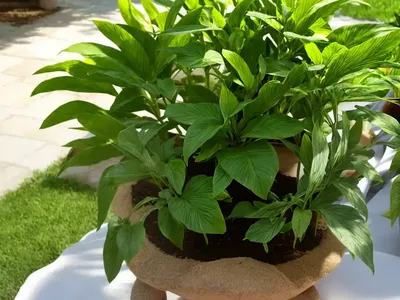
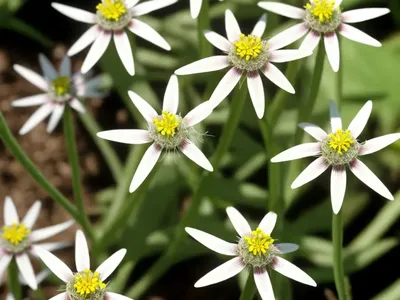
White Lace Flower (Orlaya Grandiflora)
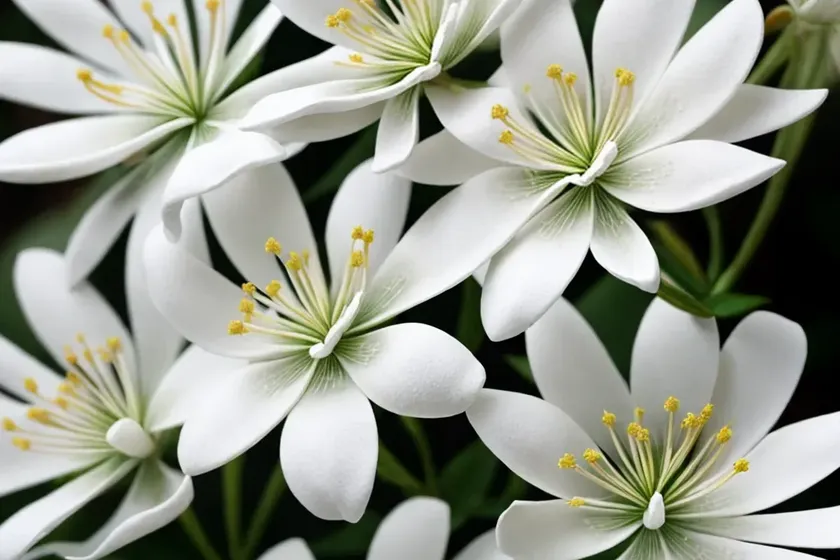
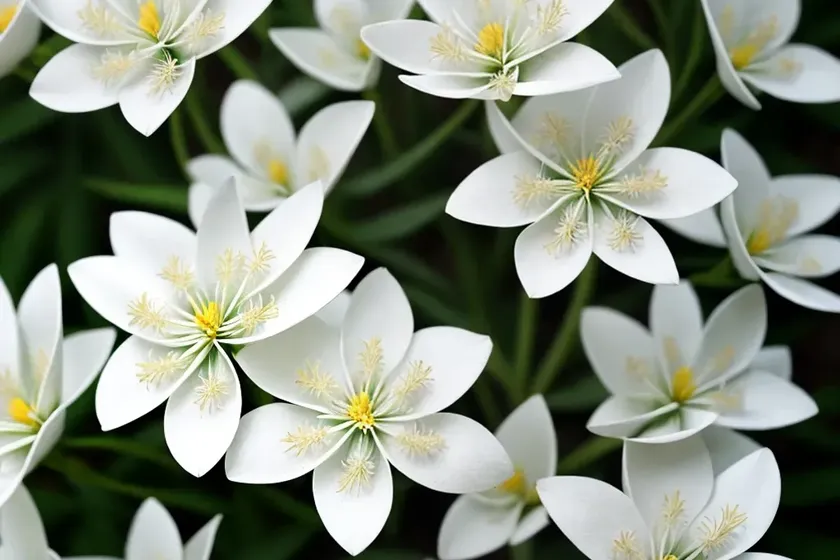
White Lace Flower (Orlaya grandiflora) is a delicate and elegant flowering plant known for its lacy white blooms, making it a popular choice for gardens.
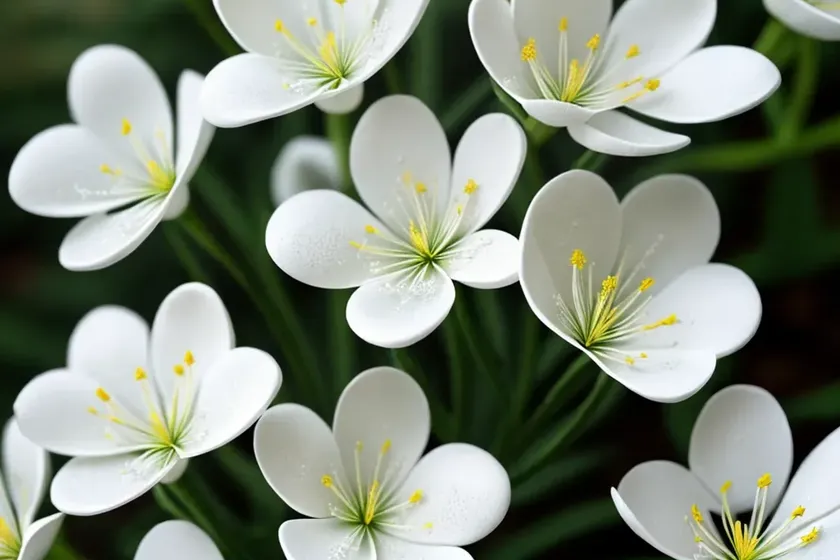
What is White Lace Flower (Orlaya grandiflora)?
White Lace Flower (Orlaya grandiflora) is a delicate and elegant flowering plant known for its lacy white blooms, making it a popular choice for gardens and landscapes. This plant belongs to the Apiaceae family and is native to the Mediterranean region, where it thrives in the wild and adds a touch of beauty to its natural habitat.
Also referred to simply as Orlaya grandiflora, the White Lace Flower is valued for its unique and intricate floral structure, which lends an air of sophistication to any garden setting. As plant enthusiasts and horticulturalists, it’s essential to delve into the comprehensive care and cultivation aspects of this stunning plant to harness its full potential in landscaping and gardening endeavors.
In this detailed guide, we will explore the key aspects of White Lace Flower (Orlaya grandiflora), including its culture, growth requirements, uses, propagation, common diseases, and more. By the end of this comprehensive analysis, you will possess a thorough understanding of how to nurture, maintain, and appreciate the remarkable characteristics of the White Lace Flower.
Key Takeaways – White Lace Flower (Orlaya grandiflora)
Culture
The culture of Orlaya grandiflora is rooted in its graceful appearance and its adaptability to various growing conditions. Understanding its specific cultural requirements is pivotal to successful cultivation and maintenance. Let’s explore the key cultural aspects of the White Lace Flower:
- Scientific Name: Orlaya grandiflora
- Common Name: White Lace Flower
- Family: Apiaceae
- Origin: Mediterranean region
- Blooming Season: Typically blooms from late spring to early summer
- Growth Habit: Herbaceous annual or biennial
- Fragrance: Delicately scented, adding a subtle allure to gardens
- Historical Significance: Minimal historical references available; primarily valued for ornamental purposes
Understanding the cultural underpinnings of the White Lace Flower lays the groundwork for effectively nurturing and appreciating this botanical gem.
Uses
The White Lace Flower is primarily cultivated for ornamental purposes, appreciated for its exquisite blooms and dainty foliage. Its utilization in gardens, landscapes, and floral arrangements underscores its visual appeal and contribution to aesthetic endeavors.
Water
Adequate water is crucial for the optimal growth and development of Orlaya grandiflora. An understanding of its water requirements, including irrigation practices and moisture needs, is vital for maintaining its health and vigor throughout its growth cycle.
Sunlight
The sunlight needs of the White Lace Flower play a pivotal role in its overall performance and blooming capacity. Understanding its light requirements enables gardeners to provide the ideal growing environment for this enchanting plant.
Fertilizer
Fertilization is an integral aspect of promoting healthy growth and robust blooms in Orlaya grandiflora. Tailoring fertilizer applications to suit its specific nutritional needs is essential for maximizing its ornamental value.
Soil
The soil requirements of the White Lace Flower encompass factors such as soil composition, drainage, and pH levels. Optimizing these parameters ensures an ideal growing medium for sustained growth and vitality.
Pruning
Effective pruning techniques contribute to the maintenance of the White Lace Flower’s form and overall health, enriching its visual appeal and structural integrity in garden settings.
Propagation
Understanding the various methods of propagating Orlaya grandiflora, such as seed propagation or division, enables plant enthusiasts to expand their collection and share the beauty of this plant with others.
Container Popularity
The White Lace Flower’s suitability for container gardening presents an opportunity to adorn outdoor living spaces and patios with its captivating blooms and delicate foliage.
Common Diseases
Identifying and addressing common diseases that may afflict the White Lace Flower is crucial for safeguarding its well-being and preserving its ornamental value.
Disease Diagnosis
Accurate diagnosis of diseases affecting Orlaya grandiflora facilitates the implementation of targeted management strategies to mitigate potential damage and promote recovery.
Common Pests
Recognizing common pests that may target the White Lace Flower empowers gardeners to implement preventive measures and interventions to protect this plant from infestations.
Botanist’s Tips
Insights from botanists and plant experts can offer valuable guidance on nurturing and appreciating the unique botanical features and characteristics of the White Lace Flower.
Fun Facts
Discovering intriguing and noteworthy facts about the White Lace Flower adds depth and fascination to the experience of cultivating and admiring this captivating plant.
Links to External Resources
Exploring reputable external resources can augment the knowledge and understanding of White Lace Flower care and cultivation, offering valuable insights and perspectives from seasoned horticulturalists and experts.
Now, let’s delve into each of these aspects in greater detail to gain a comprehensive understanding of the White Lace Flower (Orlaya grandiflora) and its cultivation requirements.
White Lace Flower (Orlaya grandiflora) Care and Cultivation
Caring for White Lace Flower (Orlaya grandiflora) encompasses an array of considerations, from its cultural requirements to disease management and propagation methods. Each of these facets plays a pivotal role in ensuring the health, vitality, and ornamental value of this enchanting plant. Let’s explore the nuances of White Lace Flower care and cultivation to gain a holistic perspective on nurturing this botanical gem.
Water
Watering plays a crucial role in sustaining the health and vigor of Orlaya grandiflora, as it influences essential physiological processes and overall growth performance. Understanding the specific water needs of the White Lace Flower is essential for maintaining optimal soil moisture and promoting robust blooming. The following guidelines outline the key considerations for watering White Lace Flower:
-
Regular Moisture: While White Lace Flower is adaptable to varying moisture levels, it thrives in consistently moist soil. Adequate irrigation is essential, particularly during periods of dryness or drought, to sustain its growth and blooming capacity.
-
Avoid Waterlogging: While moisture is essential, waterlogging can be detrimental to the health of Orlaya grandiflora. Ensuring well-draining soil and proper irrigation practices prevents waterlogged conditions that may lead to root rot and other water-related issues.
-
Foliage Protection: When watering, it is advisable to direct water at the base of the plant to minimize moisture contact with the foliage. This practice reduces the risk of fungal diseases and promotes overall plant health.
Sunlight
Sunlight is a fundamental factor influencing the growth, blooming, and overall performance of the White Lace Flower. Understanding its sunlight requirements enables gardeners to position and cultivate this plant in optimal light conditions, ensuring its vitality and ornamental value. Here are the key considerations for providing suitable sunlight to Orlaya grandiflora:
-
Partial to Full Sun: White Lace Flower thrives in partial to full sun conditions, where it receives at least 4-6 hours of direct sunlight daily. Planting it in a location with adequate sunlight promotes strong, healthy growth and profuse blooming.
-
Morning Sun Preference: Ideally, Orlaya grandiflora benefits from exposure to morning sunlight, which is gentler and less intense than afternoon sun. This preference contributes to its overall well-being and blooming capacity.
-
Balanced Sunlight: While sunlight is essential, excessive heat and prolonged exposure to intense sunlight can stress the plant. Finding a balance between adequate sunlight and protection from extreme heat fosters optimal growth and floral display.
Fertilizer
Fertilization is integral to sustaining the health, vigor, and blooming potential of Orlaya grandiflora. By providing essential nutrients through appropriate fertilization practices, gardeners can bolster the ornamental value and vitality of the White Lace Flower. Consider the following guidelines for fertilizing White Lace Flower:
-
Balanced Fertilizer: Utilize a balanced, water-soluble fertilizer with a formulation such as 10-10-10 or 20-20-20. This provides a comprehensive range of essential nutrients, promoting healthy growth and robust blooming.
-
Frequency of Application: Apply fertilizer to White Lace Flower every 4-6 weeks during the growing season, starting in early spring. This regular supplementation sustains the plant’s nutritional requirements and supports its blooming cycle.
-
Dilution and Application: Dilute the fertilizer according to the manufacturer’s instructions and apply it to the soil around the base of the plant. Avoid direct contact with the foliage to prevent the risk of leaf burn or damage.
-
Cease Fertilization: Cease fertilization in late summer or early fall to facilitate the plant’s transition into dormancy, allowing it to prepare for the seasonal changes and onset of cooler temperatures.
Soil
The soil composition and quality directly impact the growth, development, and overall health of the White Lace Flower. Optimizing soil conditions to meet the specific requirements of Orlaya grandiflora is crucial for fostering its vigor and ornamental appeal. Consider the following soil-related considerations for cultivating White Lace Flower:
-
Well-Draining Soil: Orlaya grandiflora thrives in well-draining soil that prevents waterlogging and maintains balanced moisture levels. Amending heavy clay soils with organic matter, such as compost or peat moss, enhances drainage and promotes aeration.
-
Neutral to Slightly Alkaline pH: White Lace Flower prefers soil with a neutral to slightly alkaline pH range of 6.0-7.5. Conducting a soil pH test and adjusting acidity levels, if necessary, creates an optimal growing medium for this plant.
-
Organic Enrichment: Incorporating organic matter, such as compost or well-rotted manure, enhances soil fertility and structure, providing essential nutrients and fostering a conducive environment for White Lace Flower’s growth.
Pruning
Pruning serves as a fundamental practice for maintaining the form, structure, and overall health of Orlaya grandiflora. By implementing appropriate pruning techniques, gardeners can enhance the ornamental value and longevity of the White Lace Flower. Consider the following guidelines for pruning White Lace Flower:
-
Deadheading Spent Blooms: Regular deadheading promotes continued blooming and prevents the formation of seeds, redirecting the plant’s energy toward producing new blooms.
-
Trimming Leggy Growth: If the plant displays excessive elongation or leggy growth, selectively trimming back the stems promotes a more compact and bushy form, improving its overall appearance.
-
Seasonal Pruning: In late fall or early winter, consider pruning back the entire plant to ground level if it is grown as an annual. For biennial cultivation, periodic pruning may be necessary to maintain an attractive form and stimulate new growth.
Propagation
Expanding the presence of White Lace Flower in gardens and landscapes can be achieved through effective propagation methods. Understanding the various techniques for propagating Orlaya grandiflora empowers plant enthusiasts to propagate new plants and share the beauty of this species with others. Consider the following propagation methods for White Lace Flower:
-
Seed Propagation: Collect mature seeds from the plant and sow them in well-prepared seed-starting trays or directly in the garden soil. Ensure proper germination conditions, including consistent moisture and suitable temperatures, to facilitate successful seedling establishment.
-
Division: For established plants, division involves carefully splitting the root system and plant clumps into separate sections. Each divided portion can then be replanted to establish new White Lace Flower specimens.
-
Softwood Cuttings: Propagation via softwood cuttings can be attempted by selecting healthy, non-flowering stems and rooting them in a suitable growing medium, such as a mix of peat and perlite or in a propagation tray with a rooting hormone.
By mastering the art of propagation, plant enthusiasts can actively contribute to the proliferation of White Lace Flower and further enhance its presence in gardening and landscape design.
Container Popularity
The White Lace Flower’s suitability for container gardening presents an exciting avenue for introducing its delicate beauty to outdoor living spaces, patios, and smaller garden settings. Cultivating Orlaya grandiflora in containers allows for creative expression and versatile placement, enriching the visual appeal of these confined growing spaces. Consider the following insights into White Lace Flower container gardening:
-
Container Selection: Choose a well-draining container with adequate drainage holes to prevent waterlogging and promote healthy root development. Additionally, selecting a container that complements the plant’s aesthetic qualities adds to its overall visual impact.
-
Growing Medium: Utilize a high-quality, well-draining potting mix to provide an optimal growing medium for White Lace Flower. Amending the mix with perlite or coarse sand enhances drainage and aeration, fostering a conducive environment for root growth.
-
Placement Considerations: Position the container in a location that receives adequate sunlight, typically in a spot that offers partial to full sun exposure. Additionally, considering the aesthetic and design elements enhances the overall visual appeal of the container garden.
-
Maintenance Practices: Carefully monitor the moisture levels in the container, ensuring that the soil remains consistently moist without becoming waterlogged. Regularly fertilize the plant as per the recommended guidelines to support its growth and blooming potential.
Exploring the realm of container gardening with White Lace Flower provides an avenue for creativity and artistic expression, further amplifying the allure of this elegant plant.
Common Diseases
White Lace Flower, like many ornamental plants, may be susceptible to certain diseases that can compromise its health and vitality. Recognizing the symptoms and understanding the management strategies for common diseases is essential for preserving the pristine beauty of Orlaya grandiflora. Let’s explore some common diseases that may affect White Lace Flower:
-
Powdery Mildew: A fungal disease characterized by the development of a powdery, white substance on the foliage. To manage powdery mildew, employ cultural practices such as adequate air circulation, regular monitoring, and targeted fungicidal treatments if necessary.
-
Leaf Spot: Leaf spot diseases may manifest as dark lesions on the foliage, potentially compromising the plant’s overall vigor. Implementing proper sanitation, such as removing and disposing of affected plant material, helps curb the spread of leaf spot pathogens.
-
Root Rot: Excessive moisture or waterlogged conditions can lead to the development of root rot, posing a threat to the plant’s root system. Maintaining well-draining soil and practicing moderate irrigation aids in preventing the onset of root rot.
Disease Diagnosis
Accurate diagnosis of diseases affecting the White Lace Flower is instrumental in implementing targeted management and control measures to mitigate potential damage. Understanding the symptoms and signs of common diseases facilitates prompt intervention and effective disease management strategies to safeguard the plant’s health.
Common Pests
Pest infestations can pose a significant threat to the health and ornamental value of Orlaya grandiflora. By recognizing common pests that may target the White Lace Flower, gardeners can adopt preventive measures and interventions to protect this plant from infestations. Consider the following common pests that may affect White Lace Flower:
-
Aphids: These small, sap-sucking insects can cluster on the foliage, causing distortion and yellowing of leaves. Employing insecticidal soaps, neem oil, or predatory insects can help manage aphid populations effectively.
-
Whiteflies: Whiteflies are tiny, white, moth-like insects that congregate on the undersides of leaves and may lead to yellowing and weakening of the plant. Utilizing reflective mulches, yellow sticky traps, or insecticidal treatments aids in controlling whitefly infestations.
-
Spider Mites: These minuscule pests thrive in hot, dry conditions and cause stippling and webbing on the foliage. Regularly misting the plant, maintaining adequate humidity, and employing horticultural oils or insecticidal soaps are effective strategies for managing spider mite populations.
By vigilantly monitoring for signs of pest infestation and implementing targeted pest control measures, gardeners can safeguard the health and vitality of the White Lace Flower.
Botanist’s Tips
Insights from botanists and plant experts offer valuable guidance on nurturing and appreciating the unique botanical features and characteristics of the White Lace Flower. These expert tips contribute to a deeper understanding of Orlaya grandiflora and enhance the overall experience of cultivating and admiring this captivating plant.
Fun Facts
Delving into intriguing and noteworthy facts about the White Lace Flower adds depth and fascination to the experience of cultivating, nurturing, and appreciating this captivating plant. Discovering the hidden nuances and unique aspects of Orlaya grandiflora contributes to a richer appreciation of its ornamental value and botanical allure.
Links to External Resources
Exploring reputable external resources provides additional insights and perspectives on White Lace Flower care, cultivation, and related topics. Accessing reliable and authoritative resources enriches the understanding of Orlaya grandiflora, offering valuable guidance from seasoned horticulturalists and plant experts.
The comprehensive understanding of White Lace Flower (Orlaya grandiflora) and its cultivation requirements equips plant enthusiasts with the knowledge and insights necessary to nurture, maintain, and appreciate the remarkable characteristics of this botanical gem. By incorporating the key considerations outlined in this guide, enthusiasts can embark on the journey of cultivating and admiring the delicate beauty of the White Lace Flower, contributing to the vibrant tapestry of garden landscapes and ornamental horticulture.
- Royal Horticultural Society. (n.d.). Orlaya grandiflora. https://www.rhs.org.uk/Plants/143452/i-Orlaya-grandiflora-i/Details
- University of Florida IFAS Extension. (2021). Orlaya grandiflora, White Lace Flower. https://gardeningsolutions.ifas.ufl.edu/plants/ornamentals/orlaya-grandiflora.html
- Missouri Botanical Garden. (n.d.). Orlaya grandiflora. https://www.missouribotanicalgarden.org/PlantFinder/PlantFinderDetails.aspx?taxonid=275587
- The Royal Parks. (n.d.). Orlaya grandiflora. https://www.royalparks.org.uk/parks/the-regents-park/things-to-see-and-do/gardens-and-landscapes/floral-displays/plant-information/orlaya-grandiflora
Note: The information provided in this guide serves as a comprehensive resource for understanding and cultivating White Lace Flower (Orlaya grandiflora) and is intended for informational purposes. For specific cultivation advice and plant care recommendations, it is advisable to consult with local gardening experts and horticultural specialists.