White Ginger (Hedychium Coronarium)
Hedychium coronarium, commonly known as White Ginger, is a striking and aromatic flowering plant. Indigenous to the Himalayas and widely cultivated in.
White Ginger (Hedychium coronarium): A Comprehensive Guide
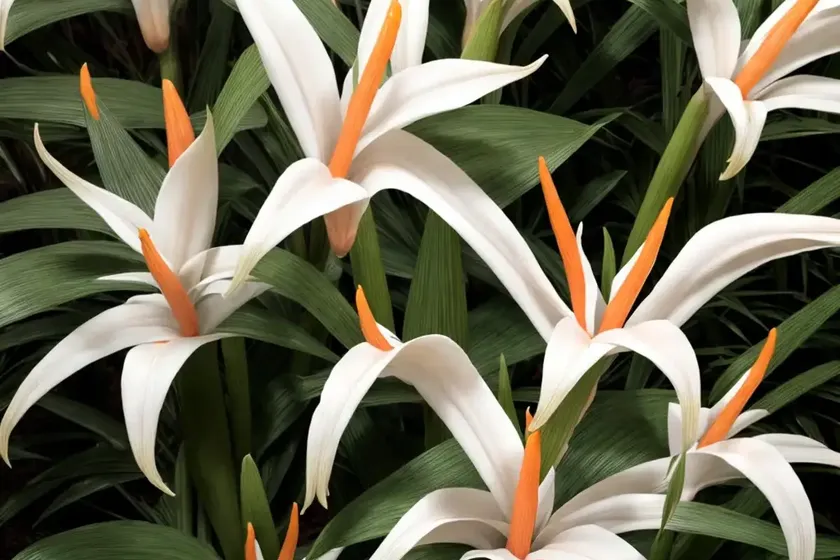
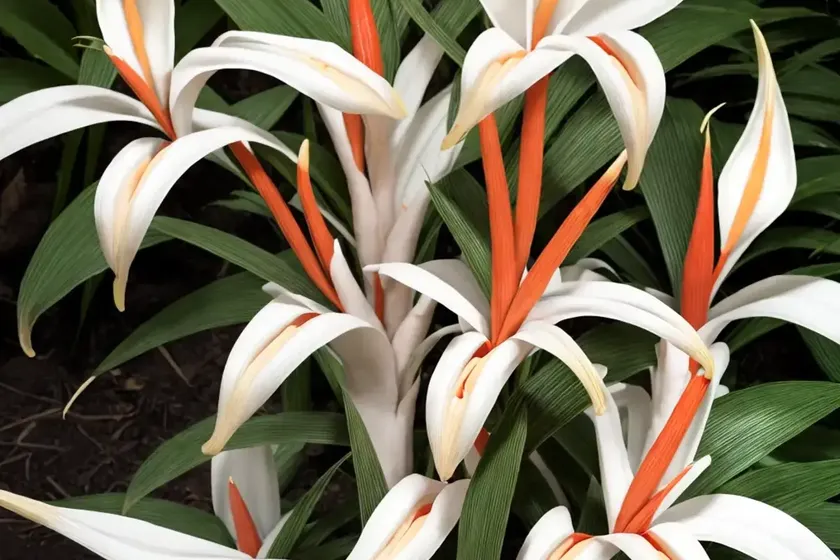
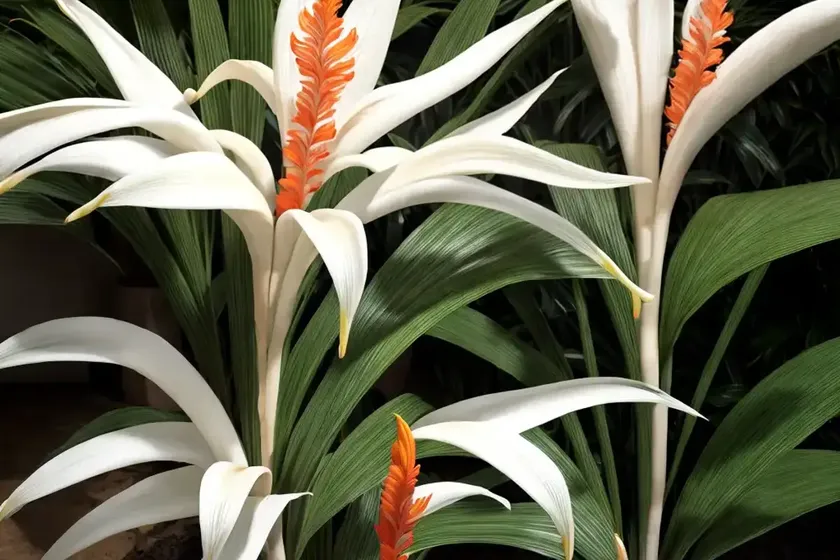
Hedychium coronarium, commonly known as White Ginger, is a striking and aromatic flowering plant. Indigenous to the Himalayas and widely cultivated in tropical and subtropical regions, this plant species has captured the fascination of botanists, gardeners, and enthusiasts alike. In this comprehensive guide, we will delve into every aspect of White Ginger, including its cultivation, uses, maintenance, and much more.
What is White Ginger (Hedychium coronarium)?
Hedychium coronarium, a member of the Zingiberaceae family, is a perennial rhizomatous plant renowned for its clusters of fragrant white flowers. With its tall, elegant stalks and lush green foliage, this plant adds an exotic and captivating appeal to gardens, landscapes, and indoor spaces. Let’s explore the key characteristics and growing requirements of this delightful plant.
Key Takeaways – White Ginger (Hedychium coronarium)
- Scientific Name: Hedychium coronarium
- Common Name: White Ginger
- Family: Zingiberaceae
- Native Habitat: The Himalayas
- Plant Type: Perennial rhizomatous plant
- Flower Color: White clusters of fragrant flowers
- Foliage: Lush green, tropical foliage
- Fragrance: Strong and pleasant aroma
- Cultural Uses: Ornamental, medicinal, culinary
- Growth Habit: Tall, elegant stalks
- Sunlight: Prefers partial shade
- Water: Moderate and consistent watering
- Soil Type: Rich, well-draining soil
- USDA Hardiness Zones: 8 – 11
Cultivation
Cultivating White Ginger requires a fundamental understanding of its growing conditions, cultural requirements, and propagation methods. Let’s explore how to nurture this plant for optimal growth and vibrant blooms.
Planting Instructions
Before diving into the specifics of White Ginger care, it’s crucial to understand the appropriate planting instructions to establish a robust and healthy foundation for the plant.
Planting Guidelines for White Ginger (Hedychium coronarium)
| Aspect | Instructions |
|---|---|
| Location | Select a partially shaded location to protect the plant from intense sunlight and heat. |
| Soil Type | Choose a well-draining, rich soil with a slightly acidic to neutral pH for optimal growth. |
| Planting Depth | Plant rhizomes approximately 2 to 3 inches deep in the soil, ensuring firm but not compact planting. |
| Spacing | Maintain a spacing of 12 to 18 inches between individual plants to allow adequate spread. |
| Watering | Provide initial watering to settle the soil and follow with regular, consistent irrigation. |
| Mulching | Apply a layer of organic mulch around the plant to retain moisture and deter weed growth. |
By adhering to these planting guidelines, one can establish White Ginger effectively and set the stage for successful growth and blooming.
Water
A sufficient and consistent water supply is critical for the healthy growth and development of White Ginger. Understanding the specific water needs of this plant is essential for sustaining its lush foliage and prolific flowering.
Water and Humidity Needs for White Ginger (Hedychium coronarium)
| Aspect | Requirements |
|---|---|
| Watering Frequency | Water the plant regularly, ensuring that the soil remains consistently moist, especially during hot, dry periods. |
| Moisture Levels | Maintain moderately moist soil, avoiding waterlogged conditions that can lead to root rot. |
| Humidity | White Ginger thrives in high humidity environments, making regular misting beneficial in drier climates. |
Understanding the specific watering and humidity needs of White Ginger is crucial in maintaining its health and promoting abundant flowering.
Sunlight
Appropriate light conditions play a pivotal role in the growth, flowering, and overall well-being of White Ginger. Understanding the plant’s light preferences is essential for creating an optimal growing environment.
Sunlight Requirements for White Ginger (Hedychium coronarium)
| Aspect | Preferences |
|---|---|
| Light Exposure | White Ginger thrives in partial shade, receiving filtered sunlight and some direct morning sunlight. Avoid prolonged exposure to intense midday sun. |
| Indoor Light | When growing indoors, position the plant in a location with bright, indirect light for sustained growth and flowering. |
By providing the appropriate sunlight conditions, one can ensure the vigorous growth and abundant flowering of White Ginger.
Fertilizer
Supplying essential nutrients through fertilization is crucial for enhancing the growth, vigor, and bloom production of White Ginger. Understanding the optimal fertilization practices is key to nurturing this exotic plant effectively.
Fertilizer Recommendations for White Ginger (Hedychium coronarium)
| Aspect | Recommendations |
|---|---|
| Fertilizer Type | Apply a balanced, slow-release fertilizer designed for flowering plants to provide essential nutrients. |
| Fertilization | Fertilize the plant every 4 to 6 weeks during the growing season, reducing frequency in the winter months. |
| Application Method | Ensure even application and incorporate the fertilizer into the soil surface, avoiding direct contact with the rhizomes. |
By following these fertilizer recommendations, one can support the robust growth and prolific flowering of White Ginger.
Soil
A suitable soil composition is instrumental in fostering the health and vitality of White Ginger. Understanding the ideal soil type and composition is crucial in promoting the plant’s growth and overall well-being.
Soil Recommendations for White Ginger (Hedychium coronarium)
| Aspect | Recommendations |
|---|---|
| Soil Type | Utilize a well-draining, rich soil with a slightly acidic to neutral pH to promote healthy root development. |
| Organic Matter | Incorporate organic matter such as compost or well-rotted manure to enhance soil fertility and structure. |
| Soil Structure | Maintain a loose, friable soil structure to facilitate root penetration and efficient moisture retention. |
| pH Levels | Aim for a slightly acidic to neutral soil pH range of 6.0 to 7.0 for optimal nutrient uptake and plant vitality. |
By selecting and preparing the right soil for White Ginger, one can create an ideal environment for its growth and blooming.
Pruning
Regular pruning is essential for maintaining the desired shape, controlling growth, and promoting prolific flowering in White Ginger. Understanding the appropriate pruning techniques is crucial for the plant’s overall health and aesthetic appeal.
Pruning Techniques for White Ginger (Hedychium coronarium)
- Deadheading: Remove spent flowers to encourage continuous blooming and maintain a tidy appearance.
- Stalk Pruning: Trim back tall or leggy stalks to promote branching and fuller growth.
- Leaf Removal: Trim yellowing or damaged leaves to enhance the plant’s aesthetic appeal and eliminate potential disease carriers.
- Rhizome Division: Periodically divide the rhizomes to rejuvenate the plant, propagate new specimens, and prevent overcrowding.
By implementing these pruning techniques, one can ensure the optimal growth, vigor, and aesthetic appeal of White Ginger.
Propagation
Propagating White Ginger enables enthusiasts to expand their plant collection, share specimens with others, and rejuvenate existing plantings. Understanding the various propagation methods is essential for successful reproduction and establishment.
Propagation Methods for White Ginger (Hedychium coronarium)
- Rhizome Division: Utilize sharp, sterilized tools to divide mature rhizomes, ensuring that each section possesses viable buds for growth.
- Seeding: Sow fresh White Ginger seeds in a well-draining soil mix and maintain warm, moist conditions for successful germination and initial growth.
- Offshoots: Encourage the development of offshoots from the base of established plants and carefully separate them for independent growth.
By employing these propagation methods, one can propagate White Ginger effectively and establish new, thriving specimens.
Uses
The versatile White Ginger serves various purposes, ranging from ornamental and aromatic to medicinal and culinary. Understanding the diverse uses of this plant offers valuable insights into its significance and potential applications.
Ornamental Use
White Ginger’s elegant appearance and captivating fragrance make it a prized addition to ornamental landscapes, gardens, and indoor spaces. Its lush foliage and prolific white blooms create a visually stunning display, enhancing the aesthetic appeal of any setting.
Aromatic Properties
The strong, pleasant aroma exuded by White Ginger’s flowers makes it a popular choice for aromatic and fragrant gardens. Whether enjoyed outdoors or as cut flowers in indoor arrangements, the captivating scent adds a delightful sensory experience.
Medicinal Applications
Certain cultures and traditional medicinal practices harness the therapeutic properties of White Ginger for various health and wellness purposes. From alleviating digestive discomfort to promoting relaxation, this plant holds potential as a natural remedy.
Culinary Potential
In certain culinary traditions, White Ginger’s rhizomes find use as a flavorful and aromatic ingredient in diverse dishes and beverages. Its unique taste adds depth and character to culinary creations, making it a sought-after addition in certain cuisines.
Landscape Enhancements
White Ginger’s striking appearance and captivating fragrance make it a favored choice for enhancing landscapes, gardens, and outdoor settings. Whether used as a focal point, border planting, or fragrant accent, it contributes to the visual and olfactory allure of the surroundings.
Common Diseases and Pests
While White Ginger is generally resilient, it is susceptible to certain diseases and pests that can impact its health and vitality. Familiarizing oneself with these potential challenges and their management is essential for preserving the plant’s well-being.
Common Diseases
- Fungal Issues: White Ginger may be vulnerable to fungal diseases such as leaf spot and rhizome rot, especially in excessively moist or poorly ventilated conditions.
- Bacterial Infections: Bacterial wilt and soft rot can affect the plant, leading to wilting, decay, and decline in overall health.
- Viral Diseases: White Ginger might be susceptible to viral infections that can manifest as stunted growth, leaf discoloration, and overall weakness.
Identifying and addressing these diseases promptly is crucial in mitigating their impact and safeguarding the plant’s health.
Pest Infestations
- Aphids: These small, sap-sucking insects can distort new growth and cause leaf yellowing, affecting the plant’s overall vigor.
- Spider Mites: Infestations by spider mites can lead to stippled, discolored foliage and a general decline in plant health.
- Caterpillars: Certain caterpillar species may feed on White Ginger foliage, causing noticeable damage and compromising the plant’s aesthetic appeal.
Implementing appropriate pest control measures and maintaining vigilant observation can help manage and minimize the impact of these common pests.
Botanist’s Tips
As devoted botanists and plant enthusiasts, we are continually discovering and sharing valuable insights and tips to assist fellow gardening and horticulture enthusiasts. Here are some exclusive tips and recommendations to elevate your White Ginger cultivation experience:
- Enhanced Humidity: In drier climates or indoor settings, place a tray with water and pebbles near the plant to increase ambient humidity.
- Mulching Benefits: Organic mulch not only retains moisture but also moderates soil temperature, providing a conducive environment for root development.
- Protecting from Frost: In cooler regions, provide protection from frost, as White Ginger is sensitive to freezing temperatures and prolonged cold spells.
- Regular Inspection: Periodically inspect the plant for signs of disease, pest activity, and nutrient deficiencies to address potential issues promptly.
- Companion Planting: Pair White Ginger with complementary plants such as ferns, palms, or other tropical specimens to create a harmonious and visually appealing landscape.
By integrating these botanist’s tips into your White Ginger care routine, you can enhance the health, vigor, and overall beauty of your plant.
Fun Facts
Discover some fascinating and intriguing facts about White Ginger that showcase its uniqueness and allure:
- Invasive Potential: Due to its vigorous growth and spreading rhizomes, White Ginger has been identified as a potential invasive species in certain regions.
- Butterfly Magnet: The fragrant blooms of White Ginger are known to attract and entice butterflies, adding a delightful touch to garden spaces.
- Cultural Significance: White Ginger holds cultural significance in various traditions and ceremonies, where it is revered for its fragrance and ornamental value.
- Tropical Treasures: Native to tropical regions, White Ginger thrives in lush, humid environments reminiscent of its original habitat in the Himalayas.
- Fragrant Essence: The captivating aroma of White Ginger is not only pleasant but also serves as a source for extracting essential oils and fragrances.
Embrace the enchantment of White Ginger with these captivating and engaging fun facts that shed light on its distinctive attributes.
Conclusion
White Ginger (Hedychium coronarium) stands as a testament to nature’s beauty and botanical diversity, captivating observers with its striking appearance, fragrant blooms, and diverse applications. As we conclude this comprehensive guide, we invite you to embrace the allure of White Ginger and embark on a journey of cultivation, admiration, and appreciation for this remarkable plant species. Whether gracing gardens, landscapes, or indoor spaces, White Ginger captivates the senses and adds a touch of elegance to any setting.
With an understanding of its cultivation, uses, maintenance requirements, and unique characteristics, you are poised to embark on an enriching and fulfilling journey with White Ginger. Engage with this remarkable plant and unlock the myriad wonders it offers, from its ornamental charm to its potential medicinal and culinary applications. Let White Ginger inspire your botanical pursuits and become a cherished component of your horticultural endeavors.
References
- Riffle, R.L. and Paul Craft. “The Tropical Look: An Encyclopedia of Dramatic Landscape Plants.” Timber Press, 2007.
- Huxley, A. “The New Royal Horticultural Society Dictionary of Gardening.” Grove’s Dictionaries, 1999.
This comprehensive guide has been prepared with a dedication to the exploration and celebration of the botanical marvel that is White Ginger (Hedychium coronarium).


