White-flowered Wild Banana (Strelitzia Alba)
Plants are an essential part of our world, providing us with oxygen, food, medicine, and beauty. The diversity of plants is vast, and each species has its.
Plants are an essential part of our world, providing us with oxygen, food, medicine, and beauty. The diversity of plants is vast, and each species has its unique characteristics and requirements for growth and development. In this comprehensive guide, we will explore the fascinating White-flowered Wild Banana (Strelitzia Alba), a plant known for its striking white flowers and unique attributes. We will delve into its culture, uses, care requirements, propagation, common diseases, and pests, alongside botanist’s tips, fun facts, and links to external resources for further exploration.
What is Strelitzia Alba?
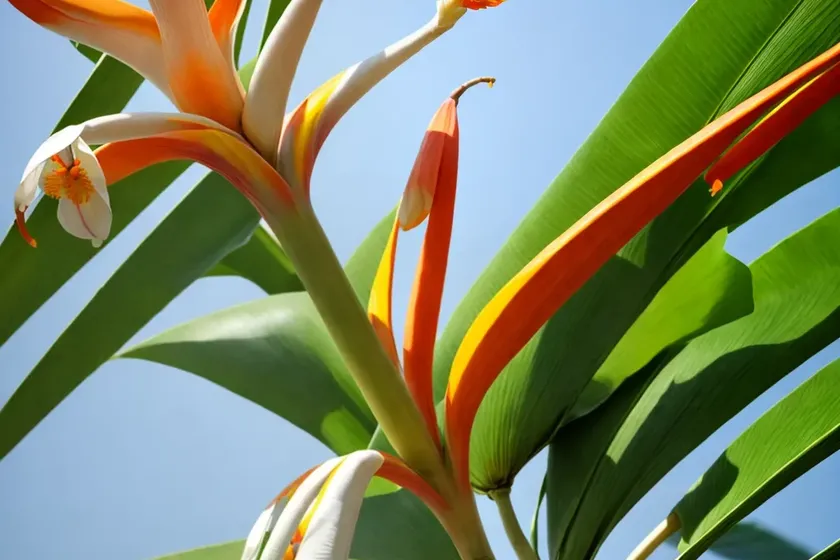
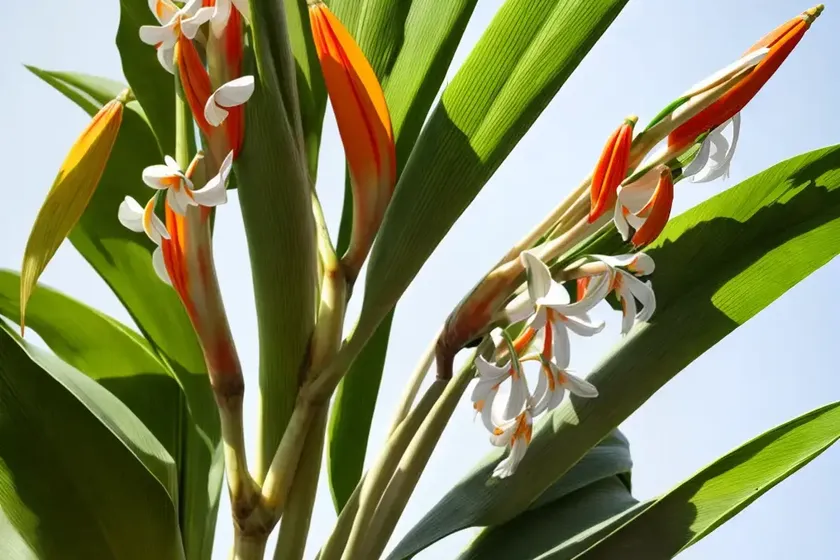
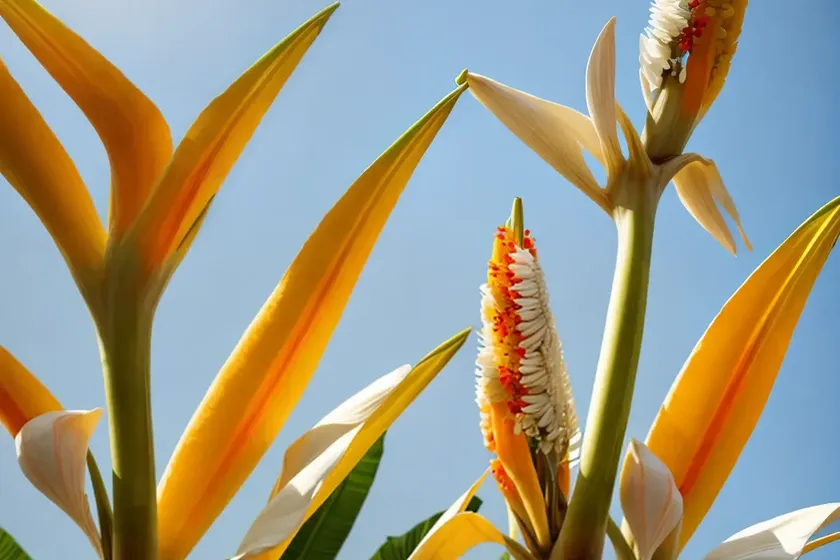
Strelitzia Alba, commonly known as the White-flowered Wild Banana, is a striking perennial plant belonging to the Strelitziaceae family. This species is renowned for its elegant white flowers, which resemble the shape of a bird in flight, lending it the charming nickname “Bird of Paradise.” Originating from the coastal forests of the Eastern Cape of South Africa, this plant has captivated plant enthusiasts and horticulturists worldwide with its exotic allure.
Key Takeaways – White-flowered Wild Banana (Strelitzia Alba)
- Scientific Name: Strelitzia Alba
- Common Name: White-flowered Wild Banana
- Family: Strelitziaceae
- Native Habitat: Eastern Cape of South Africa
- Distinct Feature: Striking white, bird-shaped flowers
- Popular Uses: Ornamental landscaping, decorative indoor plant, flower arrangement
Now, let’s delve into the various aspects of this captivating plant, from its cultural significance to its care requirements and interesting facts.
Culture
The White-flowered Wild Banana holds cultural significance in its native habitat and beyond. In South Africa, it is esteemed for its striking appearance and often serves as an emblem of exotic beauty. The plant’s unique flowers have inspired various artistic and design endeavors, making it an iconic element in the cultural landscape.
Uses
Despite its exotic origins, the White-flowered Wild Banana has found its way into diverse uses across different cultures and settings. Some of its common uses include:
- Ornamental Plant: Its striking white flowers and lush foliage make it a popular choice for ornamental landscaping and indoor decorative plant arrangements.
- Floral Decor: The sturdy and visually appealing blooms of the White-flowered Wild Banana make it a preferred choice for floral designers and decorators, adding an exotic touch to bouquets and arrangements.
- Medicinal Purposes: Some traditional cultures ascribe medicinal properties to certain parts of the plant, using them in natural remedies and traditional medicine.
Care Requirements
Caring for the White-flowered Wild Banana involves paying attention to various factors such as water, sunlight, fertilizer, soil, pruning, and propagation. A well-maintained environment ensures optimal growth and blooming of this remarkable plant.
Water
The White-flowered Wild Banana thrives in a moderately moist environment. Adequate watering is crucial, especially during its active growth period, to maintain the soil consistently damp but not waterlogged. It is essential to allow the top layer of soil to dry out between watering sessions to prevent waterlogging, which can lead to root rot.
Sunlight
As a tropical plant, the White-flowered Wild Banana thrives in bright, indirect sunlight. Positioning it near a window or in a well-lit area indoors, or in a partially shaded spot outdoors, is ideal for its growth and flowering.
Fertilizer
A balanced, slow-release fertilizer applied during the growing season can aid in the healthy development and blooming of the White-flowered Wild Banana. The application should follow the instructions on the fertilizer package to avoid over-fertilization, which can harm the plant.
Soil
The plant prefers a well-draining potting mix rich in organic matter. A mix designed for tropical plants or a homemade blend of peat, perlite, and compost can create an optimal growing medium for the White-flowered Wild Banana.
Pruning
Regular pruning is essential to maintain the health and aesthetics of the White-flowered Wild Banana. Removing dead or damaged leaves and spent flower stalks promotes new growth and flowering. Pruning also helps manage the size of the plant, making it suitable for both indoor and outdoor settings.
Propagation
Propagating the White-flowered Wild Banana can be achieved through division or seeds. The division method involves separating the plant’s offsets, ensuring that each division has viable roots. Seeds can also be sown, although they may take longer to mature into blooming plants.
Container Popularity
The White-flowered Wild Banana is a popular choice for container gardening, both indoors and outdoors. Its elegant appearance and relatively compact size make it an attractive addition to patios, balconies, and interior spaces.
Common Diseases
While generally resistant to diseases, the White-flowered Wild Banana is susceptible to certain issues that can affect its health and appearance. Some common diseases include:
- Leaf Spot: Fungal infections can cause unsightly spotting on the plant’s leaves, affecting its overall aesthetic.
- Root Rot: Overwatering or poorly draining soil can lead to root rot, potentially causing irreversible damage to the plant.
Disease Diagnosis
Diagnosing and treating plant diseases promptly is crucial to ensure the well-being of the White-flowered Wild Banana. Regular inspection of the plant for signs of discoloration, spotting, or wilting can aid in early detection and intervention.
Common Pests
The White-flowered Wild Banana may attract certain pests, including:
- Aphids: These tiny insects can congregate on the plant’s tender shoots, excreting honeydew and potentially causing damage.
- Spider Mites: Infestations by these minuscule pests can lead to stippling on the foliage and a generally unhealthy appearance.
Botanist’s Tips
- Regular Monitoring: Observing the plant regularly for changes in growth, flowering, and overall health can provide valuable insights into its care requirements and address any issues promptly.
- Optimal Drainage: Ensuring the plant is potted in a container with adequate drainage holes and using a well-draining potting mix can prevent water-related issues.
- Balanced Fertilization: Using a balanced, slow-release fertilizer helps provide the plant with essential nutrients without risking over-fertilization.
Fun Facts
- The White-flowered Wild Banana, with its bird-shaped flowers, is a favorite subject for nature-inspired artists and illustrators.
- In its native habitat, the plant plays a role in the ecosystem by providing nectar for certain birds and insects.
- The stately appearance of the White-flowered Wild Banana has made it a sought-after plant for grand botanical gardens and landscape designs.
Links to External Resources
For further exploration of the White-flowered Wild Banana and its captivating features, you may find these resources valuable:
- Royal Botanic Gardens, Kew – Strelitzia Information
- Missouri Botanical Garden – Strelitzia Alba Profile
- American Horticultural Society – Strelitzia Alba Care Guide
In conclusion, the White-flowered Wild Banana (Strelitzia Alba) stands as a captivating and versatile plant, captivating enthusiasts with its distinctive appearance and cultural significance. Understanding its cultural uses, care requirements, propagation, common diseases, and pests, along with fun facts and expert tips, can enrich the experience of cultivating and admiring this extraordinary plant.
Whether adorning a botanical garden, indoor living space, or a vibrant outdoor landscape, the White-flowered Wild Banana continues to captivate hearts with its elegant allure and enduring symbolism.
Note: The information provided in this guide is intended for general educational purposes and does not serve as professional botanical or medical advice. For specific guidance related to the cultivation and maintenance of plants, individuals should seek advice from horticultural or botanical experts.


