White Evening-primrose (Oenothera Speciosa)
White evening-primrose, scientifically known as Oenothera speciosa, is a stunning perennial plant that belongs to the Onagraceae family. This species is.
What is White Evening-Primrose (Oenothera Speciosa)?
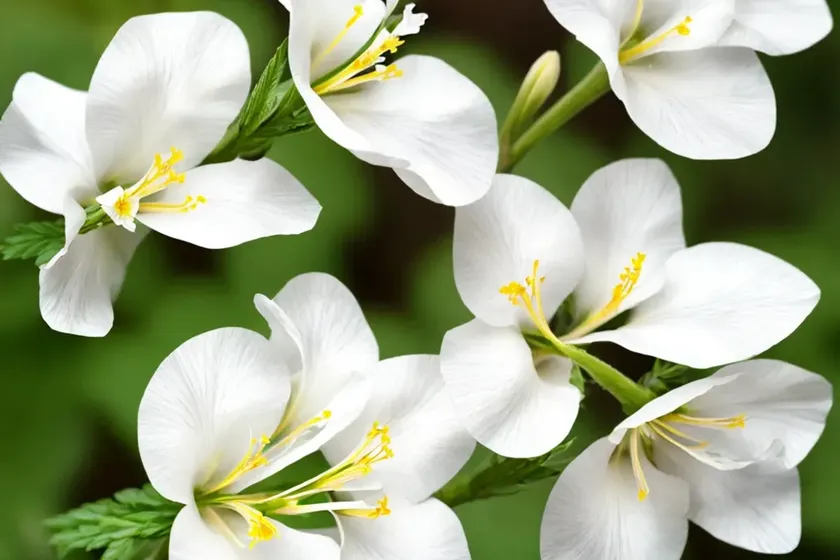
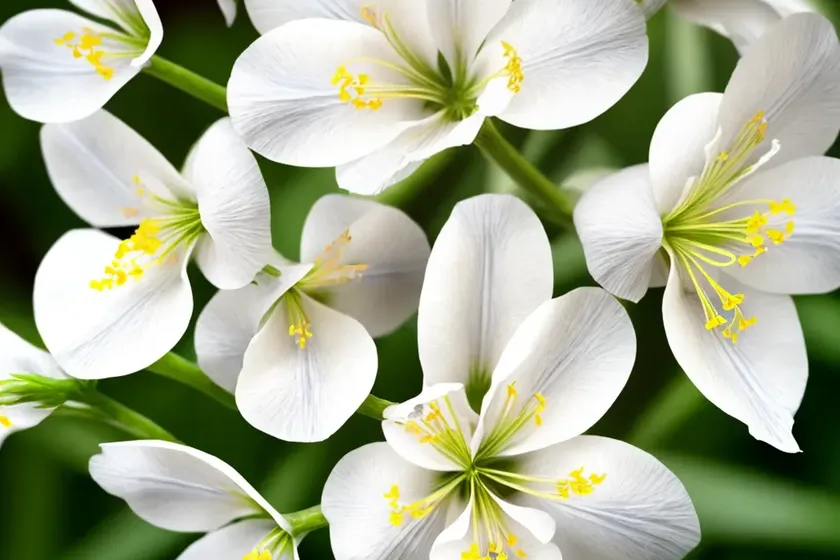
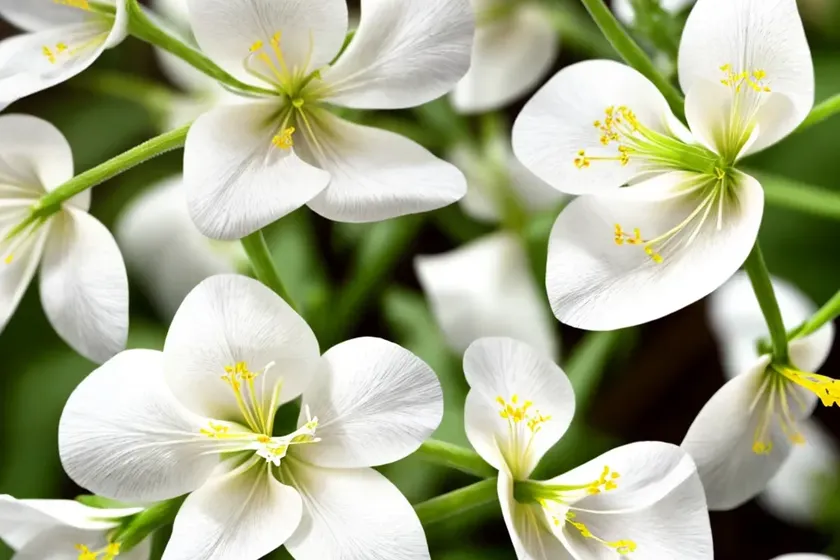
White evening-primrose, scientifically known as Oenothera speciosa, is a stunning perennial plant that belongs to the Onagraceae family. This species is commonly referred to as the “white-flowered evening-primrose” due to its delicate white blooms that grace gardens and landscapes. Native to North America, particularly Texas and Oklahoma, this plant is admired for its beauty and adaptability.
Key Takeaways – White Evening-Primrose (Oenothera Speciosa)
- Scientific Name: Oenothera speciosa
- Common Names: White evening-primrose, white-flowered evening-primrose
- Family: Onagraceae
- Native Habitat: Texas and Oklahoma, North America
- Blooming Period: Throughout spring and summer
- Water Needs: Moderate
- Sunlight Requirements: Full sun
- Soil Type: Well-draining soil
- Uses: Ornamental, Medicinal
- Cultivation: Perennial
Culture of White Evening-Primrose
Uses
White evening-primrose is primarily grown for ornamental purposes, adorning gardens, borders, and naturalized areas with its elegant white flowers. Additionally, this plant holds medicinal significance due to its therapeutic properties.
Water
Moderate watering is sufficient for the white evening-primrose. It is essential to maintain evenly moist soil, especially during the active growing season. However, it is crucial to avoid overwatering, which may lead to root rot.
Sunlight
White evening-primrose thrives in full sun, requiring at least six hours of direct sunlight per day for optimal growth and abundant flowering.
Fertilizer
A balanced, all-purpose fertilizer can be applied in early spring to support the plant’s growth and flowering.
Soil
This plant thrives in well-draining soil with a slightly acidic to neutral pH level. Sandy or loamy soils are ideal for white evening-primrose.
Pruning
Pruning is generally not required for white evening-primrose. However, deadheading spent blooms can encourage continuous flowering and prevent self-seeding.
Propagation
Propagation of white evening-primrose can be achieved through the division of mature plants or by sowing seeds directly in the desired location.
Container Popularity
While white evening-primrose is often grown in garden beds and naturalized areas, it can also thrive in containers. The adaptability of this plant to container gardening makes it a popular choice for those with limited garden space.
Container Common Diseases
Diseases that commonly affect plants in containers include root rot, powdery mildew, and fungal infections. Regular monitoring and appropriate watering practices can help prevent these issues.
Disease Diagnosis
Inspecting the foliage and overall appearance of the plant can aid in diagnosing diseases. Yellowing or spotted leaves, wilting, and abnormal growth patterns may indicate underlying health issues.
Common Pests
Aphids, spider mites, and caterpillars are common pests that may affect white evening-primrose. Regular inspection and the use of natural predators or insecticidal soap can mitigate pest damage.
Botanist’s Tips
-
Native Habitat: Understanding the native habitat of white evening-primrose can provide insights into its preferred growing conditions and cultural requirements.
-
Soil Requirements: Ensuring well-draining soil is essential for the health and vigor of this plant.
-
Maintenance: Regular deadheading and minimal pruning can promote continuous blooms and a tidy appearance.
Fun Facts
- The delicate white blooms of the evening-primrose open in the evening, releasing a subtle fragrance that attracts pollinators such as moths and butterflies.
- The roots of white evening-primrose have historically been used for their medicinal properties, offering remedies for various ailments.
Links to External Resources
In conclusion, Oenothera speciosa, or white evening-primrose, is a remarkable plant with versatile uses and enchanting beauty. Whether it graces a garden bed, container, or naturalized area, its delicate white flowers and ease of cultivation make it an appealing choice for plant enthusiasts. Understanding its cultural requirements, including water, sunlight, and soil preferences, empowers gardeners to cultivate and appreciate this perennial gem to its fullest potential. With its historical medicinal uses and ecological significance as a pollinator attractant, the white evening-primrose holds a special place in the botanical world.


