White Dead-nettle (Lamium Album)
White Dead-nettle (Lamium album) is a herbaceous flowering plant belonging to the family Lamiaceae. This herbaceous perennial is native to Europe and Asia.
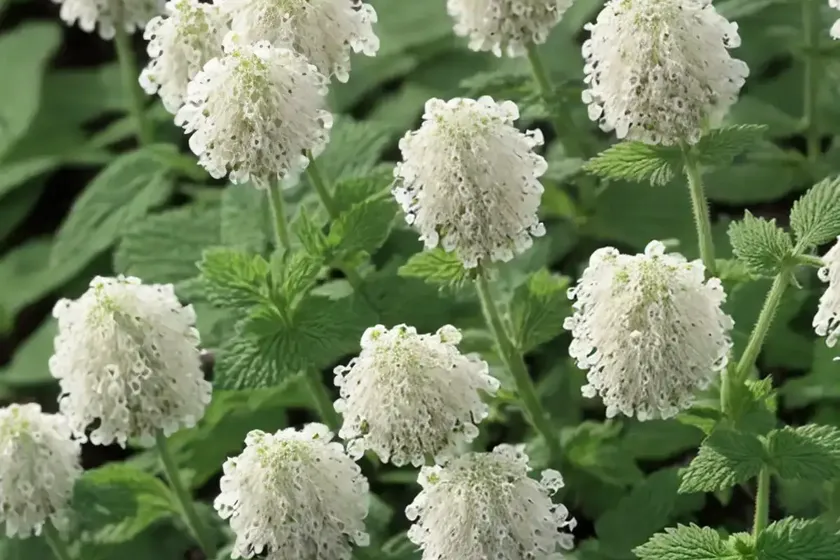
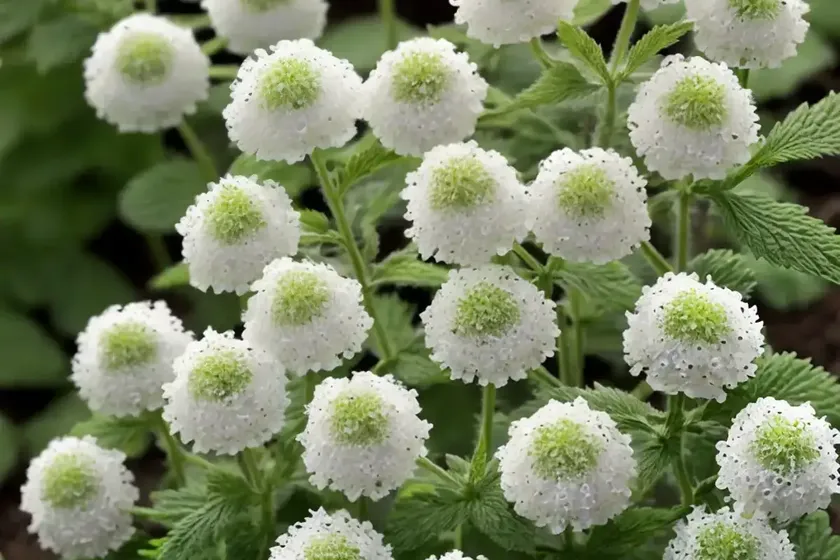
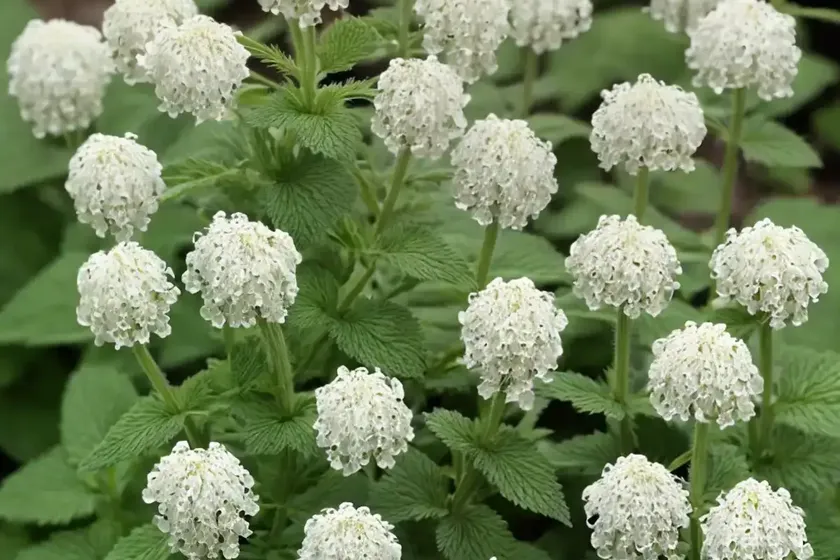
White Dead-nettle (Lamium album) is a herbaceous flowering plant belonging to the family Lamiaceae. This herbaceous perennial is native to Europe and Asia and is widely cultivated for its medicinal and ornamental purposes. In this comprehensive guide, we will explore the various aspects of White Dead-nettle, including its cultural requirements, uses, benefits, and more. Whether you are a seasoned gardener, a herbal enthusiast, or simply someone with an interest in horticulture, this article will provide you with valuable insights into the world of White Dead-nettle.
What is White Dead-nettle (Lamium Album)?
Plant Description
White Dead-nettle is a fast-growing perennial plant characterized by its square stems and opposite, heart-shaped leaves with serrated margins. The plant produces clusters of tubular, white flowers with distinctive purple markings on the lower lip. The flowers are arranged in whorls around the stem and bloom from early spring to late summer, attracting pollinators such as bees and butterflies.
Natural Habitat
White Dead-nettle is commonly found in hedgerows, woodlands, and other semi-shaded habitats with moist, well-drained soils. It thrives in temperate climates and can often be seen in grassy areas and along the edges of roadsides.
Plant Identification
- Scientific Name: Lamium album
- Common Names: White Dead-nettle, Common Dead-nettle
- Plant Type: Herbaceous Perennial
- Height: 20-40 cm
- Flowering Time: Early Spring to Late Summer
- Growth Habit: Upright, Spreading
- Foliage: Opposite, Heart-shaped Leaves
Key Takeaways – White Dead-nettle (Lamium Album)
Before delving into the specific care requirements and uses of White Dead-nettle, let’s begin by summarizing the key takeaways associated with this versatile plant.
White Dead-nettle Characteristics
- Fast-growing herbaceous perennial
- Heart-shaped leaves with serrated margins
- Clusters of tubular, white flowers with purple markings
- Attractive to pollinators such as bees and butterflies
- Thrives in semi-shaded habitats with moist, well-drained soils
- Blooms from early spring to late summer
Medicinal Properties and Herbal Remedies
- White Dead-nettle is known for its traditional uses in herbal medicine
- Contains potentially beneficial compounds with anti-inflammatory and astringent properties
- Used in traditional herbal remedies for various ailments
Cultivation and Garden Maintenance
- Adaptable and low-maintenance plant
- Suitable for garden borders, rockeries, and wildflower gardens
- Requires minimal pruning and care once established
- Can be propagated from seeds, cuttings, or division
Ecological Importance and Wildlife Benefits
- Attracts pollinators, contributing to biodiversity
- Provides a source of nectar for bees and butterflies
- Plays a role in supporting local ecosystems and wildlife habitats
Folklore and Symbolism
- Holds cultural significance in folklore and traditional beliefs
- Associated with various symbolic meanings and folklore tales
- Inspires garden design ideas and landscaping concepts
Uses of White Dead-nettle
White Dead-nettle has a rich history of traditional uses in herbal medicine, culinary applications, and ornamental gardening. Its versatility and adaptability make it a valuable addition to home gardens, natural landscapes, and ecological restoration projects.
Herbal Medicine
- Traditional Uses: White Dead-nettle has been used in traditional herbal remedies for its purported medicinal properties. The leaves and flowers are believed to contain compounds with astringent and anti-inflammatory effects, which have been historically utilized to address minor wounds, skin irritations, and mild respiratory complaints.
- Culinary Uses: While not as widely recognized for culinary purposes as some related species, White Dead-nettle has been historically consumed as a leafy vegetable in certain European regions. The young leaves can be added to salads or cooked as a nutritious green vegetable. However, caution is advised, as proper identification and preparation are essential when incorporating wild plants into culinary practices.
Ornamental Landscaping
- Garden Cultivation: Due to its attractive foliage and white flowers, White Dead-nettle is often cultivated as a decorative plant in garden borders, rockeries, and naturalized settings. Its low-maintenance nature and ability to thrive in diverse growing conditions make it an appealing choice for gardeners seeking to enhance the visual appeal of their outdoor spaces.
- Wildlife Gardens: As a nectar-rich plant, White Dead-nettle holds significant value for wildlife gardens and pollinator-friendly landscapes. In addition to its aesthetic appeal, it provides essential forage for bees, butterflies, and other beneficial insects, contributing to the overall ecological balance of the area.
Plant Care: White Dead-nettle (Lamium Album)
Achieving success in cultivating White Dead-nettle involves understanding its specific cultural requirements and providing the necessary care to support healthy growth and vitality. From soil preferences to pruning techniques, the following sections cover the essential aspects of plant care for White Dead-nettle.
Water
White Dead-nettle thrives in moist, well-drained soils and benefits from consistent moisture, especially during the growing season. However, it is important to avoid waterlogged conditions, as excessive moisture can lead to root rot and other issues. When establishing new plantings, regular watering is recommended to support root development. Once established, the plant exhibits good drought tolerance, although it will perform best with adequate moisture throughout the growing season.
Watering Tips:
- Establishment Phase: Water newly planted White Dead-nettle regularly, keeping the soil evenly moist but not waterlogged.
- Growing Season: Provide supplemental watering during dry spells, particularly in warmer climates or when grown in containers.
- Avoid Overwatering: Ensure that the soil drains well to prevent waterlogging, which can lead to root rot and other problems.
Sunlight
White Dead-nettle is well-adapted to partial shade and can thrive in dappled sunlight or areas with filtered light. While it can tolerate some sun, especially in cooler climates, it generally prefers semi-shaded environments, particularly during the hottest part of the day. When grown in full sun, the plant may benefit from additional moisture and protection from intense midday rays.
Sunlight Guidelines:
- Partial Shade: Ideally suited for semi-shaded locations and woodland edges
- Sun Tolerance: Can tolerate some sun, but may require extra moisture and protection in hotter climates
- Protection from Midday Sun: Ensure adequate moisture and provide shelter from intense afternoon sunlight, especially in warmer regions
Fertilizer
White Dead-nettle typically grows well without the need for excessive fertilization, especially when planted in nutrient-rich soils or organic-rich substrates. However, a light application of balanced, slow-release fertilizer in early spring can provide an extra boost to encourage healthy foliage and flowering. Avoid over-fertilizing, as excessive nutrients can lead to vigorous vegetative growth at the expense of flower production.
Fertilization Practices:
- Balanced Fertilizer: Apply a balanced, slow-release fertilizer in early spring before the onset of active growth
- Moderation is Key: Use fertilizers sparingly, as White Dead-nettle generally thrives in moderately fertile soils without excessive supplementation
- Organic Amendments: Incorporate well-rotted compost or organic matter into the soil when planting to improve overall soil structure and fertility
Soil
The ideal soil for White Dead-nettle is moist, well-drained, and rich in organic matter. It thrives in loamy or sandy loam soils with good water-holding capacity, which support healthy root development and overall plant vigor. While adaptable to a range of soil types, it is important to avoid overly dry or waterlogged substrates, as this can adversely impact the plant’s performance and overall health.
Soil Recommendations:
- Moist, Well-Drained: Choose soils with good drainage to prevent waterlogging and root rot
- Organic Matter: Incorporate organic compost or well-rotted manure to enhance soil fertility and structure
- Avoid Excessively Dry or Wet Soils: Aim for balanced moisture levels to support optimal growth and flowering
Pruning
White Dead-nettle is generally low-maintenance and does not require extensive pruning. However, light pruning can help manage its growth and promote a neat, compact habit. Removal of spent flowers and occasional thinning of overcrowded stems can encourage new growth and enhance the plant’s overall appearance. Late winter or early spring is an ideal time for light pruning to prepare the plant for the upcoming growing season.
Pruning Guidelines:
- Deadheading: Remove spent flowers to encourage continuous blooming and prevent self-seeding
- Thinning: Gently thin out overcrowded stems to improve air circulation and maintain a tidy growth habit
- Seasonal Pruning: Conduct light pruning in late winter or early spring to rejuvenate the plant and promote new growth
Propagation
White Dead-nettle can be propagated through various methods, including seeds, stem cuttings, and division. Each propagation technique offers distinct advantages and can be employed based on the specific needs and preferences of the gardener. Additionally, initiating new plantings through propagation allows for the expansion of existing White Dead-nettle populations and the creation of additional garden displays.
Propagation Techniques:
- Seed Propagation: Collect and sow seeds in early spring or late summer for new plantings
- Stem Cuttings: Take softwood or semi-hardwood cuttings in spring or early summer to propagate new plants
- Division: Divide established clumps in early spring or autumn to create multiple plants and rejuvenate crowded specimens
Container Cultivation
White Dead-nettle can thrive in containers and is well-suited for growing in pots, planters, and other confined spaces. When selecting a container, prioritize adequate drainage and choose a well-draining potting mix to support healthy root development. Container-grown White Dead-nettle may require more frequent watering, especially during warmer periods, to maintain optimal moisture levels.
Container Guidelines:
- Drainage: Ensure containers have drainage holes to prevent waterlogging
- Potting Mix: Use a well-draining potting mix to support root health and overall plant vitality
- Watering Considerations: Monitor soil moisture closely and water as needed to prevent drought stress
Common Diseases and Pests
While White Dead-nettle is generally resistant to most pests and diseases, it can occasionally encounter issues such as foliar diseases and pest infestations. Recognizing the symptoms of common ailments and implementing appropriate management strategies is essential for maintaining the health and vigor of the plant.
Disease Diagnosis
- Powdery Mildew: Recognized by the presence of powdery, white fungal growth on the leaves, which can compromise overall plant health and aesthetics
- Leaf Spot Diseases: Manifest as circular, discolored areas on the foliage, often accompanied by leaf yellowing or browning
- Root Rot: Caused by overly wet or poorly drained soils, leading to root damage and decline in overall plant vitality
Disease Management:
- Cultural Practices: Provide proper spacing, adequate air circulation, and avoid overhead watering to reduce disease pressure
- Fungicidal Treatments: Apply appropriate fungicides as needed to manage fungal diseases and protect plant health
Common Pests
- Aphids: Small, soft-bodied insects that cluster on the undersides of leaves, feeding on plant sap and excreting honeydew
- Spider Mites: Tiny arachnids that can cause stippling and webbing on the foliage, impacting overall plant vigor
- Slugs and Snails: Soft-bodied pests that feed on foliage, leaving behind irregular holes and damage
Pest Control Strategies:
- Natural Predators: Encourage natural enemies such as ladybugs and lacewings to control aphid populations
- Horticultural Oils: Use horticultural oils to manage spider mite infestations and minimize their impact on plant health
- Physical Barriers: Employ physical barriers and barriers such as copper tape to deter slugs and snails from feeding on White Dead-nettle
Botanist’s Tips for Growing White Dead-nettle
To further support successful cultivation and enjoyment of White Dead-nettle in the garden, consider the following expert tips and recommendations from botanists and horticultural specialists.
Growing Conditions
- Semi-Shaded Locations: Select planting sites with partial shade or dappled sunlight to mimic the plant’s natural habitat
- Well-Drained Soils: Prioritize well-draining, loamy soils to prevent waterlogging and support healthy root development
Maintenance Practices
- Light Pruning: Regularly remove spent flowers and thin out overcrowded stems to maintain a tidy growth habit
- Regular Monitoring: Keep an eye out for signs of pest infestations or disease development and address issues promptly
Ecological Considerations
- Pollinator Support: Embrace the plant’s role in attracting bees, butterflies, and other pollinators by incorporating it into pollinator-friendly garden designs
- Wildlife Habitat: Recognize the value of White Dead-nettle in supporting local ecosystems and providing essential forage for beneficial wildlife
Fun Facts About White Dead-nettle
In addition to its practical uses and cultivation requirements, White Dead-nettle offers an array of intriguing and captivating attributes. Consider the following fun facts to deepen your appreciation for this remarkable plant.
- White Dead-nettle has a long history of traditional uses in herbal medicine, folklore, and culinary practices, reflecting its cultural significance and enduring appeal.
- The white flowers of White Dead-nettle are visually striking, with intricate purple markings that add to the plant’s ornamental value and attractiveness to pollinators.
- In some regions, White Dead-nettle has been embraced as a versatile leafy vegetable, adding diversity to culinary traditions and dietary practices.
External Resources and Further Reading
To expand your knowledge and explore additional insights into White Dead-nettle, consider the following external resources and references. These valuable sources offer in-depth information on plant care, folklore, and ecological significance, providing a well-rounded perspective on the multifaceted nature of White Dead-nettle.
- Royal Horticultural Society – Lamium album
- Missouri Botanical Garden – Lamium album
- Wildflower – White Dead-nettle
- Plants For A Future – Lamium album
- Botanical Society of Britain and Ireland – Lamium album
Conclusion
White Dead-nettle (Lamium album) stands as a noteworthy example of a plant with diverse uses, ecological value, and cultural significance. From its role in herbal medicine to its ornamental appeal in garden settings, this herbaceous perennial enriches the natural world and offers an array of practical and aesthetic benefits. By understanding the specific care requirements and embracing the plant’s inherent qualities, individuals can cultivate, appreciate, and cherish White Dead-nettle as a valuable part of their horticultural endeavors. Whether in the context of medicinal herbalism, wildlife gardening, or simply as an elegant addition to the landscape, White Dead-nettle continues to captivate and inspire enthusiasts with its remarkable attributes and timeless allure.


