White Ash (Fraxinus Americana)
In the world of trees, the white ash (Fraxinus americana) stands out as an exceptional species due to its magnificent beauty and many practical uses. Also.
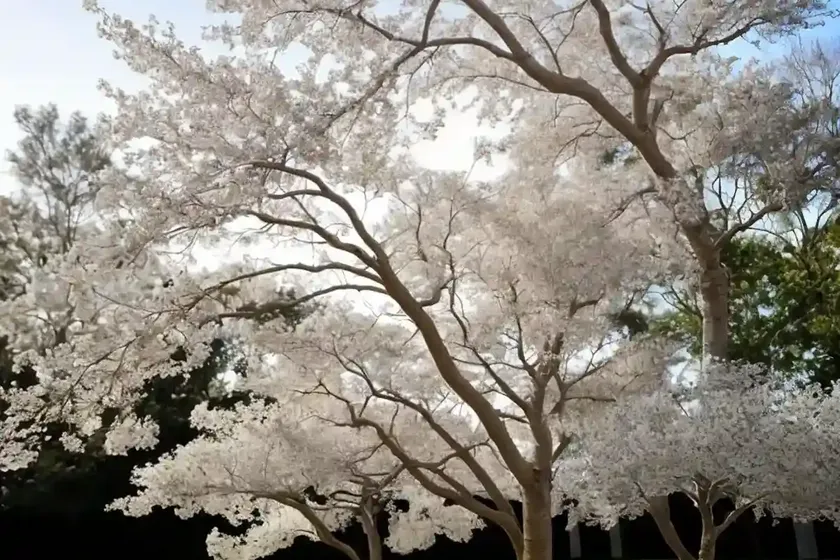
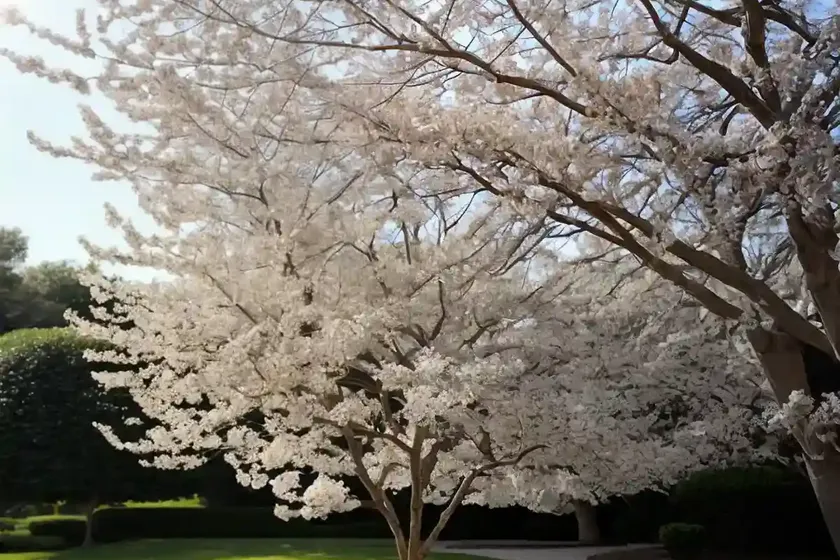
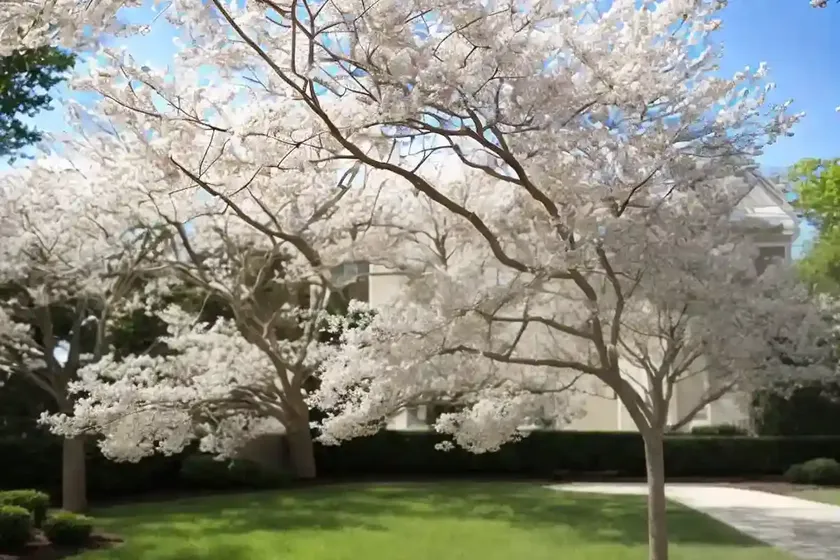
In the world of trees, the white ash (Fraxinus americana) stands out as an exceptional species due to its magnificent beauty and many practical uses. Also known as the American ash, this deciduous tree has been a part of North American landscapes for centuries, offering not only aesthetic appeal but also various cultural, ecological, and economic benefits. In this comprehensive guide, we will explore the key aspects of white ash, including its characteristics, cultivation, uses, and maintenance, along with valuable tips for plant lovers and enthusiasts.
What is White Ash (Fraxinus americana)?
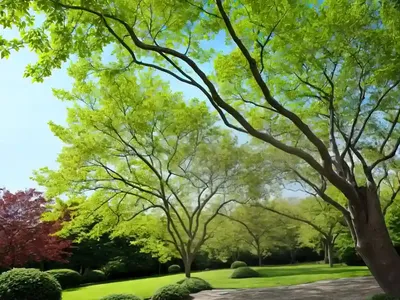
White ash, scientifically known as Fraxinus americana, is a large, tall deciduous tree belonging to the Oleaceae family. This tree is native to North America and is widely distributed across the eastern United States and Canada. The majestic white ash is renowned for its distinct leaves, valuable wood, and graceful, towering stature. It typically grows to a height of 50 to 80 feet, and occasionally up to 120 feet, with a broad, rounded crown that provides ample shade and aesthetic appeal.
The bark of the white ash tree is light gray to brown, forming a deeply furrowed and diamond-like pattern as the tree matures. Its leaves are compound, consisting of 5 to 9 leaflets with serrated edges. In the fall, the foliage transforms into a stunning display of vibrant yellow, making it a sight to behold. Moreover, the wood of the white ash tree is highly valued for its strength, flexibility, and beautiful grain, making it a preferred choice for various woodworking applications.
Key Takeaways – White Ash (Fraxinus americana)
- Scientific Name: Fraxinus americana
- Common Names: White Ash, American Ash
- Family: Oleaceae
- Native Range: Eastern United States and Canada
- Height: 50-80 feet, occasionally up to 120 feet
- Crown: Broad, rounded
- Bark: Light gray to brown, furrowed
- Leaves: Compound, 5-9 leaflets, serrated edges
- Fall Foliage: Vibrant yellow
- Wood: Valued for strength, flexibility, and grain
Now that we have a basic understanding of the white ash tree, let’s delve into its cultivation, uses, and maintenance requirements to appreciate and care for this remarkable species effectively.
Culture of White Ash
Cultivating white ash trees involves understanding their specific requirements for water, sunlight, soil, and fertilizer to ensure optimal growth and vitality. Additionally, considerations such as pruning, propagation, and container planting can further enhance the success of growing and maintaining white ash trees. Let’s explore each of these aspects in detail to gain insights into the culture of white ash.
Water
White ash trees require well-draining soil and regular watering, especially during their initial establishment phase. Ensuring adequate moisture without waterlogging the roots is essential for promoting healthy growth. Monitoring the soil moisture and providing supplemental irrigation during dry periods can aid in sustaining the tree’s vigor and resilience against environmental stressors.
Sunlight
Being a sun-loving species, white ash trees thrive in full to partial sunlight. Selecting a planting location that receives ample sunlight throughout the day is crucial for promoting robust growth and vibrant foliage. While the tree can tolerate some shade, it flourishes best in sunny environments, where it can photosynthesize efficiently and develop its characteristic crown and lush foliage.
Fertilizer
When it comes to fertilization, white ash trees benefit from a balanced, slow-release fertilizer that provides essential nutrients for their overall development. Applying fertilizer in the early spring or late fall can support the tree’s nutrient requirements and contribute to healthy foliage and vigorous growth. It’s important to follow the recommended application rates and avoid excessive fertilization, which can potentially harm the tree.
Soil
White ash trees prefer fertile, well-draining soil with a slightly acidic to neutral pH. Rich loamy soils with good aeration and moisture retention capabilities are ideal for supporting the tree’s root system and promoting optimal nutrient uptake. Conducting a soil test and amending the soil as needed based on the results can create an ideal growing environment for white ash trees, ensuring their long-term health and vitality.
Pruning
Pruning plays a significant role in maintaining the structure, health, and aesthetic appeal of white ash trees. Regular pruning can help remove dead, diseased, or crossing branches, promote proper branching patterns, and enhance the tree’s overall form. Pruning should be conducted during the dormant season to minimize stress on the tree and achieve the desired shape and balance.
Propagation
Propagation of white ash trees can be achieved through seeds, cuttings, or grafting. Germinating seeds collected from mature trees or utilizing hardwood cuttings can be viable methods for propagating white ash. Grafting offers another option for propagating selected cultivars with specific desirable traits. Understanding the different propagation techniques and following appropriate procedures can facilitate successful reproduction of white ash trees.
Container Planting
For individuals interested in growing white ash trees in containers, selecting a large, deep container with adequate drainage is essential. Container-grown white ash trees require regular watering, appropriate fertilization, and periodic root pruning to support healthy growth within the confined space. Monitoring the tree’s development and repotting as needed can promote its well-being in a containerized environment.
Uses of White Ash
White ash trees offer a wide range of practical and cultural uses, making them valuable assets in various contexts. From woodworking and traditional crafts to ecological contributions and urban forestry, the versatile applications of white ash underscore its significance and relevance. Let’s explore the diverse uses of white ash in more detail to appreciate the depth of its contributions.
Wood
The wood of white ash is highly prized for its exceptional strength, resilience, and beautiful grain patterns. It is commonly used in the production of furniture, flooring, cabinets, sports equipment, tool handles, and musical instruments, owing to its excellent workability and durability. The unique bending properties of white ash wood make it a preferred choice for crafting baseball bats, hockey sticks, and other sporting goods that require flexibility and impact resistance.
Shade and Ornamental Tree
White ash trees serve as magnificent shade trees, offering cooling respite and aesthetic beauty in parks, residential landscapes, and urban settings. Their broad, rounded crowns and attractive foliage make them popular choices for creating outdoor spaces with natural shade and visual appeal. Additionally, the vibrant fall colors of white ash foliage enhance the landscape with hues of golden yellow, adding a captivating element to the autumn scenery.
Wildlife Habitat
The ecological significance of white ash trees extends to their role in providing habitat and resources for diverse wildlife species. Birds, mammals, and insects utilize the tree for nesting sites, shelter, food, and other ecological needs, contributing to the overall biodiversity and ecological balance within their native habitats. The presence of white ash trees can enrich the natural environment and support various forms of wildlife.
Environmental Benefits
White ash trees deliver multiple environmental benefits, such as air purification, carbon sequestration, and soil stabilization. Their leaves and foliage contribute to filtering and cleansing the air, while their extensive root systems assist in soil erosion control and moisture retention. Furthermore, white ash trees help mitigate climate change by absorbing and storing significant amounts of carbon dioxide, thus contributing to environmental conservation efforts.
Cultural Significance
In cultural and traditional contexts, white ash trees hold symbolic and practical significance. Indigenous communities and Native American tribes have historically utilized various parts of the tree for crafting tools, baskets, baskets.
credits
Harvard:
Ranjbar, A., Torkpoor, A., Emami, S. (2019, March 10). Calibration and Classification of an RGB Camera for Plant Detection Applications. Retrieved from https://scholar.harvard.edu/arash/publications/calibration-and-classification-rgb-camera-plant-detection-applications
Missouri Botanical Garden:
Fraxinus americana. (n.d.). Retrieved from https://www.missouribotanicalgarden.org/PlantFinder/PlantFinderDetails.aspx?kempercode=s170
Royal Botanic Gardens, Kew:
Fraxinus americana. (n.d.). Retrieved from https://powo.science.kew.org/taxon/urn:lsid:ipni.org:names:867798-1